Geneva Watch Days 2026: The Biggest Trends Reshaping The Luxury Watch Industry
Geneva Watch Days 2026 has closed its doors, but the real headline is what it revealed about where Swiss watchmaking is actually heading
Geneva Watch Days has never tried to be Watches and Wonders. It is deliberately smaller, spread across the city’s boutiques and hotel suites rather than a single hall, and that decentralised, personal format is precisely why it has become the show connoisseurs watch most closely. This year’s edition, running through the first week of September, brought 71 participating maisons and thousands of collectors and enthusiasts through Geneva’s five districts. No single trend dominated the week, and that itself is the story: the show revealed an industry evolving in several directions at once, each one worth understanding.
Complications Are Getting Genuinely Useful Again
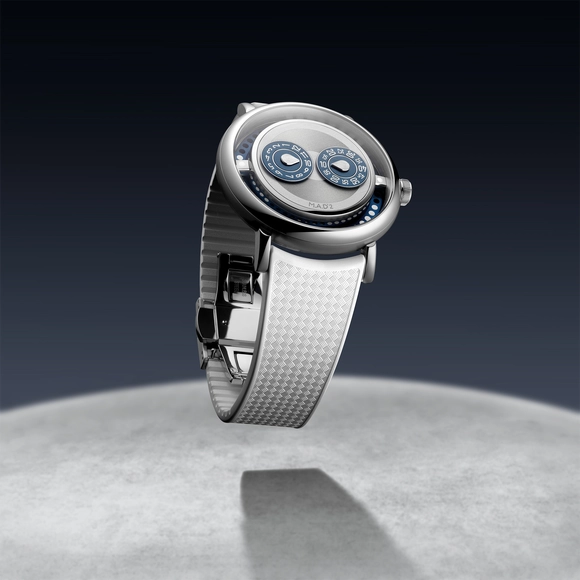
The clearest thread running through this year’s releases was mechanical ingenuity in service of daily function, not spectacle for its own sake. MING’s world-time watch impressed observers by being surprisingly practical rather than merely decorative, and the jumping-hour format saw a real resurgence, with Bremont expanding its Terra Nova Jumping Hour line and M.A.D.Editions collaborating with veteran complication specialist Vincent Calabrese on an idea decades in the making. Bulgari, meanwhile, handed one of its most recognisable modern designs to independent watchmaker Vianney Halter, who reworked it into a retro-futuristic instrument panel. For collectors, this matters because it signals a shift away from complexity as a marketing checkbox and toward complications that genuinely change how a watch is worn and read.
Also Read: Why The Microbrand Watch Market Is Dividing Into Two Worlds
Proportions Are Shrinking, and Everyone Is Relieved
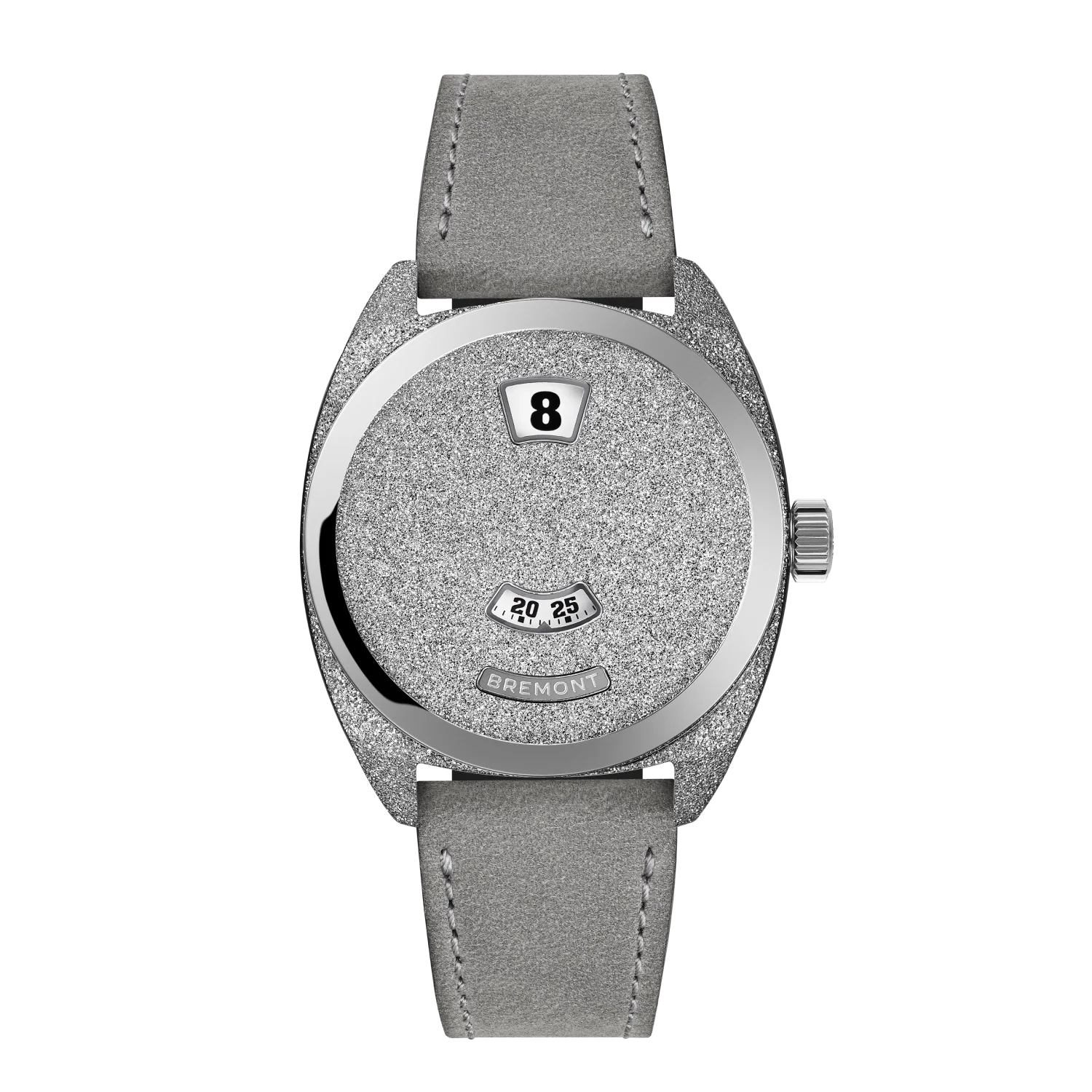
Compact cases were everywhere. Bremont’s new 35mm Terra Nova Jumping Hour marked the collection’s first true dress-watch scale, and DOXA brought Grade 5 titanium to its SUB 300 line, making the dive watch around 40% lighter than its steel counterpart without shrinking its presence. The broader takeaway from the show floor was that both male and female collectors are increasingly avoiding oversized cases in favour of compact, wearable proportions, a sizing correction that has been building for several seasons and now looks fully underway. For enthusiasts, this is arguably the most consumer-friendly trend on this list: it widens the pool of people a serious mechanical watch can actually fit.
Natural and Experimental Materials Took Centre Stage
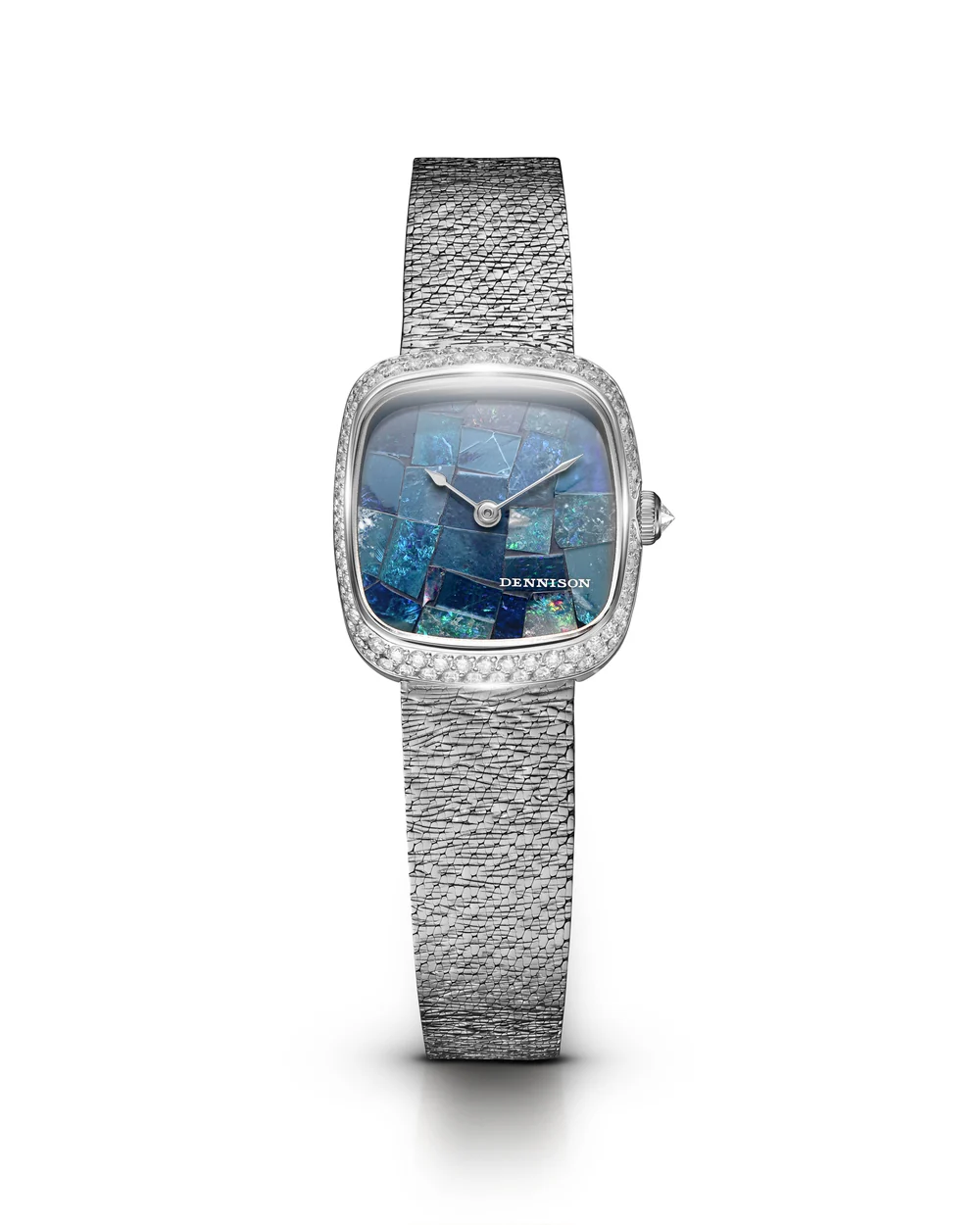
Stone dials emerged as one of the clearest visual trends of the show, with Dennison leaning heavily into natural materials and Perrelet following with its own interpretation. Maurice Lacroix pushed further into material experimentation, pairing its Frozen Carbon with bronze and Damascus steel. This growing appetite for tactile, characterful materials suggests brands are competing less on colourways alone and more on how a dial or case actually feels and ages, a subtler but more durable form of differentiation.
Also Read: Why Watch Brands Are Turning Their Attention To Milan
Heritage Names Are Being Revived With Real Substance
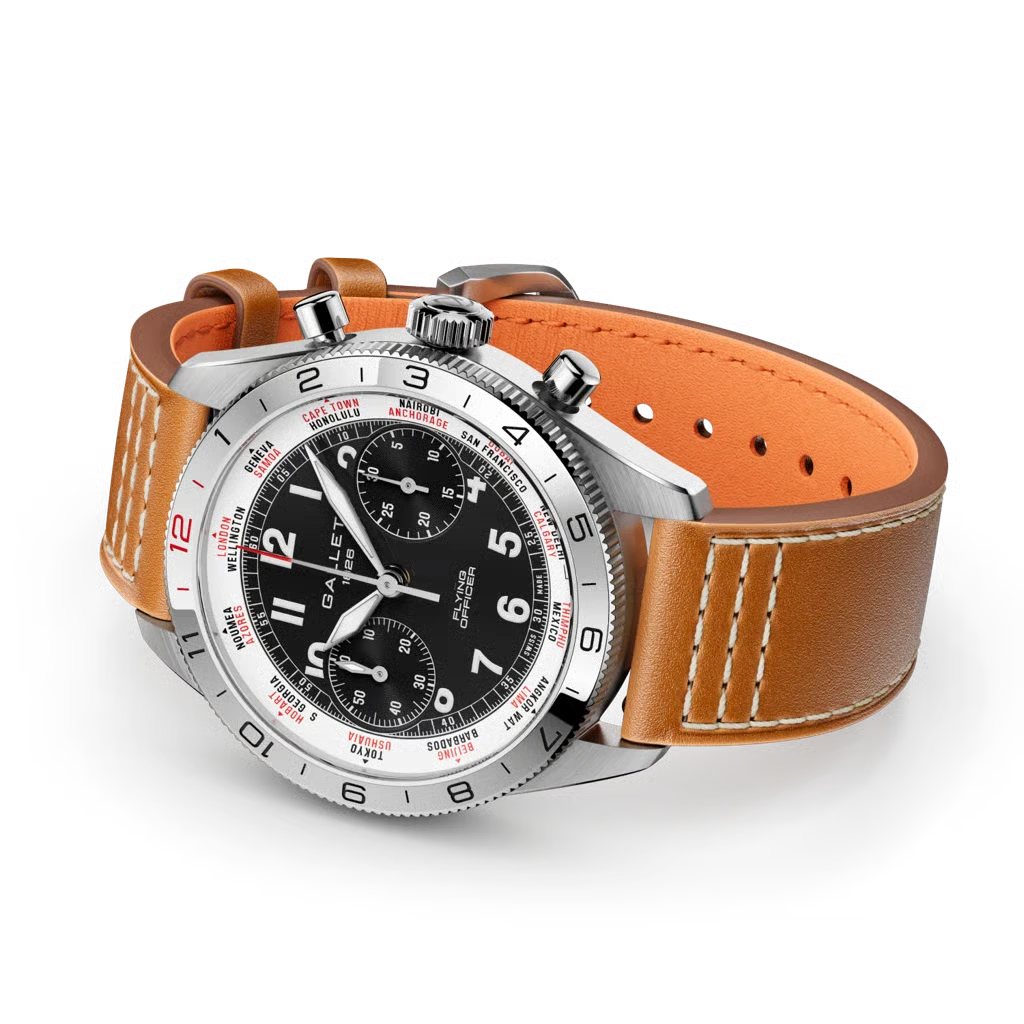
Perhaps the most surprising story of the week was Gallet, marking 200 years since its founding with a full comeback under the Breitling umbrella. Rather than a single anniversary piece, the relaunch arrived as a complete lineup, including the Flying Officer, the Multichron and three Classics chronographs, a level of consistency and range that exceeded expectations for a heritage revival. It is a reminder that reviving a dormant name now requires a full collection with real horological credibility, not a nostalgic one-off.
Independents Continue to Set the Creative Agenda
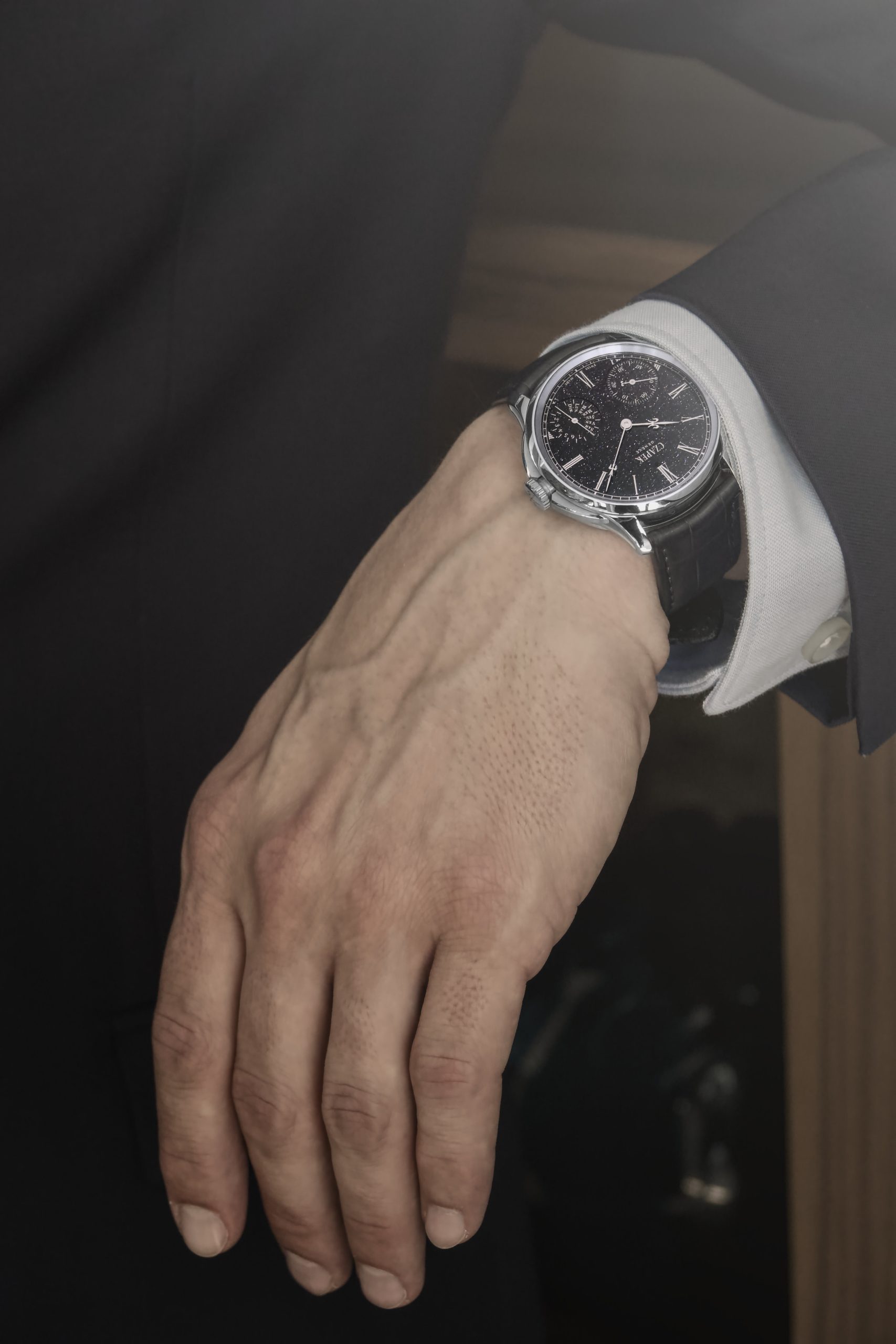
Established maisons shared the stage with some of the most exciting independent watchmakers in the business, from Czapek and De Bethune to Laurent Ferrier, Konstantin Chaykin and the wonderfully eccentric Otsuka Lotec. The De Bethune DB25 Digitale, with its jumping-hour display and singular movement architecture, was cited as a highlight that specification sheets simply couldn’t capture. Gérald Genta, meanwhile, reintroduced itself to the public with a black onyx-dial Geneva Minute Repeater built on a calibre from LVMH’s La Fabrique du Temps, proof that even under major group ownership, independent-spirited horology remains the industry’s creative engine.