How Microbrands Are Reviving the Lost Ideas of Watchmaking
These micro brands are not trying to reinvent the mechanical watch but are instead looking backwards with considerable intelligence, borrowing from forgotten designs, historic proportions and old school craftsmanship to create watches that feel remarkably relevant today
There is a curious habit in watchmaking to assume that progress must always mean something entirely new. A new movement, a new material, another complication with a name long enough to require its own business card. Yet some of the most interesting contemporary watches are doing something considerably more sensible. They are looking backwards. Across the independent watchmaking landscape, a new generation of microbrands is mining the archives for ideas that were once fashionable, forgotten or simply too good to remain buried. The result is not nostalgia for nostalgia’s sake, but a modern interpretation of the design language that made vintage watches so compelling in the first place.
Baltic
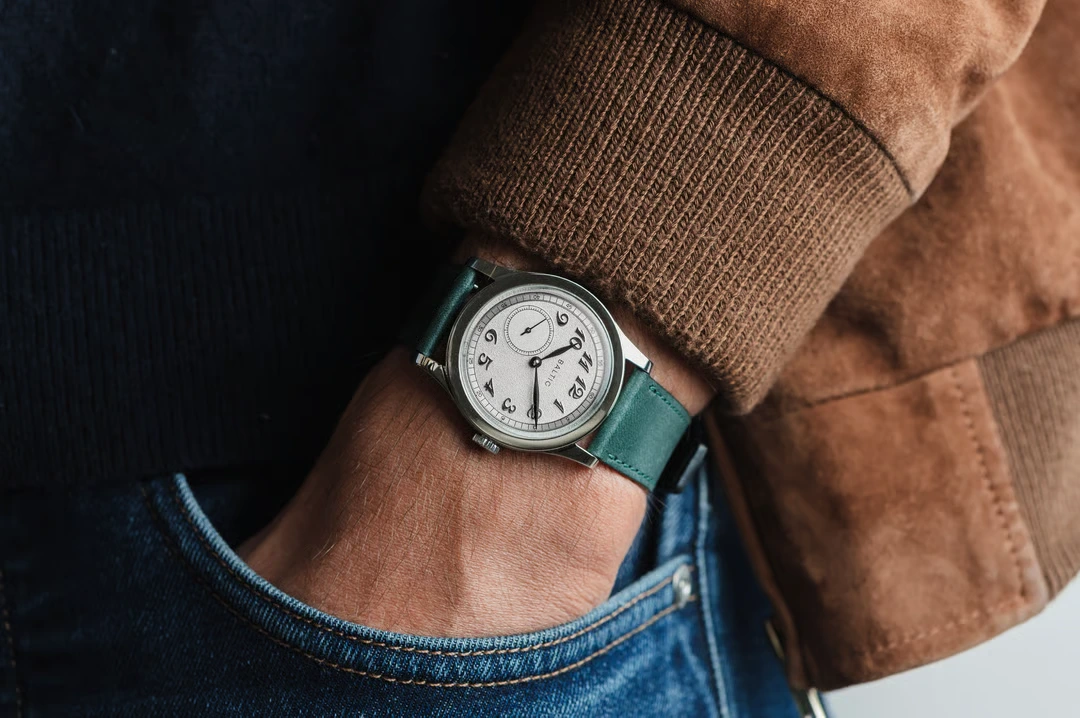
French watch brand Baltic has built much of its identity around the visual vocabulary of mid century European watchmaking. Its watches draw from vintage references without attempting to replicate them slavishly, using restrained proportions, domed crystals, sector inspired dials and carefully considered finishing to create a distinctly period influenced character.
What makes Baltic particularly appealing is its ability to make vintage design feel contemporary rather than costume like. The watches are recognisably inspired by the past, yet they retain the practicality and accessibility expected of a modern microbrand. In an industry increasingly fascinated by oversized cases and visual theatrics, Baltic’s quieter approach feels almost rebellious.
Fears
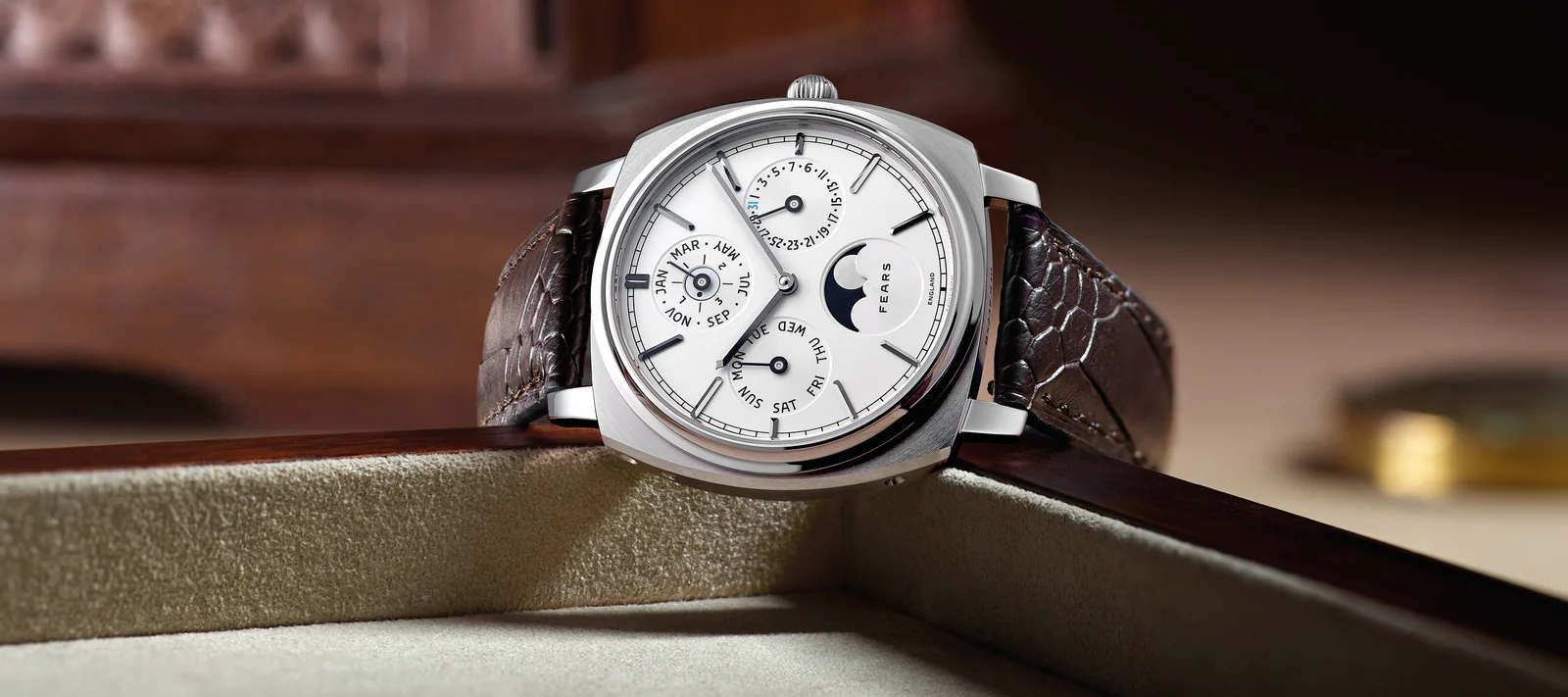
Fears takes heritage rather more literally, because the brand’s story stretches back to 1846 in Coventry. Revived by Nicholas Bowman Scaife in 2016, the company has returned to British watchmaking with designs that acknowledge its historical catalogue while giving those ideas a contemporary refinement.
Its watches are characterised by elegant proportions, understated dials and a distinctly British sensibility. Rather than shouting about heritage, Fears allows its design language to do the talking. There is an appealing restraint to the watches, as though someone has taken a beautiful vintage timepiece, removed the dust and politely brought it into the twenty first century.
Also Read: From Gotham To The Road: Iconic Cars With Batman Vibes
Lorier
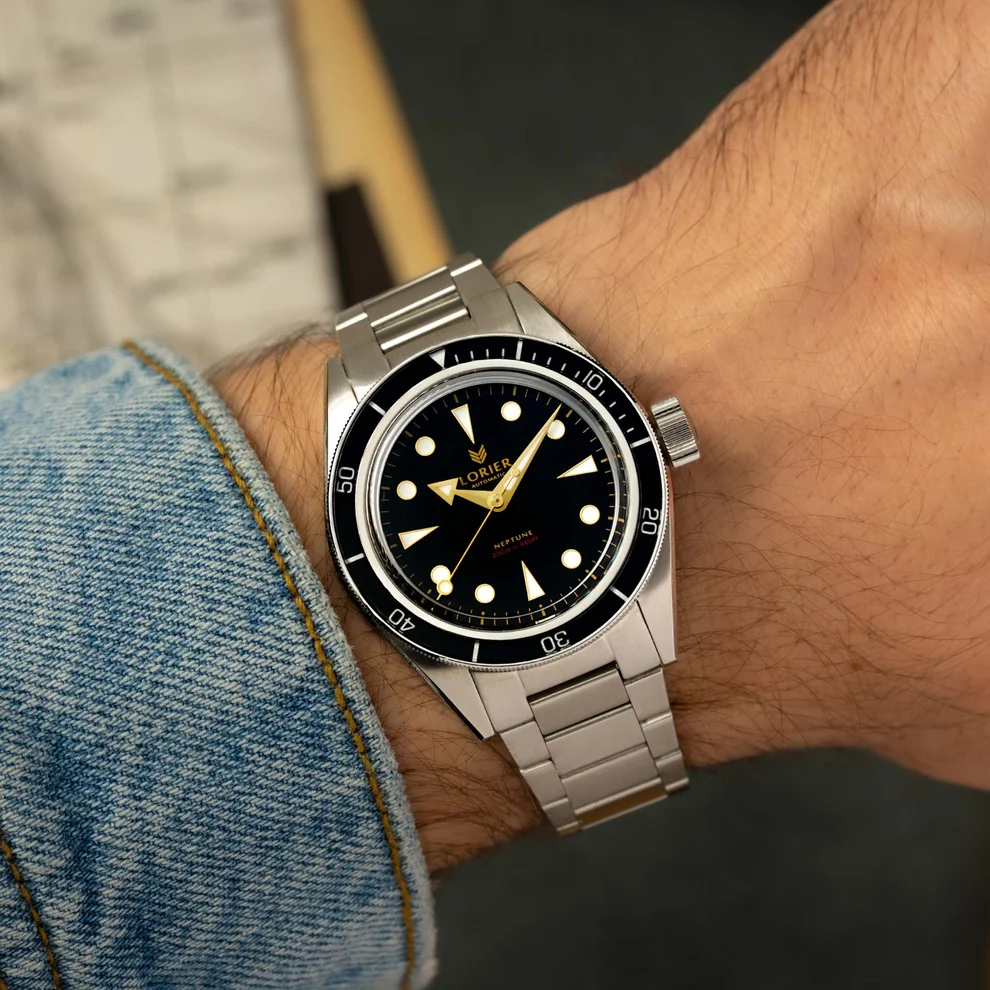
Lorier has found inspiration in one of the richest periods in sports watch history, the 1960s and 1970s. Its watches channel the era’s compact cases, warm proportions, vintage inspired typography and tool watch character while retaining the reliability of modern automatic movements. The attraction lies in the details. Lorier understands that vintage charm is rarely about a single design element. It comes from the relationship between case dimensions, crystal, bezel, handset and dial. The brand therefore recreates the atmosphere of an earlier generation of sports watches without simply producing replicas of famous references.
Nivada Grenchen
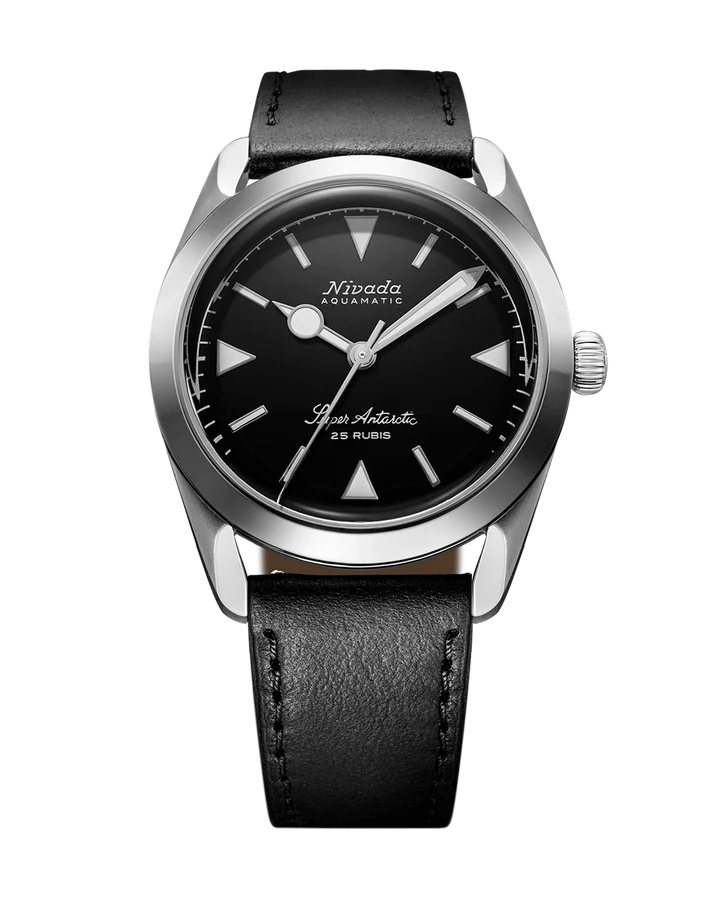
Few names demonstrate the value of horological archaeology quite like Nivada Grenchen. The historic Swiss brand has returned to the spotlight by revisiting watches from its own past, including designs that had largely disappeared from contemporary watchmaking.
Models associated with the Antarctic, Chronomaster and Depthmaster families demonstrate how much character can be found in historical tool watches. Nivada Grenchen’s modern revival preserves the essential visual identity of these watches while adapting them for contemporary collectors. The appeal is obvious: rather than inventing a fictional heritage, the brand has genuine archives to explore.
Brew
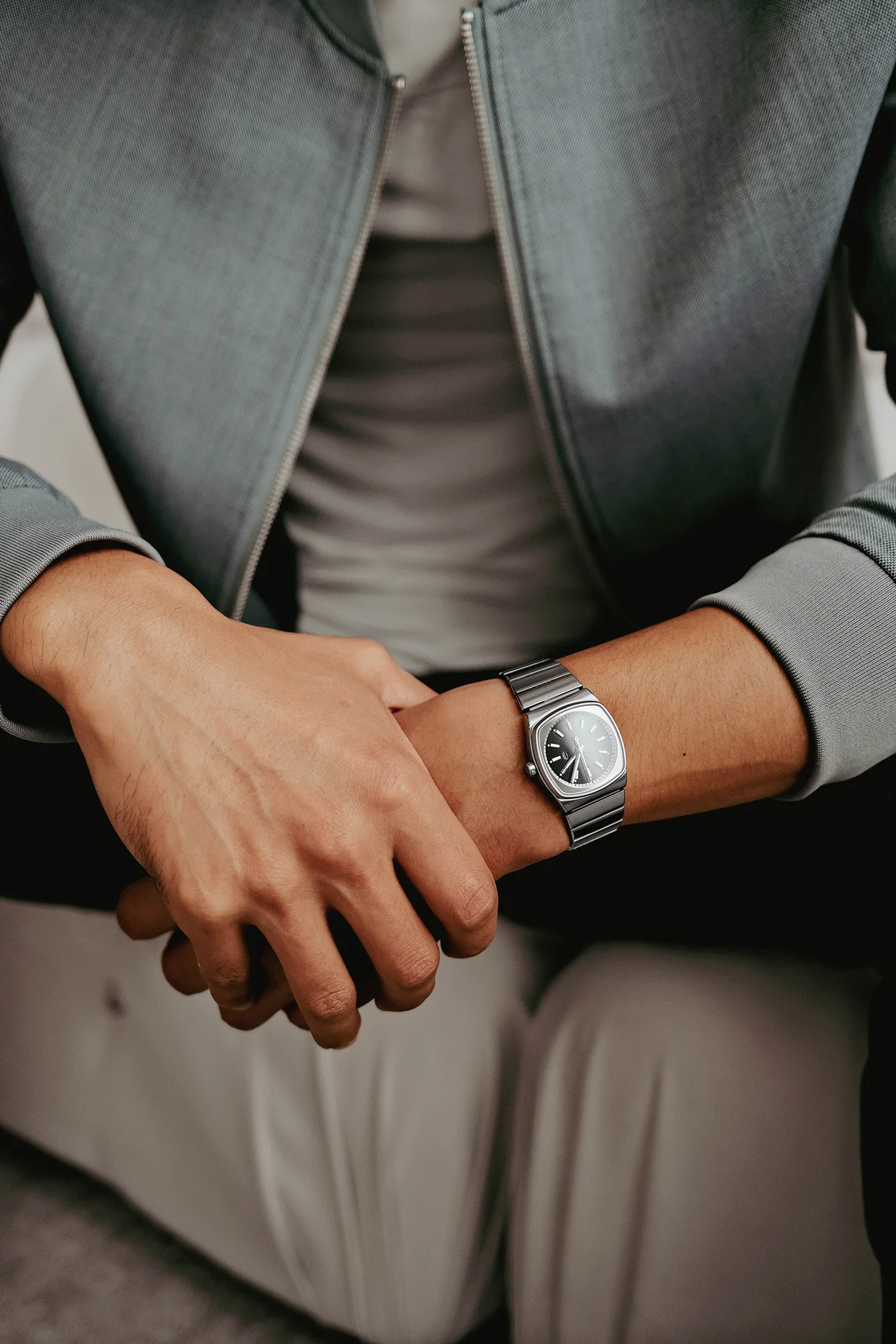
Brew approaches vintage inspiration from an entirely different direction. Rather than concentrating solely on traditional Swiss watchmaking, the New York based brand draws from coffee culture, industrial design and the graphic language of vintage chronographs. Its watches often possess distinctive cases, unusual dial layouts and playful proportions that make them immediately recognisable. There is a certain urban practicality to Brew’s approach, combining the visual drama of old chronographs with the irreverence of contemporary design.
And that may ultimately explain why these microbrands have become so interesting. They understand that originality does not necessarily require forgetting the past. Baltic looks to European vintage watchmaking, Fears draws upon British heritage, Lorier channels the golden age of sports watches, Nivada Grenchen resurrects genuine Swiss history and Brew transforms industrial and chronograph influences into something distinctly its own. Together, they make a rather persuasive argument that the future of horology may sometimes be found by looking backwards