How Wars Gave Birth To The Most Legendary Watch Designs
From muddy trenches to fighter cockpits and naval missions, discover how conflict transformed practical military tools into the world's most legendary watch designs
Luxury watch advertisements would have you believe their creations were born somewhere between a Swiss mountain, a leather armchair and a glass of exceptionally expensive whisky. Romantic, certainly. Completely misleading, though. Because some of the greatest watches ever strapped to a wrist weren’t conceived in glamorous boutiques or boardrooms. They were forged in mud, saltwater, freezing cockpits and battlefields where being late wasn’t embarrassing, it was fatal.
War has always accelerated innovation. It gave us radar, jet engines and countless technologies that quietly became part of everyday life. Watches were no exception. Soldiers, pilots, divers and military engineers demanded instruments that were tougher, clearer and more dependable than anything civilian watchmakers had ever imagined. The result wasn’t merely better military equipment. It was the blueprint for almost every major sports watch category collectors obsess over today. From the humble trench watch to the mighty dive watch, these legendary designs owe as much to conflict as they do to craftsmanship.
The Trench Watch Changed Timekeeping Forever
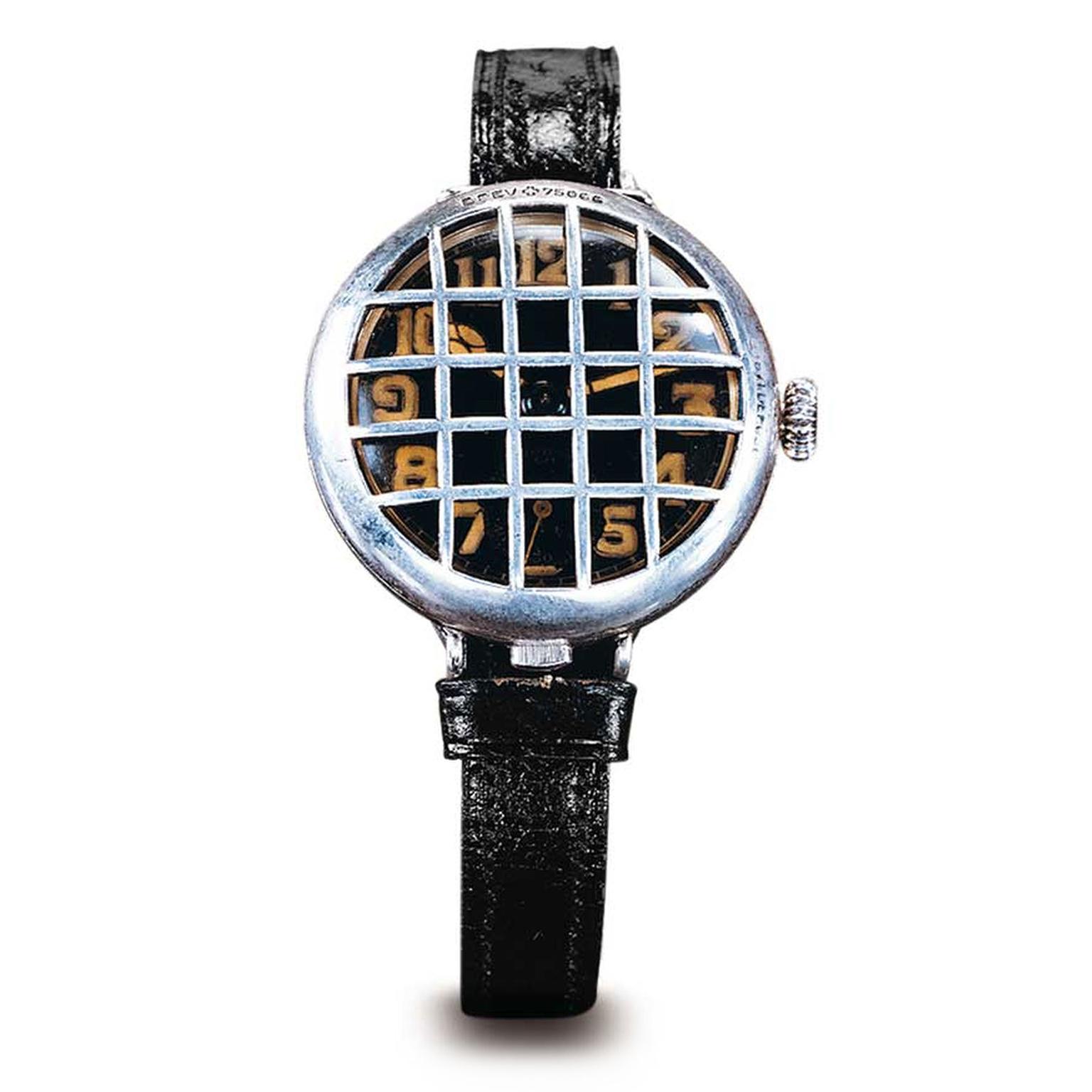
Before the First World War, gentlemen carried pocket watches neatly tucked into waistcoats. Elegant? Certainly. Practical when crawling through muddy trenches while carrying a rifle? Not remotely. Military officers began strapping pocket watches onto leather wrist straps so they could read the time instantly without removing their hands from their weapons. Watchmakers quickly adapted, creating purpose-built wristwatches with luminous numerals, protective wire lugs and sturdy cases that could survive the brutal conditions of trench warfare. The trench watch marked the birth of the modern wristwatch. What had once been dismissed as jewellery became an essential military instrument, forever changing how the world wore time.
Also Read: The Most Important Watch Movement From Every Country That Changed Horology Forever
Pilot Watches Were Built For The Sky
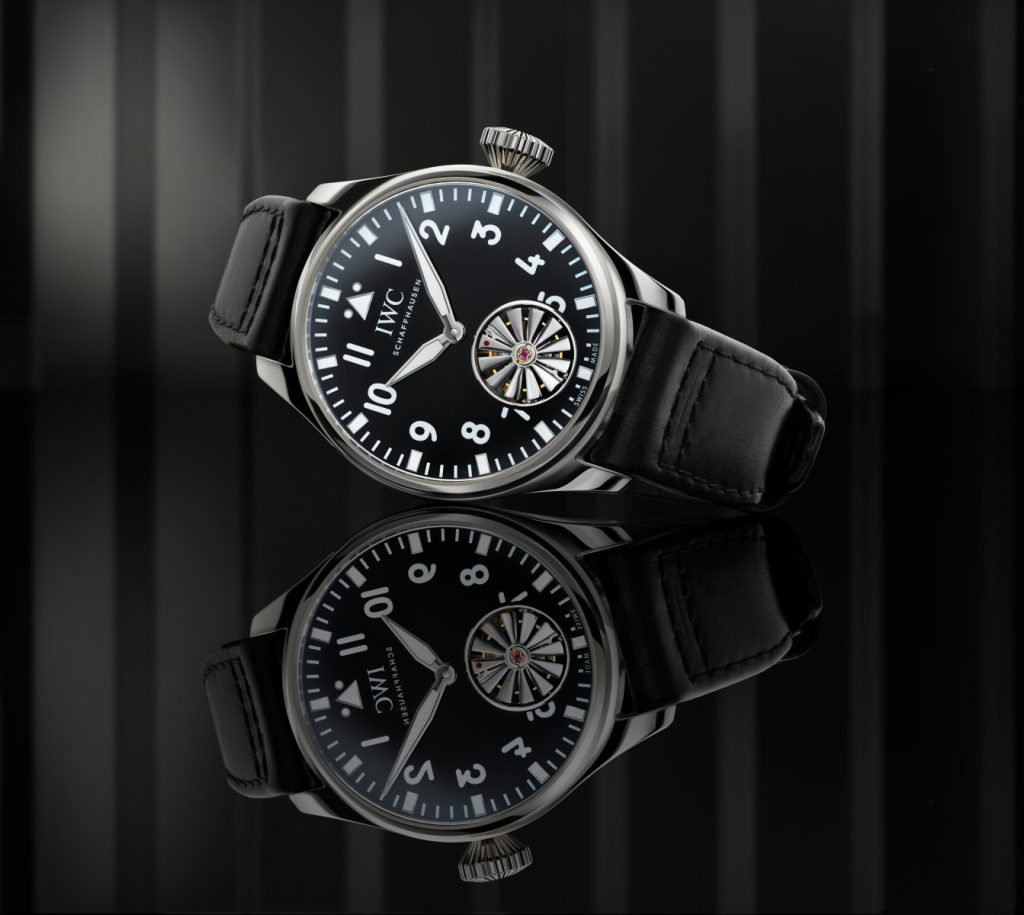
Early aviation introduced an entirely new problem. Pilots flying open cockpit aircraft couldn’t afford to fumble with tiny crowns or illegible dials while navigating at several thousand feet. Military aviation demanded oversized cases, enormous crowns that could be operated with gloves, highly luminous hands and bold Arabic numerals that remained readable at a glance. Long leather straps allowed watches to be worn over bulky flight jackets, while anti magnetic construction protected movements from cockpit instruments. What emerged was the unmistakable pilot watch, a design language that remains virtually unchanged today because functional perfection rarely requires reinvention.
Dive Watches Conquered The Deep
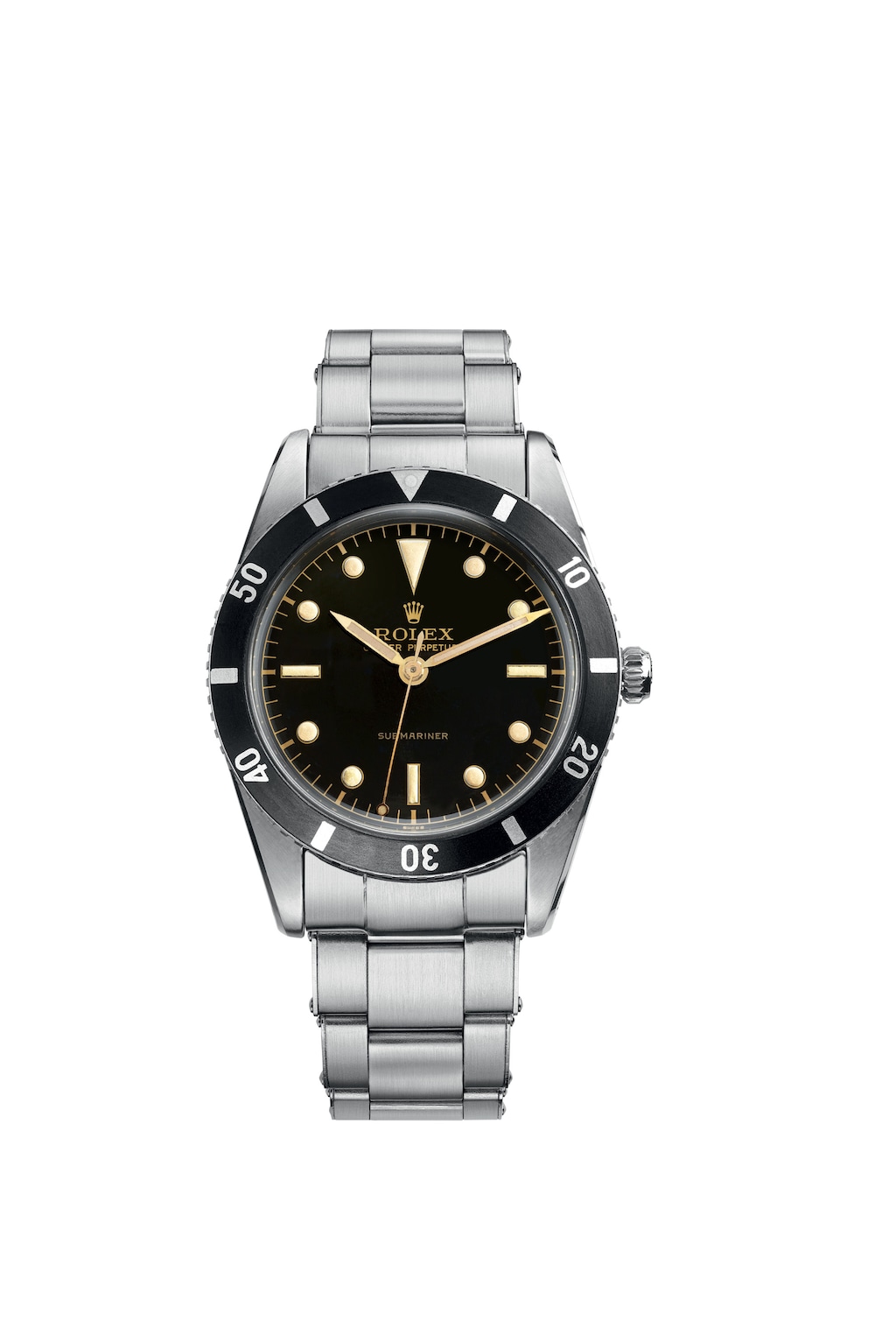
Long before recreational scuba diving became fashionable, military frogmen and naval divers required watches capable of surviving underwater operations where visibility was poor and timing could determine life or death. The answer came in the form of waterproof cases, screw down crowns, luminous markers and rotating bezels that allowed divers to monitor elapsed immersion time safely. Every element served a purpose, with no room for decoration or unnecessary complexity. Modern dive watches may spend more time peeking out beneath tailored shirt cuffs than descending beneath the ocean, but their rugged DNA remains rooted firmly in military necessity.
Field Watches Mastered Simplicity
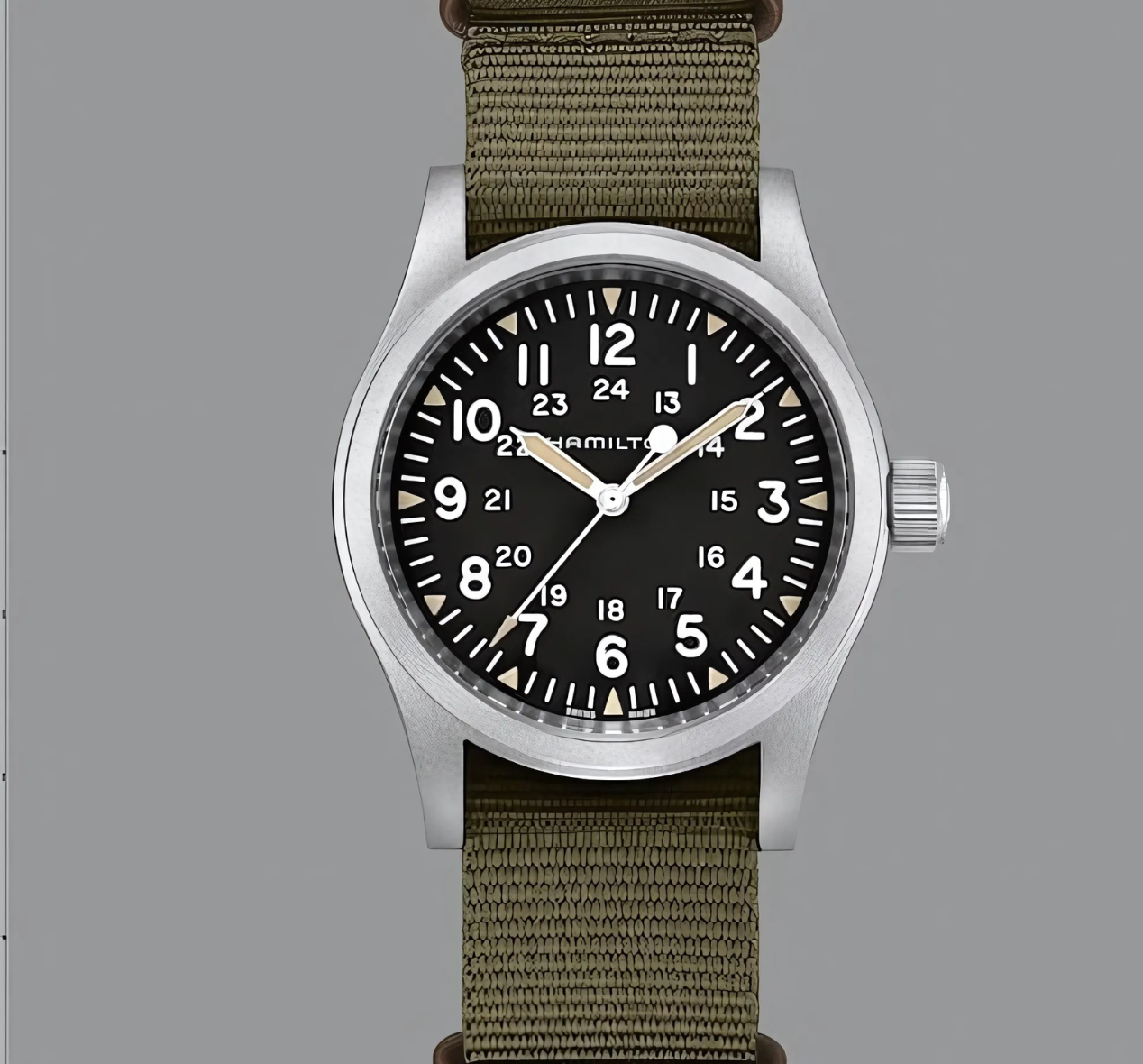
Not every soldier required a complicated instrument. Infantry troops needed something reliable, lightweight and incredibly easy to read while operating in forests, deserts and unpredictable terrain. Field watches embraced absolute clarity. Compact cases reduced weight, matte dials eliminated reflections, luminous numerals improved night visibility and robust hand wound movements prioritised dependability above all else. Every unnecessary flourish disappeared in favour of functionality. Even today, field watches remain among the purest expressions of utilitarian design, proving that genuine elegance often comes from knowing exactly what to leave out.
Military Chronographs Became Precision Instruments
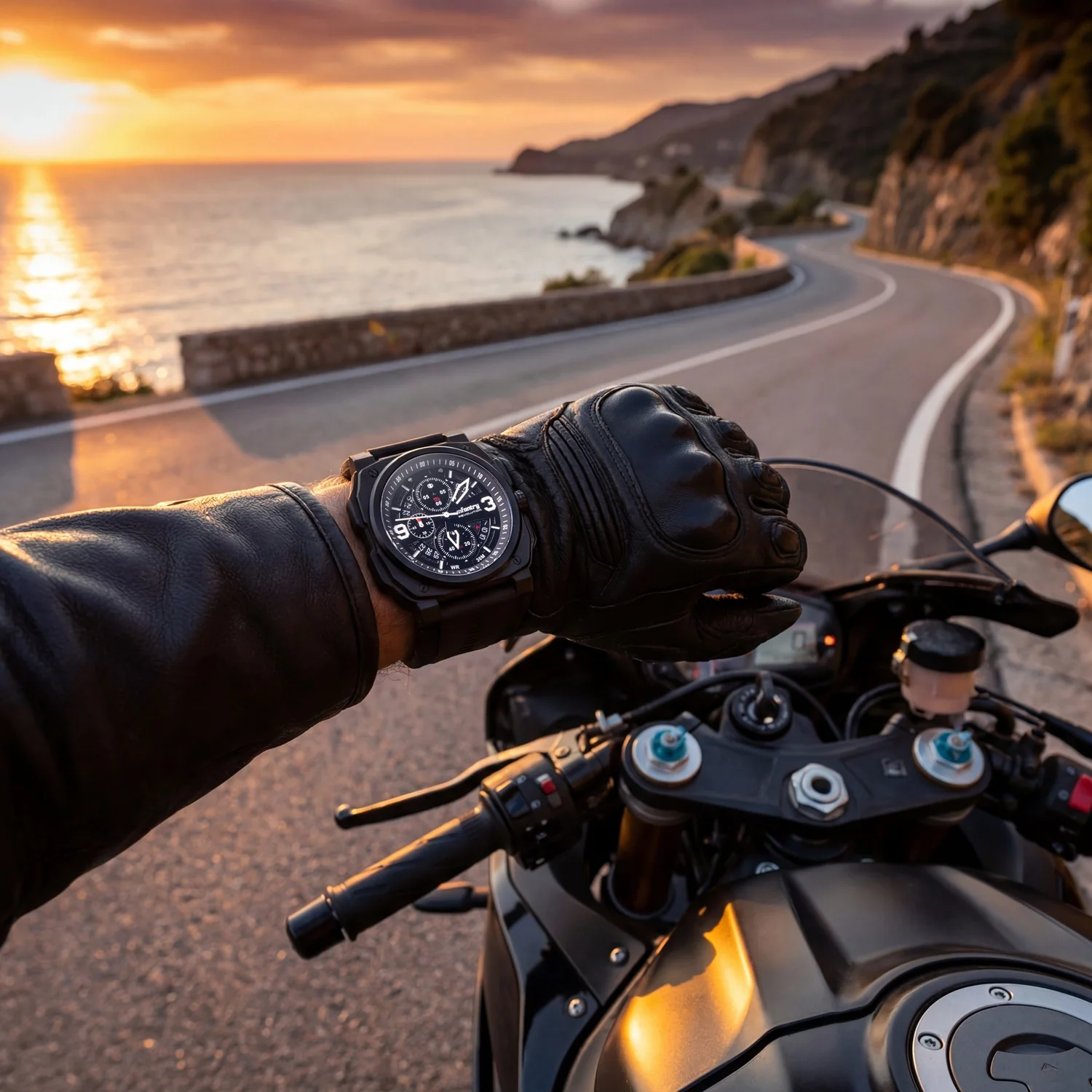
As warfare grew increasingly sophisticated, timing became just as important as navigation. Pilots coordinated bombing runs, artillery units calculated firing solutions and naval officers synchronised complex manoeuvres down to the second. Military chronographs evolved into specialised timing instruments featuring highly legible sub dials, large pushers for gloved operation and robust mechanical movements capable of enduring immense vibration and shock. Their ability to measure elapsed time with precision transformed them into indispensable battlefield tools. Modern chronographs may now time laps at racetracks or afternoon espresso breaks, but their lineage belongs unmistakably to military precision and operational excellence.