Pranav Saboo Interview: GPHG And Ethos Celebrate Contemporary Watchmaking In India
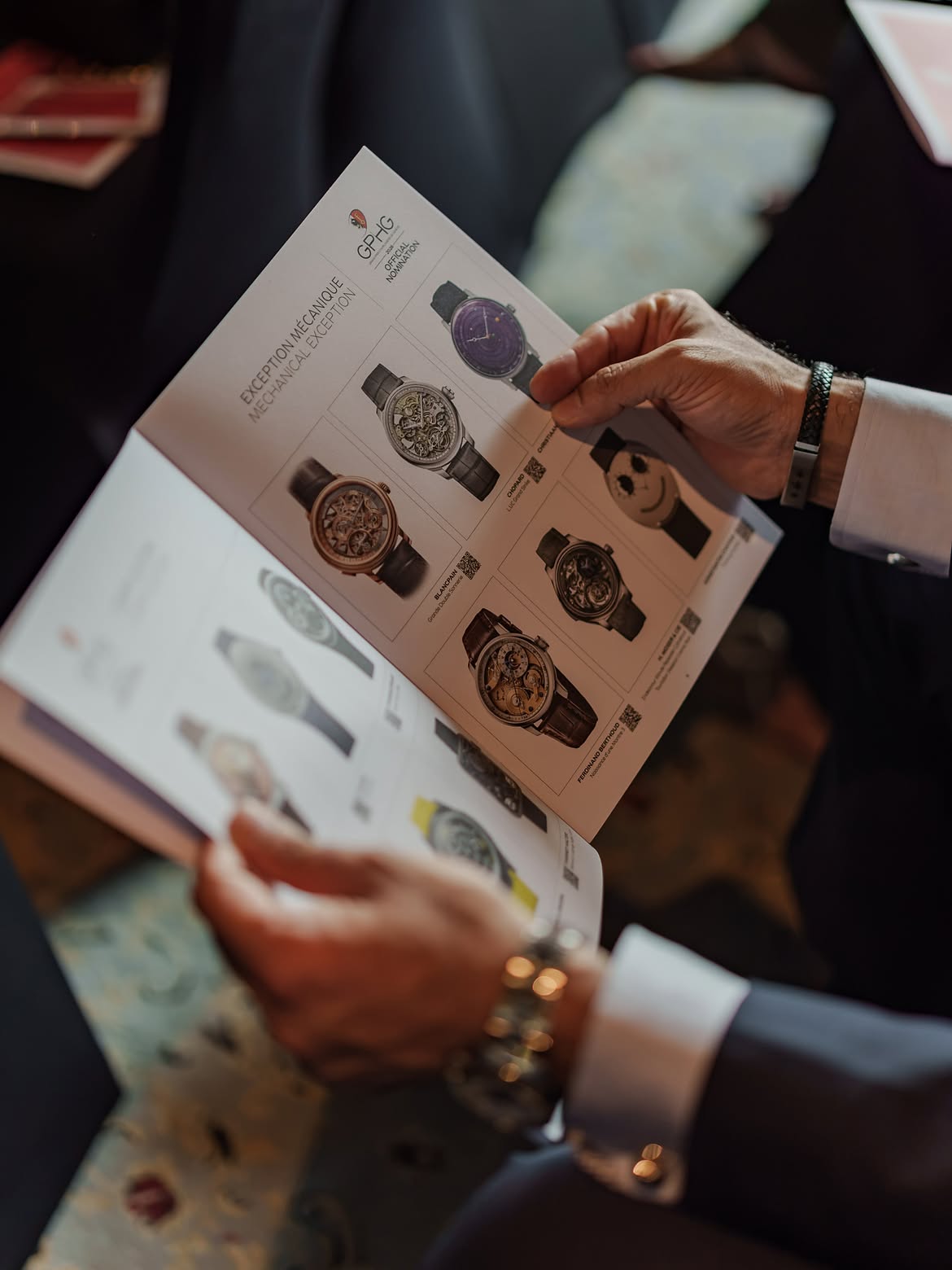
Often called the Oscars of watchmaking, the GPHG has now made its way to India, with Ethos bringing the exhibition to Delhi and Mumbai
Every November, the watchmaking world turns its attention to Geneva for the Grand Prix d’Horlogerie de Genève, an awards ceremony so influential within the industry that it has long been referred to, without much exaggeration, as the Oscars of watchmaking. Established in 2001, the GPHG has spent over two decades building a reputation as the single most authoritative voice on excellence in contemporary horology, with an independent jury evaluating everything from technical mastery and finishing to innovation and artistic expression across a growing number of categories each year. That distance has now closed considerably for Indian collectors, with the GPHG exhibition travelling to Delhi before making its way to Mumbai, bringing some of the year’s most significant timepieces within physical reach of an audience that has, by every account, been waiting for exactly this moment. Outlook Luxe had a conversation with Pranav Saboo, MD & CEO, Ethos Limited, on bringing the GPHG exhibition to India, his own seat on the GPHG jury, and what the exhibition’s Mumbai leg revealed about the depth and curiosity of India’s growing watch culture.
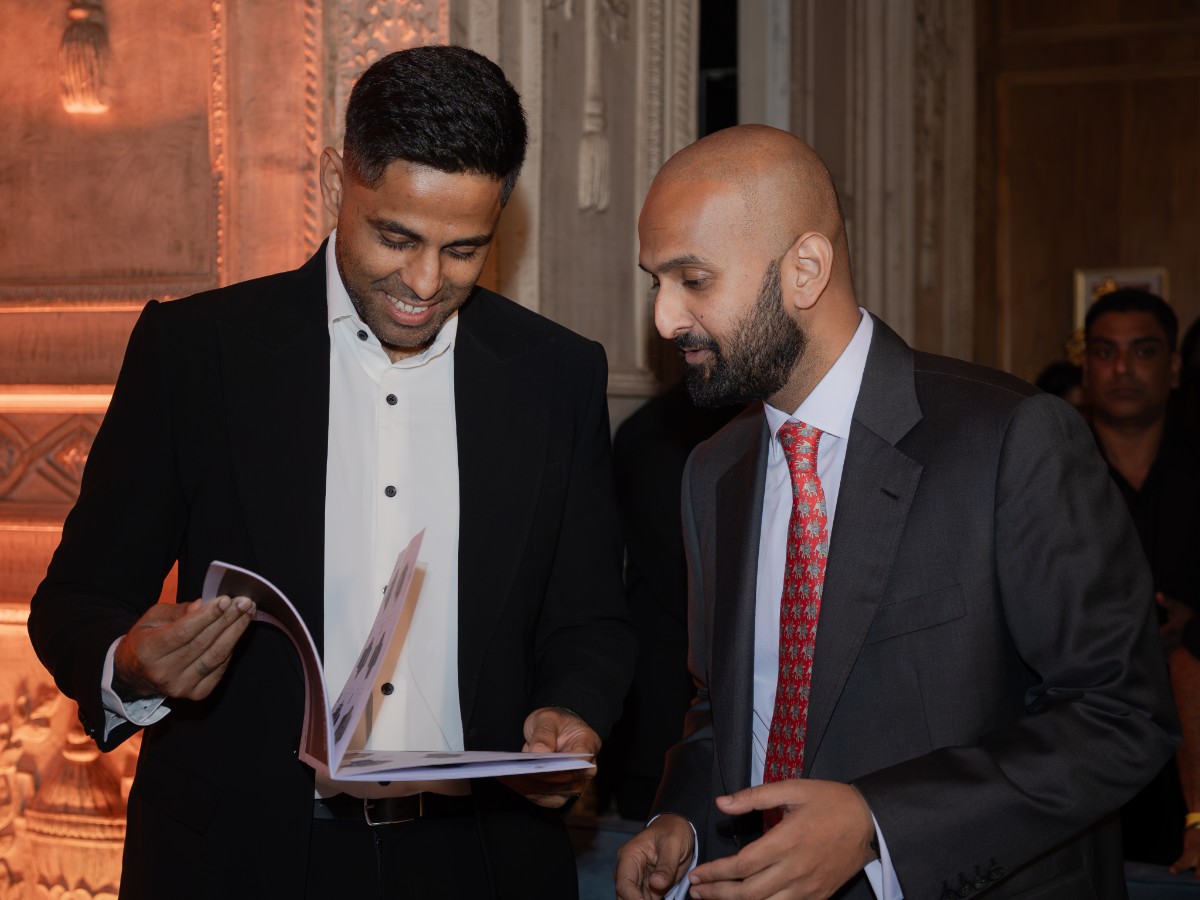
Ethos has now brought the GPHG exhibition to India. What does it mean, symbolically and practically, for the GPHG to plant a flag here, and why was this the right moment for it to happen?
Pranav Saboo: Symbolically, it is a recognition that India has become an important part of the global watchmaking conversation. For years, Indian collectors have been engaging deeply with fine watchmaking, but much of that activity remained underrepresented on the international stage. Hosting the GPHG exhibition here acknowledges that the market has matured and that there is a serious audience for horology in the country.
Practically, it gives collectors, enthusiasts and aspiring watch lovers direct access to some of the most important watches of the year. These are pieces that most people would otherwise only encounter through media or at international fairs. Bringing them to India helps foster appreciation, education and dialogue around contemporary watchmaking.
The timing feels right because the Indian market is experiencing unprecedented momentum. Demand is growing, collector knowledge is deepening, and brands are increasingly looking at India as a strategic market rather than an emerging one.
Also Read: 5 Timepieces That Define Old-Money Style
Walk us through how the conversation with GPHG actually began. What did it take to convince Geneva that India was ready to host this exhibition?
PS: The relationship developed over time through years of engagement with the global watch industry. As India’s visibility increased and Ethos continued to invest in building a culture around watch collecting, there was a natural opportunity to explore how India could participate more actively in global horological initiatives. What ultimately mattered was demonstrating that India had both the audience and the infrastructure.
The growth of the collector community, the increasing sophistication of clients, and the enthusiasm shown for educational and experiential watch events all helped make the case. The response from Geneva was very encouraging because they could clearly see the evolution taking place in the market.
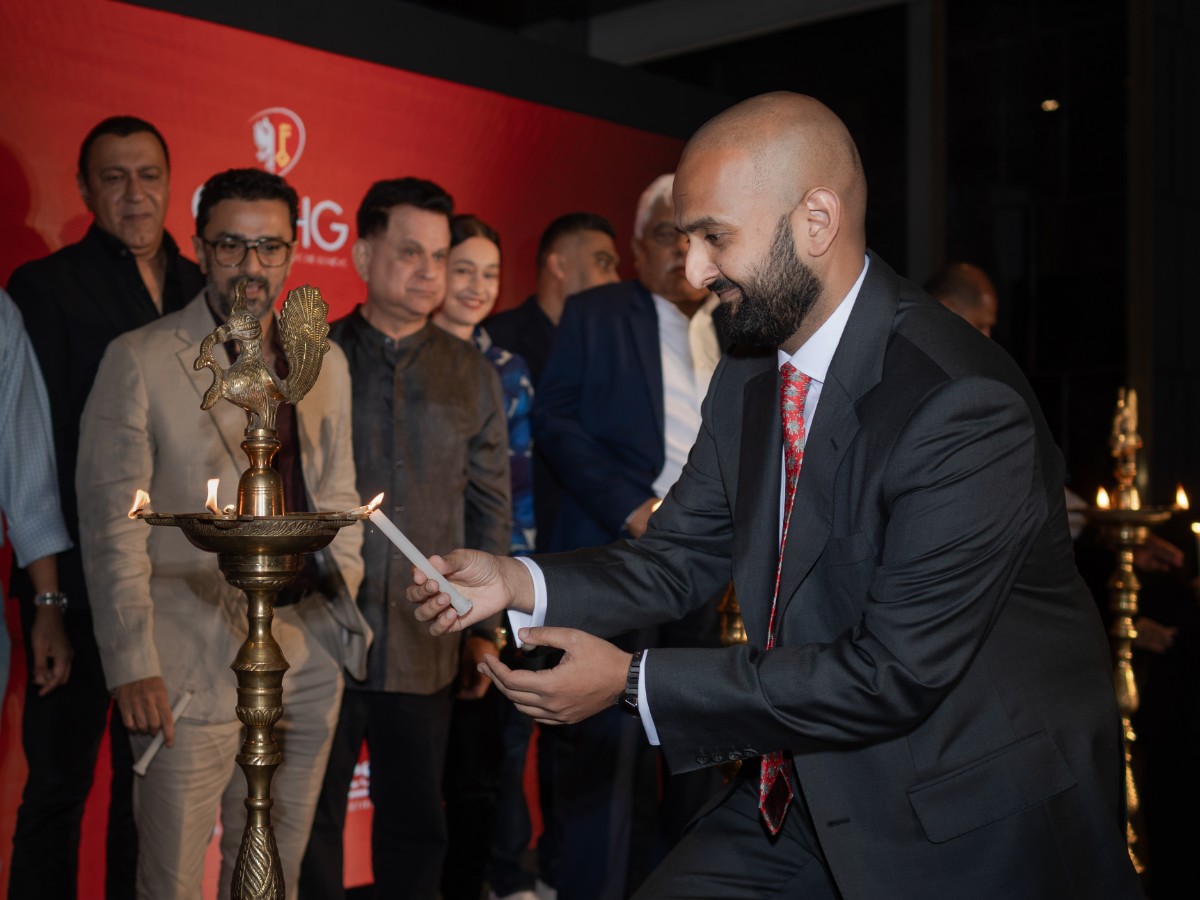
As a member of the GPHG Jury, what does the judging process actually look like from the inside, and how do you personally weigh craftsmanship against innovation when evaluating a watch?
PS: The process is rigorous and remarkably collaborative. Jurors come from diverse backgrounds across the watch ecosystem, and each brings a different perspective to the table. The discussions are often as enlightening as the watches themselves.
For me, craftsmanship and innovation are not opposing forces. The most compelling watches tend to excel at both. Craftsmanship provides legitimacy and execution, while innovation pushes the art forward. If a watch introduces something genuinely new but fails in execution, it falls short. Equally, perfect execution without originality can feel less impactful. The most memorable pieces achieve a balance between the two.
Sitting on that jury, what have you learned about how the definition of “excellence” in watchmaking is shifting, and are today’s criteria still the same ones that mattered a decade ago?
PS: Many core values remain unchanged—technical mastery, reliability, finishing and creativity continue to matter greatly. What has evolved is the breadth of what excellence can represent.
A decade ago, attention was often concentrated around traditional complications and classical expressions of watchmaking. Today, excellence can also mean inventive design, sustainability, new materials, unique artistic expression or fresh approaches to mechanical engineering. The industry has become more diverse, and that diversity is reflected in the watches being celebrated.
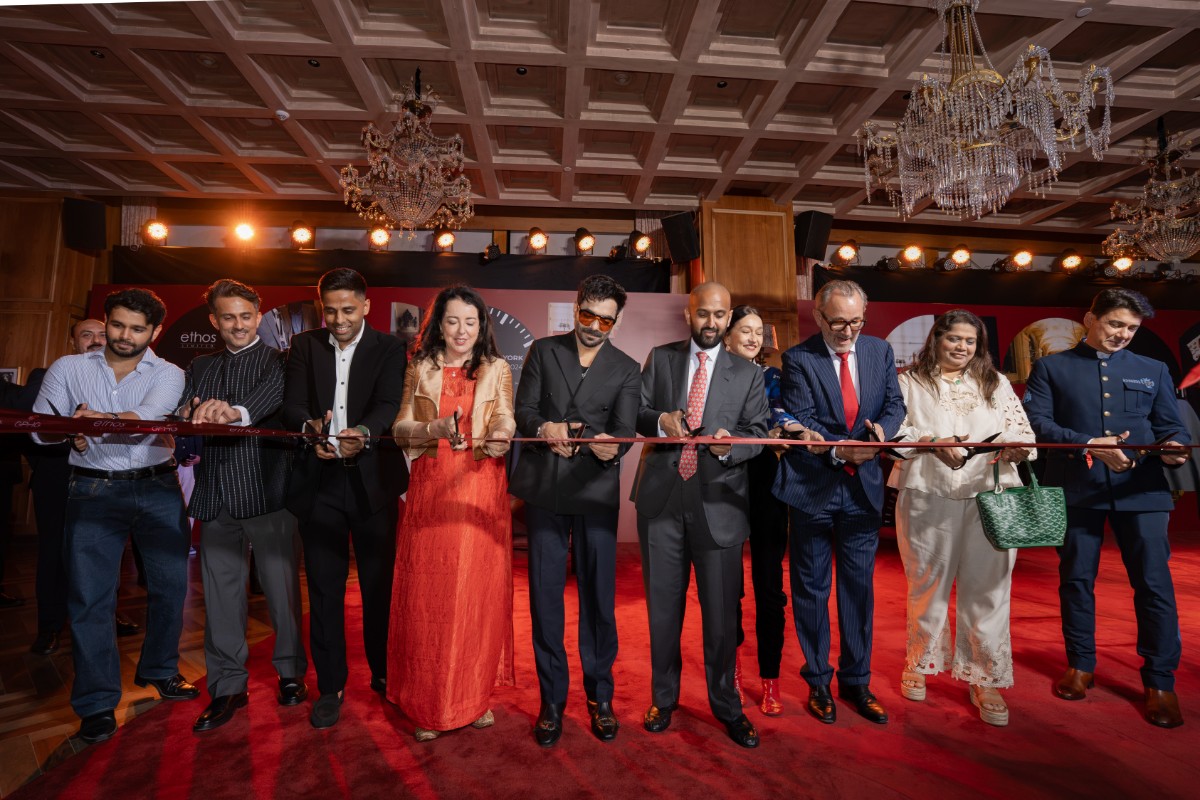
Fine watchmaking is often described as a conversation between heritage and innovation. From your jury vantage point, which side do you think is currently pulling harder, and where do you see that tension resolving?
PS: Innovation is certainly very visible today, but heritage remains the foundation that gives innovation meaning. Many of the most successful brands are those that understand how to evolve while remaining authentic to their identity.
Rather than a tension, I see it as a productive dialogue. Heritage provides continuity and credibility, while innovation keeps watchmaking relevant. The strongest watches are those that respect tradition while offering a genuinely contemporary perspective.
Ethos has crossed 100 boutiques across India. What does that number tell you about the shape of Indian demand today, compared to when Ethos first started out?
PS: Crossing 100 boutiques reflects the broadening and deepening of demand across the country. When Ethos began, luxury watch consumption was concentrated within a relatively small audience and limited to a few metropolitan centres.
Today, we are seeing strong interest across multiple cities, age groups and customer segments. More importantly, buyers are becoming increasingly informed. The growth is not just quantitative; it is qualitative. Customers are asking better questions, exploring more brands and building collections with greater intention.
Which cities or regions have surprised you most in terms of appetite for luxury watches, and has that changed how Ethos thinks about where to open next?
PS: Several non-metro markets have demonstrated remarkable enthusiasm for fine watchmaking. Cities that were once considered secondary luxury markets are now generating meaningful demand and producing highly engaged collectors. This has certainly influenced our expansion strategy. We increasingly evaluate markets based on the quality and depth of engagement rather than relying solely on traditional assumptions about luxury consumption.
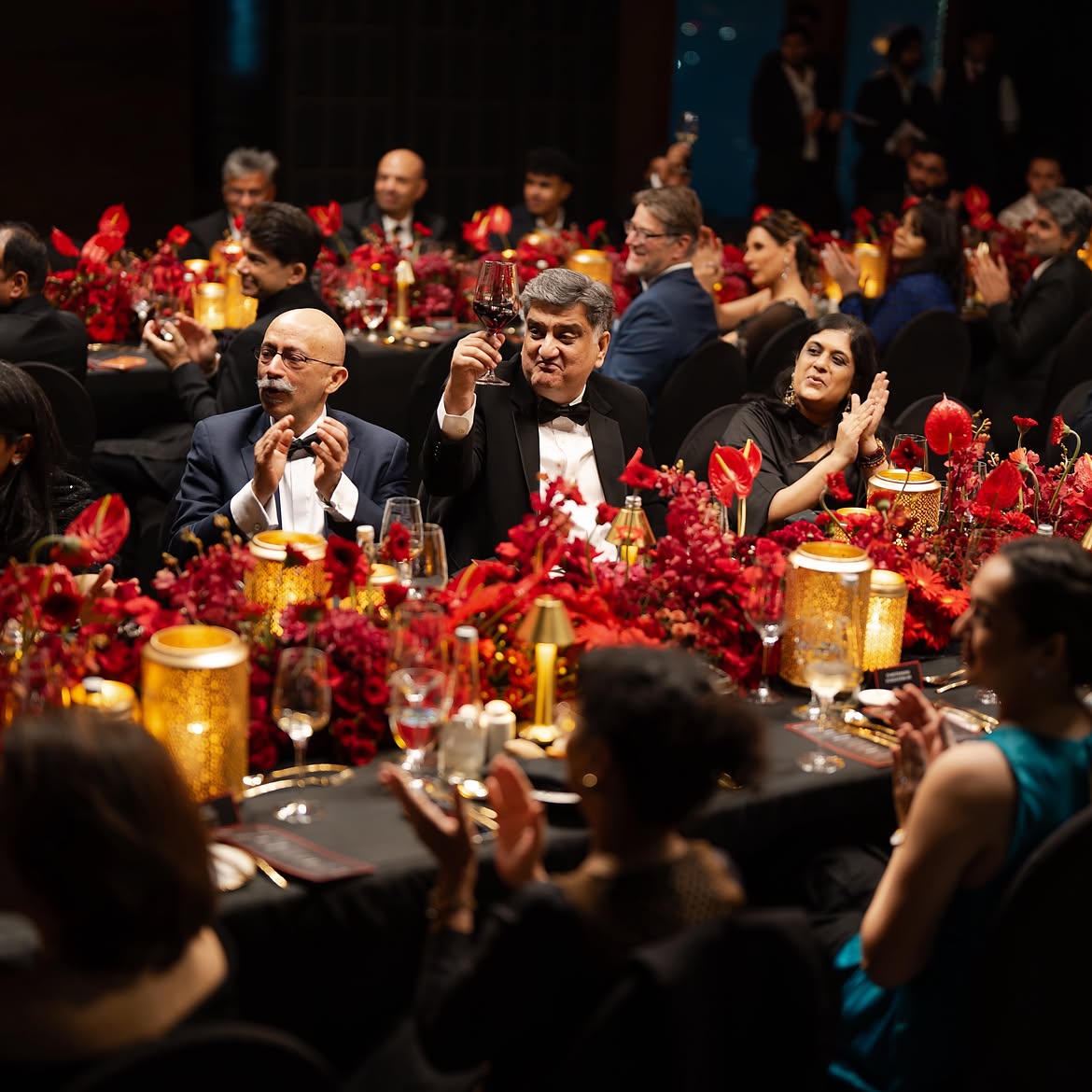
As Ethos has scaled, how have you worked to preserve the sense of personal service and discovery that a first-time watch buyer needs, even as the network has grown this large?
PS: Scale only creates value if it enhances the customer experience. We have always believed that buying a watch should be a deeply personal journey. Our focus has been on investing in training, education and long-term client relationships. Whether someone is purchasing their first watch or adding to an established collection, the objective remains the same: to understand their interests, guide them thoughtfully and help them discover something meaningful.
Bringing global maisons into India isn’t just a retail exercise, it involves building trust with brands who are protective of how and where they are presented. What has that negotiation typically looked like from Ethos’ side?
PS: Trust is built through consistency and long-term commitment. Brands want partners who understand their values and can represent them with integrity. Our approach has always been to invest in the ecosystem rather than focus solely on transactions. That means creating the right environments, educating clients, supporting brand storytelling and maintaining high standards across every touchpoint. Over time, those efforts help establish credibility and confidence.
How would you describe the profile of the Indian luxury watch collector today, and how different is that person from the one Ethos was selling to when the company began?
PS: Today’s collector is significantly more informed and globally connected. They consume content from around the world, participate in online communities and often arrive with a sophisticated understanding of brands, references and watchmaking. Earlier, purchasing decisions were often driven by status and recognition. While those factors still exist, there is now a much stronger appreciation for craftsmanship, independent watchmaking and the stories behind the products.
Also Read: Gandhi Jayanti: The Story Behind Mahatma Gandhi’s Zenith Pocket Watch
Independent watchmaking has been having a moment globally. How much of that appetite do you see reflected in Indian collectors, and is Ethos actively working to bring more independents into the country?
PS: We are definitely seeing growing interest in independent watchmaking. As collectors become more knowledgeable, they naturally begin looking beyond mainstream choices and exploring brands with unique philosophies and creative approaches. India’s collector community has become increasingly receptive to these conversations. We continue to explore opportunities that allow enthusiasts here to discover a broader spectrum of watchmaking while ensuring that the brands we introduce align with long-term demand and support structures.
With the GPHG exhibition, your jury seat and the retail milestone all converging, how do you see India’s position on the global horological map five years from now?
PS: I believe India will become one of the most important growth markets for fine watchmaking globally. Beyond the commercial opportunity, I think India will also become a significant centre for collector culture, education and community building. The market is still relatively young compared to some established regions, which means there is tremendous room for growth. The trajectory we are seeing today gives me confidence that India’s influence within global horology will continue to expand.
If you had to identify the single biggest gap that still exists between India’s luxury watch market and more mature markets like Switzerland, Japan or the US, what would it be?
PS: The biggest gap is simply maturity. Markets like Switzerland, Japan and the United States have generations of collecting culture behind them. India is developing that culture rapidly, but it takes time for traditions, scholarship, secondary markets, collector networks and institutional knowledge to evolve. The encouraging part is that the pace of development today is significantly faster than it was even a decade ago.
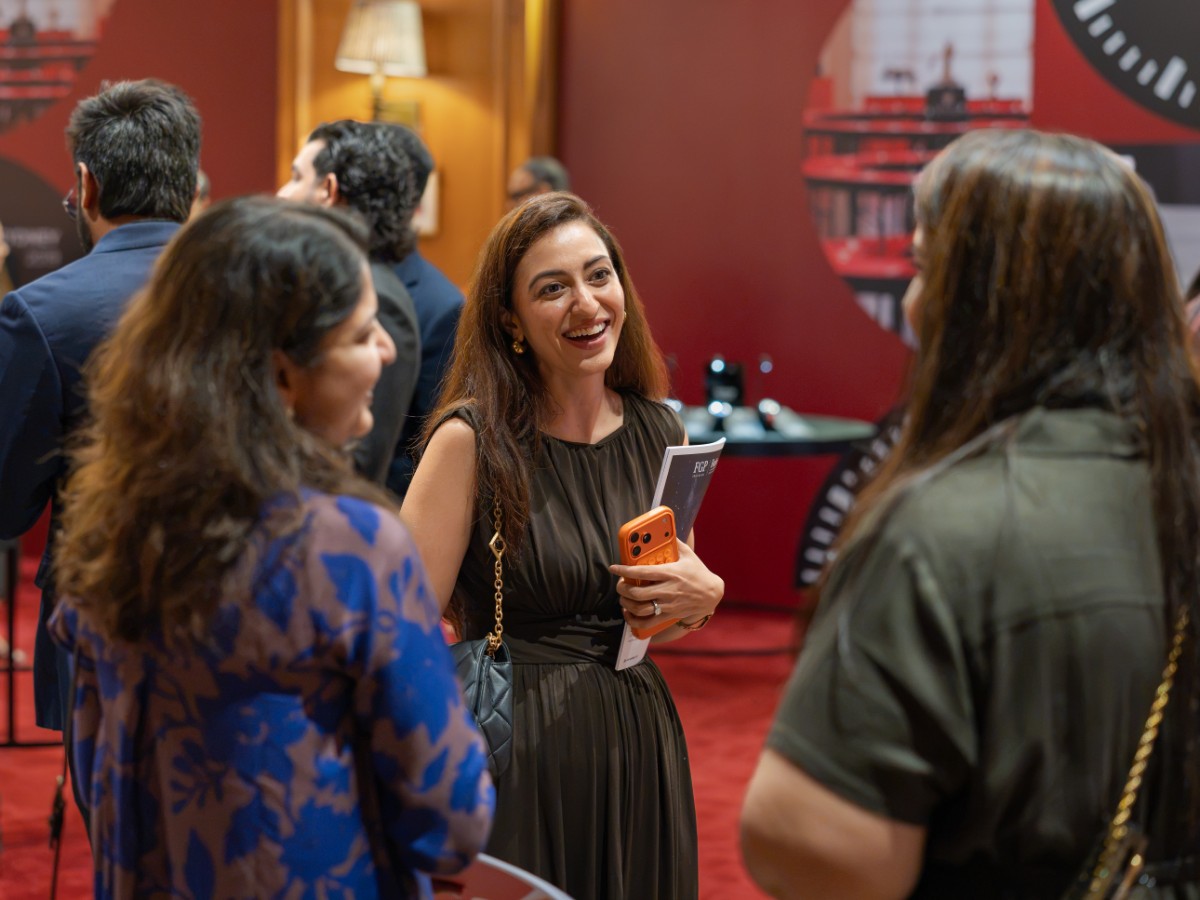
The GPHG exhibition has now travelled to both Delhi and Mumbai. Beyond the cities themselves, what did the two audiences reveal to you, in terms of who showed up, what drew their attention, and how differently they engaged with the watches on display?
PS: What stood out most was the diversity of the audience. We saw seasoned collectors, industry professionals, young enthusiasts and individuals who were discovering fine watchmaking for the first time. Delhi audiences often engaged through conversations around craftsmanship, rarity and collecting, while Mumbai visitors showed strong interest in design, innovation and the broader cultural context of watchmaking. Of course, there was significant overlap, but together the two cities demonstrated how wide and sophisticated the interest in horology has become in India.
Perhaps the most encouraging takeaway was the curiosity. People were not just looking at watches; they wanted to understand the stories, the mechanics and the ideas behind them. That level of engagement is a very positive sign for the future of watch culture in India.