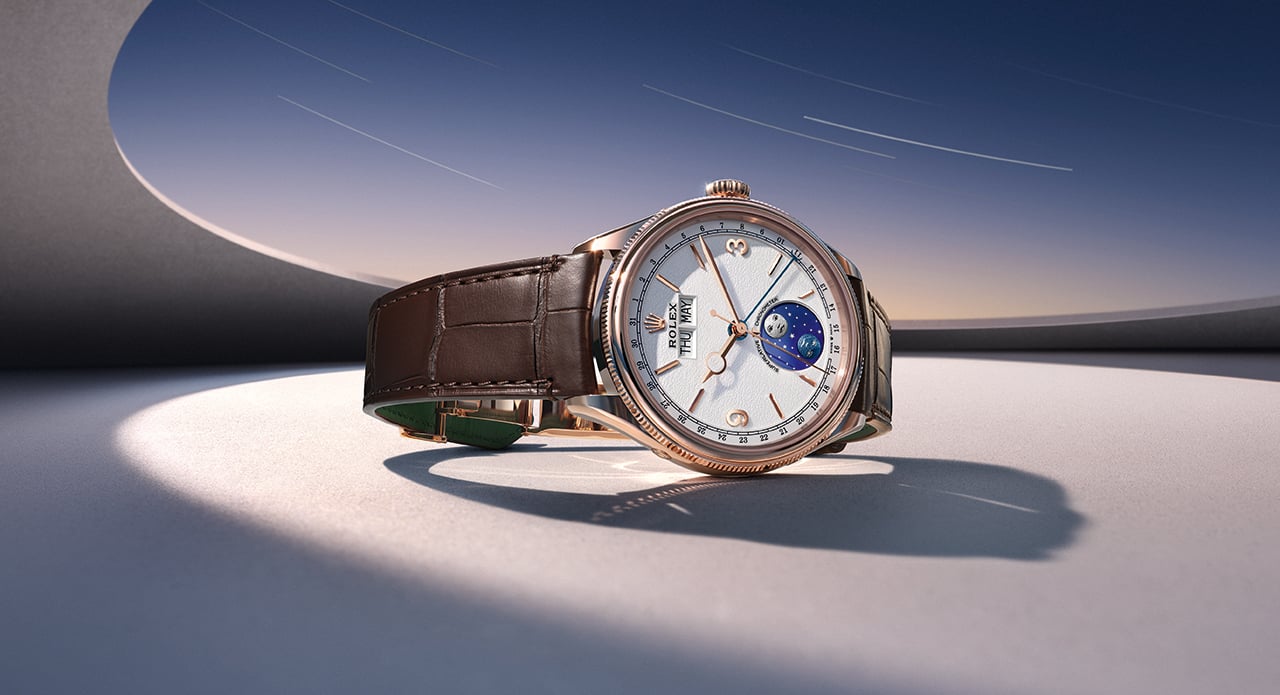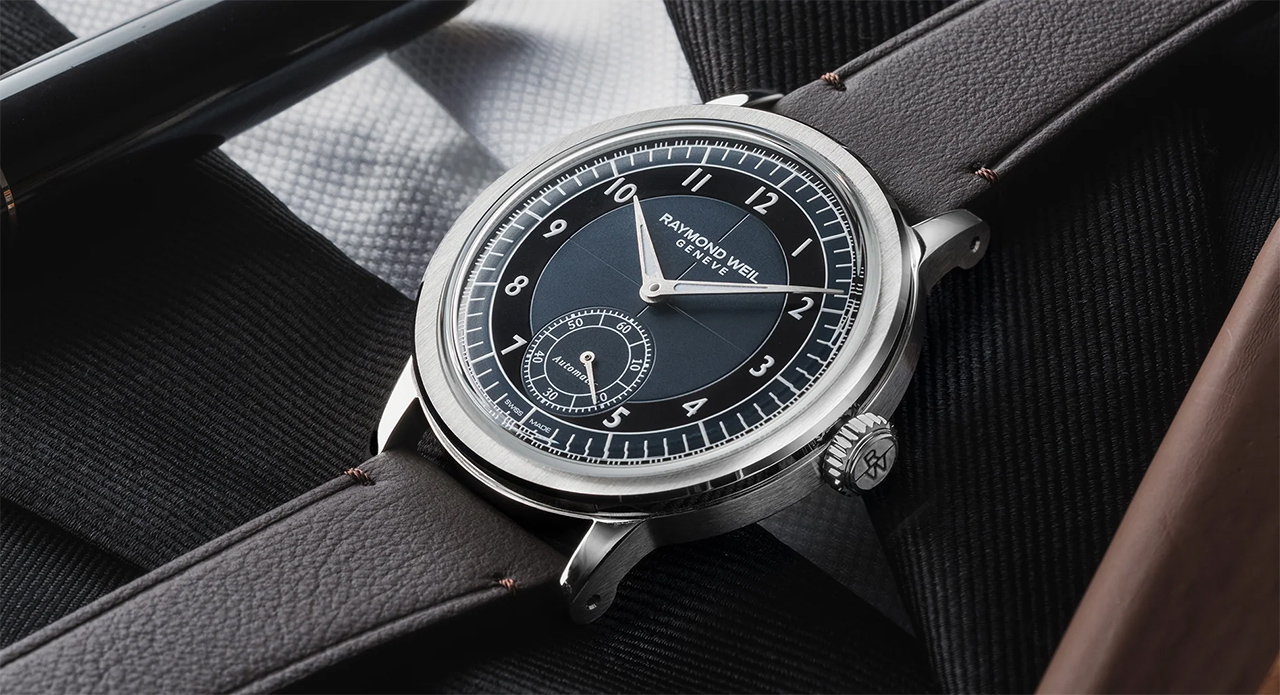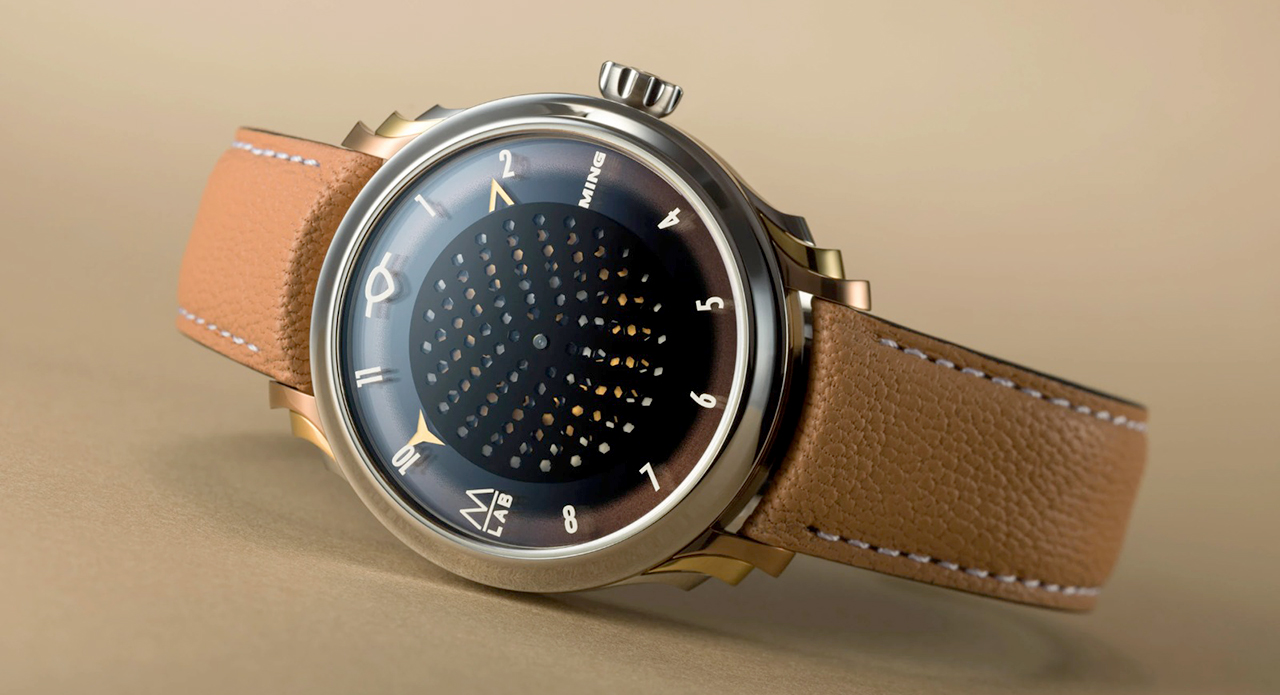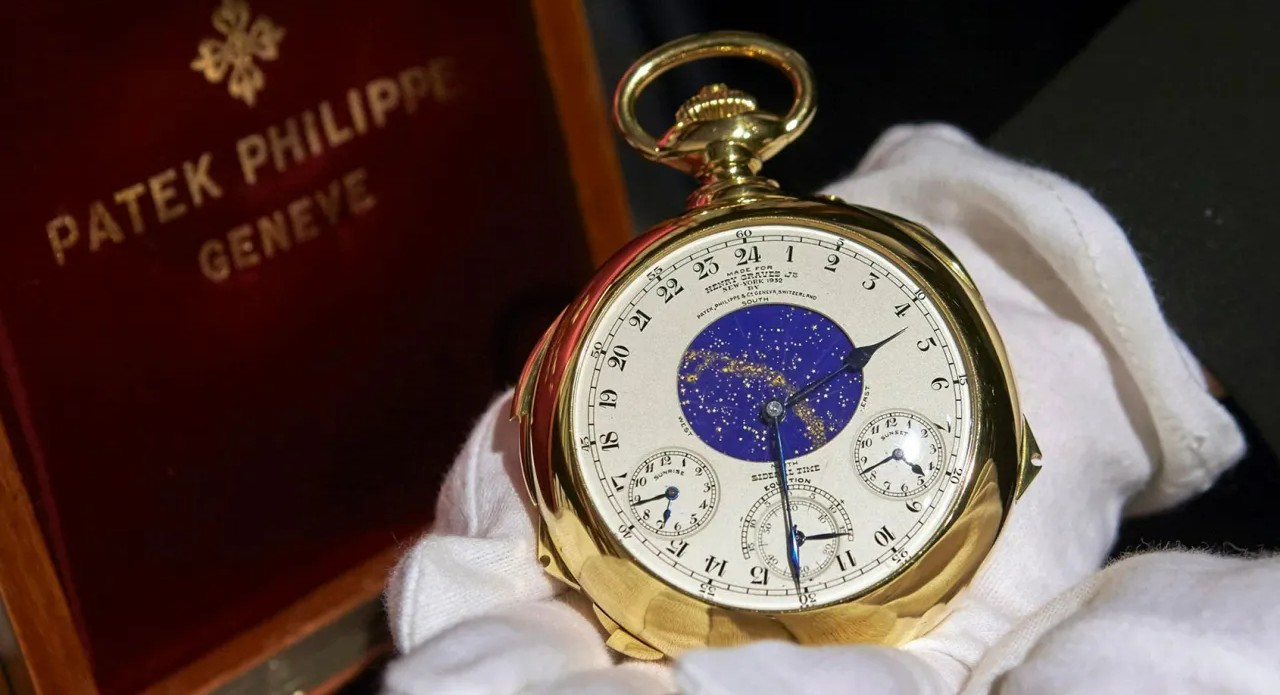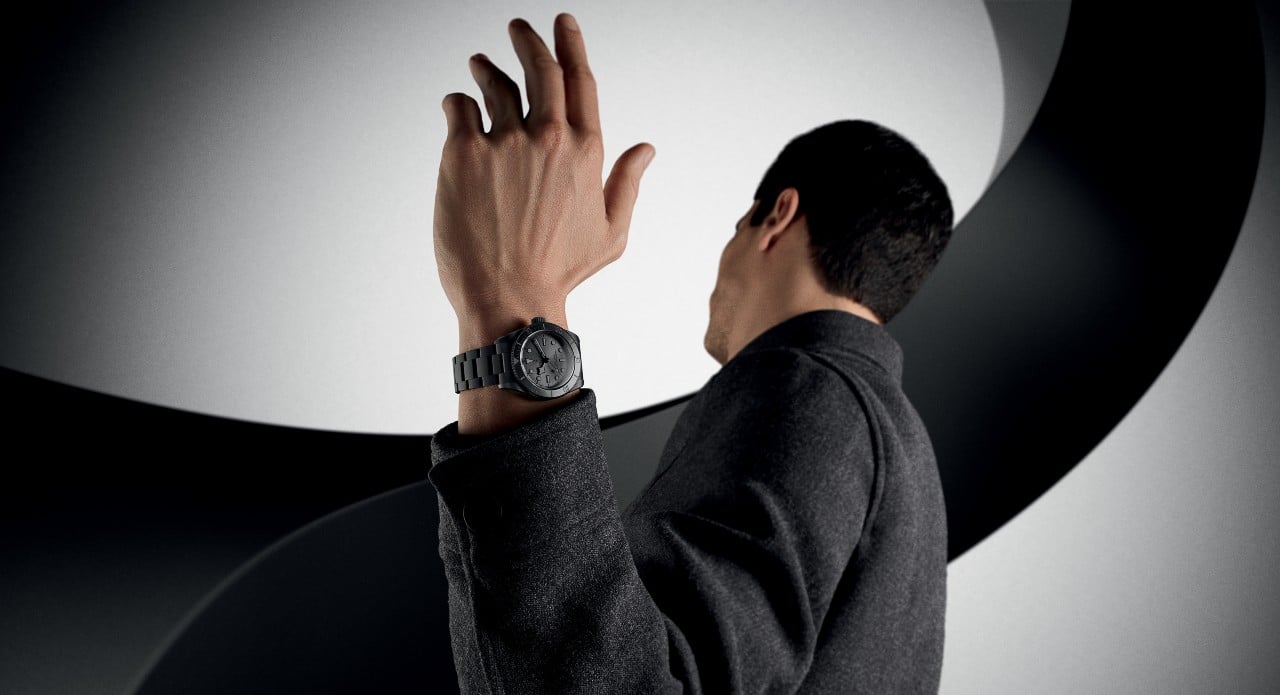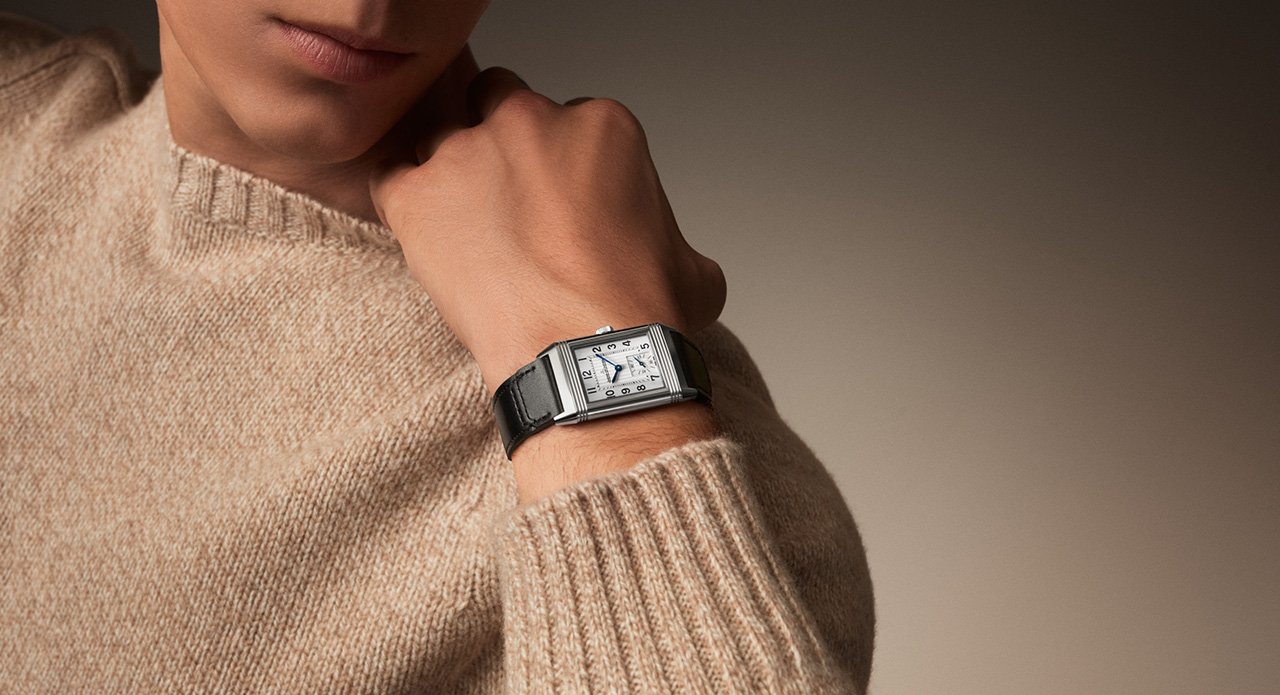


Old money has never been a bank balance so much as a disposition, a way of carrying wealth so settled and unselfconscious that it rarely feels the need to prove itself. It is inherited rather than announced, expressed through fabric, posture and restraint rather than logos, and it has, in recent years, found a renewed cultural vocabulary under the banner of “quiet luxury,” a term coined for an aesthetic that has, in truth, existed for well over a century. At its core, this philosophy insists that true refinement whispers rather than shouts, favouring provenance, craftsmanship and longevity over anything engineered to be instantly recognisable from across a room. Nowhere is that philosophy more precisely expressed than on the wrist, where a handful of timepieces have, across generations, become the unofficial uniform of those who have never needed to try. Outlook Luxe takes a look at five timepieces that define old-money style, watches chosen not for their size or their shine, but for a kind of understated permanence that has outlasted nearly every passing trend fashion has thrown at it, and in doing so, quietly earned the right to be called timeless.
Patek Philippe Calatrava
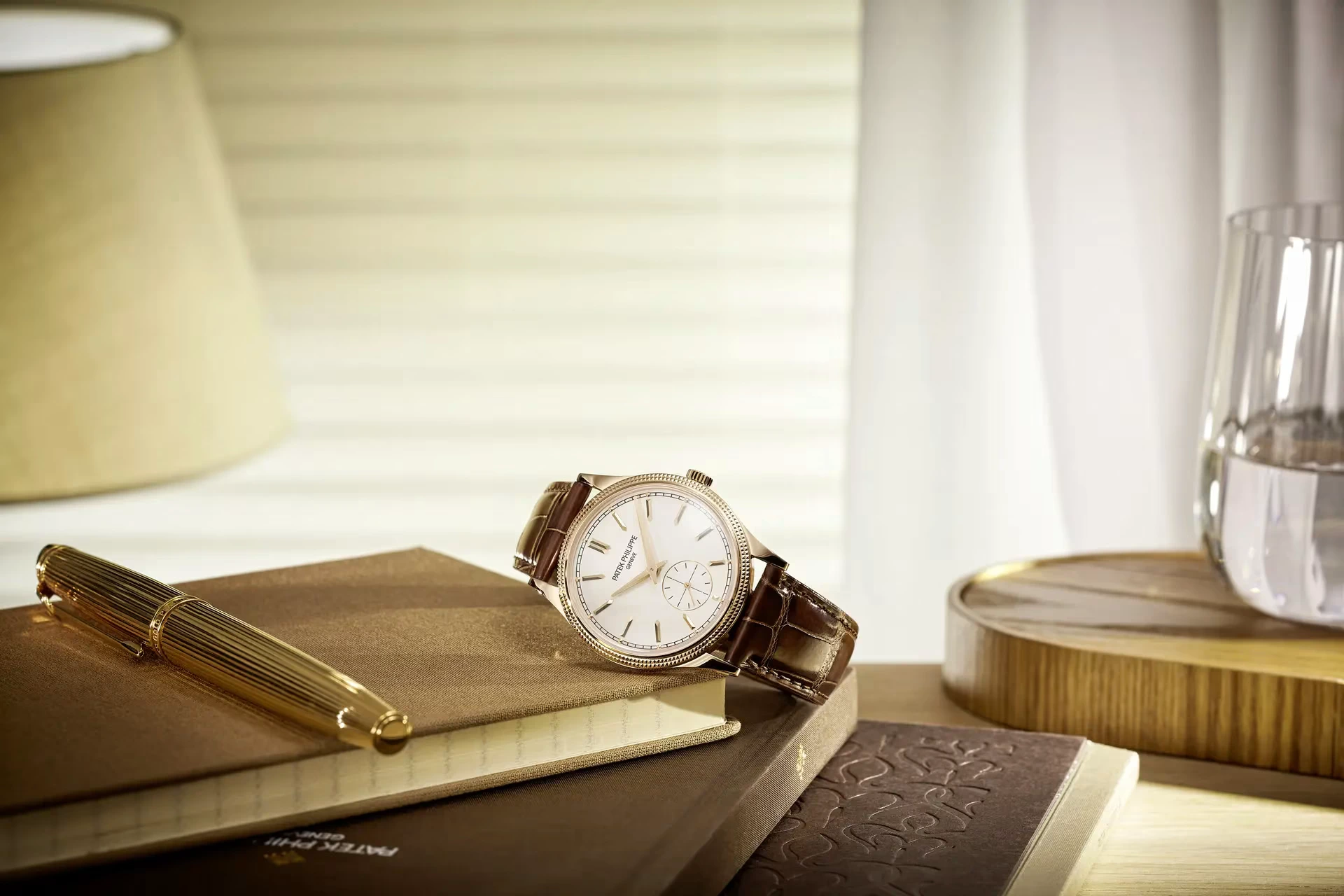
First introduced in 1932, the Calatrava effectively defined what a dress watch should look like for the entire century that followed. Designed under the influence of Bauhaus minimalism, its clean round case, slim bezel and uncluttered dial were a deliberate departure from the more ornate pocket-watch aesthetics that preceded it, embodying pure simplicity, timeless elegance and the finest Genevan craftsmanship. It remains, nearly a century later, the reference point against which every other minimalist dress watch is still measured.
Vacheron Constantin Patrimony
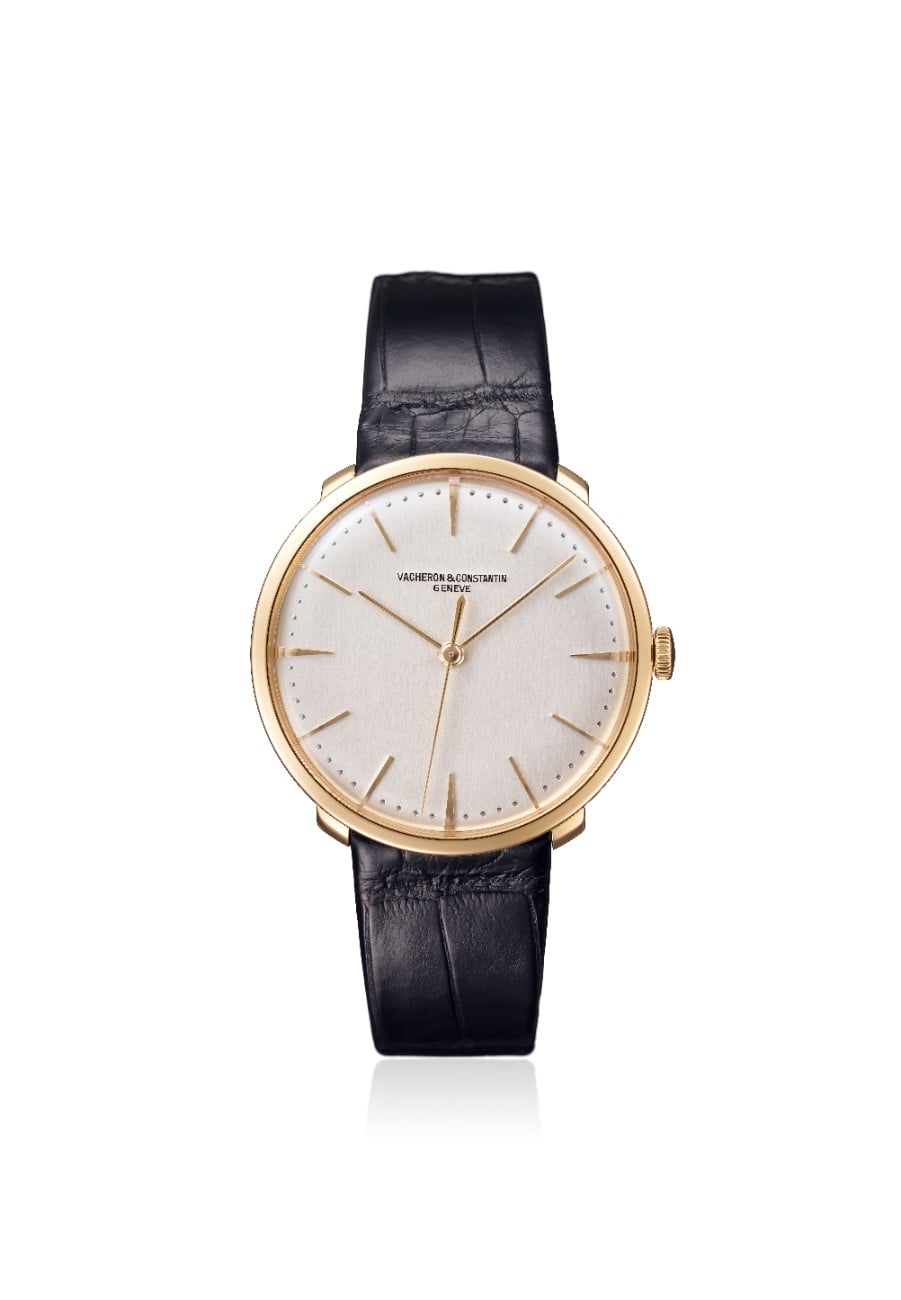
As one of the oldest continuously operating watch manufacturers in the world, with roots stretching back to 1755, Vacheron Constantin built the Patrimony collection as a direct expression of its own traditional, pared-back design language. Round, minimalist and almost deliberately unshowy, the Patrimony stands as a prime example of quiet luxury executed by a maison with little left to prove, its appeal resting entirely on proportion, finishing and heritage rather than any single standout feature.
Also Read: Gandhi Jayanti: The Story Behind Mahatma Gandhi’s Zenith Pocket Watch
A. Lange & Söhne Cabaret
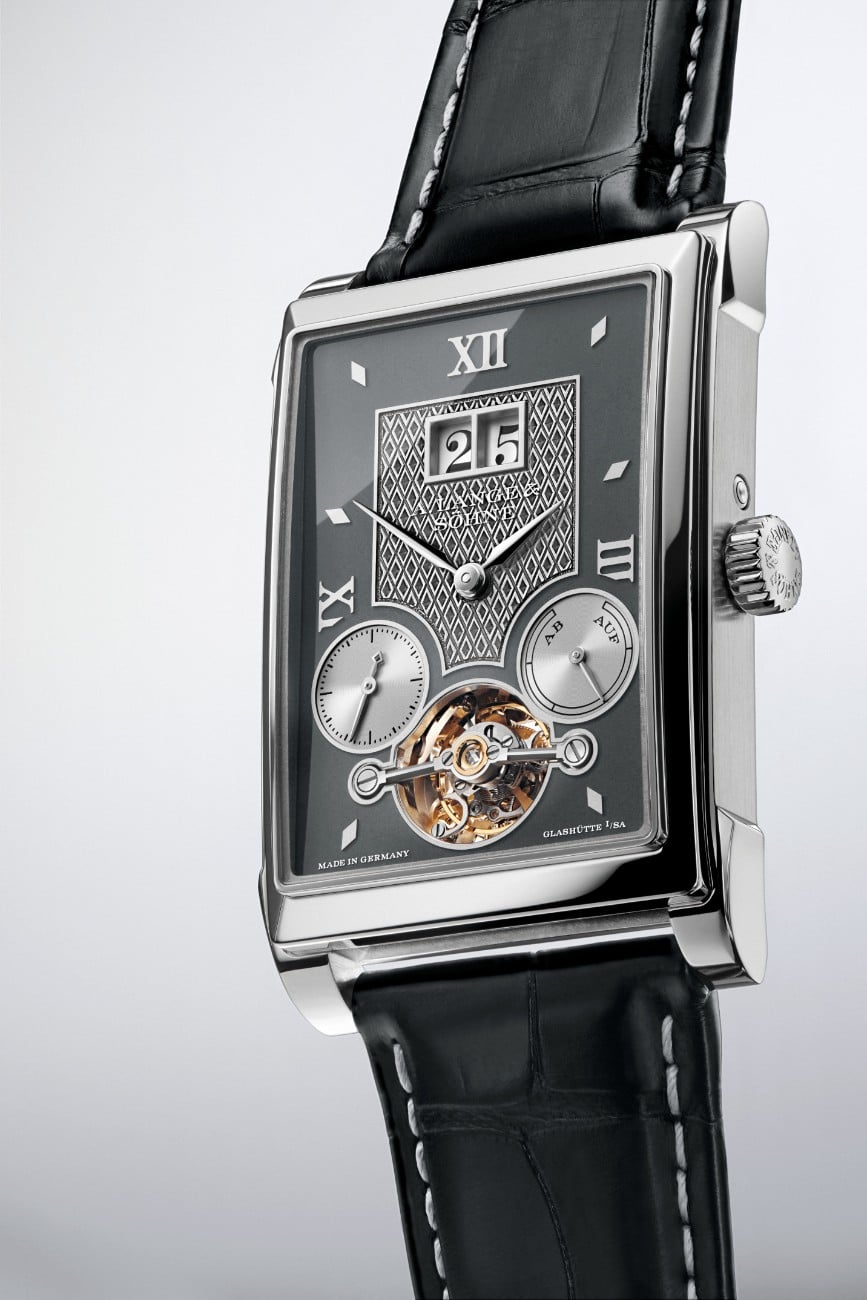
Revived after German reunification brought the historic Glashütte manufacture back to life in 1990, A. Lange & Söhne built its modern reputation on movements finished to a standard that rivals, and in collector circles sometimes surpasses, its Swiss contemporaries. The Cabaret, with its distinctive rectangular case, represents a genuine milestone in the brand’s design language, combining classical severity with simple elegance in a shape that stands apart from the round dress watches that dominate the category.
Jaeger-LeCoultre Reverso
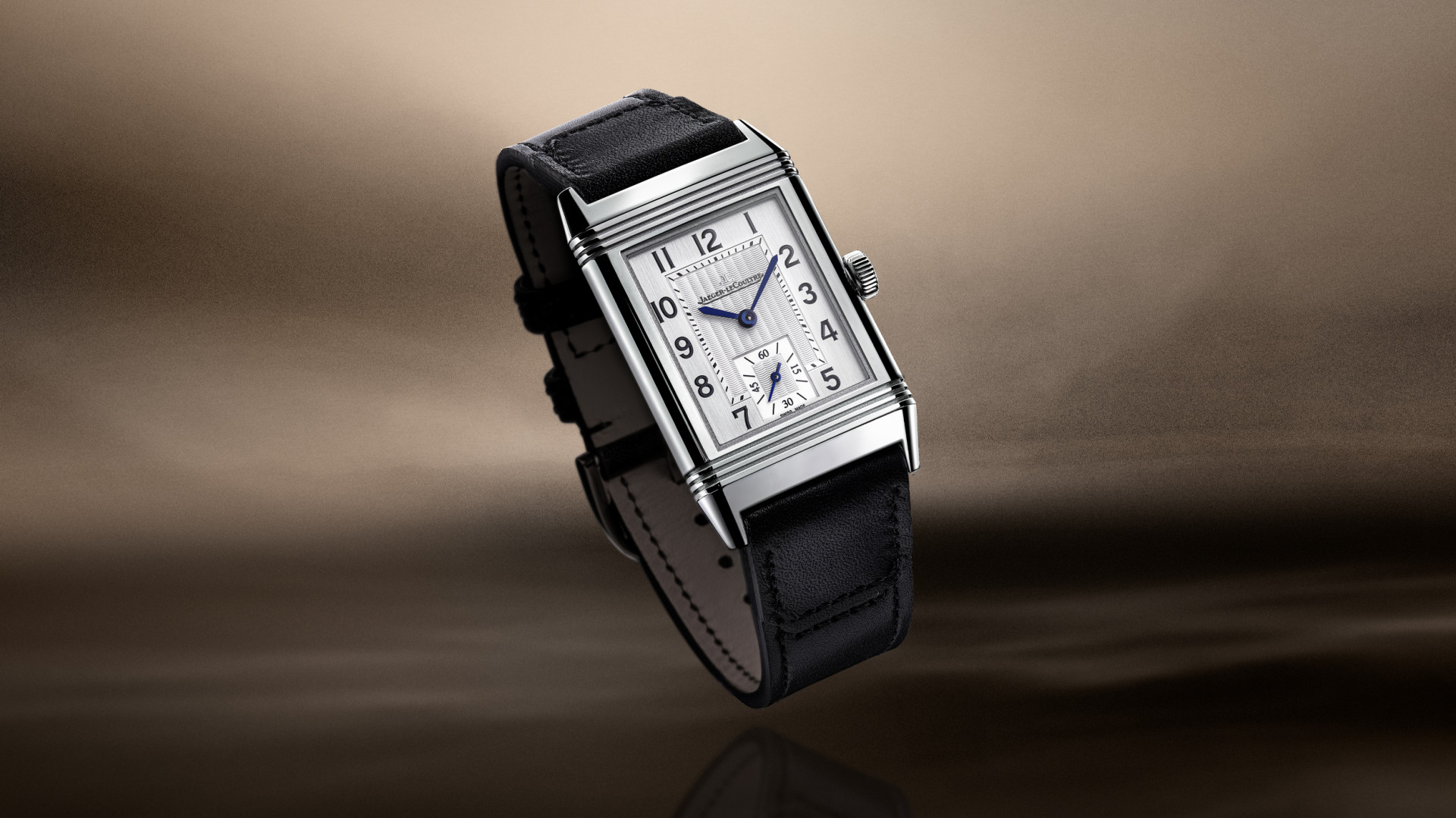
Born in 1931 out of a very practical need, polo players in colonial India required a watch face that could flip and protect itself from mallet strikes, the Reverso’s swivelling rectangular case has since become one of horology’s most instantly recognisable silhouettes. Cultivated and intellectual in character, it has delighted generations of old-money style enthusiasts precisely because its Art Deco lines photograph as confidently in a boardroom as they did on a polo field nearly a century ago.
Cartier Tank
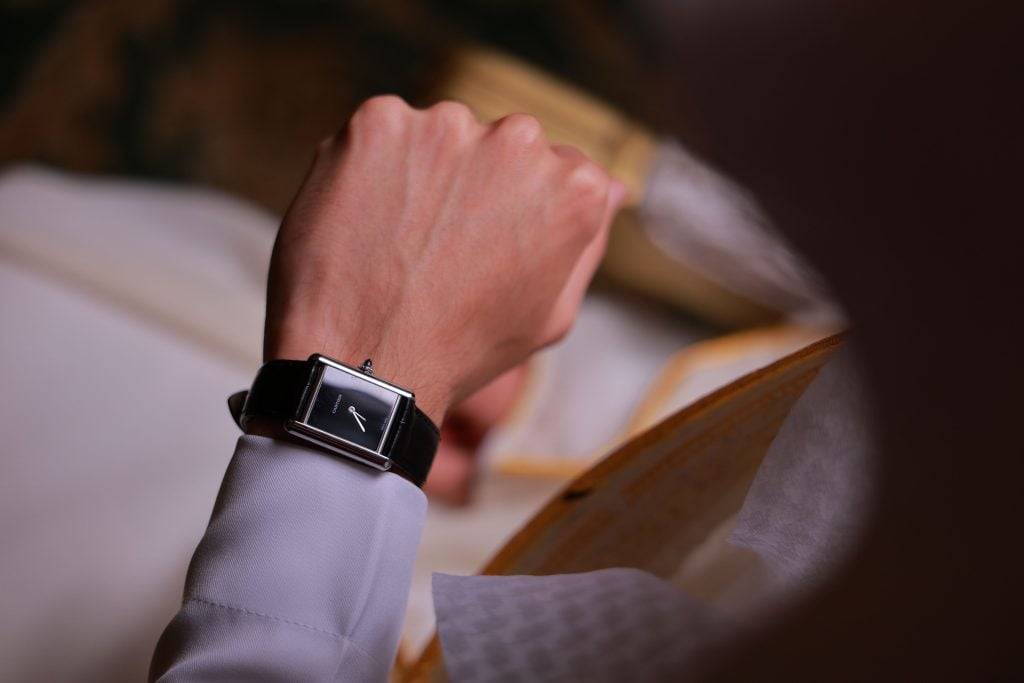
Designed in 1917 by Louis Cartier, reportedly inspired by the profile of World War I tanks, the Cartier Tank has spent over a century as the definitive rectangular dress watch. Worn across generations by royalty, intellectuals and understated tastemakers alike, from Jacqueline Kennedy to Andy Warhol, the Tank’s enduring appeal lies precisely in its refusal to change, a design so correctly proportioned from the outset that it has needed remarkably little reinvention since.