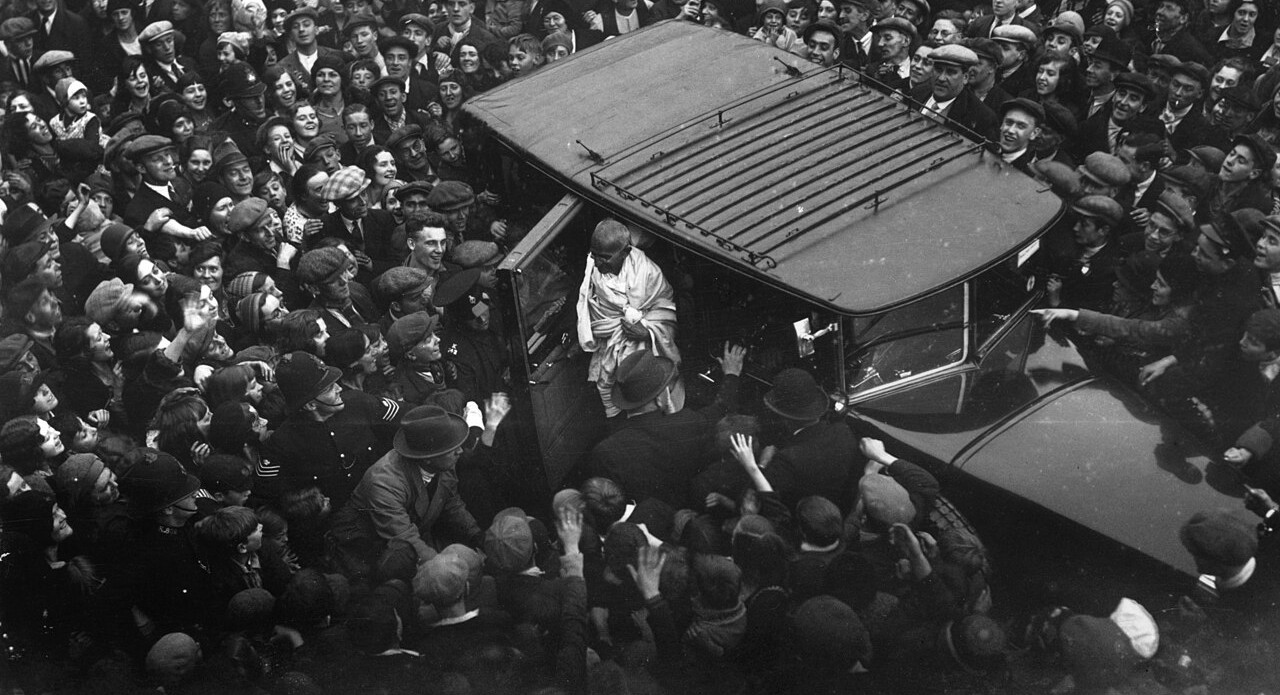


Mohandas Karamchand Gandhi, revered across the world as Mahatma Gandhi, built his life around a philosophy of non-violence and self-determination that eventually carried India to independence. He was, by every account, a man who deliberately avoided material possessions, choosing simplicity as both a personal discipline and a political statement. Which makes it all the more striking that among the very few objects he kept close throughout his life was a watch, a small, silver, mechanically precise object that sat somewhat at odds with the austerity he otherwise practised, and yet became one of the most quietly significant items connected to his daily routine.
A Swiss Watchmaker’s Unlikely Journey to India
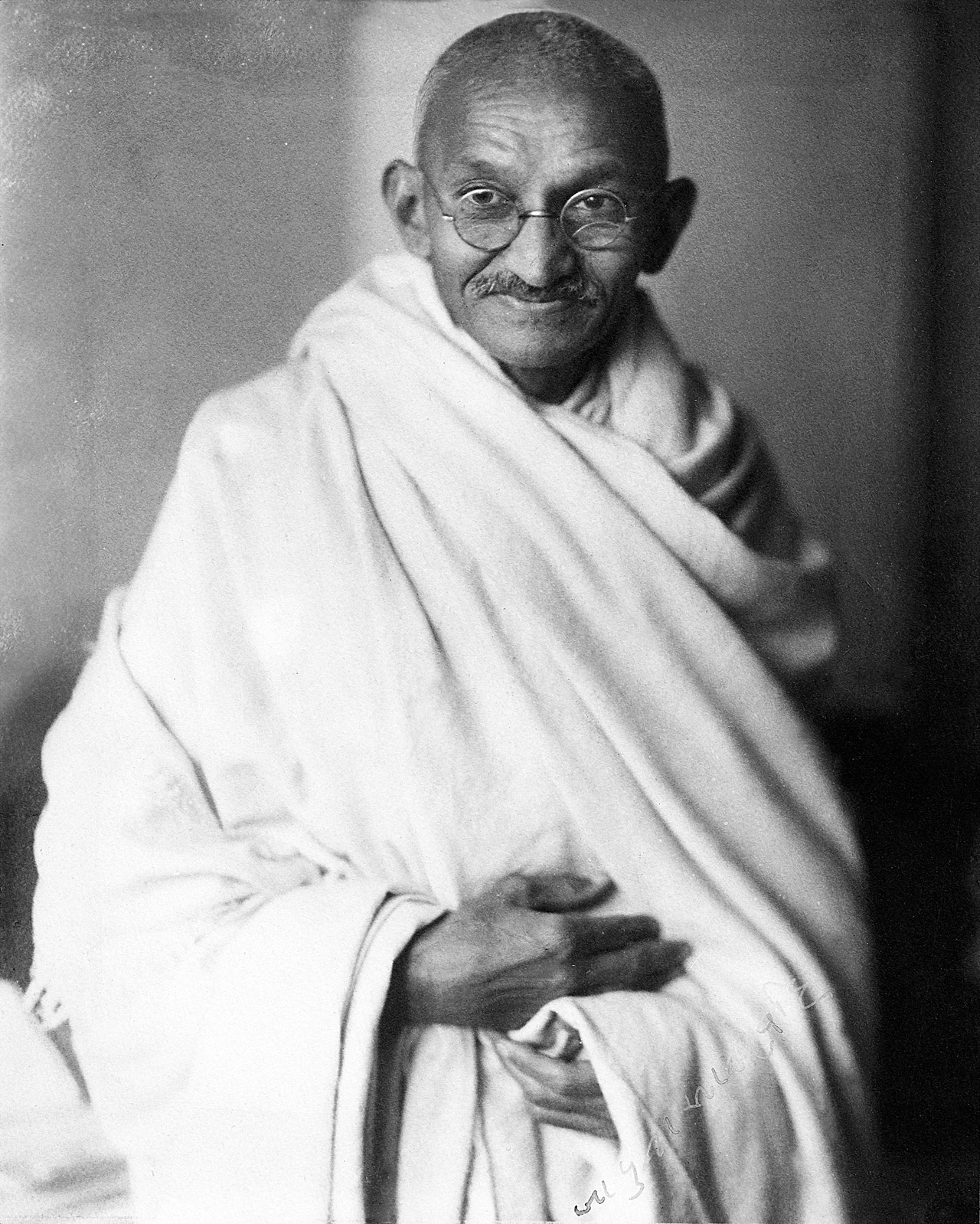
Zenith had, by the turn of the twentieth century, already built an international reputation as one of the most precise watchmakers in the world, and the brand began selling in India as early as 1901. By 1916, Zenith’s alarm pocket watch was being advertised directly in Indian newspapers, a sign of how far the Swiss manufacturer’s reach had extended. It was into this landscape that a particular sterling silver Zenith alarm pocket watch found its way into Gandhi’s hands, a gift from his friend Jawaharlal Nehru, who would go on to serve as India’s first Prime Minister from 1947 to 1964.
Also Read: International Music Day: Inside John Mayer’s Iconic Watch Collection
A Rare Possession, Carried Daily
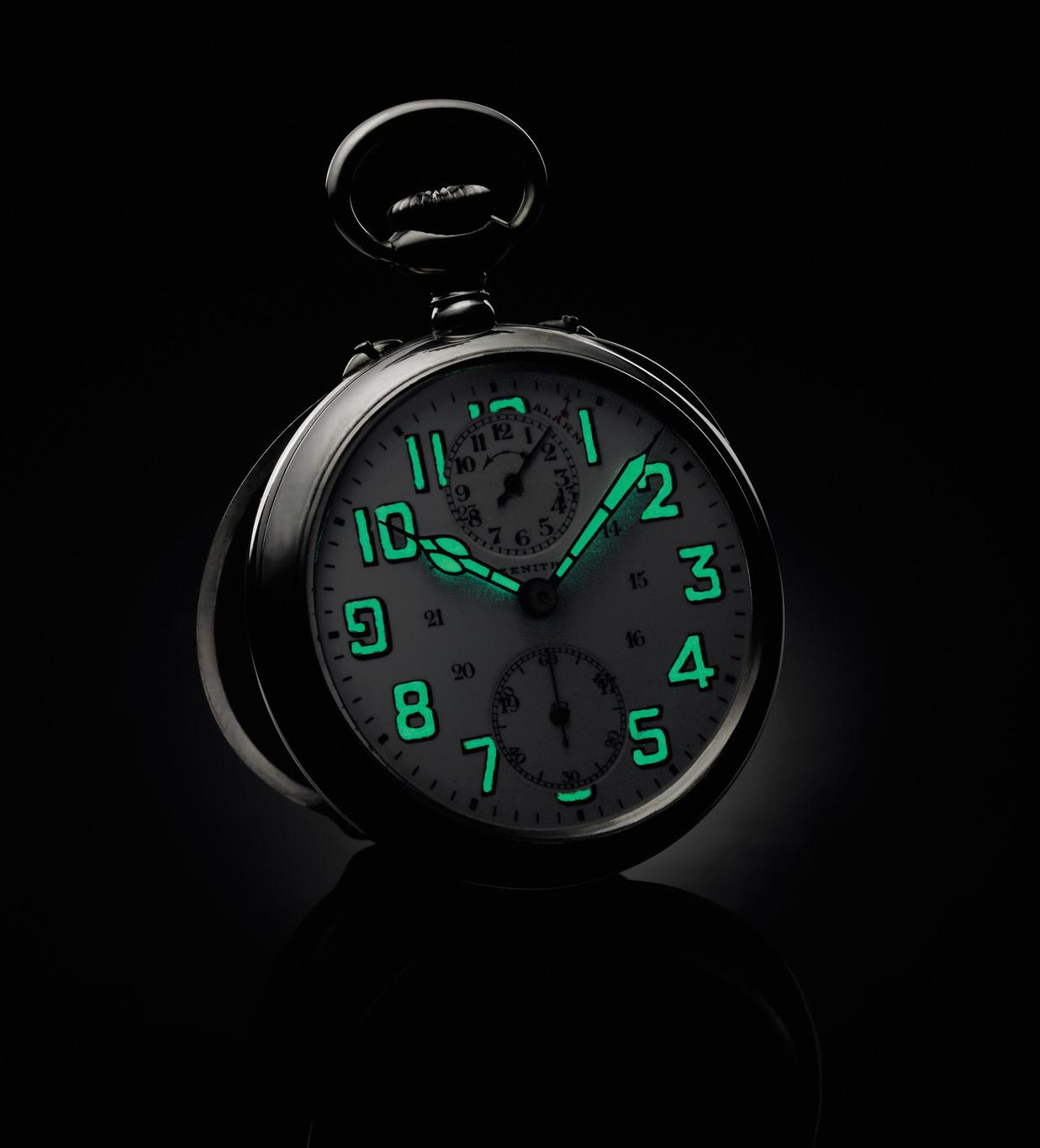
For a man who owned almost nothing, the watch became something close to indispensable. Gandhi used it every day, relying specifically on its alarm function to mark his prayer times, a detail that speaks to how deeply his relationship with time was tied to his spiritual discipline rather than any worldly attachment. The watch carried a radium disc and the alarm mechanism Gandhi himself later described in writing, noting plainly in his own journal that it had cost “over 40 shillings” and that “it was a Zenith watch.” For a leader who measured his life in fasts, marches and prayer rather than possessions, this small piece of Swiss engineering had earned a permanent place in his routine.
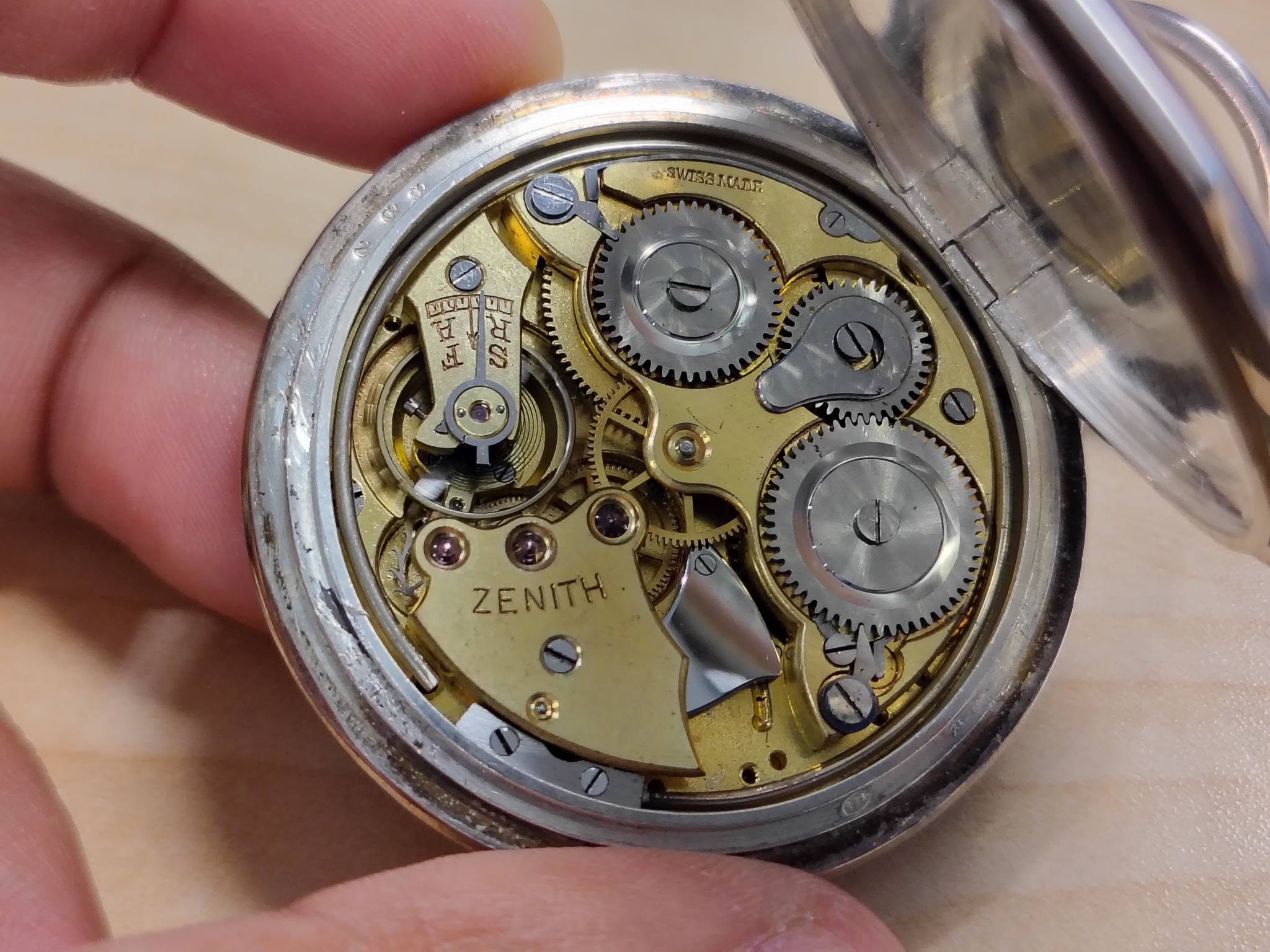
At the heart of Gandhi’s watch was a Zenith 19-ligne (19”’) manual-wind alarm movement, measuring roughly 43.2mm in diameter, a substantial calibre built specifically to handle the demands of a dual-function timepiece. Its design relied on two independent mainspring barrels working in tandem, one dedicated purely to keeping time, the other dedicated entirely to powering the mechanical alarm gong that would have sounded each day to mark Gandhi’s prayer times. Despite this internal complexity, both barrels could be wound through a single crown, a detail that speaks to the kind of understated mechanical elegance Zenith had already built its reputation on by the time the watch reached India.
Also Read: Beyond Hands and Dials: How Watchmakers Have Reimagined Time
Stolen, and Then Returned
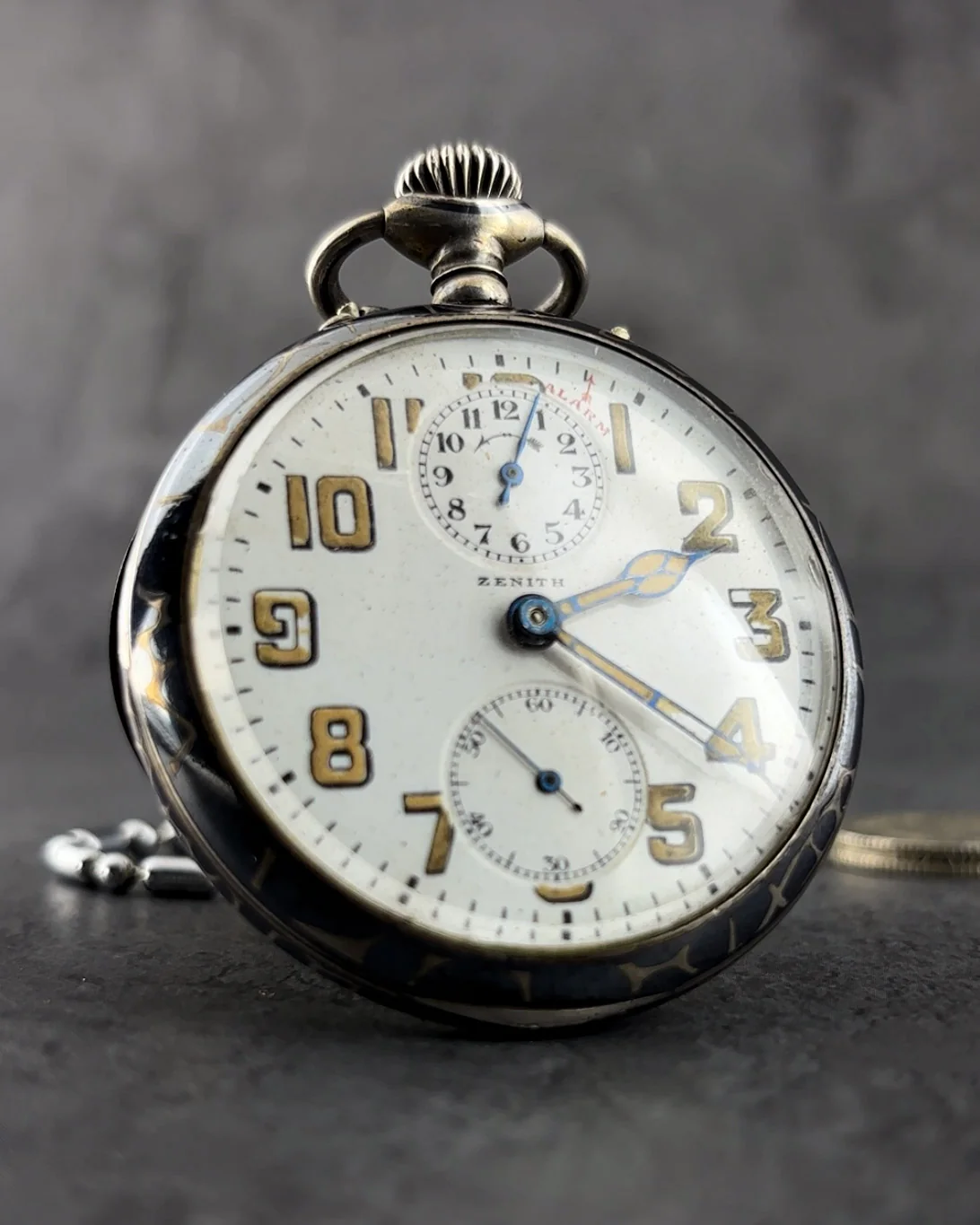
The watch’s most remarkable chapter came when it was stolen from Gandhi during a train journey to Kanpur, a loss that reportedly affected him far more deeply than the modest monetary value of the object itself suggested. Accounts of the period describe Gandhi visibly moved by the theft, not for the watch’s worth, but for what felt like a loss of faith in those around him. Six months later, in a turn that reads almost like parable, the thief, consumed by guilt, sought Gandhi out, returned the watch, and begged for his forgiveness. Gandhi himself recorded the episode in his personal writings, and the story has since become one of the most frequently retold anecdotes connected to his life, a small, human-scale illustration of the same principles of conscience and redemption he spent his life advocating on a national stage.
A Legacy That Outlived Him
Before his death, Gandhi passed the watch on to his granddaughter and assistant, Abha Gandhi, and it subsequently moved through the hands of private collectors over the following decades. In 2009, the watch resurfaced publicly as part of an auction lot that included several of Gandhi’s personal effects, his sandals, a bowl, a plate, and his iconic round spectacles, selling for a reported sum exceeding $2 million. The items were eventually acquired by Indian businessman Vijay Mallya, returning this small but historically resonant object to the country whose independence Gandhi had given his life to secure.
On Gandhi Jayanti, as India marks the anniversary of his birth, the story of his Zenith pocket watch offers a small but telling window into the man behind the movement. It was never about luxury or status; it was a tool that structured his prayers, survived a theft and a confession, and outlived him as a quiet testament to discipline, forgiveness and the surprisingly intimate relationship between a global icon of simplicity and the one object he chose to keep close. A note before publishing: some sources attribute the gift to Indira Nehru rather than Jawaharlal Nehru, and the exact chronology around the gifting varies across accounts, so it’s worth verifying this detail before publication.