Why The Microbrand Watch Market Is Dividing Into Two Worlds
BelowI NR 70,000 it's a specs war. Above INR 2 lakh it's a search for soul. The microbrand watch market has quietly split in two
There was a time, not so long ago, when “microbrand” meant one thing: a small, scrappy operation trying to out-spec the big guys on a shoestring budget. That world still exists, and it is thriving. But somewhere above the INR 2 Lakh mark, a second, entirely different microbrand universe has quietly formed, and the two now barely speak the same language.
Below roughly INR67,000, the conversation is almost entirely about arithmetic. What movement do you get? Is the crystal sapphire or mineral? How many metres of water resistance, how thick is the case, and how does the finishing compare to something three times the price? This is a genuinely healthy, consumer-friendly market, built on Kickstarter campaigns, direct-to-consumer pricing and a community of enthusiasts who track spec sheets the way stock traders track earnings calls. Brands here win by offering more watch than the number on the price tag suggests they should.
Cross the INR 2 Lakh threshold, though, and the entire vocabulary changes. Nobody is arguing about lume brightness anymore. Instead, the talk turns to finishing by hand, production runs capped at double or triple digits, collaborations with named independent watchmakers, and whether a brand has an actual reason to exist beyond selling watches. Specification becomes almost beside the point. What matters now is scarcity, story and whether the person behind the brand has real horological credibility. This is where “microbrand” starts to blur into “independent,” and where collectors, not just enthusiasts, start paying attention.
Also Read: Top Japanese Watches To Consider For Every Collector
Five Names Leading the Spec Wars (Sub-INR67,000)
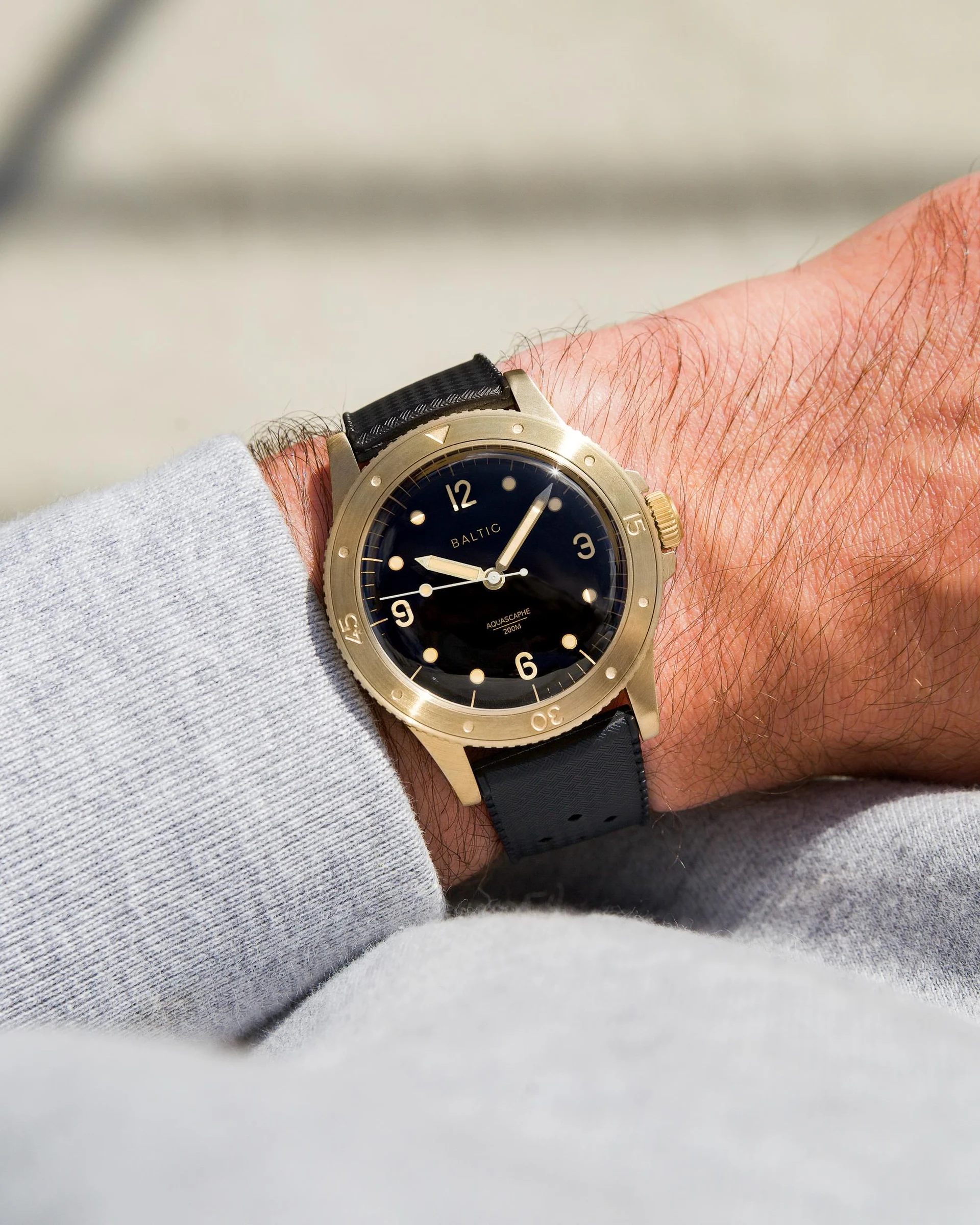
Baltic has become something close to a gateway brand for this segment, built around vintage-inspired dive and chronograph designs with automatic movements, sapphire crystals and case finishing that regularly outperforms its price bracket. Zelos built its reputation on unusual materials, meteorite dials, bronze cases and bold colourways, giving buyers a sense of rarity even at accessible prices.
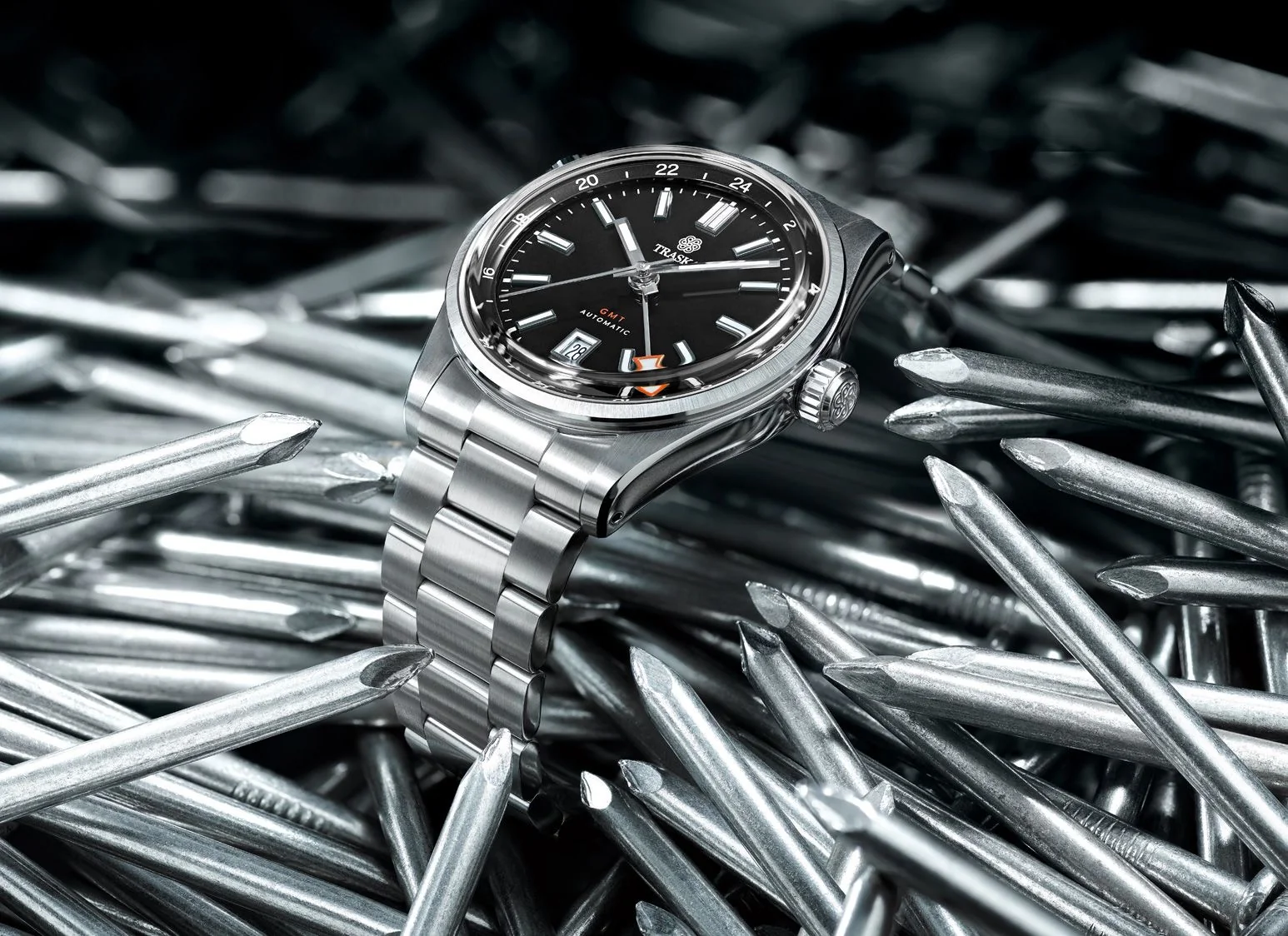
Traska has carved out a niche with scratch-resistant coatings and clean, versatile designs that hold up to daily wear far better than typical finishes at this level. Brew Watch Co. brings a playful, coffee-inspired identity to the segment, with retrograde complications and unconventional layouts that make an affordable watch genuinely interesting rather than merely competent. Serica rounds out the group with field-and-dive watches that lean into chronometer-grade movements and honest, tool-watch design.
Also Read: Why Watch Brands Are Turning Their Attention To Milan
Five Names Defining the Collector Tier (INR 2 Lakh)
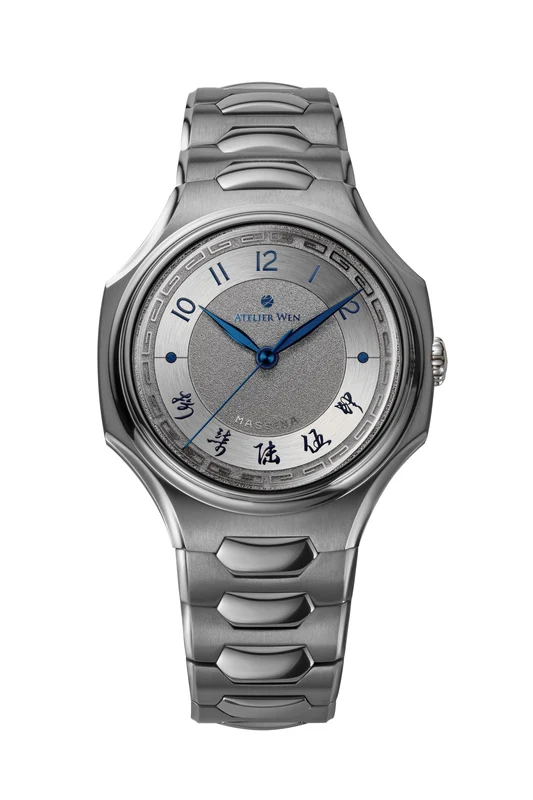
Massena LAB, founded by veteran collector William Massena, doesn’t operate as a traditional manufacturer at all. Instead it develops concepts and hands them to independent watchmakers such as Raúl Pagès, Habring² and Vianney Halter, producing strictly limited runs built around provenance and horological culture rather than a standing catalogue.
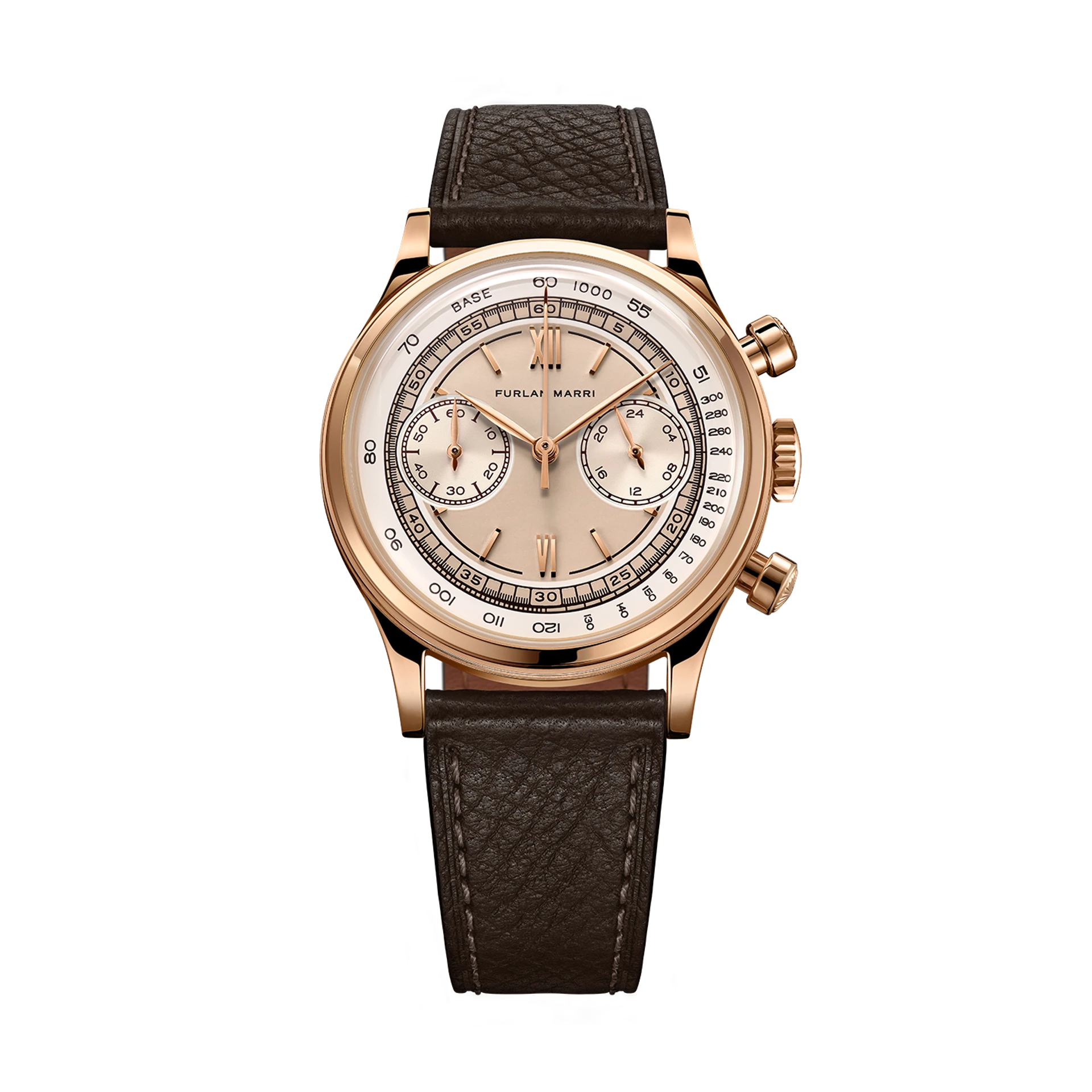
Furlan Marri’s meca-quartz chronographs and still won the GPHG’s Horological Revelation Prize within months of launching, before moving into manual-wind mechanicals with in-house modified movements, intentionally limited drops and a fan base that treats early references as already collectible.
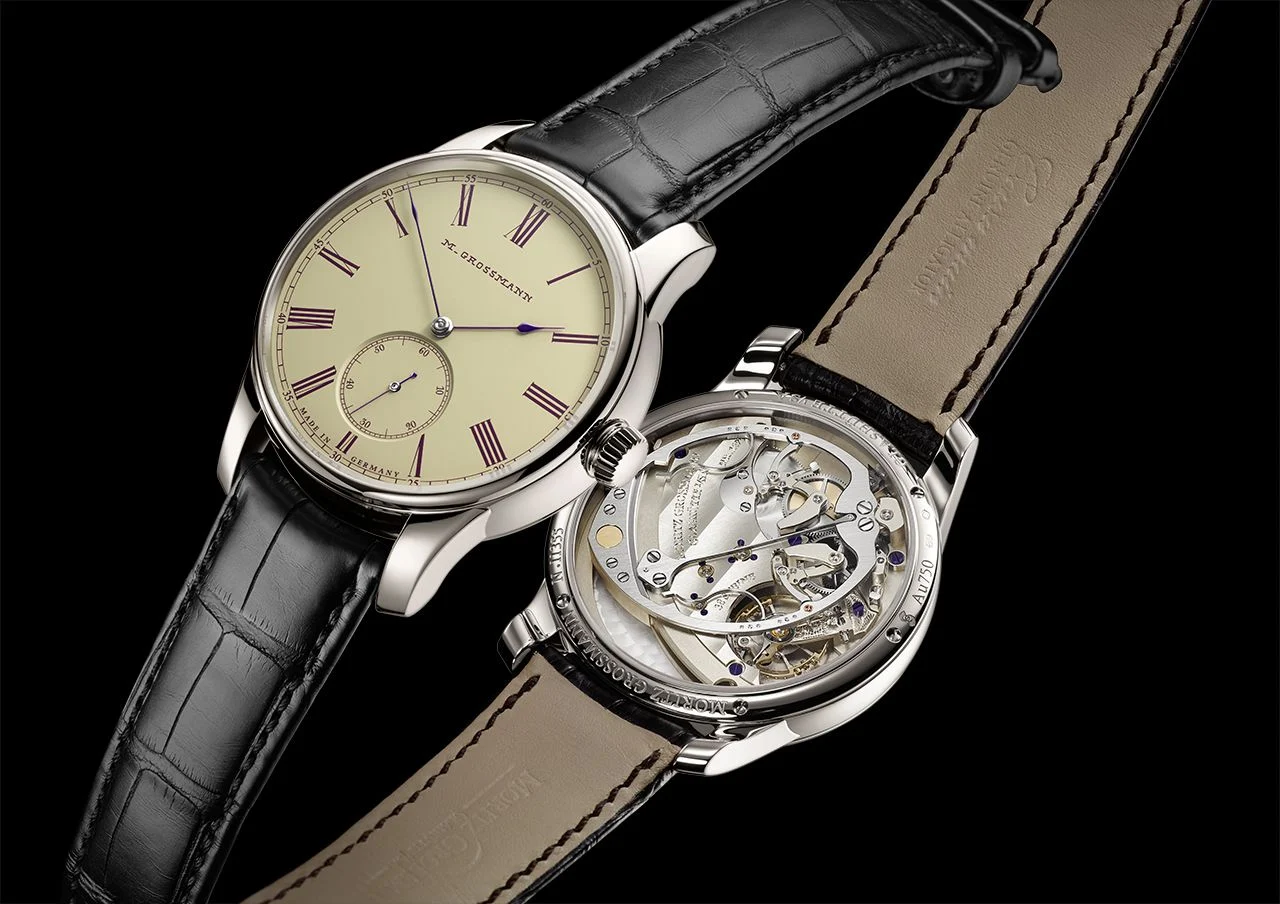
Moritz Grossmann, from Glashütte, represents the more classically German end of this tier, with hand-finished movements, guilloché work and small production numbers aimed squarely at serious collectors rather than casual buyers. Naoya Hida & Co., from Tokyo, makes only a handful of watches a year, each with hand-engraved, urushi-filled numerals and vintage proportions, and sells almost entirely through waiting lists rather than shelves.
Ming, the Malaysian-founded independent, has built a cult following on technical dial construction and design ambition well beyond its relatively modest founding size, regularly collaborating with respected movement specialists to justify its collector-grade pricing. The real story here isn’t that one side is better than the other. It’s that “microbrand” has quietly stopped being a single category. Below $700, you’re buying value. Above INR 2 lakh, you’re buying a reason. And increasingly, that reason, not the spec sheet, is what determines whether a brand is actually worth collecting.