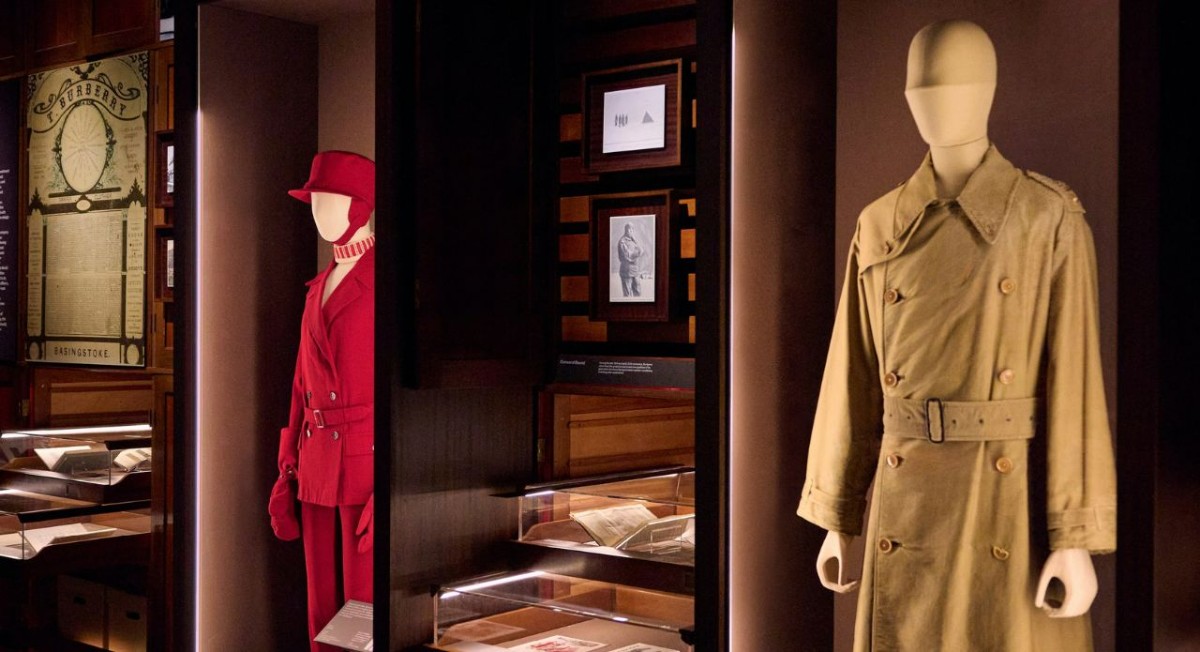


Mud, rain, and the constant threat of gunfire were not the conditions anyone imagined would produce a fashion icon. Yet that is precisely where the Burberry trench coat was born, stitched from waterproof gabardine and handed to British officers fighting in the trenches of the First World War. More than a century later, that same coat is being given a place of honour in one of the world’s great museums, proof that the line between survival gear and style icon is thinner than most people assume.
London’s Victoria and Albert Museum opens ‘The Burberry Trench: Crafting an Icon,’ a free exhibition marking the house’s 170th anniversary from September 21. Housed in the Prince Consort Gallery, once used to store fabric samples from the museum’s own textile collection, the show brings together rare pieces from Burberry’s archive alongside objects from the V&A’s holdings, many shown publicly for the first time.
Born In the Trenches
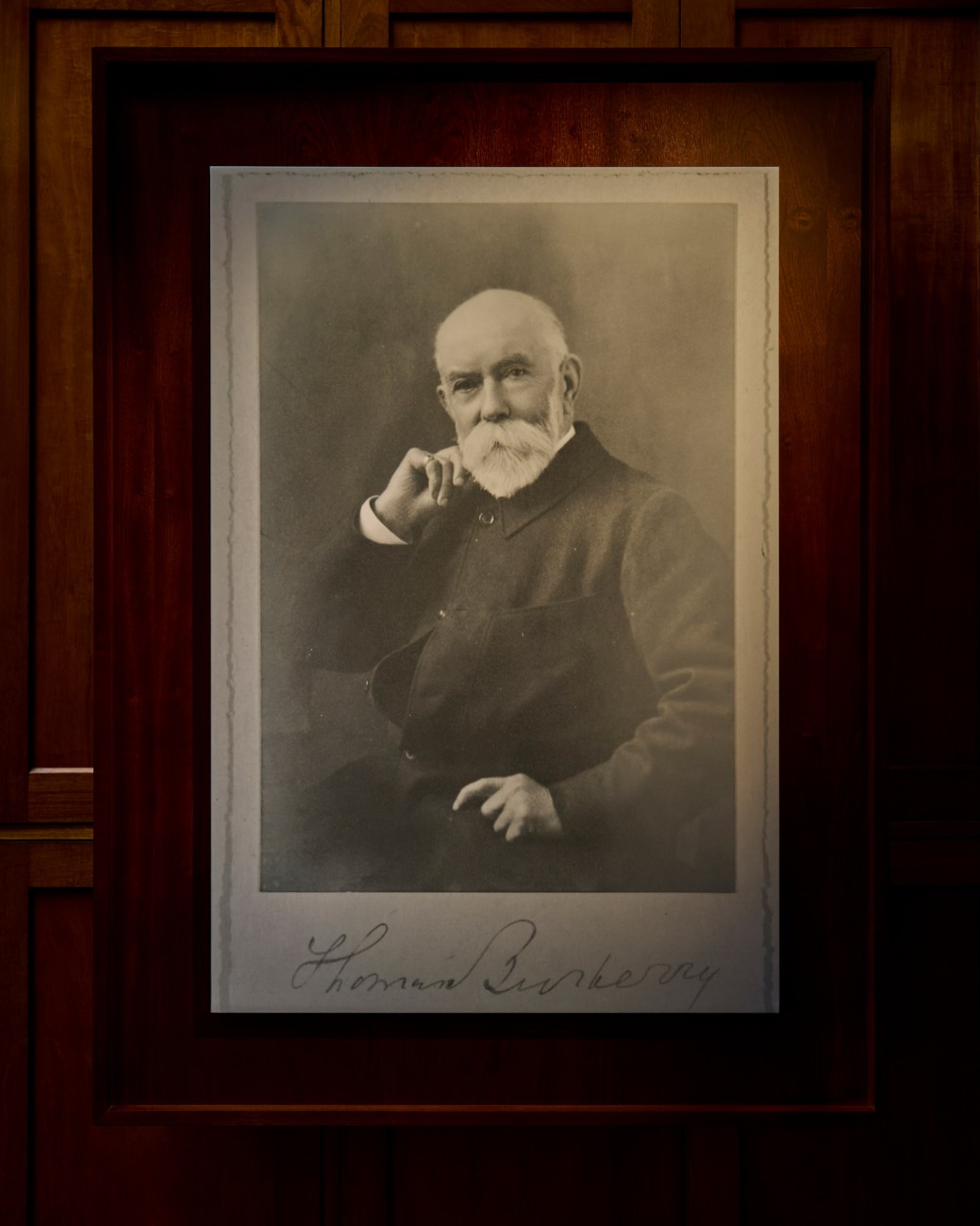
Thomas Burberry patented his waterproof cotton gabardine in 1879, but it was the war that turned it into legend. The coat had already proven itself in extreme conditions well before that, having been taken to the Antarctic by explorer Ernest Shackleton in the early 1900s. When officers returned home from the front, they kept wearing what had kept them alive, and civilians took notice. A garment designed to withstand shellfire and sleet found itself, almost by accident, becoming a wardrobe staple.
Also Read: Priyanka Chopra’s Trench Coat Look Dominates Bentley’s New Global Campaign
Hollywood sealed the transformation. The trench turned up in some of cinema’s most quietly devastating scenes, worn in the rain outside Tiffany’s and buttoned up on a fog-drenched airstrip in Casablanca.
What the war gave the coat in toughness, the movies gave it in mystique. It stopped being something soldiers wore because they had to, and became something everyone else wanted to wear because they chose to.
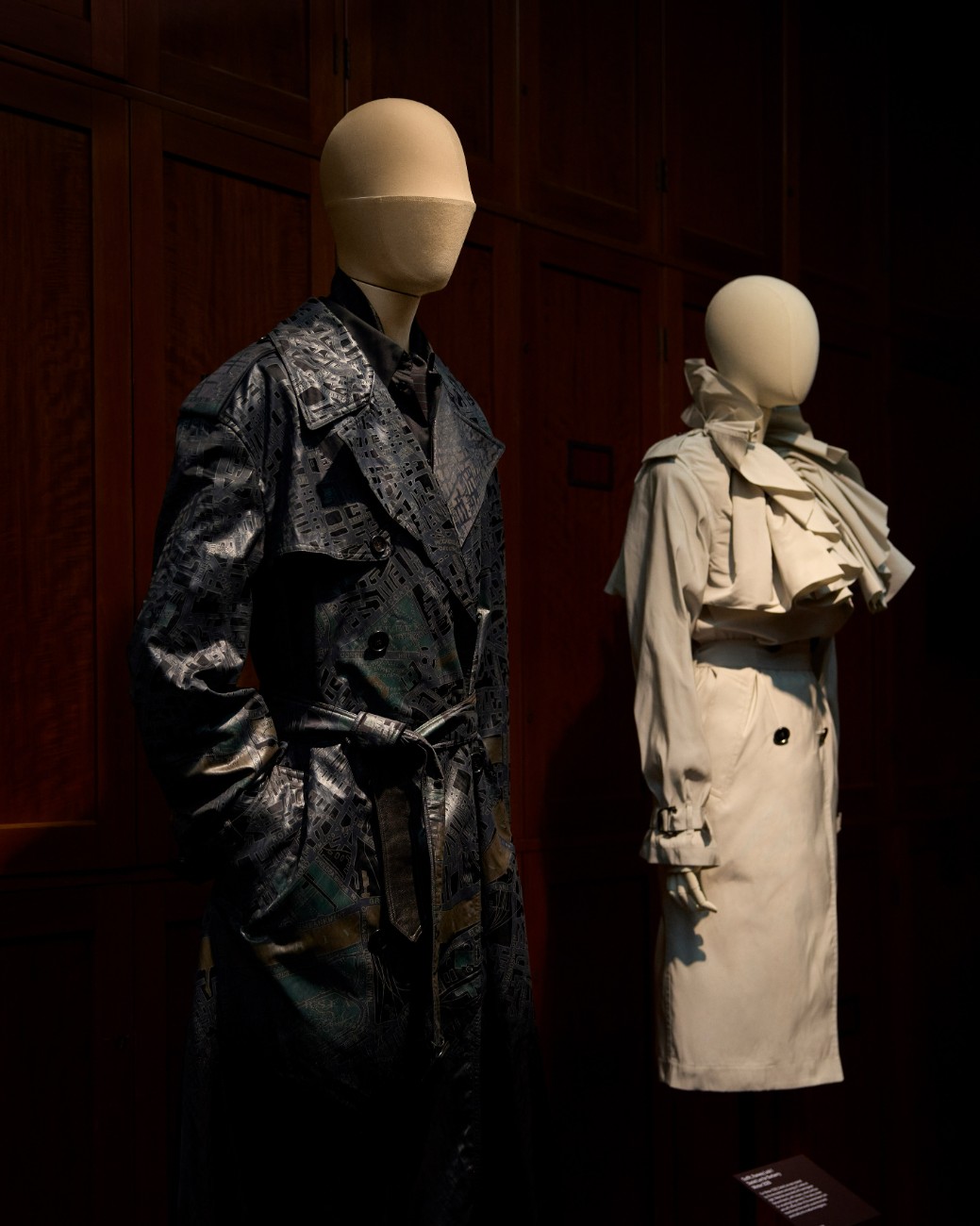
Creativity Follows Craft
The exhibition does not treat this evolution as accidental. Its middle section, ‘Craft’, breaks down the specific choices that make the coat what it is: the hand-finished collar, the House Check lining, the storm flap, the detachable throat latch. None of these were decorative afterthoughts. Each began as a practical solution to a battlefield problem and simply never lost its usefulness. The coats are still made from gabardine woven at Burberry’s mill in Keighley and tailored in Castleford, a production line that has barely moved in decades.
Also Read: Ralph Lauren’s Jhumka Debate: A Look At American Fashion House’s History, Designs And Controversies
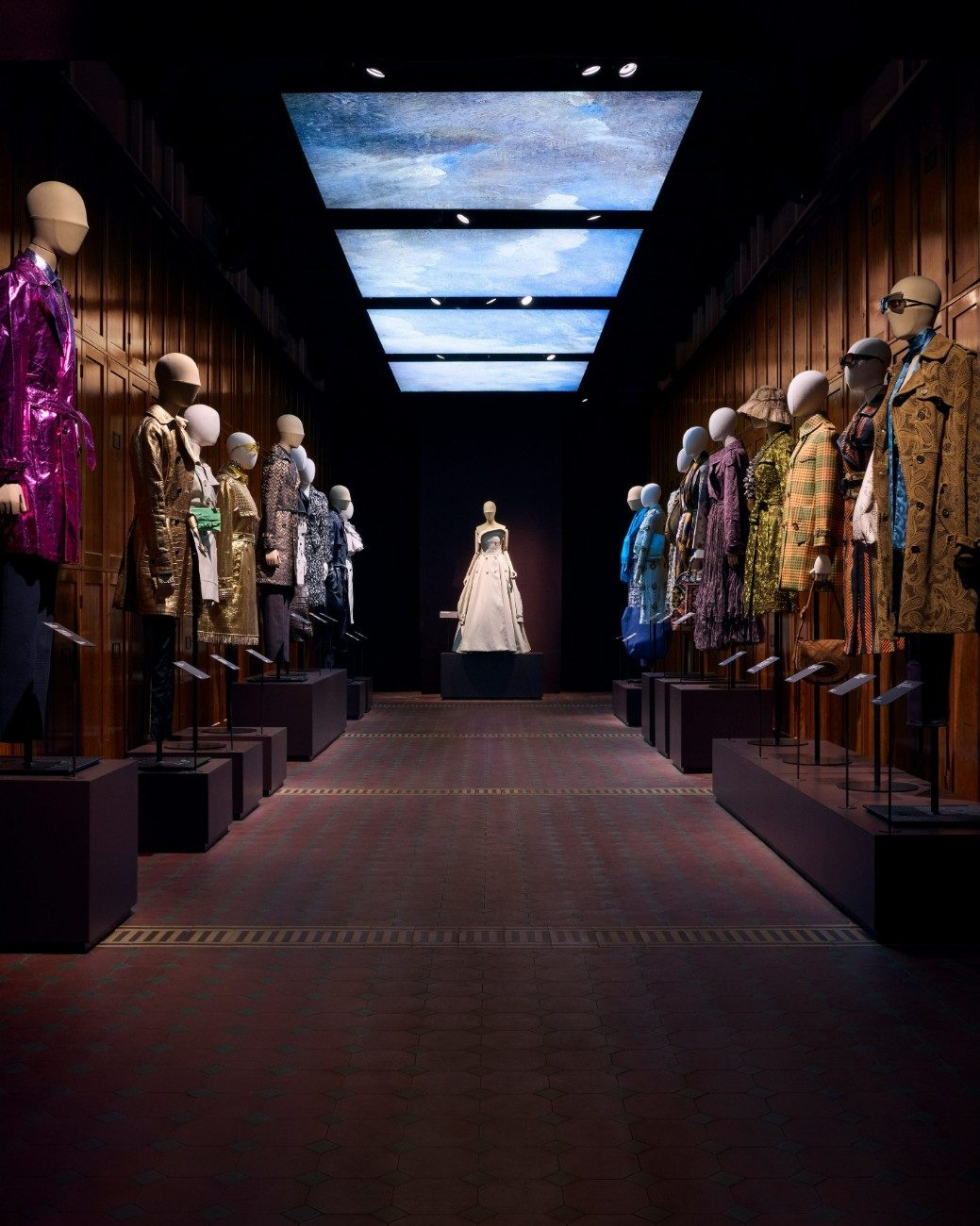
The final section, ‘Creativity’, brings the story into the present with nineteen runway looks spanning 25 years, tracing how creative directors Daniel Lee and Christopher Bailey have reshaped the coat without ever letting it lose its shape.
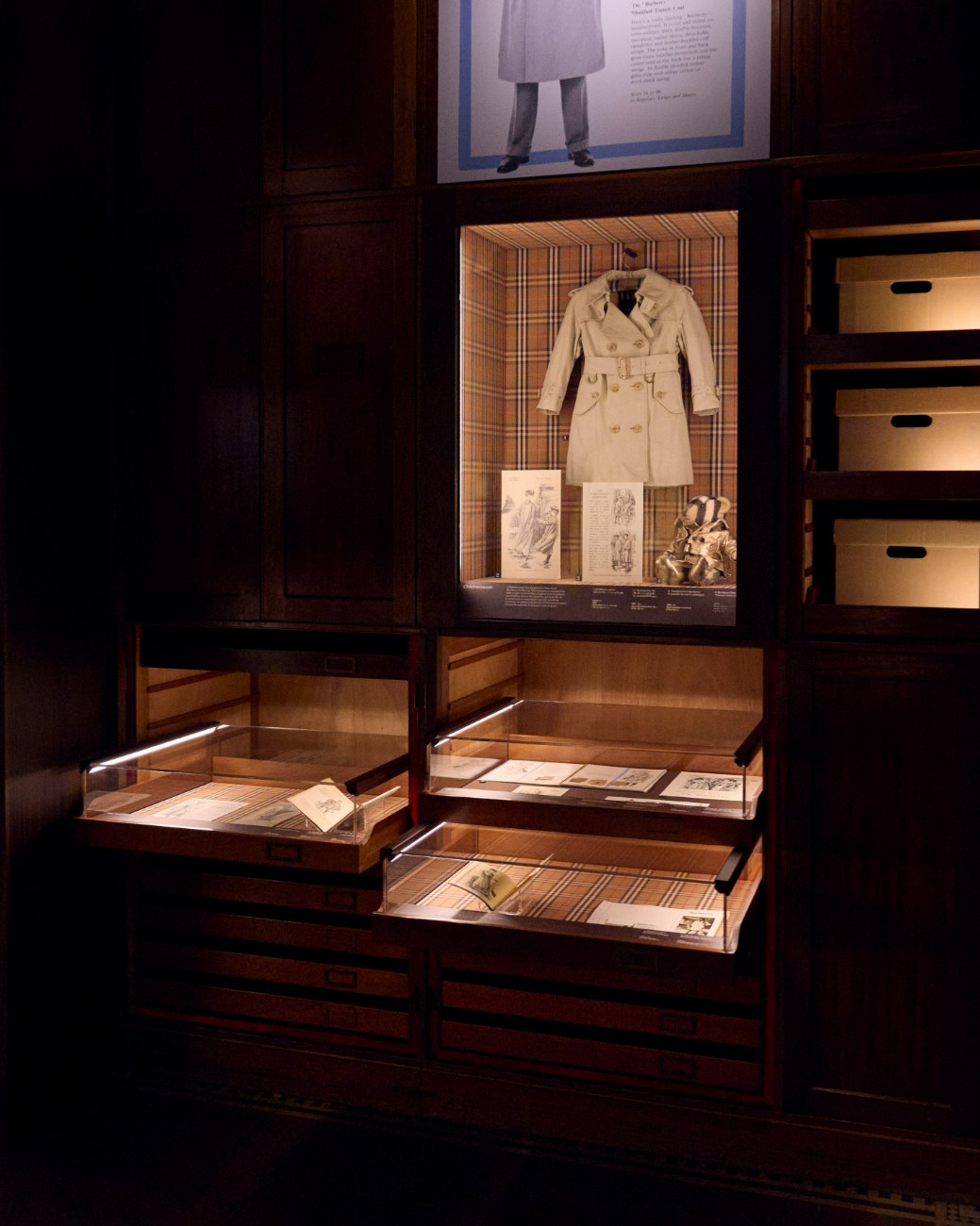
What emerges, across all three sections, is not really an ordinary story about fashion. It is a story about a garment that was asked to do one job exceptionally well and has spent a hundred years finding new reasons to keep doing it.