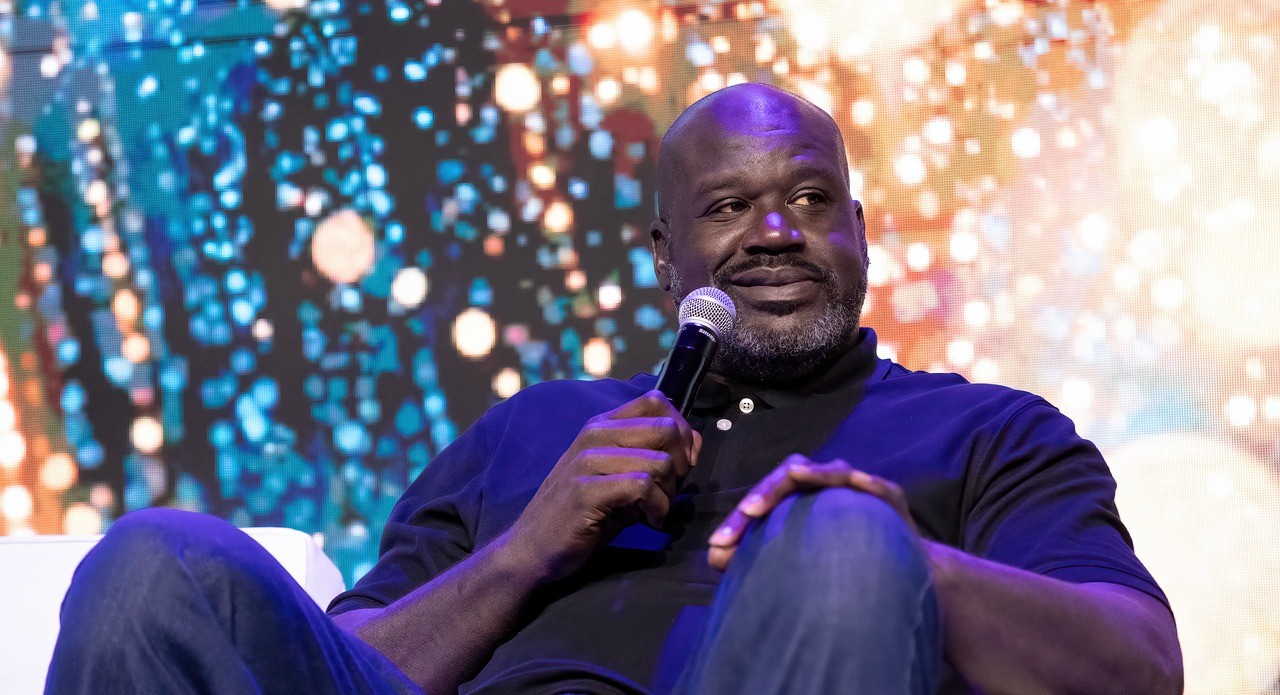


There are rich people, and then there is Shaquille O’Neal. The former NBA superstar has always operated on a slightly larger scale, which is hardly surprising when you are 7ft 1in tall and spent your professional life making other enormous men look rather undersized. But the fascinating thing about Shaq is that his greatest achievement may not have happened on a basketball court at all. Since stepping away from the game, he has turned his fame into a commercial machine spanning restaurants, franchises, investments, endorsements, real estate and entertainment. Estimates commonly place his fortune at around $500 million, although the precise figure is private and can fluctuate with investments and assets. Either way, Shaq has built the sort of financial playground where a normal person’s idea of “splurging” probably qualifies as one of his Tuesday afternoons.
The Basketball Career Was Just The Beginning
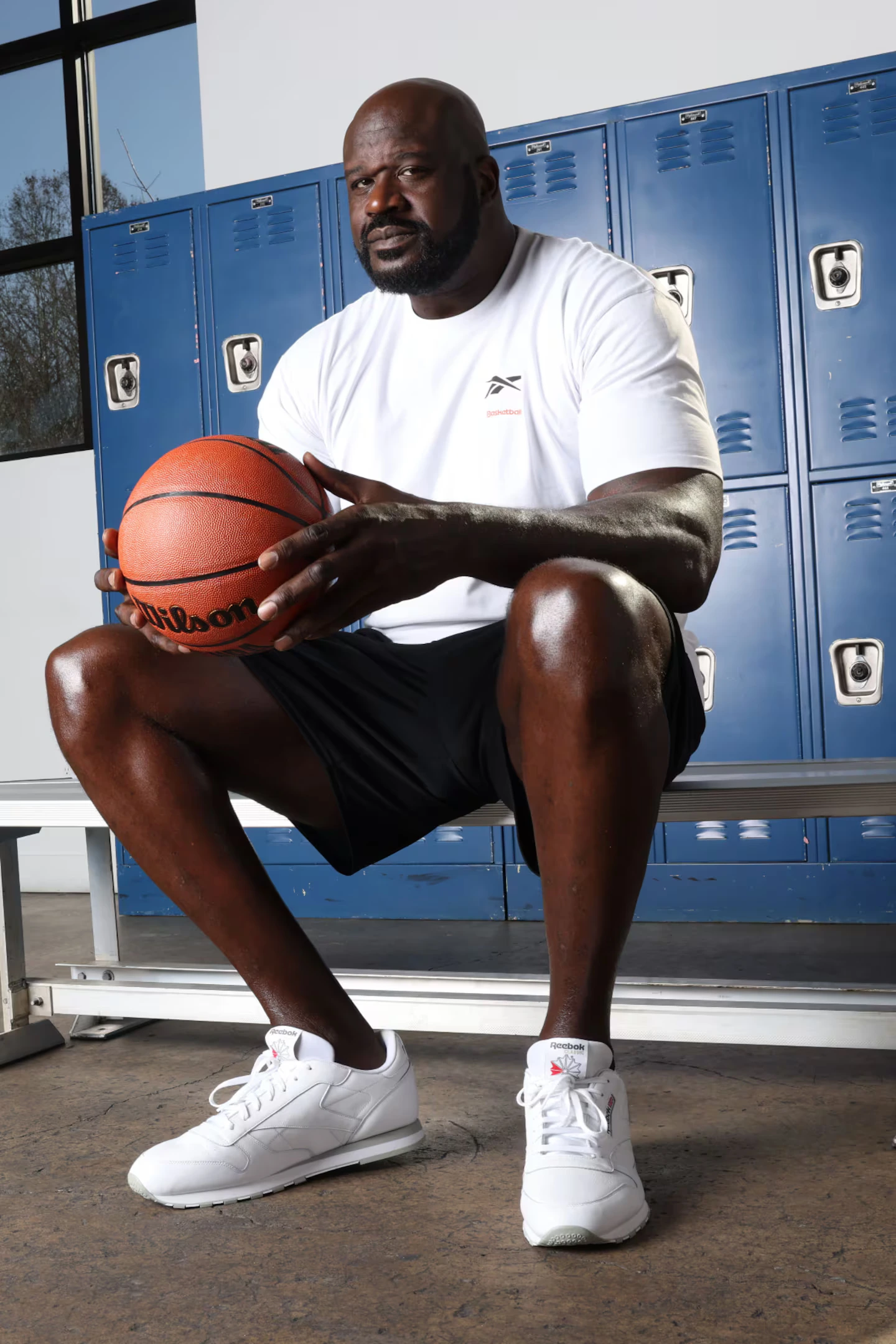
O’Neal’s NBA career gave him the financial launchpad. Selected first overall by the Orlando Magic in 1992, he went on to become one of basketball’s most dominant players, winning four NBA championships and earning enormous contracts along the way. But unlike plenty of athletes who discover after retirement that fame is considerably less profitable when nobody is paying them to throw a ball through a hoop, Shaq understood that the celebrity itself was an asset. He began investing, franchising and building businesses while his playing career was still generating attention. The result was a transition from basketball superstar to businessman that was almost as impressive as his transition from human being to defensive nightmare.
Also Read: The Embassy: Inside Drake’s Extraordinary Toronto Mansion And Rare Rolex Daytona
The Shaq Business Model
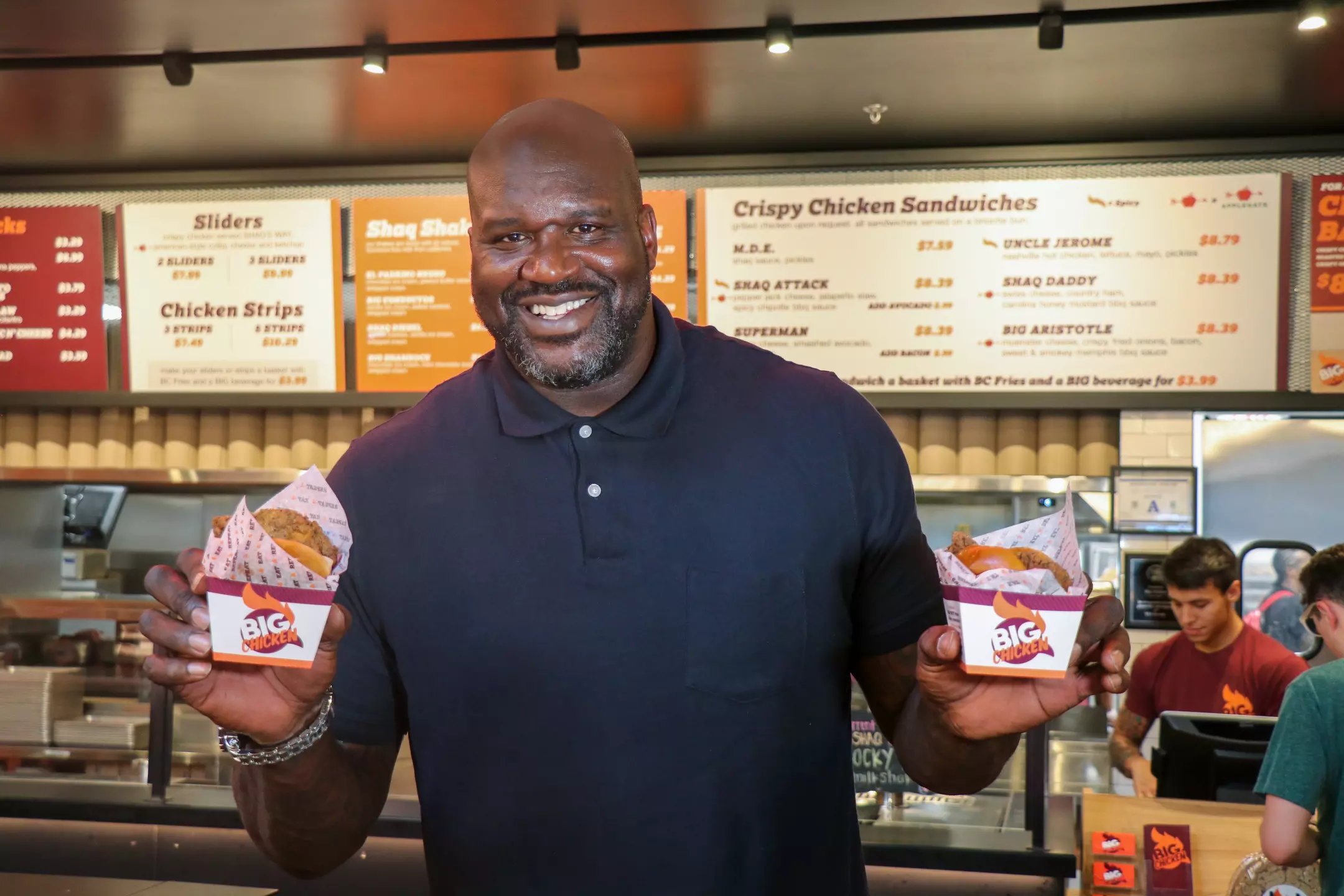
One of Shaq’s greatest commercial strengths has been his ability to turn his personality into a brand without making it feel entirely corporate. His portfolio has included investments and franchise interests across food, fitness, entertainment, technology and retail. He has been associated with brands including Papa Johns, Five Guys and Auntie Anne’s, while also building his own restaurant and entertainment ventures. His investment philosophy has often focused on businesses with everyday consumer appeal rather than obscure financial instruments that require a PowerPoint presentation and three lawyers to explain. Shaq has essentially realised that people need to eat, shop, exercise and entertain themselves whether the stock market is behaving or not.
The Real Estate Is Appropriately Massive
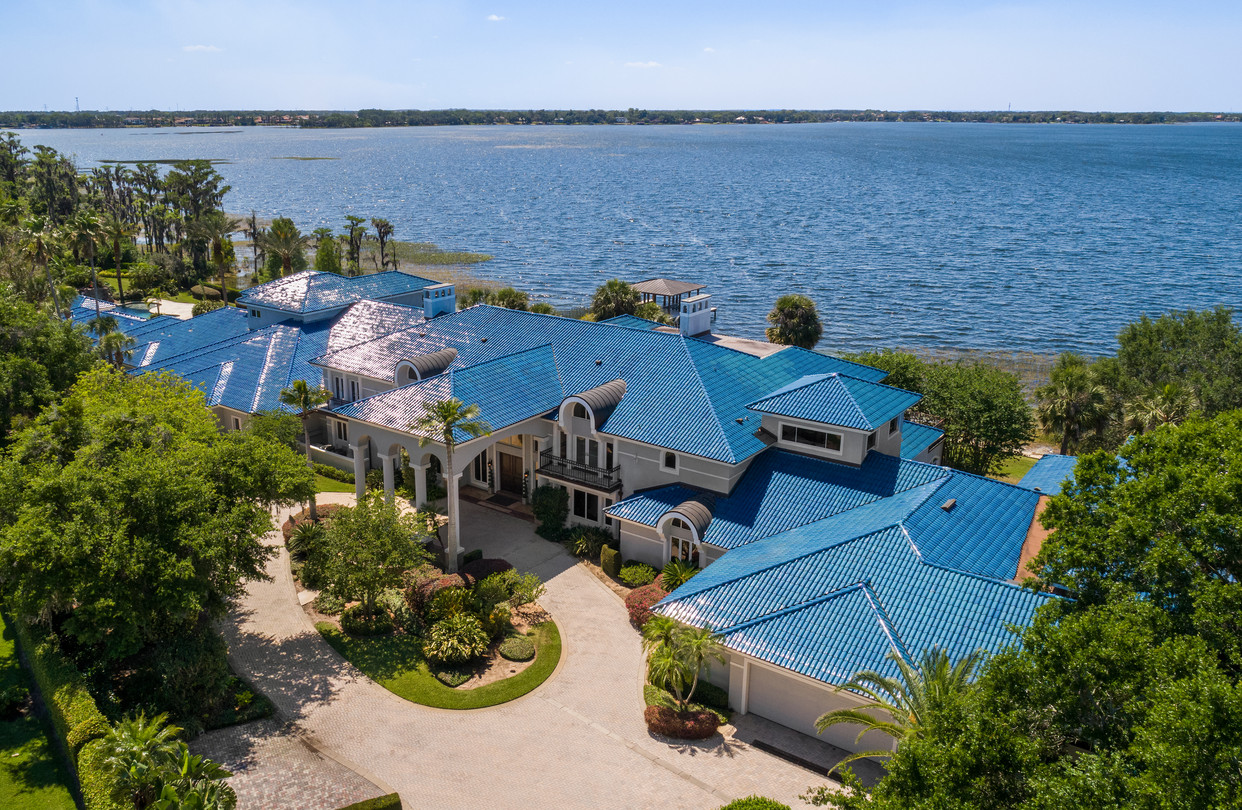
Then there is property, because a man of Shaq’s dimensions was never going to be satisfied with a normal suburban house. Over the years, he has owned and sold several spectacular properties, most famously a huge Florida mansion that became almost a tourist attraction in its own right. The enormous estate featured multiple bedrooms, a basketball court, swimming pool, cinema and vast entertainment spaces, all arranged on a scale that made the average luxury home look like a garden shed. The property became famous for its sheer size and Shaq’s personalised approach to architecture. Naturally, there was a basketball court. Naturally, it was enormous. When your professional career involved being paid millions to dominate basketball, removing the court from your home would seem unnecessarily restrained.
His Garage Is A Different Kind Of Collection
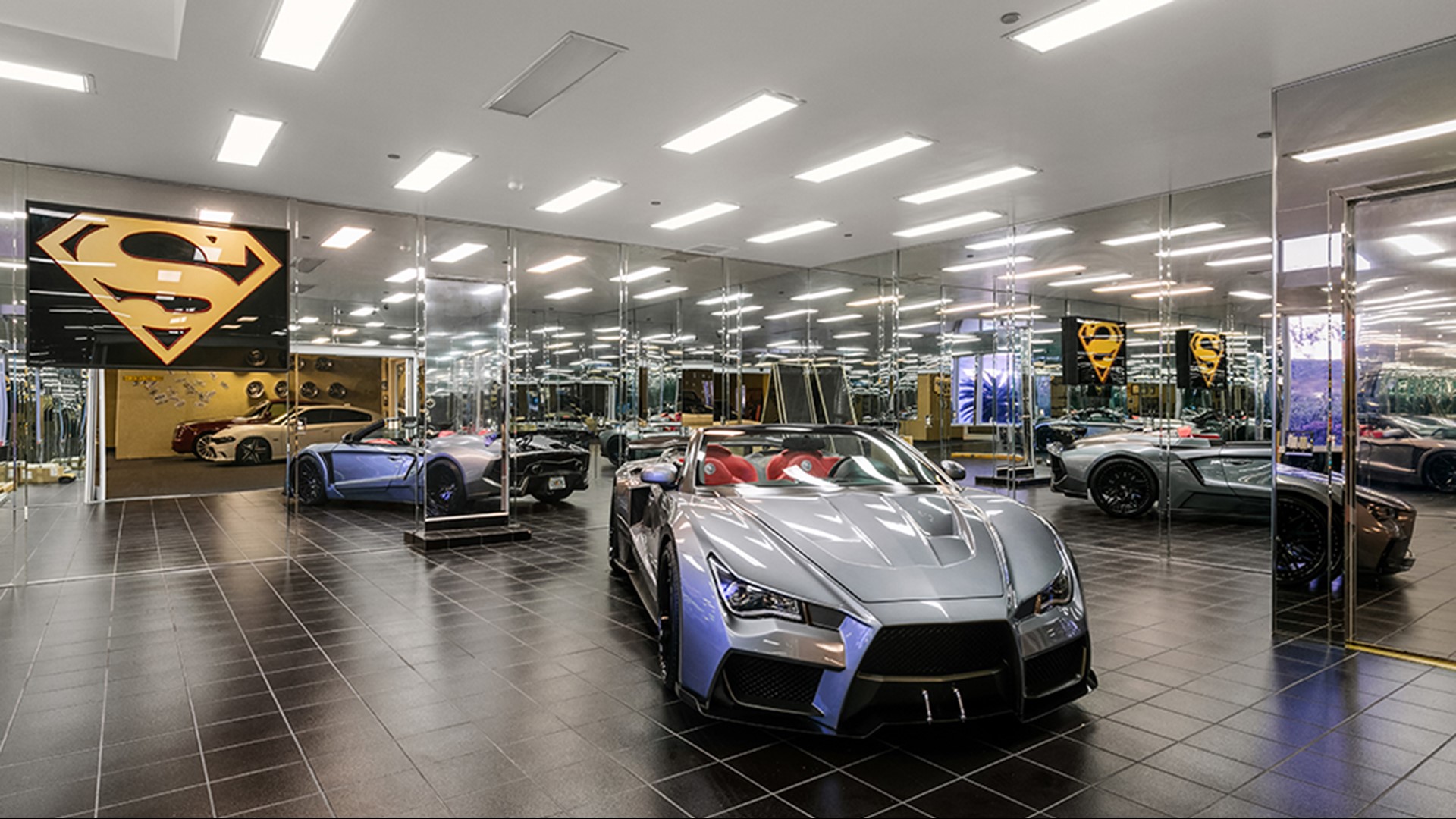
Shaq’s car collection is equally entertaining because it reflects his personality rather better than a carefully curated collection of investment grade automobiles ever could. His garage has included everything from high performance machinery to luxury SUVs, classic cars and customised vehicles. The problem, of course, is that most supercars are designed around people who are considerably smaller than Shaquille O’Neal. A Lamborghini may look fantastic until you attempt to insert a seven foot one basketball player into it. Shaq has therefore famously modified several vehicles to accommodate his frame, including stretching and customising cars that were never designed with his proportions in mind. It is a wonderful example of the Shaq philosophy: if the car doesn’t fit, change the car.
This is what makes Shaq’s lifestyle more interesting than a simple inventory of expensive things. He has never seemed particularly interested in luxury merely for the sake of looking wealthy. His homes, cars and businesses tend to reflect his personality. There is humour, excess and plenty of theatricality. He likes big things because he is big. He likes cars because he likes cars. He likes business because, as he has demonstrated repeatedly, he understands the importance of turning attention into opportunity. There is a method underneath the madness.
The Celebrity Machine Never Stopped
Shaq has also maintained an extraordinary presence in entertainment. Television appearances, advertising campaigns, endorsements, podcasting and his larger than life personality have kept him commercially relevant long after his final NBA game. That matters because celebrity has an expiry date. Shaq has managed to extend his by turning himself into a personality rather than simply a former athlete. He can appear in a commercial, discuss business, talk basketball, make jokes about his own size and then promote a new investment without seeming like he has changed characters.
The headline figure of $500 million is impressive, but the more interesting number is the number of businesses, investments and opportunities that have contributed to it. Shaquille O’Neal’s wealth is not simply the product of four NBA championships or enormous playing contracts. It is the result of recognising that his fame could become an engine for something much larger.
He built a career playing basketball. Then he built a business empire around the person who played it. And that may be the cleverest move Shaq ever made because while most athletes eventually retire from their sport, Shaquille O’Neal appears to have retired from basketball only to start playing an entirely different game. And judging by the size of the scoreboard, he is still winning. He was inducted in the Naismith Memorial Basketball Hall of Fame in 2016 as part of a legendary class that included Allen Iverson and Yao Ming.