

Luxury shoppers rarely stop to ask who owns the brands they admire. The spotlight almost always stays on the latest handbag, a season-defining runway collection or a coveted Swiss watch, while the companies behind these celebrated names remain largely out of sight. Yet the business of luxury is every bit as fascinating as the products themselves, shaped by billion-dollar acquisitions, influential family dynasties and decades of strategic expansion.
Look closely, and some surprising connections begin to emerge. Louis Vuitton and Tiffany & Co. belong to the same luxury empire. Gucci shares its parent company with Saint Laurent and Balenciaga. Chanel and Rolex, meanwhile, have deliberately remained outside the conglomerate model. These ownership structures quietly influence everything from creative direction and craftsmanship to global growth and brand positioning.
While every maison has cultivated a distinct identity, many of the world’s most recognisable luxury labels are linked through a surprisingly small number of parent companies. Others continue to chart their own course through private ownership, preserving heritage and independence across generations.
Luxury Giants Lead Markets
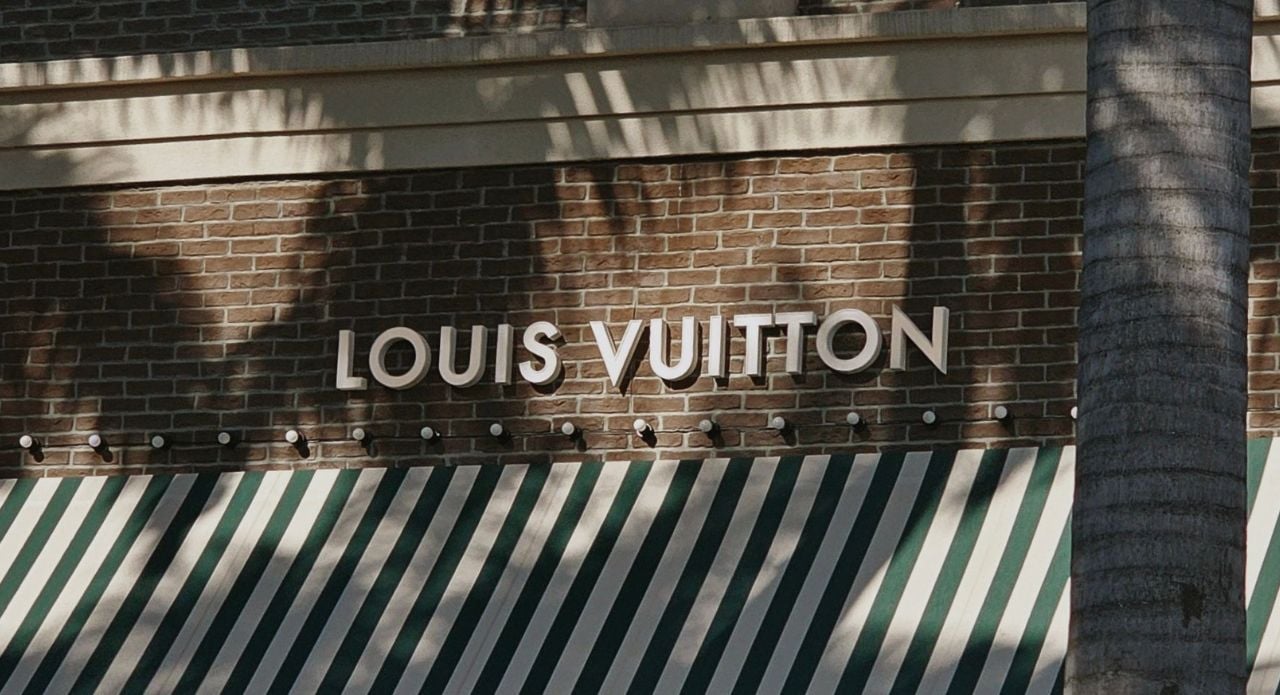
The world’s largest luxury company is LVMH Moët Hennessy Louis Vuitton, led by chairman and CEO Bernard Arnault. The French conglomerate oversees more than 75 brands across fashion, jewellery, watches, beauty, hospitality, wines and spirits. Its expansive portfolio includes Louis Vuitton, Dior, Fendi, Celine, Loewe, Bulgari, Tiffany & Co., TAG Heuer, Hublot and Sephora, giving LVMH unmatched influence across the luxury landscape.
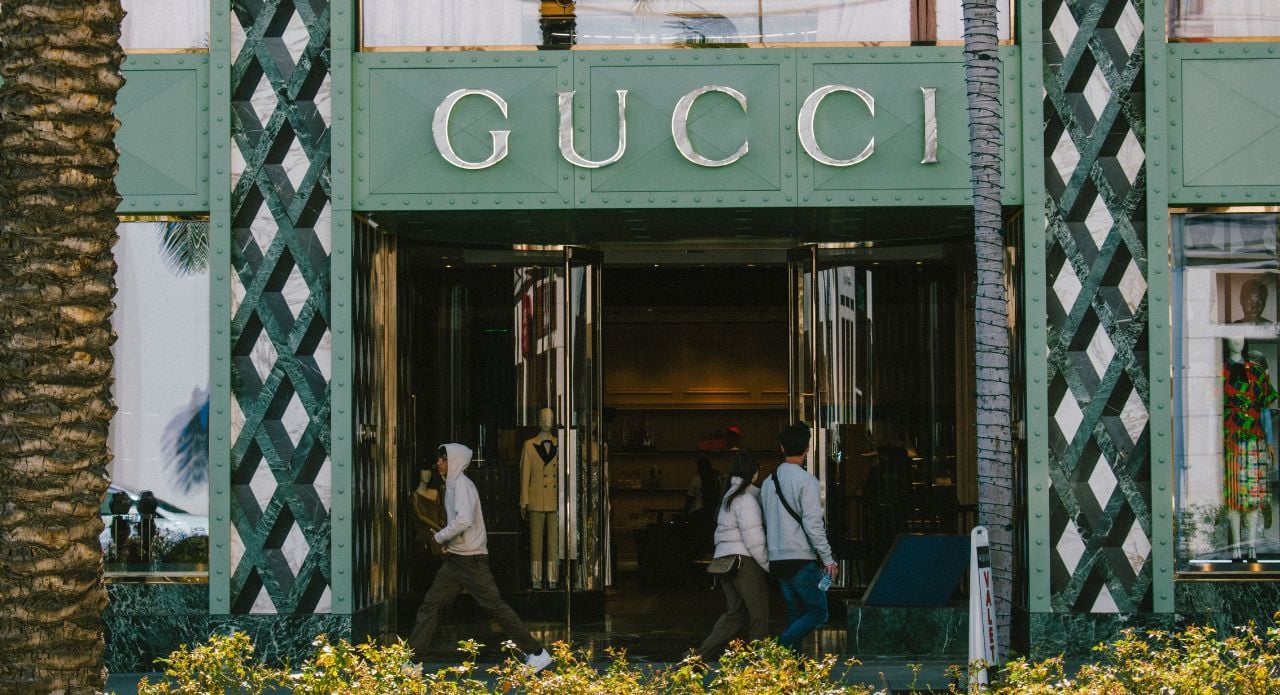
Another French powerhouse, Kering, has built its reputation through a carefully curated collection of fashion and jewellery houses. Controlled by the Pinault family, the group owns Gucci, Saint Laurent, Balenciaga, Bottega Veneta, Alexander McQueen, Brioni, Boucheron and Pomellato. Gucci remains Kering’s flagship label and one of the world’s highest-grossing luxury brands.
Also Read: How Gucci’s Formula One Move Is Redefining Luxury Fashion’s Fastest New Frontier
Swiss luxury group Richemont has established itself as a leader in fine jewellery and haute horology. Its portfolio includes Cartier, Van Cleef & Arpels, Jaeger-LeCoultre, Vacheron Constantin, IWC Schaffhausen and Panerai. Italy’s Prada Group, still controlled by the Prada family, owns Prada, Miu Miu, Church’s, Car Shoe and the historic Milanese pastry house Marchesi 1824.
Other influential players include Capri Holdings, which owns Versace, Jimmy Choo and Michael Kors, and Italy’s OTB Group, founded by Renzo Rosso, whose portfolio spans Maison Margiela, Marni, Jil Sander, Diesel and Viktor & Rolf.
Independent Houses Endure
Not every luxury house has embraced the conglomerate model. Chanel remains privately owned by the Wertheimer family, descendants of Pierre Wertheimer, whose early partnership with Gabrielle “Coco” Chanel helped build the maison into a global icon. Remaining private has allowed Chanel to pursue long-term creative and business decisions without the pressures of public markets.
Also Read: One Last Summer Splurge: The Luxury Fashion Pieces Worth Buying Before The Season Ends
Swiss watchmaker Rolex follows one of the industry’s most distinctive ownership structures. The company is owned by the Hans Wilsdorf Foundation, a charitable trust established by founder Hans Wilsdorf. This unique model enables Rolex to reinvest heavily in manufacturing, innovation and philanthropy rather than distributing profits to shareholders.
Hermès has also retained majority ownership within the Hermès family, reinforcing its commitment to artisanal craftsmanship, controlled production and enduring exclusivity. That independence has played a significant role in preserving the maison’s reputation as one of the world’s most desirable luxury brands.
Ownership in luxury extends far beyond financial control. It shapes long-term vision, safeguards heritage and determines how the world’s most iconic maisons continue to evolve while remaining true to their identity.