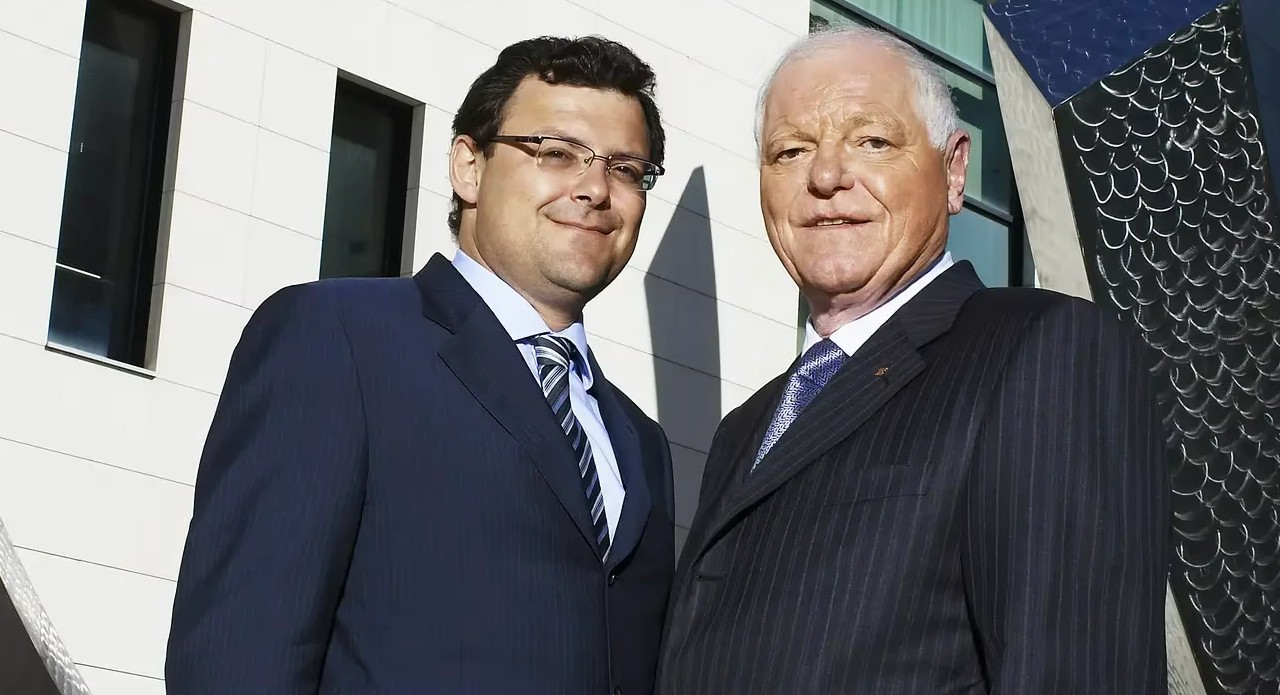


In the world of luxury watches, where names often compete through noise, marketing and mechanical fireworks, Patek Philippe has always followed a different rhythm. It has moved slowly, carefully and almost stubbornly, like a master craftsman refusing to rush a piece of art. Behind much of the modern identity of the brand stands Philippe Stern, a man who did not simply inherit a watchmaking dynasty but transformed it into an institution that became almost impossible to imitate.
Philippe Stern’s story is not about chasing trends or producing watches for the sake of volume. It is about protecting an idea: that a mechanical watch should be more than an object that tells time. It should carry history, craftsmanship and a piece of human ambition on the wrist. The Stern connection with Patek Philippe began decades before Philippe took the helm. The Stern family acquired Patek Philippe in 1932, ensuring the survival and independence of one of Switzerland’s most respected watchmakers during a difficult era for mechanical watchmaking.
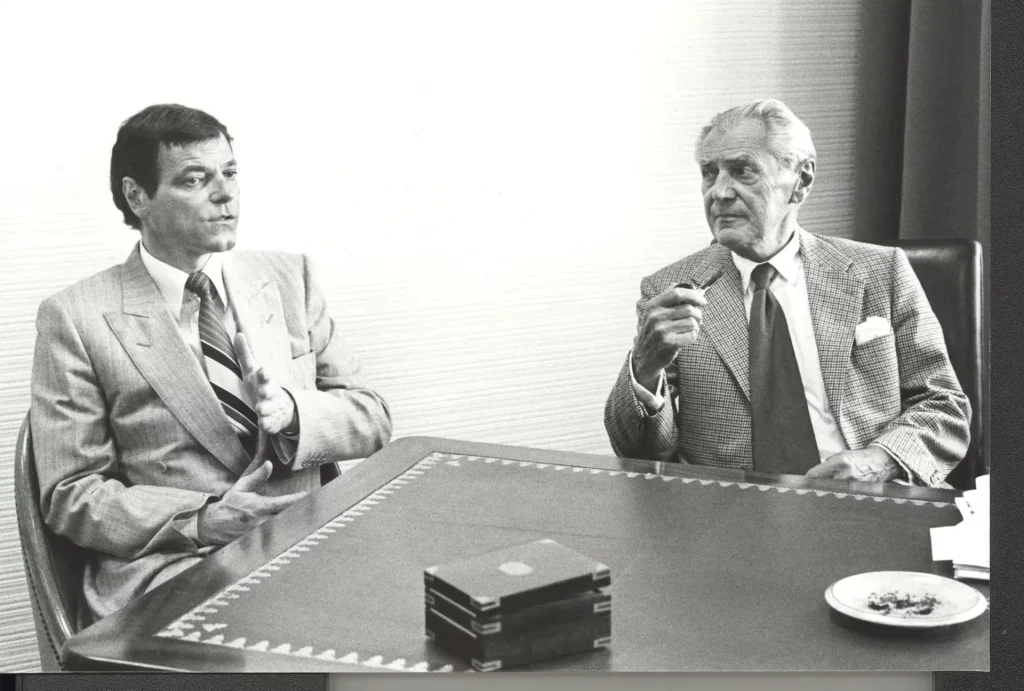
Philippe Stern joined the family business at a time when the industry was changing rapidly. In 1963, he became part of HSWA, the family’s watchmaking company, gaining experience and understanding the complexities behind running a manufacture that was built on tradition. By 1966, he returned to Geneva, bringing with him a broader vision for the future of Patek Philippe. He understood that preserving history did not mean standing still. The brand needed to evolve, but without sacrificing the values that made it exceptional.
Also Read: Patek Philippe Rare Handcrafts 2026 Exhibition: A Masterclass In Luxury Watch Artistry
When Philippe Stern became President of Patek Philippe in 1993, the company faced a challenge that many growing watchmakers encounter. Its production activities were spread across different locations, making coordination and craftsmanship increasingly complex. His solution was bold but logical: bring everything together. In 1996, Philippe Stern inaugurated a new manufacture in Geneva, creating a unified home where design, engineering, decoration, assembly and finishing could exist together. It was more than a building. It was a statement that true watchmaking required complete control over every detail.
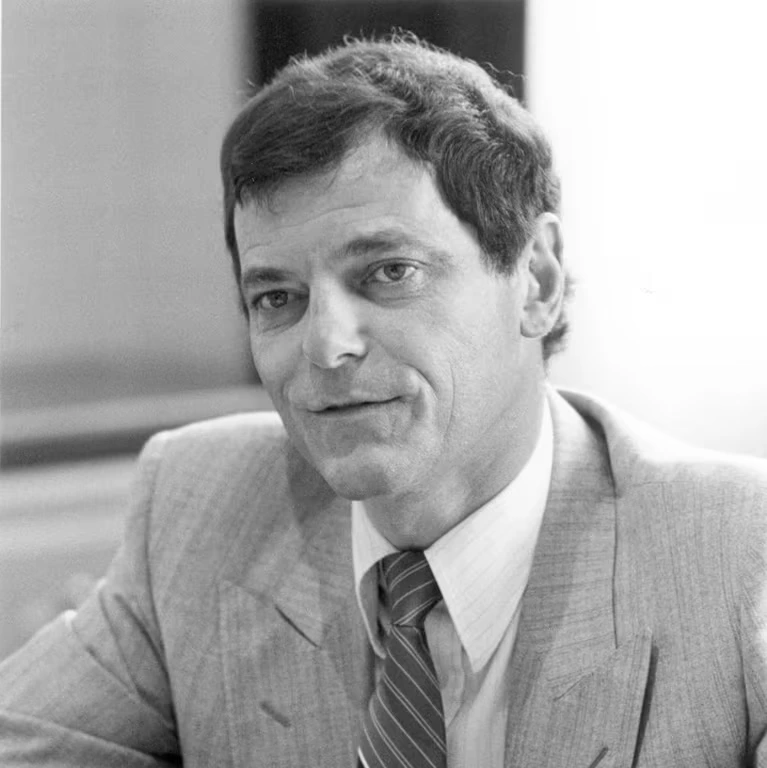
In an industry where many companies outsourced parts of production, Stern pushed Patek Philippe further toward independence, ensuring that every component reflected the standards expected from the brand. Most watchmakers focus on creating the next masterpiece. Philippe Stern also focused on preserving the masterpieces that came before.
After spending four decades collecting historic timepieces, he founded the Patek Philippe Museum in Geneva in 2001. The museum became one of the most important horological collections in the world, showcasing centuries of watchmaking evolution, rare complications and historical treasures. It was a reminder that a watch is not just a luxury object. It is a record of human ingenuity. From early pocket watches to extraordinary complicated movements, the museum demonstrated the full journey of timekeeping and secured Patek Philippe’s place not only as a manufacturer but as a guardian of horological history.
Philippe Stern’s attention to heritage extended to the brand’s legendary Geneva Salon. In 2006, he oversaw the inauguration of the fully renovated space, creating an environment that reflected the elegance, craftsmanship and exclusivity associated with Patek Philippe. The salon became more than a retail destination. It became a gateway into the world of the manufacture, where collectors could experience the philosophy behind each creation.
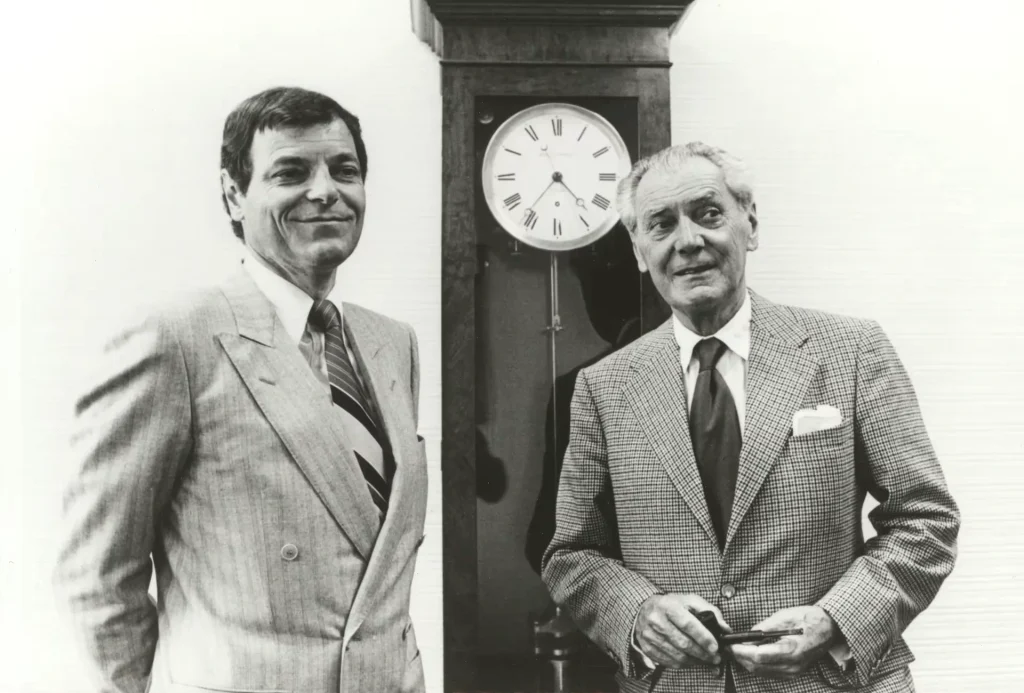
Perhaps one of Philippe Stern’s most significant contributions came in 2009 with the creation of the Patek Philippe Seal. At a time when external certifications and standards were becoming increasingly important, Stern believed that Patek Philippe needed its own benchmark. The seal represented the brand’s commitment to exceptional finishing, reliability, accuracy and long-term performance.
Also Read: Watches and Wonders 2026: Patek Philippe Unveils 2026 Lineup – Key Highlights
It was not simply another certification. It was a declaration of independence. The Patek Philippe Seal became a promise that every watch carrying the name would meet standards defined by the manufacture itself. Philippe Stern’s influence on Patek Philippe cannot be measured only through buildings, museums or technical achievements. His greatest achievement was protecting the soul of the brand while allowing it to grow.
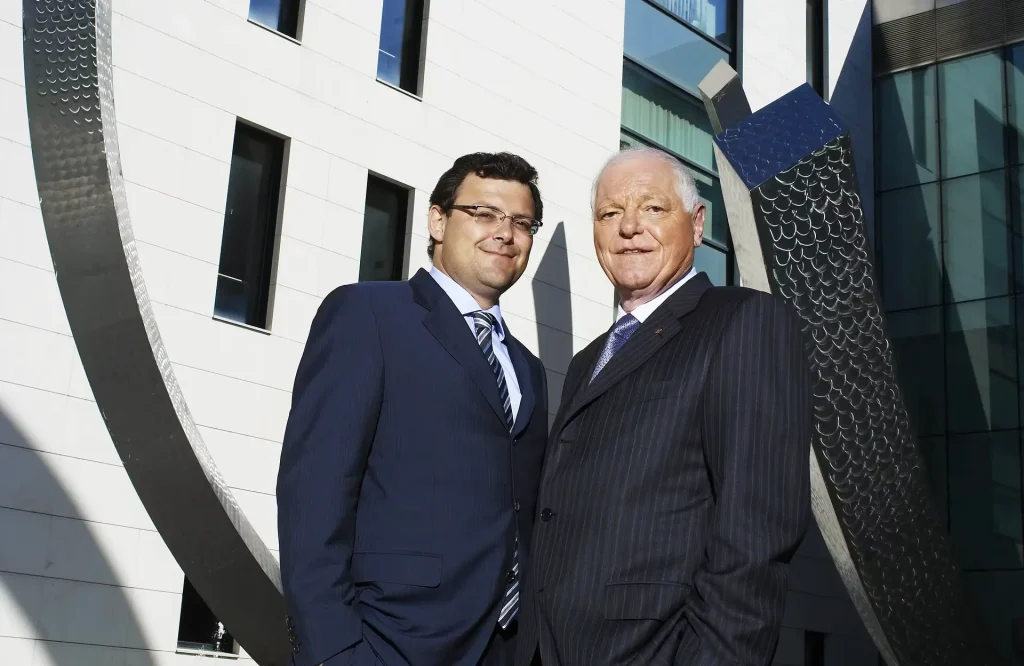
He understood something that many luxury brands struggle with: true exclusivity does not come from scarcity alone. It comes from history, craftsmanship, and the confidence to do things differently. Under his leadership, Patek Philippe became more than a watchmaker. It became a symbol of patience, precision, and permanence. In an industry obsessed with the next big thing, Philippe Stern built something far more difficult: a legacy that refuses to age.