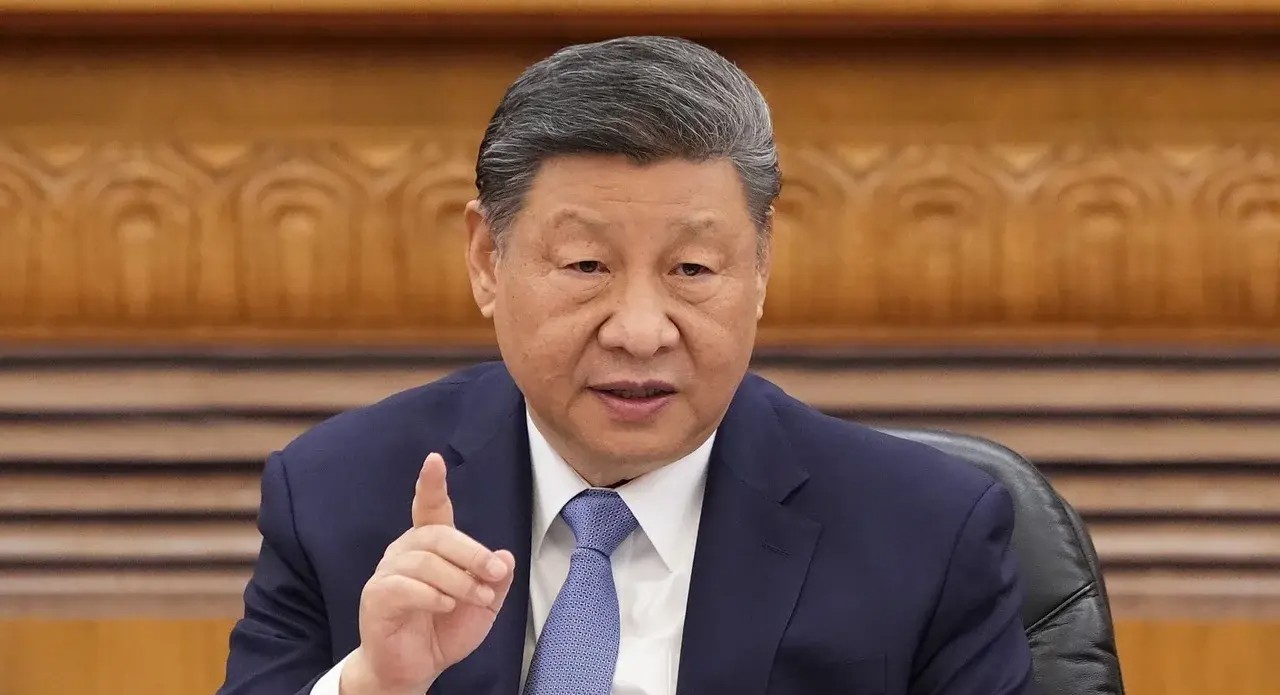


Luxury usually likes to be seen. It comes with enormous gates, dramatic driveways, marble foyers and enough glass to make sure the neighbours know exactly how well you are doing. But in Beijing, some of the world’s most exclusive real estate follows an entirely different philosophy. It hides. At the centre of China’s political universe is Zhongnanhai, a sprawling and intensely guarded compound immediately west of the Forbidden City. More than a conventional residence, it functions as a headquarters of China’s Communist Party and government leadership, combining offices, meeting spaces, historic buildings, gardens and residential facilities behind its walls. For Xi Jinping, China’s president and the country’s most powerful political figure, this is less a mansion than a private political world. And that is precisely what makes it fascinating.
Zhongnanhai translates roughly as “Central and Southern Seas”, a reference to the two historic lakes around which the compound developed. The landscape is considerably older than the People’s Republic of China itself, with imperial connections stretching back centuries. The area formed part of the wider imperial landscape surrounding the Forbidden City and was developed over successive dynasties. Pavilions, gardens, waterways and traditional Chinese architecture transformed the area into an elegant retreat for China’s rulers and officials.
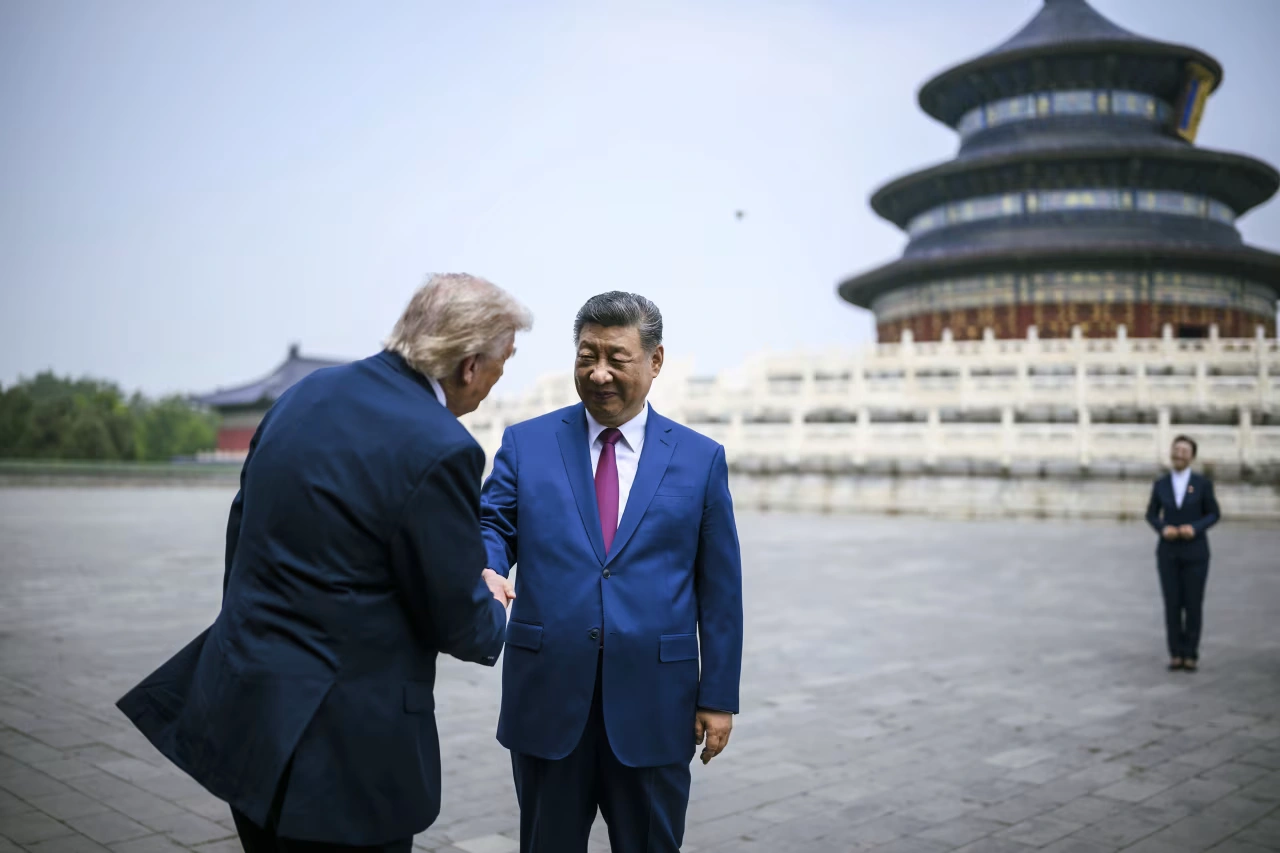
Today, the atmosphere is rather different. The gardens remain, the lakes remain and many historic structures remain, but the principal occupants are no longer emperors wandering through imperial gardens. They are China’s political leadership, conducting meetings that can have consequences far beyond Beijing.
Also Read: Vladimir Putin’s Residence: Inside the Russian President’s Luxurious Official Home
It is difficult to think of a better example of real estate where location is everything. Unlike presidential residences such as the White House or the Élysée Palace, Zhongnanhai is not presented to the world as Xi Jinping’s personal home. It is a working political compound with residential facilities, and details about exactly where Xi lives within the complex are deliberately limited. That secrecy is part of its appeal. There are no glossy architectural tours showing the president’s bedroom, no celebrity style home interiors and no estate agent wandering around explaining the marble used in the bathroom. The Chinese leadership’s private spaces are kept firmly away from public view.
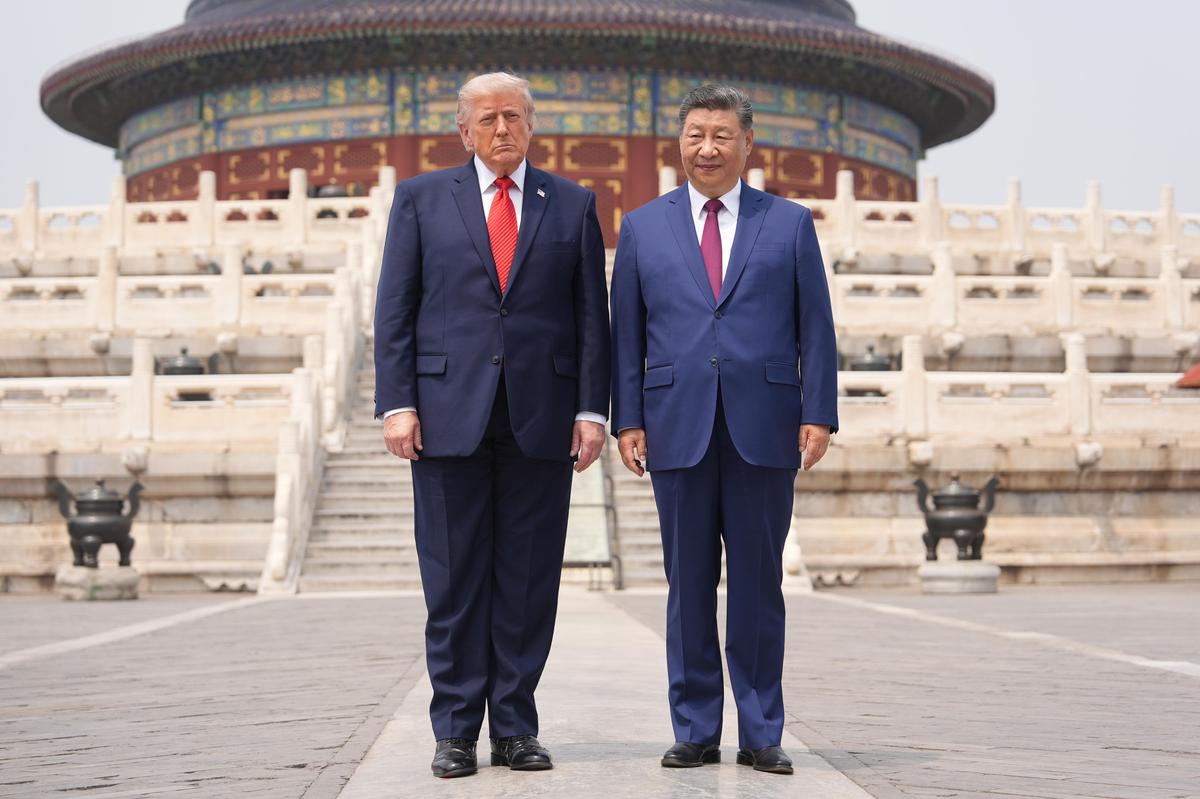
What can be seen, however, is the extraordinary environment surrounding them. Zhongnanhai combines traditional buildings, carefully maintained gardens and water features with modern administrative facilities. It is a place where a centuries old pavilion can exist within walking distance of offices handling some of the world’s most consequential political decisions. The Luxury Is In The Privacy
This is perhaps where Zhongnanhai differs most dramatically from the conventional definition of luxury. There is almost certainly no requirement for the compound to prove its wealth through excessive decoration. The exclusivity comes from something considerably harder to buy: privacy in the middle of one of the world’s busiest capital cities. Beijing is a vast metropolis of more than 20 million people, yet Zhongnanhai provides China’s senior leadership with a remarkably secluded environment in the centre of it. Its walls separate the political elite from the noise and movement of the surrounding city.
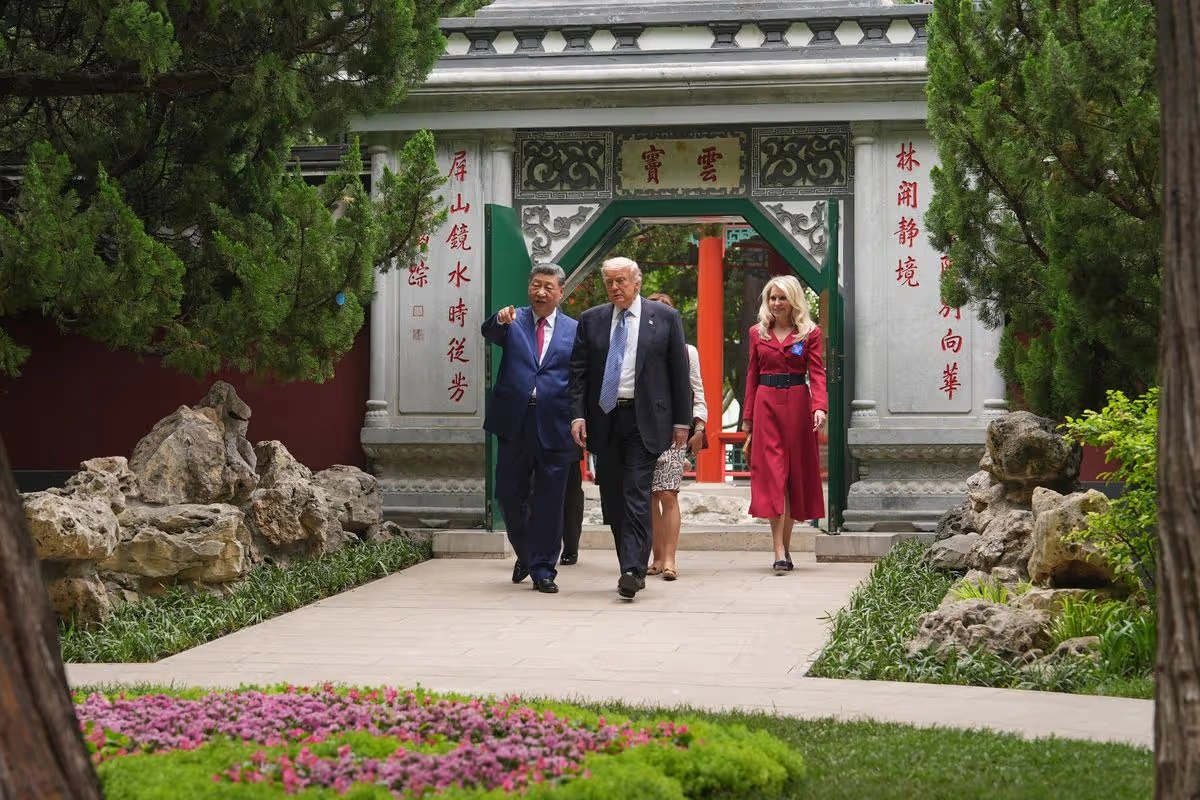
In luxury real estate terms, that is an extraordinary proposition. Forget the infinity pool. Try finding a property in Beijing where the entire neighbourhood is effectively inaccessible to the general public. Zhongnanhai is also fascinating because its value cannot really be measured in square metres. It is a place where architecture and political symbolism overlap. Meetings held inside its buildings can involve China’s most senior officials. Major policy decisions are discussed within its grounds, while state affairs that affect global markets, international relations and China’s domestic direction are handled behind some of Beijing’s most discreet walls.
For Xi Jinping, therefore, Zhongnanhai is simultaneously workplace, residence, political headquarters and symbol. It does not need a gigantic driveway or a fleet of exotic cars to establish its importance. The fact that it sits beside the Forbidden City and remains one of Beijing’s most restricted addresses does the job rather effectively. There are presidential homes around the world that compete through sheer architectural extravagance. Some occupy palaces, others enormous country estates, while some sit on spectacular coastlines. Zhongnanhai plays a different game.