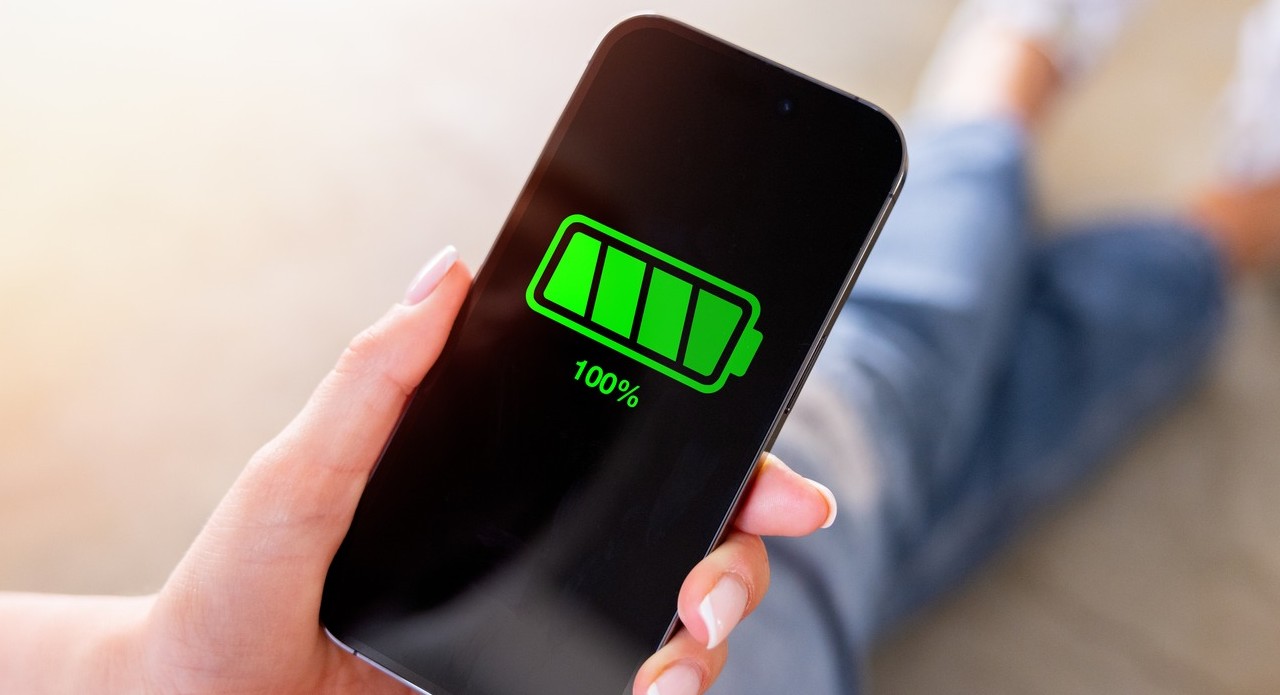


 That comforting sight of a fully charged phone at 100% might actually be one of the worst habits for your battery, because modern lithium-ion cells prefer balance over extremes, and constant full charging can slowly shorten the life of the device you rely on every single day. There is something strangely satisfying about seeing your phone hit 100 percent. It feels complete, responsible, almost virtuous. Like topping up a fuel tank before a long drive or polishing your shoes before a meeting. Full is good. Full means prepared. Full means safe.
Except, in the world of lithium-ion batteries, full is not always good. In fact, it can be slightly cruel. Your smartphone battery is not some endlessly patient little power box sitting quietly in the corner. It is a chemical system, delicate and surprisingly moody, and it prefers moderation. Keeping it pinned at 100 percent for hours, especially overnight, places the battery under higher voltage stress. Think of it as forcing an athlete to remain in a full sprint while standing still. It works, but it is not particularly healthy.
Most modern phones use lithium-ion batteries, and these batteries age based on charge cycles, heat, and voltage stress. Charging to 100 percent regularly increases that stress, especially when combined with heat from fast charging, gaming, or simply leaving the phone under a pillow like some sort of technological sandwich. Manufacturers know this, which is why many flagship devices from companies like Apple and Samsung now include battery optimization features. These systems often pause charging at around 80 percent and only complete the final stretch when they predict you are about to wake up or unplug. Your phone, in many ways, is trying to save you from yourself.
Now, to be clear, charging to 100 percent is not a crime against engineering. If you are travelling, shooting content, navigating all day, or simply need every possible drop of battery life, charge it fully and move on with your life. The issue is not occasional full charging. It is making it a daily ritual without necessity. The sweet spot for long-term battery health is generally between 20 and 80 percent. This range reduces chemical strain and helps preserve battery capacity over time. It is less dramatic, less emotionally satisfying, but much smarter. Like eating salad instead of chips.
Then there is heat, the true villain of battery life. Heat does more damage than percentage ever will. So no, your phone will not explode because you charged it to 100 percent last night. But if you do it every day for two years and then complain that your battery now dies faster than your weekend motivation, well, the answer was quietly glowing on your bedside table all along. Sometimes, the healthiest relationship with your phone is knowing when enough is enough. Even at 80 percent.