

There is an understandable tendency in modern watchmaking to look through the back of a timepiece. Exhibition casebacks have turned movements into miniature theatres, allowing collectors to admire hand finishing, complicated mechanisms, innovative escapements and the increasingly sophisticated use of materials such as silicon. Yet, for all the fascination surrounding what happens beneath the dial, it is the dial itself that commands our attention for most of the day. It is the first thing we see when we glance at a watch and, increasingly, it is where brands demonstrate an extraordinary degree of creativity. A dial can be painted, fired, polished, carved, layered, hammered, cut from stone or even sliced from a piece of rock that spent millions of years travelling through space. Some materials have histories stretching back thousands of years, while others emerged from comparatively modern manufacturing techniques. Together, they tell a fascinating story about how watchmaking has progressed from simple portable clocks to objects of extraordinary artistic and technical refinement.
Where The Watch Dial Began
The earliest watches, appearing around 1510, were essentially miniature clocks designed to be carried around rather than worn on the wrist. These early Nuremberg eggs associated with Peter Henlein established many of the principles that would eventually define the wristwatch. Their brass dials were functional but decorative, often featuring engraved Roman numerals and elaborate floral motifs. Accuracy, however, was nowhere near what we take for granted today. Movements could lose or gain hours in a single day, meaning that a minute hand was hardly useful. Early watches therefore generally displayed only the hour. Arabic numerals eventually joined Roman numerals, while protective crystals were yet to become standard. Many watches instead relied on hinged metal covers, offering limited protection against dust and water. From these relatively rudimentary beginnings, the dial gradually became a canvas for decoration, experimentation and craftsmanship.
Grand Feu Enamel Is Fired Luxury
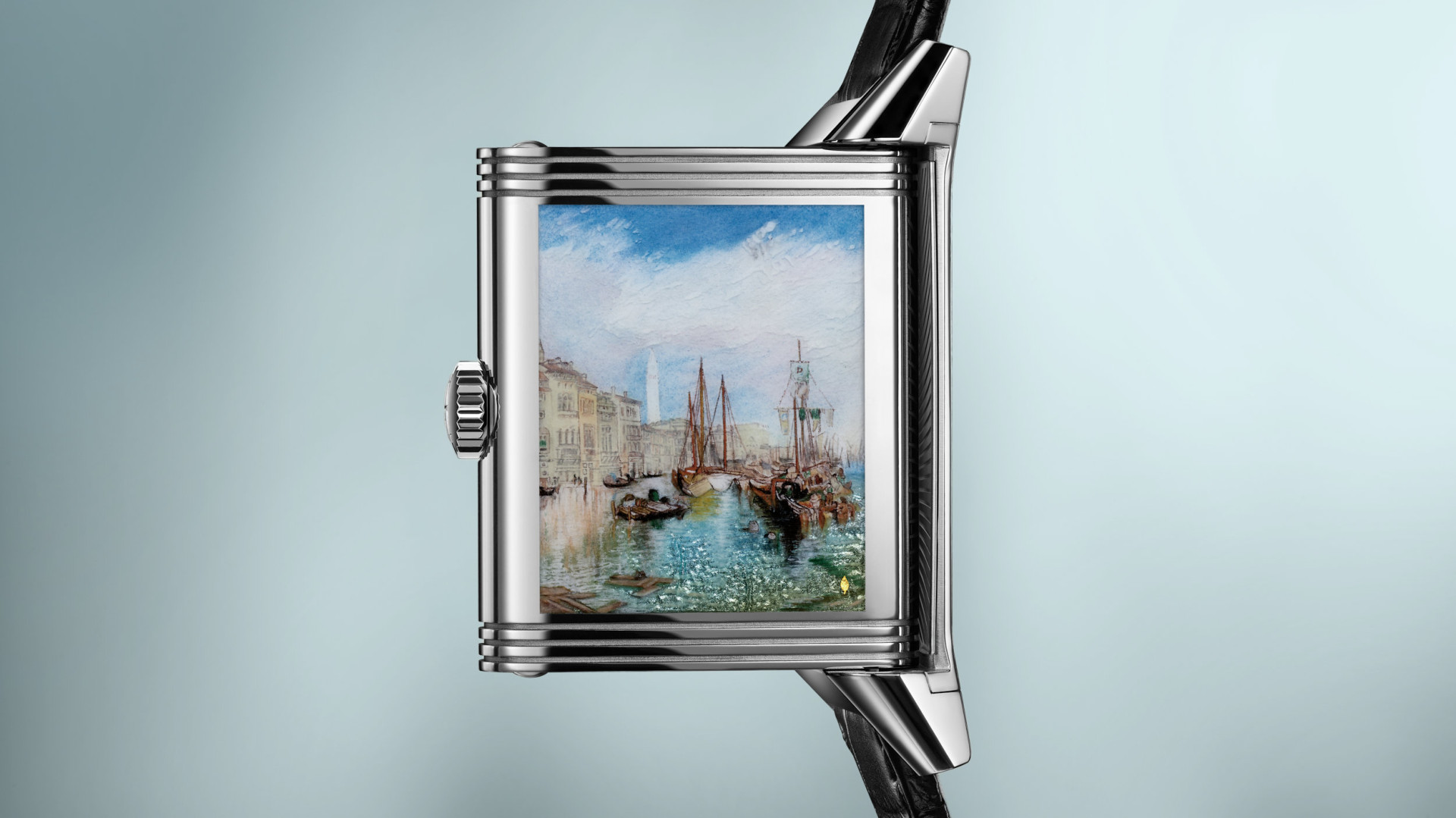
Few dial materials possess quite the combination of history, beauty and difficulty associated with vitreous enamel. Its origins stretch back millennia, with early examples discovered on gold rings from Mycenaean tombs in Cyprus dating to the 13th century BC. The basic principle is deceptively simple. Finely powdered glass is fused onto a metal surface through intense heat, generally in multiple layers. In watchmaking, however, achieving a flawless result is anything but simple.
Grand Feu, meaning “great fire”, represents a particularly demanding form of vitreous enamelling. The silica powder is fired onto a metal blank, usually copper, at temperatures of approximately 800°C to 900°C. The heat produces remarkable depth and clarity, but it also introduces numerous opportunities for failure. Thermal shock can crack the enamel, microscopic particles of dust can spoil the surface, air bubbles can leave imperfections and the metal blank itself can warp. The process is repeated layer after layer, with six to 20 layers sometimes used to achieve the desired colour and depth. Each additional firing brings another opportunity for something to go wrong.
Also Read: Emmys 2026: A Closer Look At The Watches Worn on The Red Carpet
When Enamel Becomes An Art Form
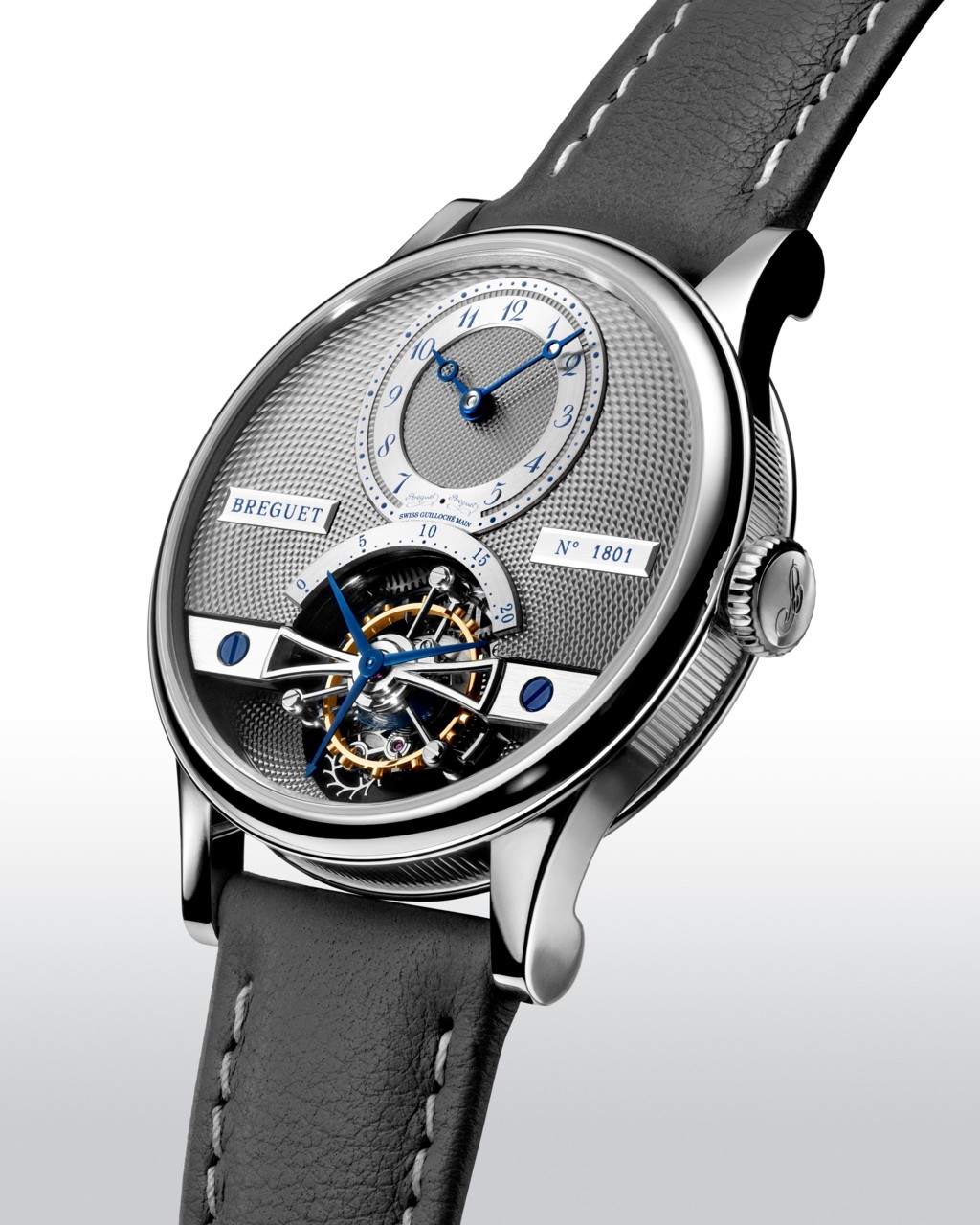
Grand Feu can become even more elaborate when combined with specialist techniques. Cloisonné enamel uses extremely fine wires to create individual compartments that are subsequently filled with coloured enamel, allowing artisans to create everything from birds and fish to ships and landscapes. Grisaille takes an entirely different route, using layers of white enamel over a dark base to create monochromatic images through carefully constructed highlights and shadows. Paillonné introduces tiny pieces of hand cut gold or silver foil between layers of transparent enamel, creating shimmering three dimensional patterns.
Then there is plique à jour, in which the enamel has no conventional base beneath it. Instead, it sits within delicate gold or silver structures, producing an effect reminiscent of stained glass as light passes through the finished dial. While these techniques remain associated with haute horlogerie, enamel is no longer restricted entirely to the uppermost reaches of the industry. Independent brands such as anOrdain have made in house enamel a defining part of their identity, while Seiko’s Presage Enamel Series has brought the technique to a considerably broader audience.
Lacquer Brings A Different Kind Of Depth
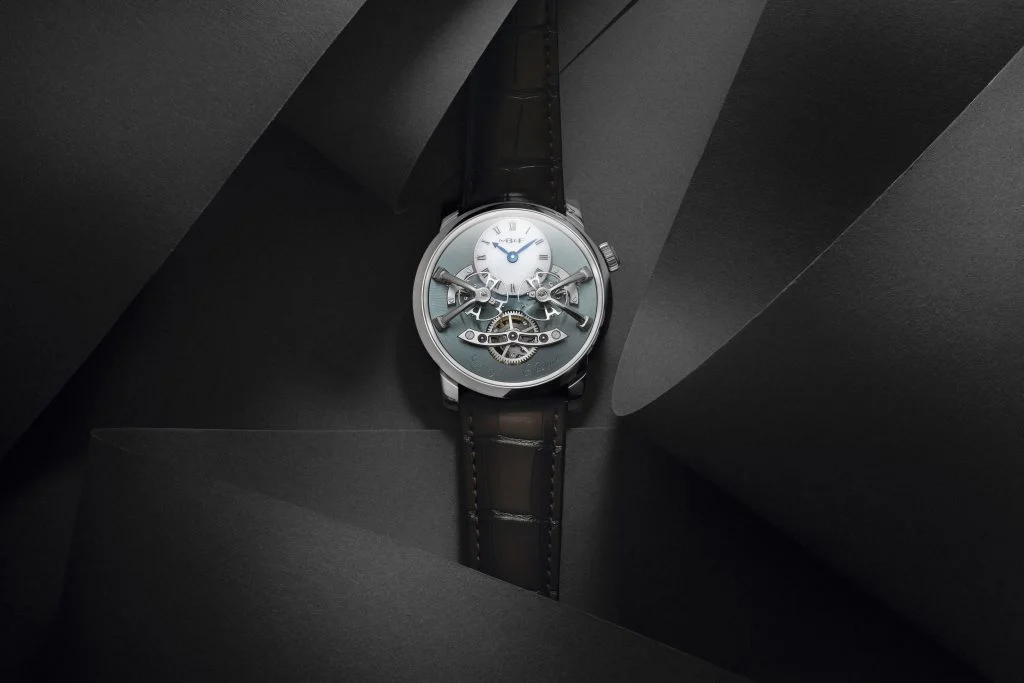
Lacquer emerged during the 20th century as a more practical alternative to enamel. It was cheaper, easier to work with and capable of delivering rich colours and considerable visual depth without the extreme firing process. Japan’s Urushi tradition, however, brings an entirely different dimension. The natural lacquer comes from the sap of the lacquer tree, Toxicodendron vernicifluum. The trees need to reach around 15 years of age before harvesting, while sap collection takes place between June and October. The process remains remarkably artisanal. Layers of lacquer are applied, cured inside specialised humid cabinets and sanded repeatedly. Minerals can be introduced to alter the colour, while iron particles can help create the deep black associated with traditional Urushi work.
Porcelain Is A Study In Fragility
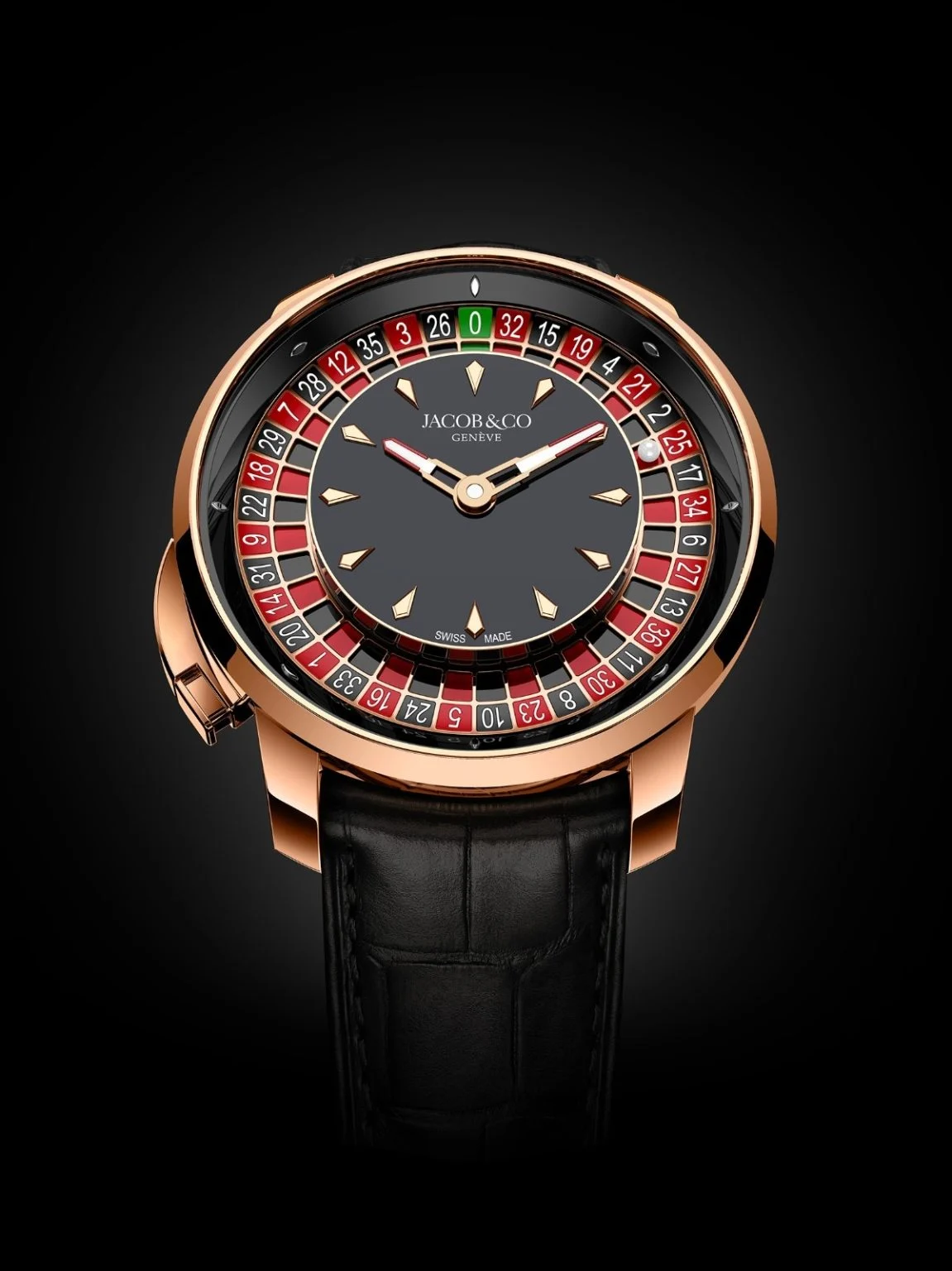
Porcelain may look deceptively similar to enamel on the wrist, but the two are fundamentally different. Enamel is essentially powdered glass fused onto metal, whereas porcelain begins with clay, predominantly kaolinite, which is fired at temperatures exceeding 1,200°C. That intense heat produces a dense and refined material, but it also creates enormous technical challenges. Porcelain shrinks during firing, while the finished dial must ultimately be sanded to an extraordinarily thin dimension, sometimes a millimetre or less. At that thickness, even minor imperfections can render the component unusable. Porcelain has an extraordinary history of its own. Originating in China, it eventually became highly prized in Europe, where its rarity earned it the evocative nickname “white gold”. Today, porcelain remains considerably less common in watchmaking than enamel, although brands such as Seiko continue to preserve the tradition.