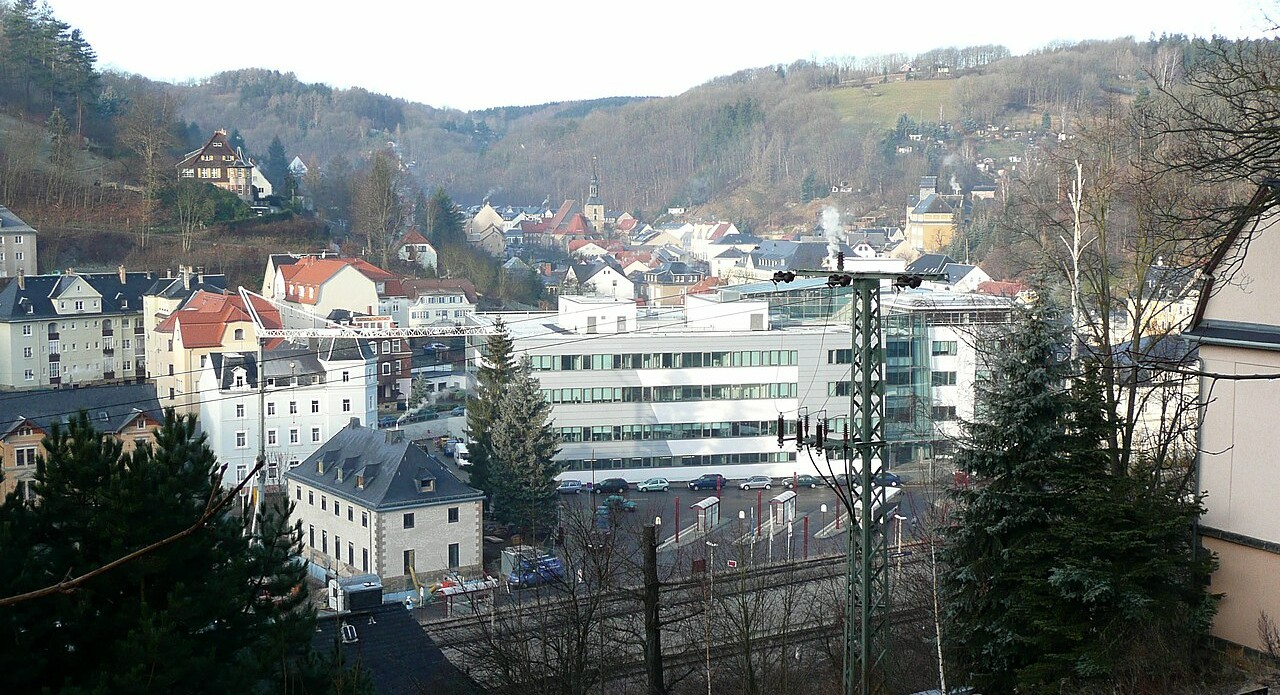


Long before Glashütte became synonymous with finely finished movements and restrained German luxury, it was a small town in Saxony whose fortunes were tied largely to mining. Its transformation into one of Europe’s most important watchmaking centres began in the 19th century, when Ferdinand Adolph Lange recognised an opportunity to establish a sustainable watchmaking industry in the region. In 1845, Lange founded his workshop in Glashütte, training local craftsmen and laying the foundations for an industry that would eventually put this otherwise quiet corner of Germany on the global horological map. What followed was a remarkable evolution, shaped by master watchmakers, precision engineering, political upheaval and an enduring commitment to craftsmanship.
The town’s watchmakers developed a distinctly German visual and technical language, characterised by three quarter plates, hand engraved balance cocks, screwed gold chatons, restrained dials and an almost architectural approach to movement construction. Even the difficult years of war, division and the East German era could not erase Glashütte’s watchmaking identity. After reunification, the revival of mechanical watchmaking brought renewed international attention to the town, with historic names returning alongside new interpretations of traditional Saxon craftsmanship. Today, Glashütte represents something more meaningful than a geographical address. It is a living chapter of European watchmaking history, where old techniques continue to influence some of the most compelling mechanical watches being made today.
A. Lange & Söhne
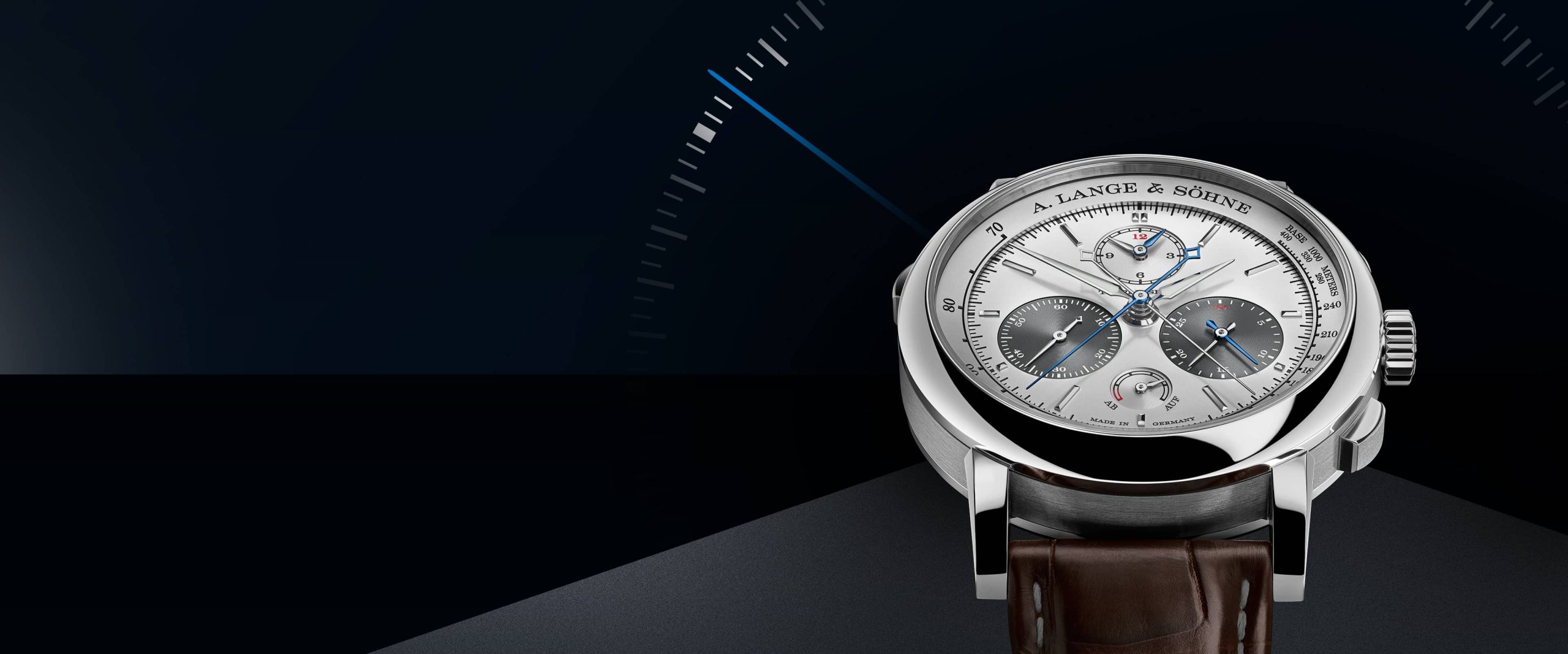
The story of modern Glashütte watchmaking begins with A. Lange & Söhne. In 1845, Ferdinand Adolph Lange established his watchmaking workshop in Glashütte with financial support from the Kingdom of Saxony, helping transform the struggling former mining town into a centre of precision watchmaking. Lange trained local craftsmen and created the foundations for what would become the distinctive Saxon approach to mechanical watchmaking. The company went on to produce highly regarded pocket watches, marine chronometers and precision timepieces before being absorbed into state ownership after the Second World War. The name disappeared for several decades until Walter Lange, Ferdinand Adolph Lange’s great grandson, revived the manufacture in 1990 following German reunification. Its rebirth culminated in 1994 with the launch of four inaugural watches, including the Lange 1, which quickly became an icon of modern German haute horlogerie.
Glashütte Original
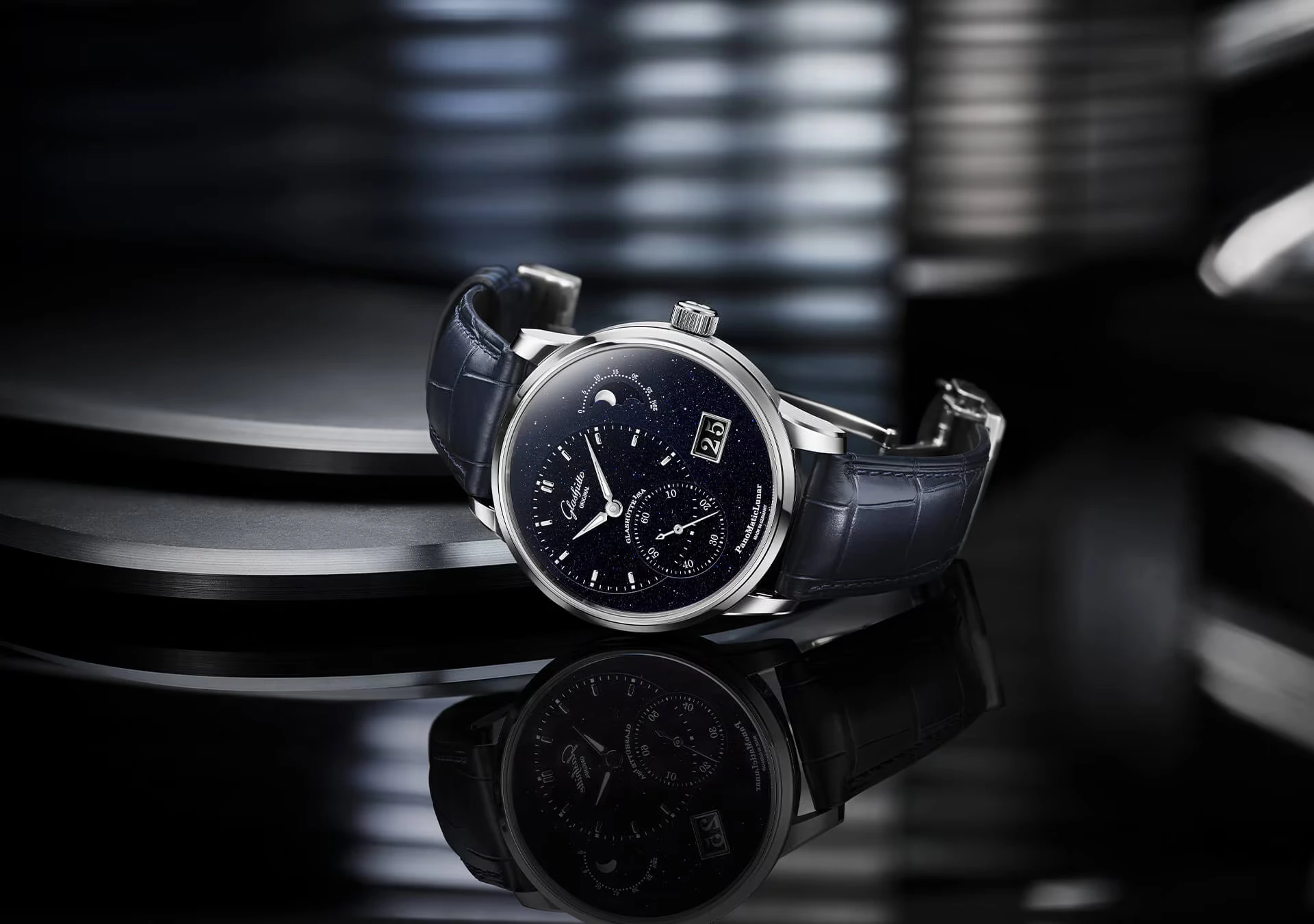
Glashütte Original has perhaps the most direct connection to the collective history of Glashütte. Its roots stretch back to 1845, while its modern identity emerged from Glashütter Uhrenbetriebe, the state owned organisation that brought the town’s remaining watchmaking companies together in 1951. After reunification, Glashütter Uhrenbetrieb GmbH became the legal successor to the majority of the watchmaking enterprises that had existed in Glashütte after the Second World War. The brand adopted the name Glashütte Original in 1994, deliberately choosing a name that represented the broader heritage of the town rather than reviving just one historical manufacturer. Today, its manufacture combines traditional Saxon decoration with modern production, with the brand stating that up to 95 per cent of its watch components are made in house.
Union Glashütte
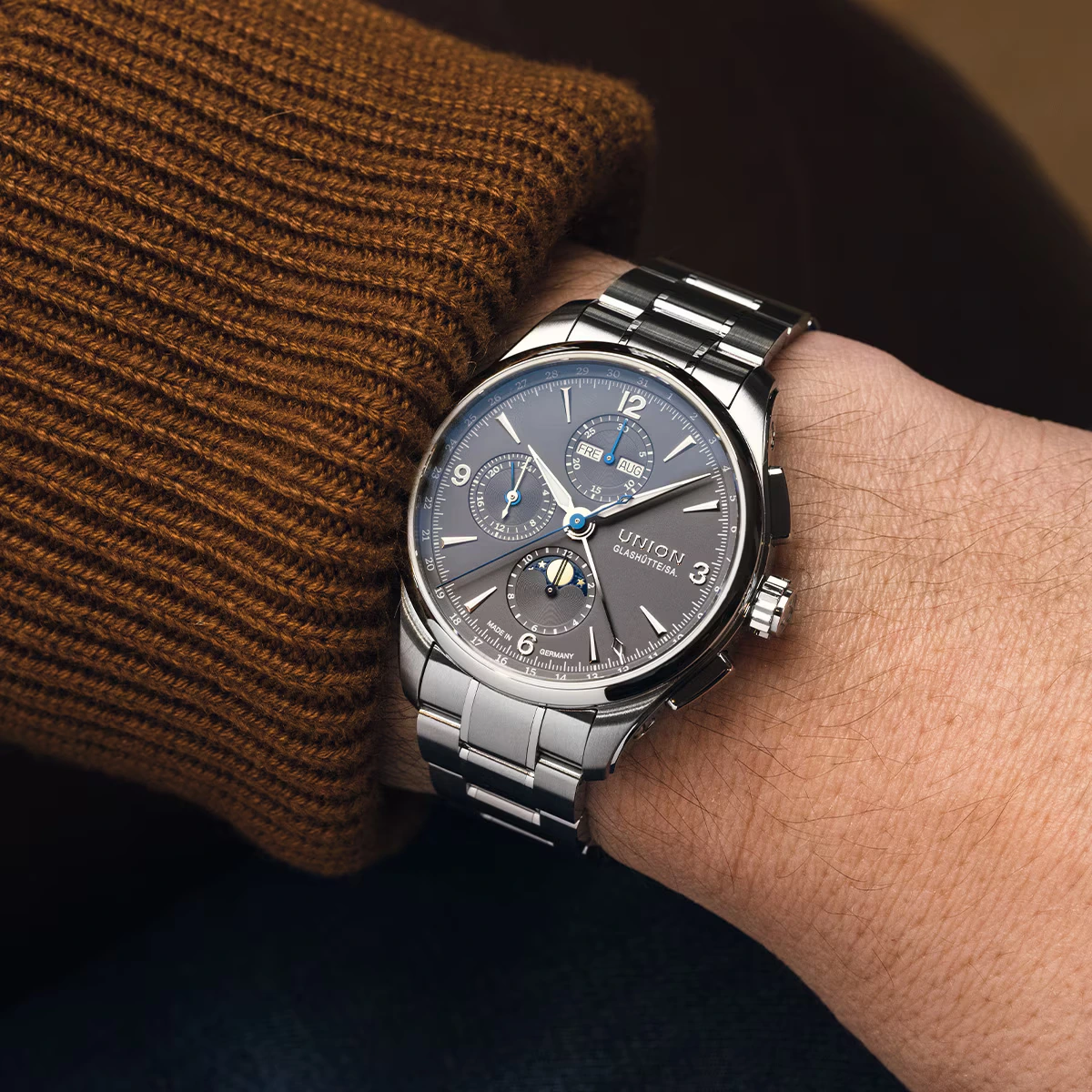
The history of Union Glashütte goes back to Johannes Dürrstein, who established a watch wholesaling business in Dresden in 1874 and became a distributor for A. Lange & Söhne. Two decades later, Dürrstein decided to create his own watchmaking operation. In 1893, he founded the Uhrenfabrik Union in Glashütte, with watchmaker and technical expert Julius Bergter as its director. The company produced everything from relatively accessible pocket watches to highly complicated pieces, including a Grande Complication presented at the 1893 Chicago World’s Fair. The original company eventually disappeared during the economic turmoil of the 1920s, but the Union name was revived in the modern era and remains associated with Glashütte’s tradition of combining German mechanical watchmaking with a comparatively approachable price point.
Also Read: How Jura Mountains Shaped The Swiss Watchmaking Industry
Tutima Glashütte
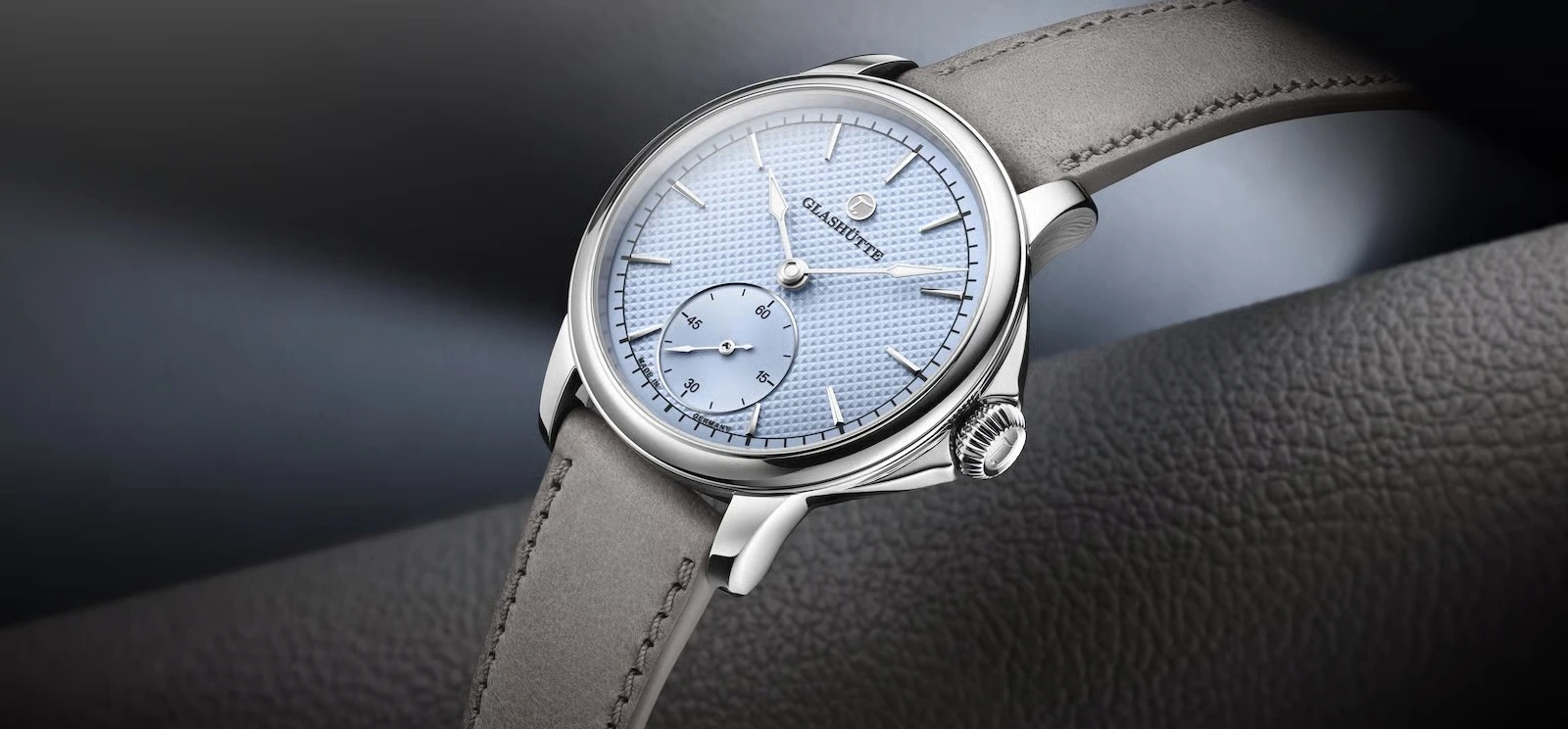
While Glashütte is often associated with elegant dress watches and finely decorated movements, Tutima Glashütte represents its more rugged side. The origins of the brand date to 1927, when UROFA and UFAG were established in Glashütte under Dr Ernst Kurtz. Kurtz recognised that the future of watchmaking was increasingly moving towards the wristwatch, and the company’s reliable and durable watches were given the name Tutima, derived from the Latin word for safe or secure. The brand became particularly associated with robust professional timepieces, chronographs and pilot watches. Its history also connects it to the wider industrial watchmaking story of Glashütte, where technical reliability was valued alongside decorative craftsmanship.
Moritz Grossmann
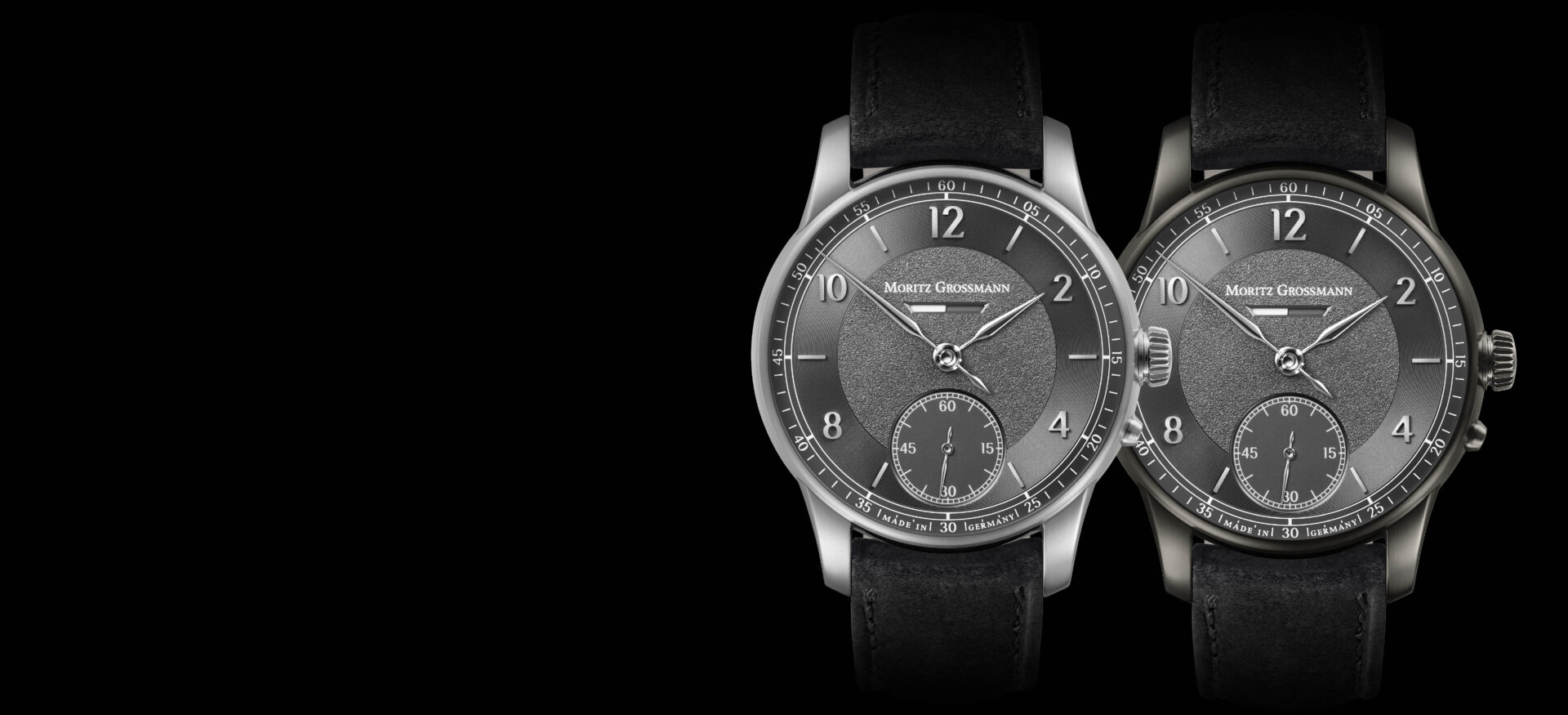
Moritz Grossmann is one of Glashütte’s most intriguing modern revivals because its name belongs to one of the town’s original watchmaking pioneers. Karl Moritz Grossmann was an important 19th century Glashütte watchmaker and a central figure in the establishment of the German School of Watchmaking in 1878. More than a century later, Christine Hutter revived his name and established the modern Moritz Grossmann manufacture in Glashütte in 2008. The contemporary brand deliberately embraces the restrained, artisanal character associated with historic Saxon watchmaking, with hand finished movements, finely shaped hands and distinctive German movement architecture. Its production remains deliberately small, giving the brand an independent and highly artisanal position within modern Glashütte.