

Richard Mille arrived in modern watchmaking at the turn of the millennium with an idea that sounded almost deliberately provocative: a luxury watch should be treated like a high performance machine. Instead of simply polishing the case, decorating the movement and charging a fortune for the privilege, the brand began experimenting with materials, architecture and engineering principles normally associated with aerospace, motorsport and advanced manufacturing. The watches looked extraordinary, certainly, but underneath the tonneau shaped cases was something considerably more important: a complete rethink of how a mechanical watch could be constructed. This was not merely about making expensive watches. It was about making watches that behaved like machines.
When Carbon Became Architecture
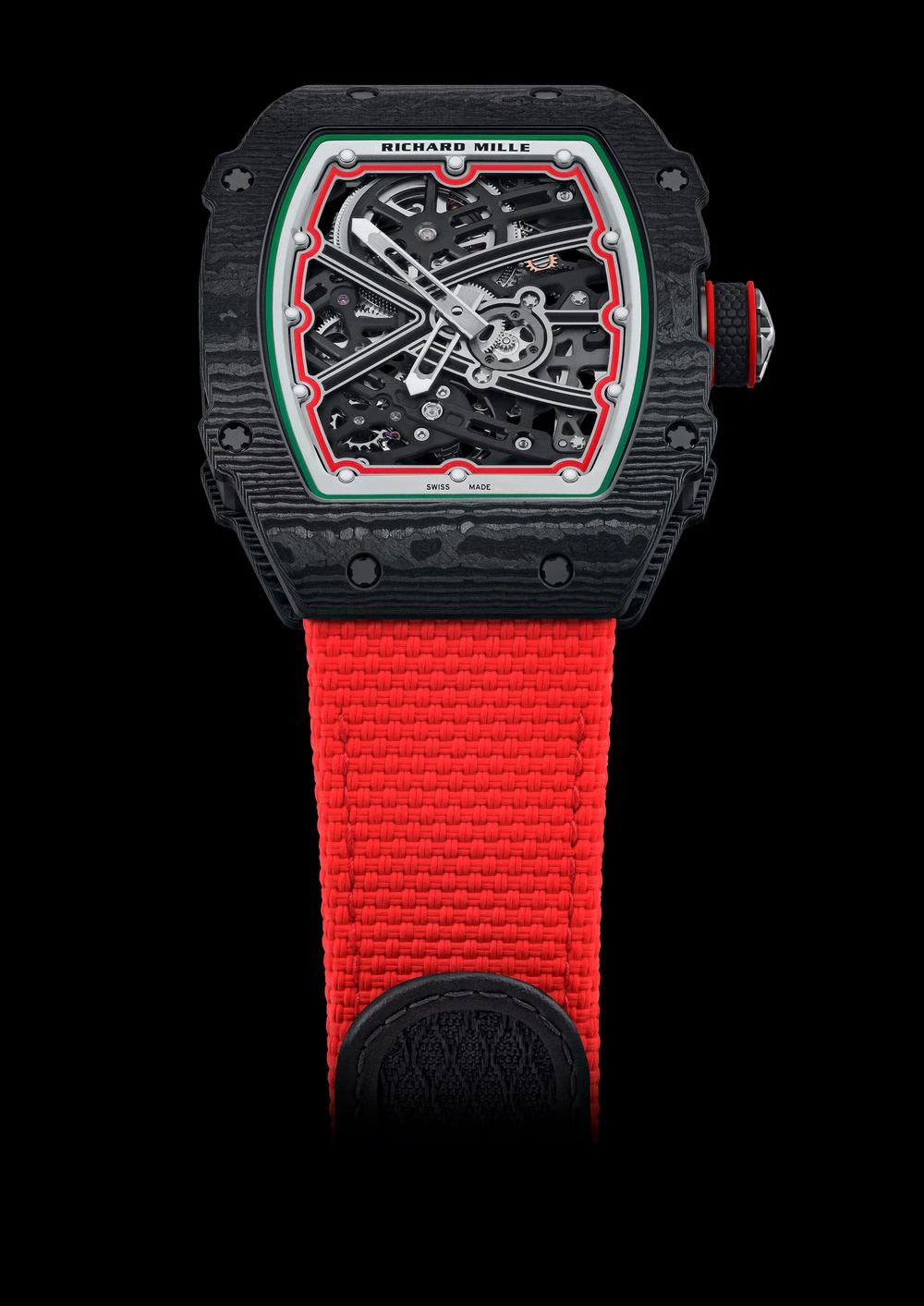
Carbon fibre had already established itself in Formula 1, aerospace and high performance engineering because it is extraordinarily strong for its weight. Richard Mille took that principle and asked a rather obvious question: why should the wristwatch be left behind? The answer came through materials such as carbon nanofibre, Carbon TPT and Quartz TPT, allowing the brand to construct cases with remarkable strength and extremely low weight. Carbon TPT, made from thin layers of carbon filaments arranged in alternating directions and consolidated under pressure, gives Richard Mille cases their distinctive striated appearance while providing exceptional mechanical properties. But the real significance is not that the watches look like racing cars. It is that the material is being used structurally. The case is no longer simply a container protecting the movement. It becomes part of the engineering equation.
Also Read: IWC x Mercedes-Benz: A Limited-Edition Big Pilot’s Watch Marks 140 Years of Mercedes-Benz
A Case That Thinks Like A Machine
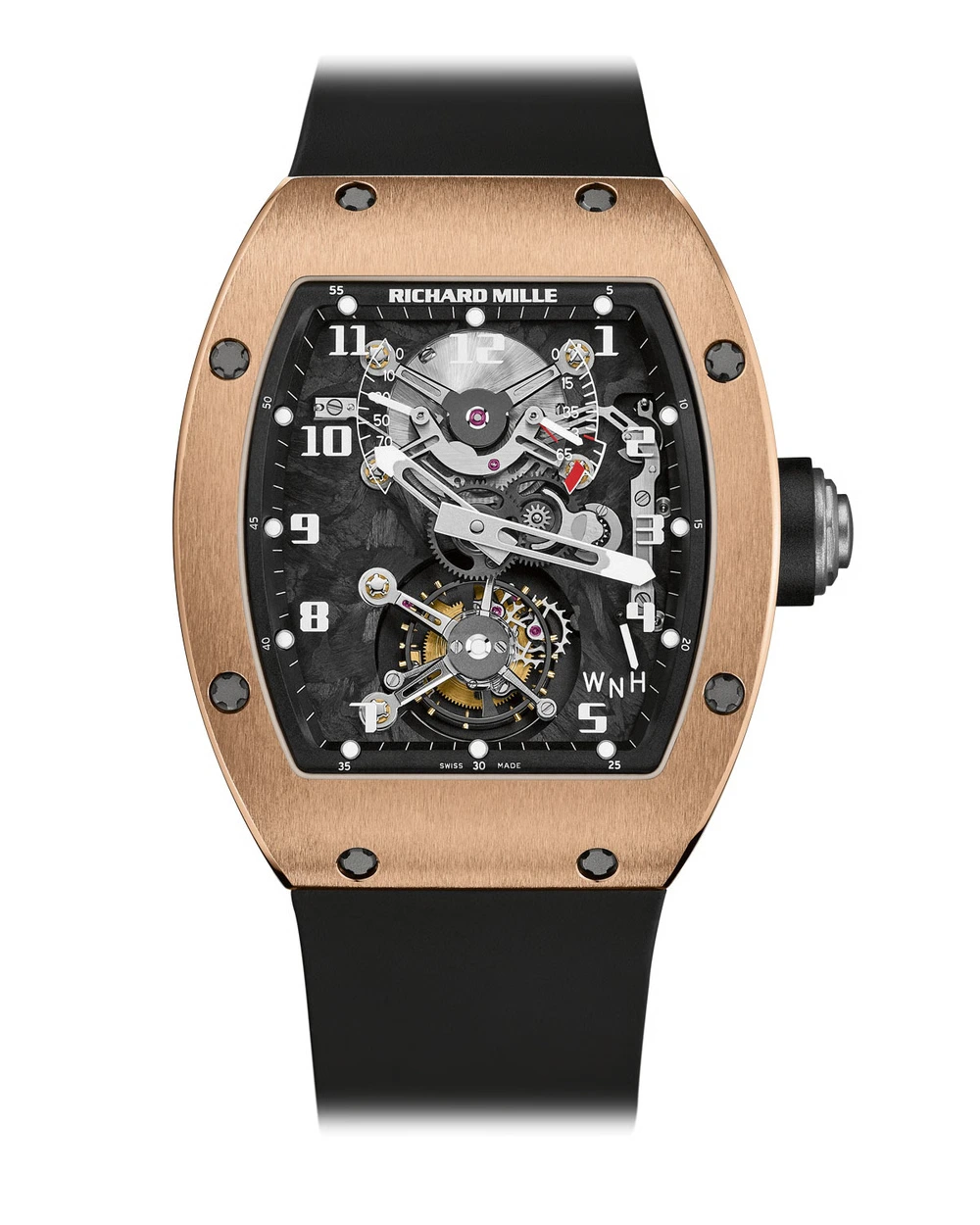
Traditional watchmaking tends to treat the case as a protective shell. Richard Mille treats it rather more like a chassis. Its tonneau shaped cases are constructed from multiple components that work together, with the movement suspended within the case through an elaborate system of screws, supports and technical interfaces. The architecture is deliberately visible, allowing the wearer to see bridges, gears, screws and other components working together through the dial and case. Titanium has also become an important part of this philosophy, particularly in movement construction, because of its combination of strength, corrosion resistance and relatively low weight. The result is a watch in which virtually every component appears to have been designed for a reason. There is very little room for decorative nonsense when the objective is to create a mechanical system that performs under extreme conditions.
Titanium Architecture Changed The Rules
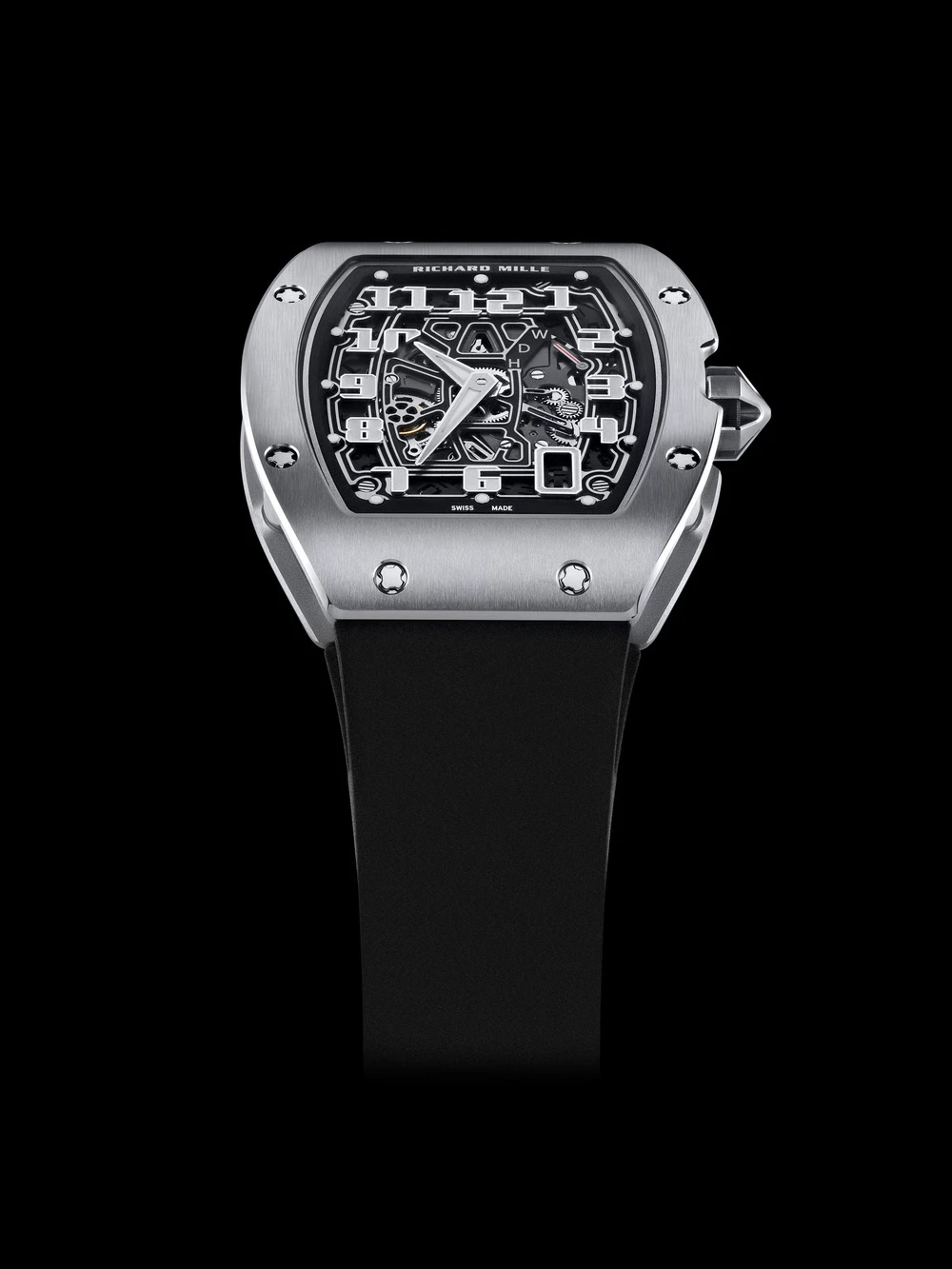
Titanium is one of those materials that sounds rather dull until you start asking why engineers like it so much. It is light, strong, corrosion resistant and remarkably well suited to applications where every gram matters. Richard Mille uses titanium extensively in movement architecture, particularly for bridges and baseplates, where reducing mass without sacrificing rigidity becomes critical. This is particularly important in complicated movements because a lighter and stiffer construction can help control the behaviour of the mechanism under acceleration and shock. The material also gives the movements a distinctive technical appearance, with surfaces that look less like traditional haute horlogerie and more like something extracted from an aerospace laboratory.
Also Read: 5 Micro Timepiece Brands Making an Impact on Luxury Watchmaking
Extreme Shock Resistance
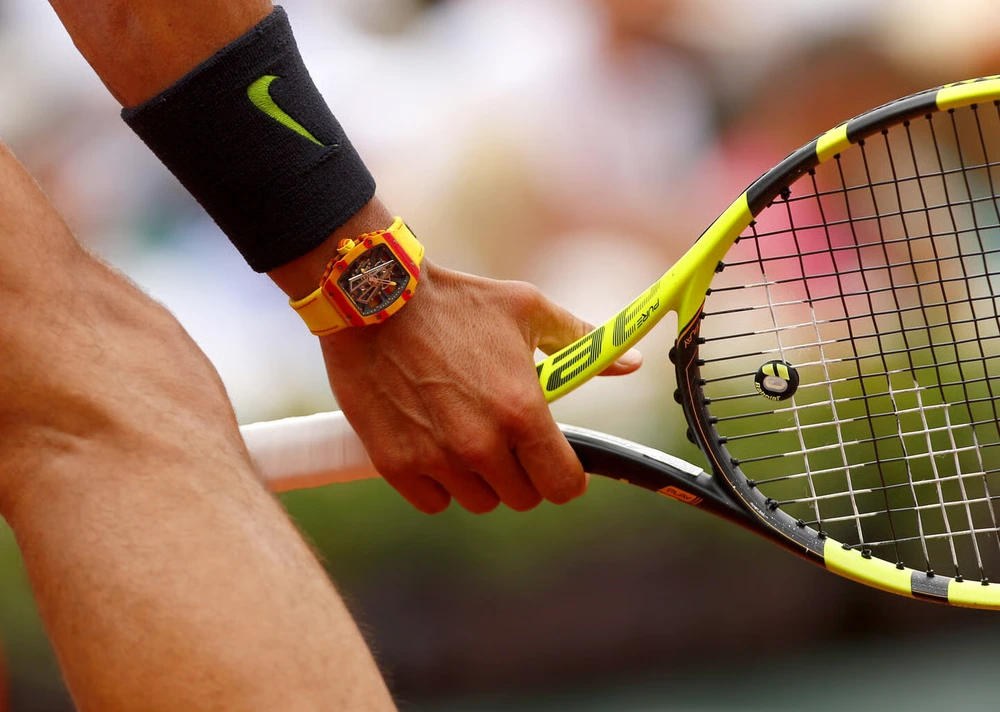
This is where Richard Mille’s obsession with engineering becomes particularly interesting. A mechanical watch is fundamentally a collection of tiny moving parts, and tiny moving parts do not particularly enjoy being violently shaken. Richard Mille therefore developed movements and cases around the idea of absorbing and managing shock rather than simply hoping it never happens. Components are designed with rigid yet lightweight materials, while the movement can be suspended within the case to reduce the impact of sudden forces. Certain Richard Mille watches have been developed specifically around extreme sporting environments, including models worn by professional athletes and racing drivers. Rafael Nadal famously wore Richard Mille watches while playing professional tennis, demonstrating just how far the brand was willing to push the concept of mechanical durability. The idea was simple enough: if a watch can survive that, it should cope rather nicely with an afternoon in the office.