

In the intricate theatre of horology, where engineering, precision courts artistic expression, the watch hand emerges as an understated yet eloquent protagonist. Often overlooked by the uninitiated, these slender indicators do far more than traverse the dial; they narrate stories of tradition, innovation, and aesthetic evolution. To the discerning collector, recognising the character of a watch hand is comparable to identifying the brushwork of a master painter, for within these delicate forms resides a legacy shaped by centuries of craftsmanship and an unwavering devotion to beauty.
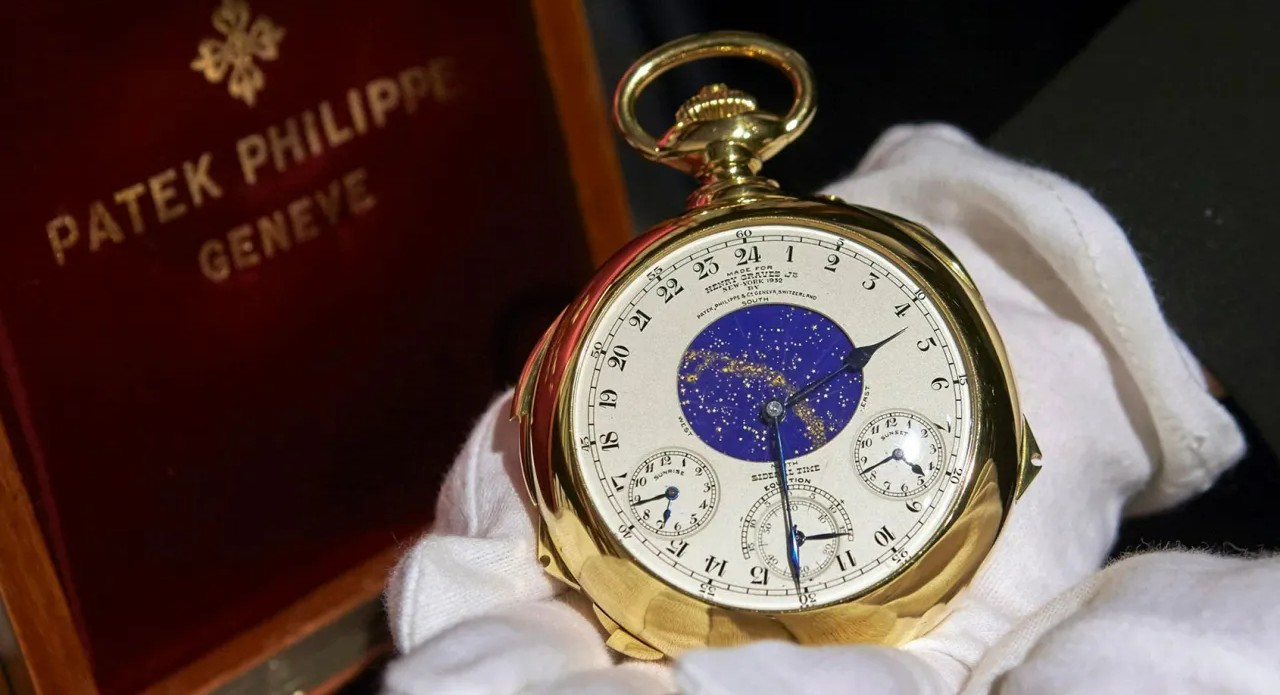
Breguet Hands
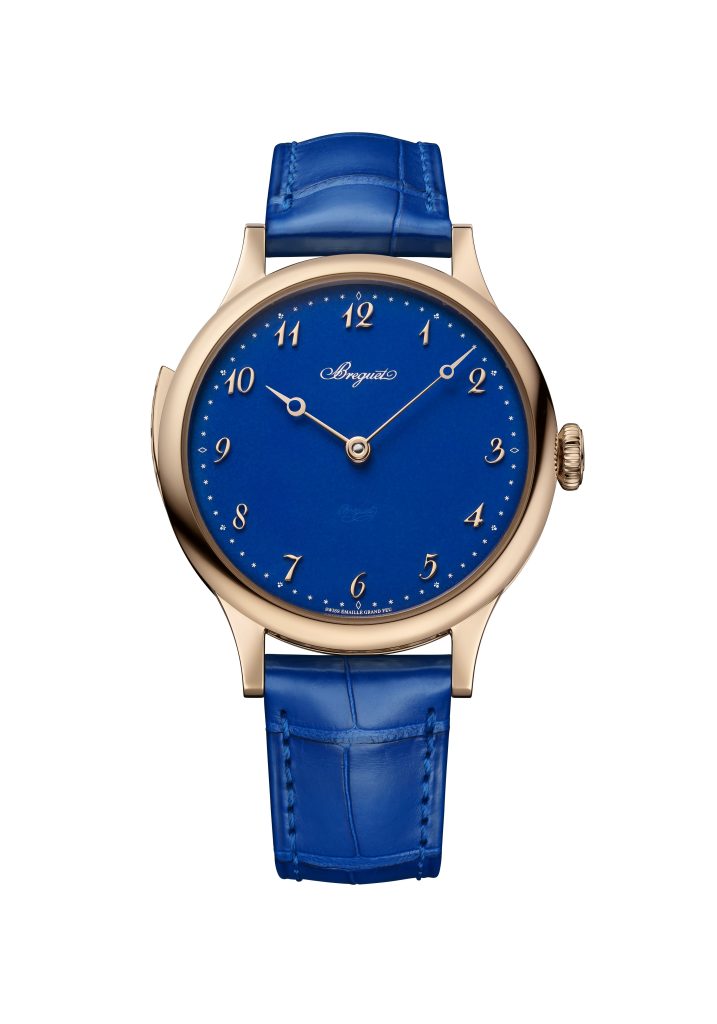
Few designs possess the aristocratic gravitas of Breguet hands. Conceived in the late eighteenth century by Abraham-Louis Breguet himself, these hands are instantly recognisable by their slender silhouette and the iconic hollow circular tip. Traditionally crafted from blued steel, Breguet hands create a striking contrast against porcelain or guilloché dials, reinforcing the classical temperament of the timepiece. Their refinement makes them particularly beloved among dress watches, where restraint and sophistication are paramount.
Also Read: Norqain Partners With NHL, Launches Adventure Sport NHL Limited Edition Watch
Mercedes Hands
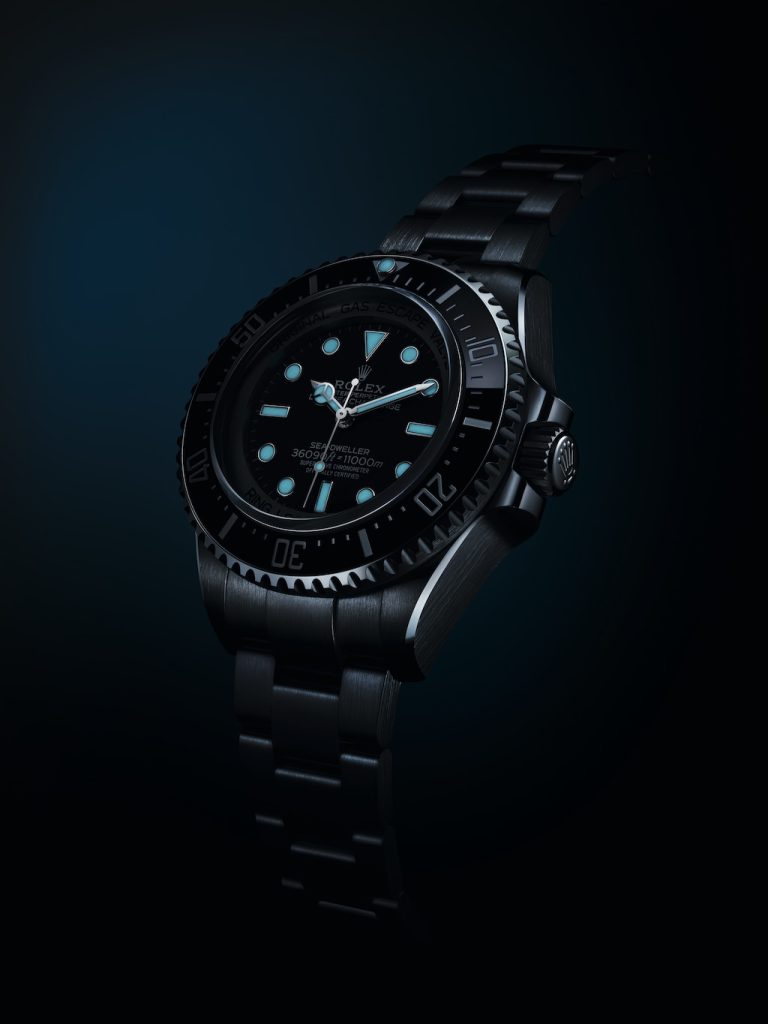
The Mercedes hand is arguably one of the most recognisable motifs in modern watchmaking, most famously associated with Rolex sports models such as the Submariner and Explorer. Its defining feature is the three-pointed star set within a circle on the hour hand. Beyond practicality, the Mercedes hand has evolved into a powerful visual signature. It communicates robustness, adventure, and reliability.
Snowflake Hands
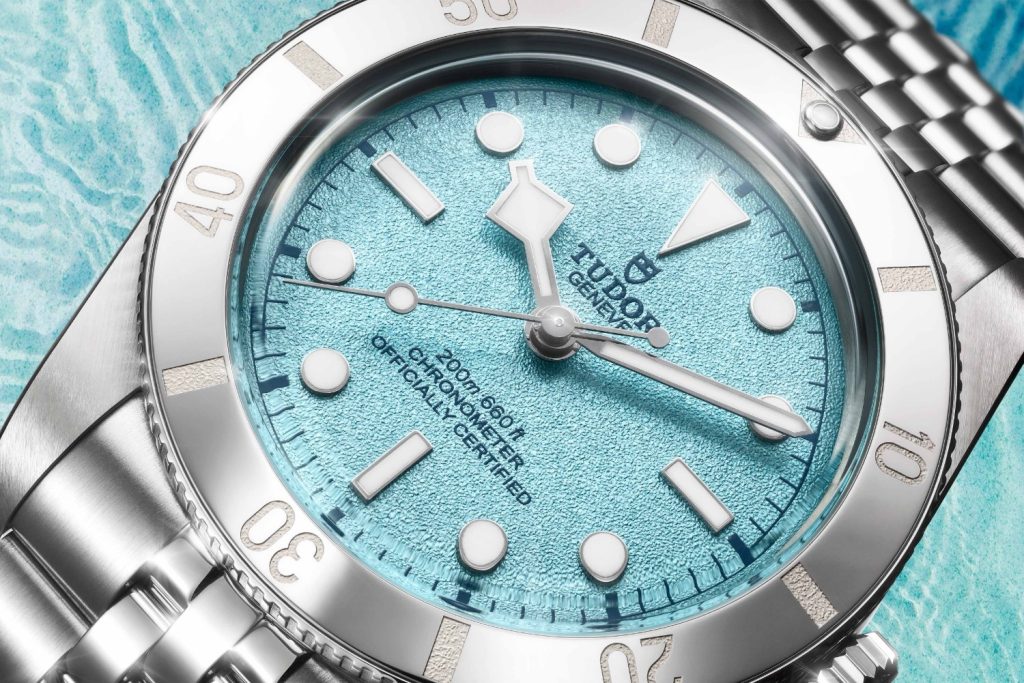
Bold, geometric, and unapologetically modern, Snowflake hands were introduced by Tudor in the late 1960s to improve legibility for military divers, including the French Navy. The square hour hand, paired with a diamond-shaped seconds hand, created large surfaces for luminous paint, ensuring visibility in murky waters. What began as a utilitarian innovation has since become a celebrated design hallmark. Snowflake hands lend watches an architectural clarity that feels both purposeful and contemporary.
Cathedral Hands
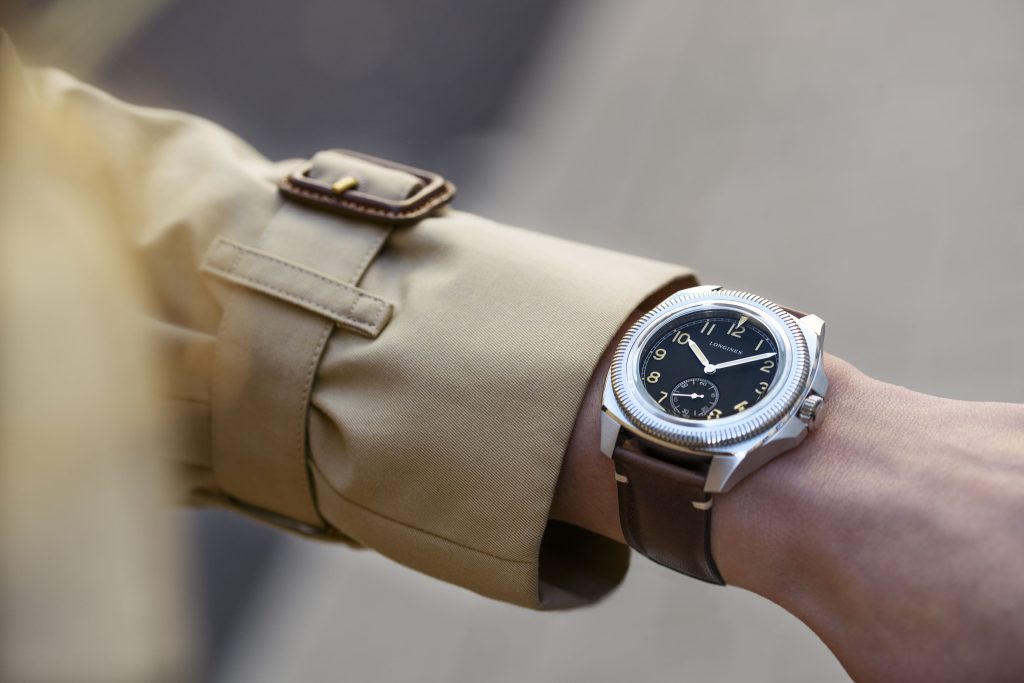
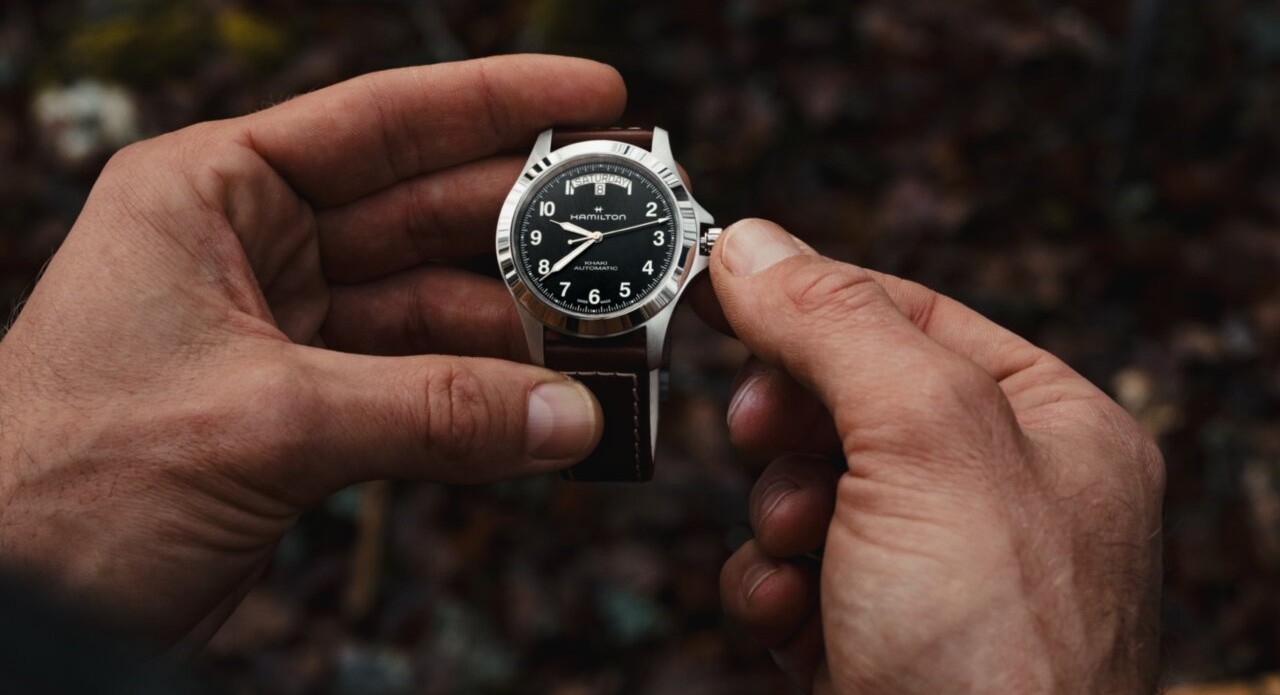
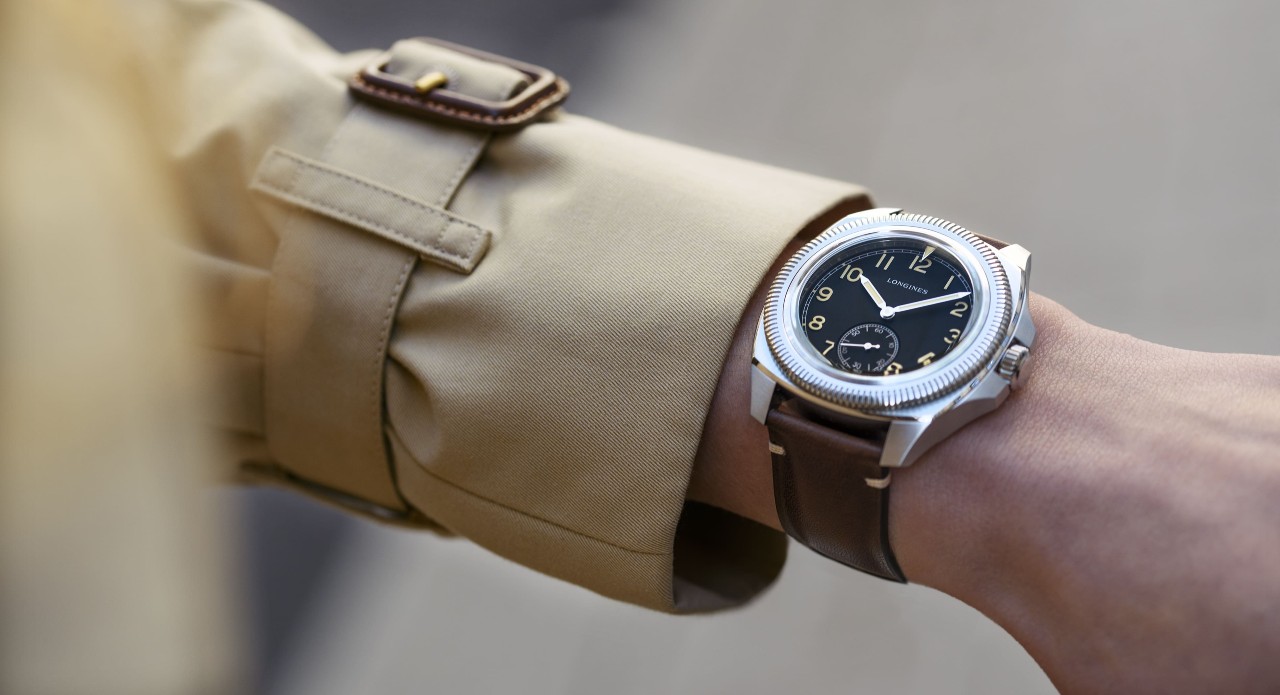
Cathedral hands are nothing short of theatrical, and are distinguished by their segmented structure that resembles stained glass windows found in grand European cathedrals, these hands maximise luminous surface while delivering undeniable visual drama. Popularised during the early 20th century, especially in wartime watches, cathedral hands were engineered for readability in low light conditions. Yet their appeal extends beyond practicality; they bring a romantic, almost nostalgic aura to a watch. Timepieces featuring cathedral hands often feel steeped in history, conjuring images of early aviation and trench watches.
Dauphine Hands
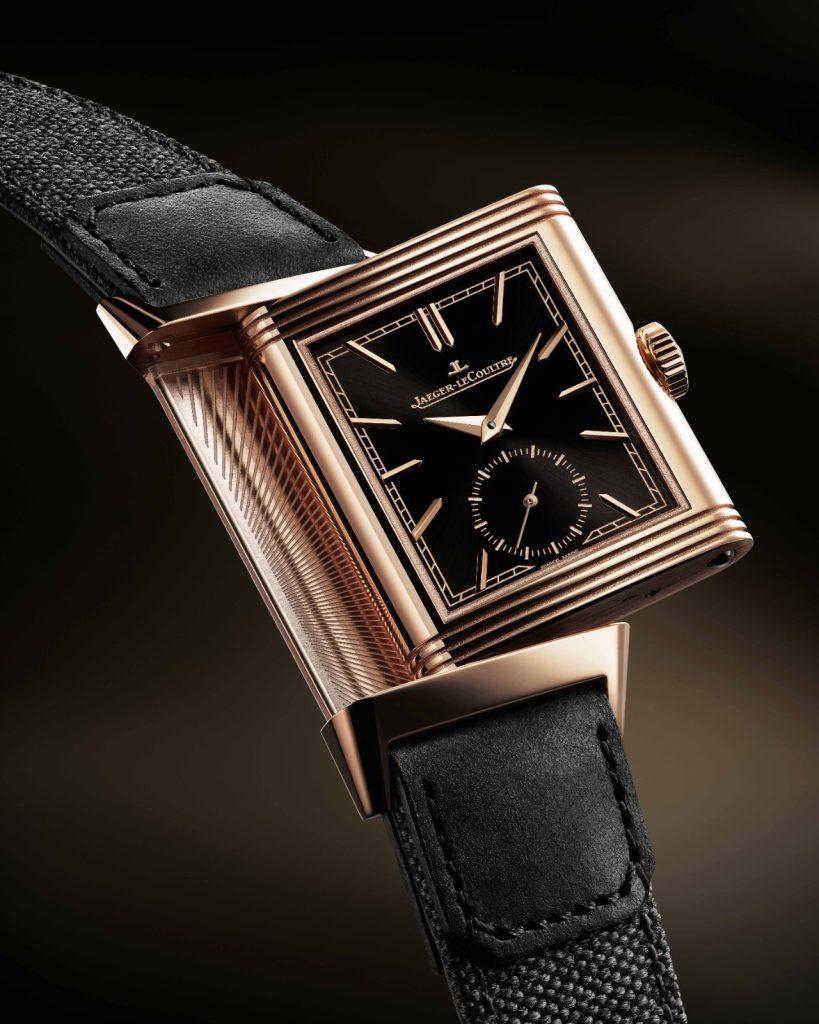
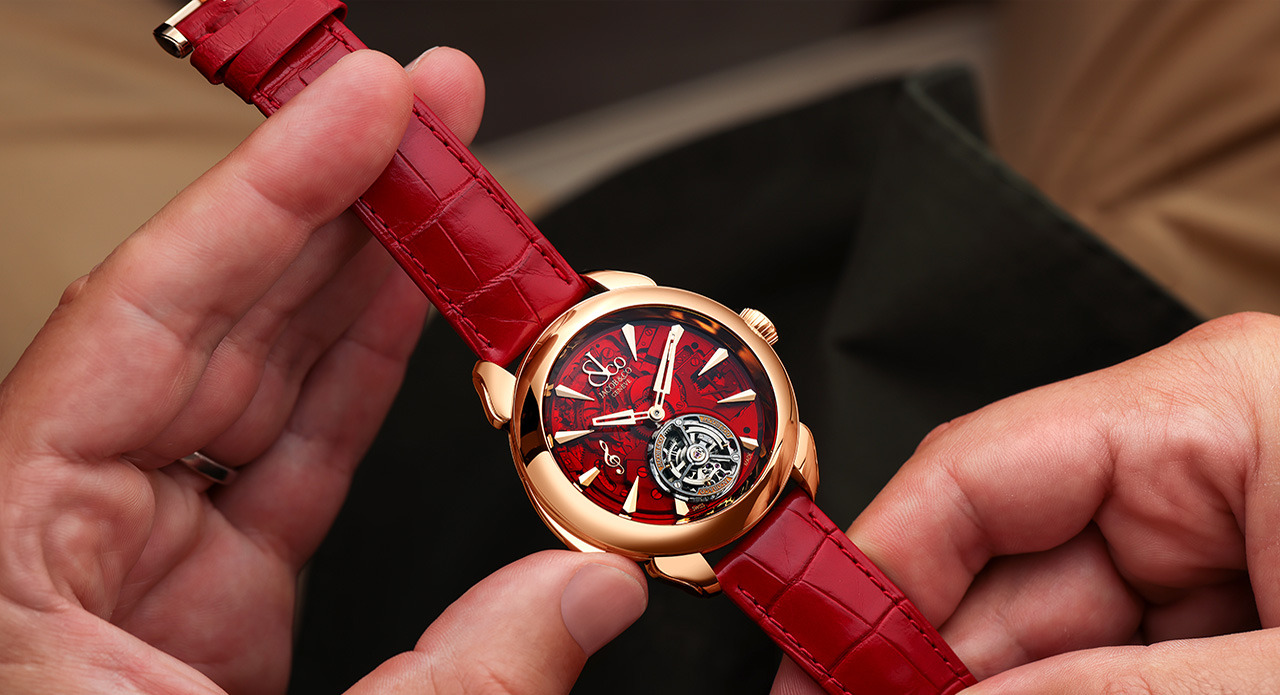
If watch hands were to attend a black tie soirée, the Dauphine would arrive impeccably dressed. Characterised by their broad, faceted surfaces that taper to sharp points, these hands catch and reflect light with remarkable finesse. Originating in the mid 20th century, Dauphine hands became synonymous with elegant dress watches during an era that celebrated clean lines and modern sophistication. The dual facets create subtle contrasts, allowing the hands to remain legible without overwhelming the dial. Their versatility is perhaps their greatest strength. Equally at home on minimalist watches and more elaborate creations, Dauphine hands embody a harmonious marriage of form and function.
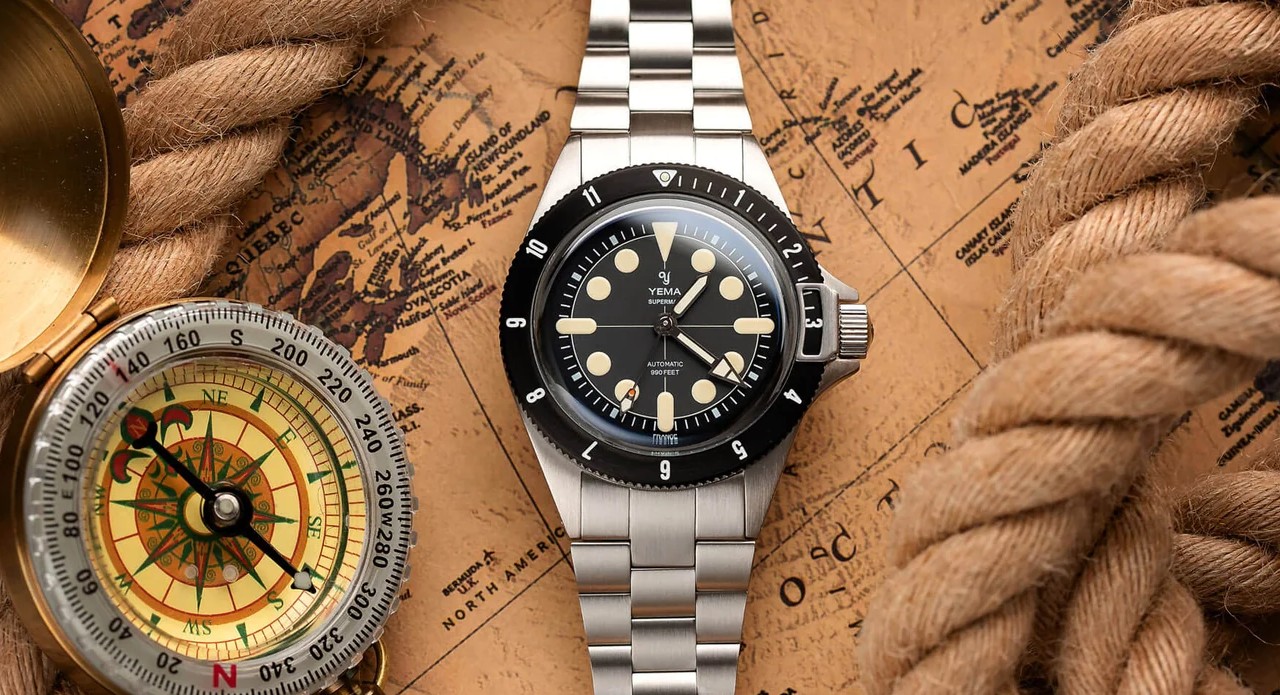
Syringe Hands
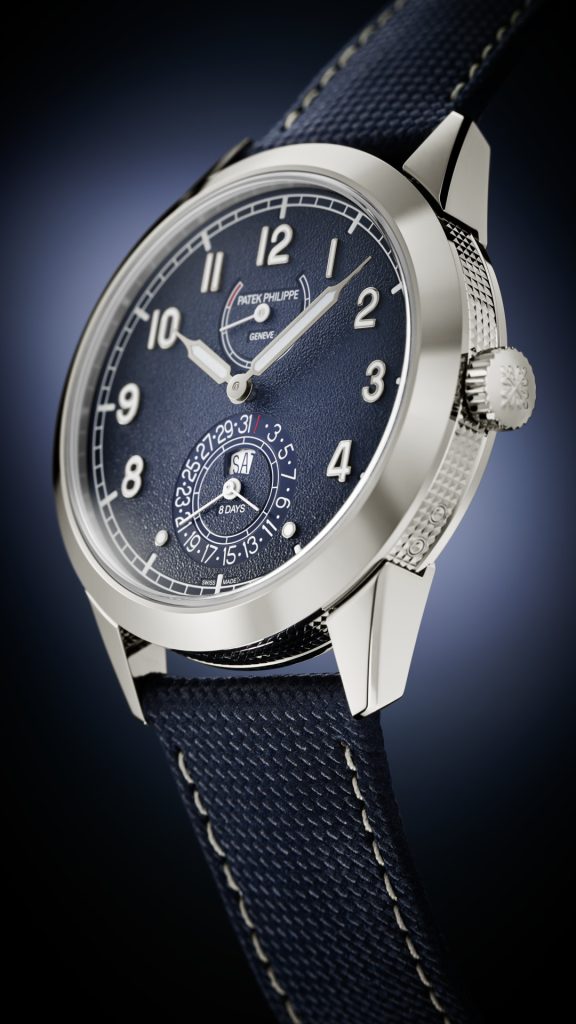
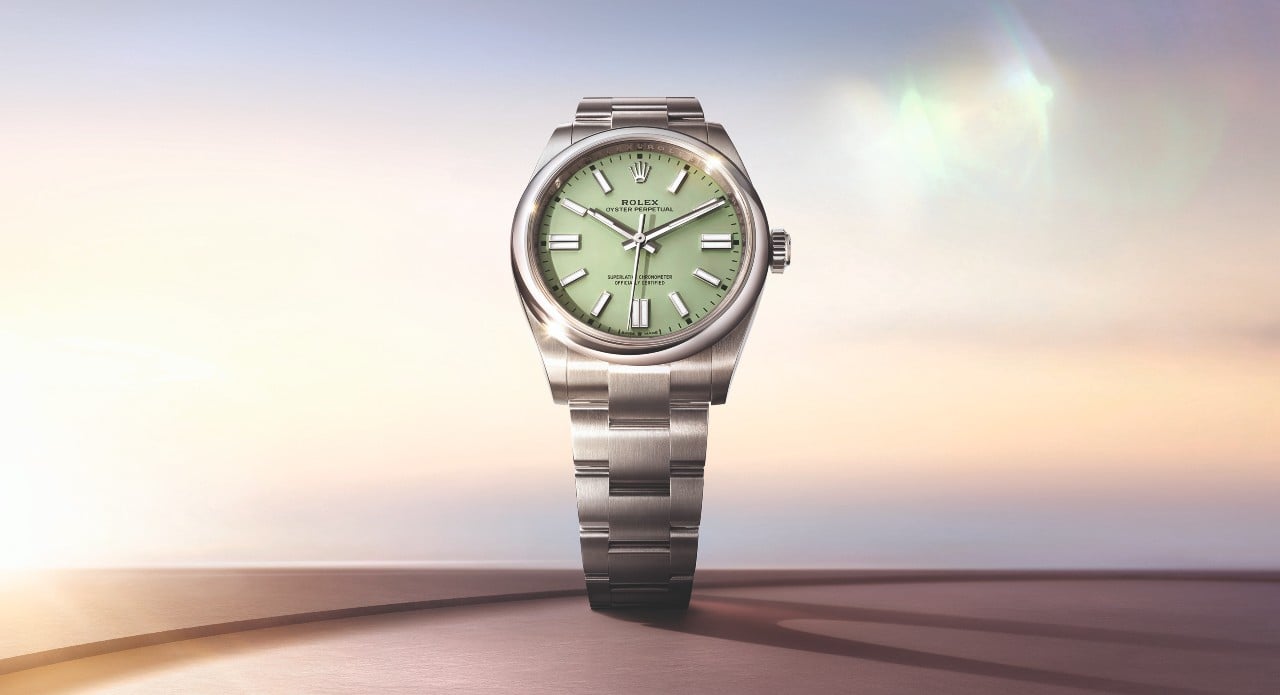
Named for their resemblance to medical syringes, these hands are defined by a needle like profile with a hollow channel running through the centre. This recess is typically filled with luminous material, combining elegance with functionality. Syringe hands enjoyed prominence during the mid 20th century, particularly on military and field watches where precision and clarity were essential. Their tapered form allows for exact pointing, making them ideal for highly detailed minute tracks. Today, they evoke a quiet vintage charm.