

There are dive watches, and then there are dive watches that actually went diving. It’s rather like the difference between buying a Land Rover because you regularly cross the Serengeti and buying one because the supermarket has a particularly aggressive speed bump. Most luxury divers today spend their lives peeking out from beneath cashmere jumpers inside boardrooms, but Doxa earned its reputation the hard way, several metres beneath the surface where mistakes aren’t merely embarrassing, they’re fatal. While other brands were busy polishing bezels and perfecting marketing campaigns, Doxa was quietly solving problems that professional divers genuinely faced. The result wasn’t just another handsome Swiss watch. It was a toolkit for surviving underwater. And decades later, those same innovations remain among the most influential in the history of dive watchmaking.
The Orange Dial That Changed Underwater Visibility
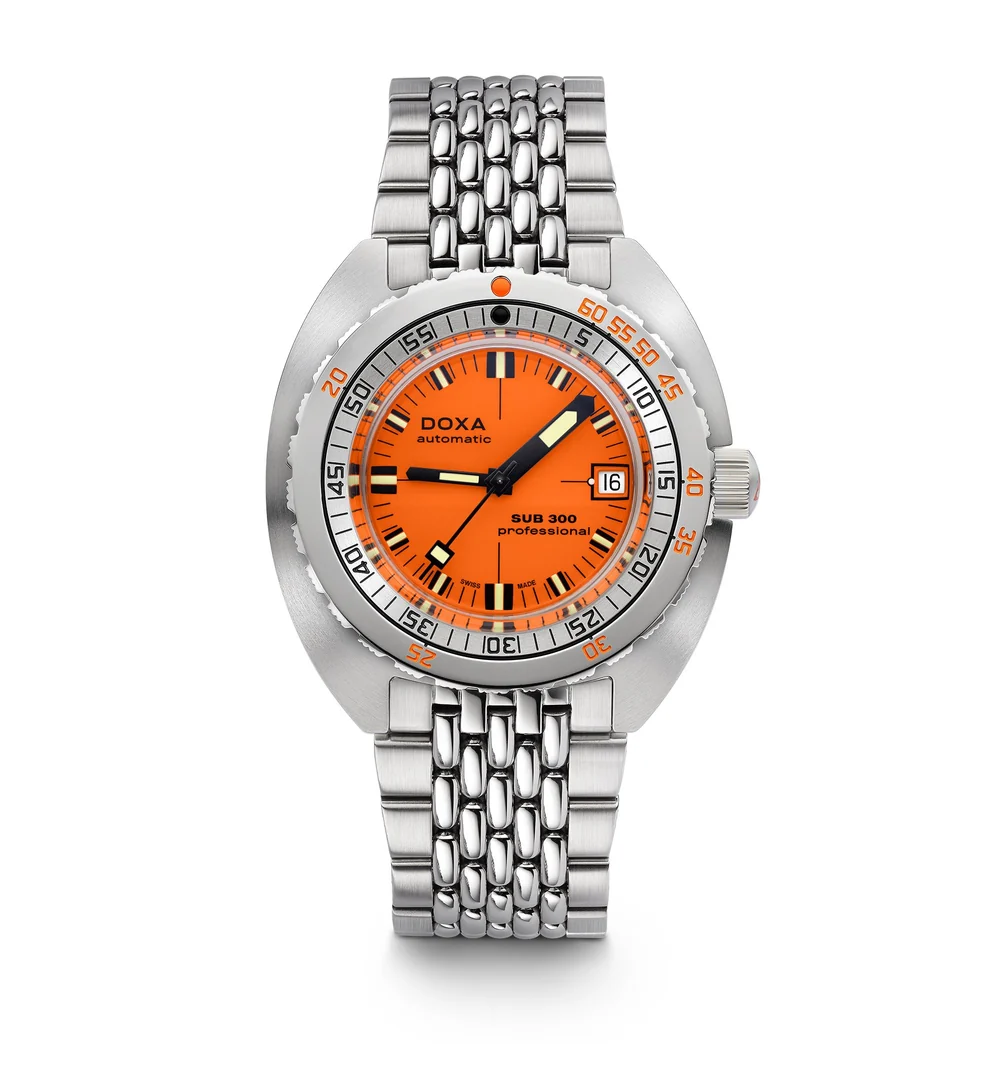
Before Doxa, black dials dominated professional dive watches. They looked elegant enough on land, but beneath the waves visibility rapidly deteriorated as colours disappeared with increasing depth. Working alongside diving professionals and research into underwater optics, Doxa introduced its now legendary orange dial with the SUB 300 in 1967. The vivid colour proved significantly easier to distinguish in murky underwater conditions than conventional black or white dials, allowing divers to read the time more quickly when every second mattered. What began as a practical safety solution soon became one of the most recognisable signatures in horology, inspiring countless dive watches while ensuring that a flash of orange instantly evokes the Doxa name.
Also Read: Indian Luxury Watches: A New Era Of Fine Watchmaking
The Cushion Case Built For Serious Diving
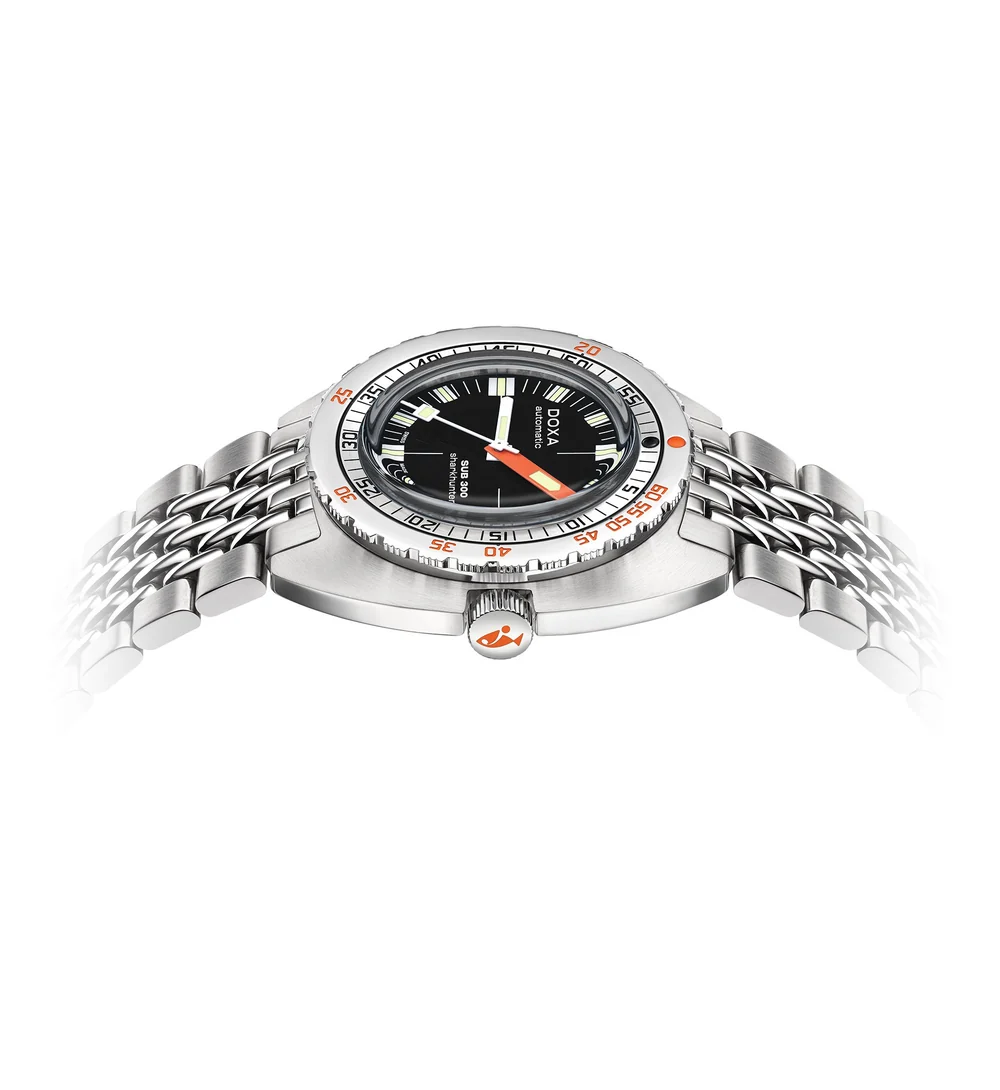
At first glance, Doxa’s cushion shaped case appears to be a stylistic flourish borrowed from the late 1960s. In reality, every curve served a purpose. The tonneau inspired cushion case offered greater structural strength than traditional round cases while allowing for a larger dial within relatively compact dimensions. Its broad shoulders also provided better protection for the crown and enhanced water resistance without creating an oversized watch on the wrist. This distinctive silhouette became inseparable from the SUB collection and remains one of the most instantly recognisable case designs in professional dive watchmaking.
The Revolutionary No Decompression Bezel
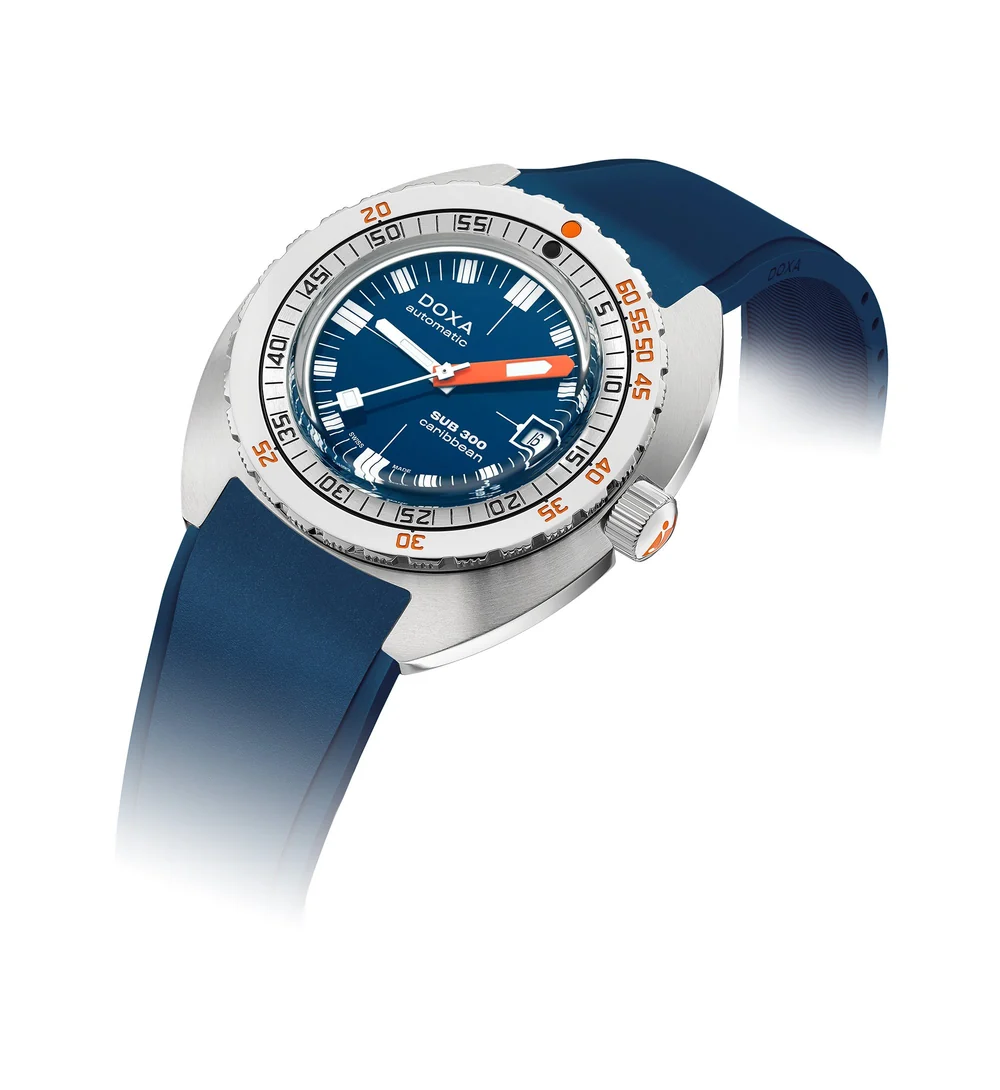
Few inventions have influenced recreational diving as profoundly as Doxa’s patented no decompression bezel. Developed in collaboration with diving pioneer US Divers and Jacques Cousteau’s team, the bezel combined traditional elapsed time markings with no decompression limits based on recognised diving tables. Instead of requiring divers to memorise complex calculations or carry additional reference charts, the watch itself displayed maximum safe dive times at various depths. It transformed the bezel from a simple timing device into a genuine underwater navigation instrument, making recreational diving both safer and more accessible for an entire generation of enthusiasts.
Professional Diving Heritage That Built Trust
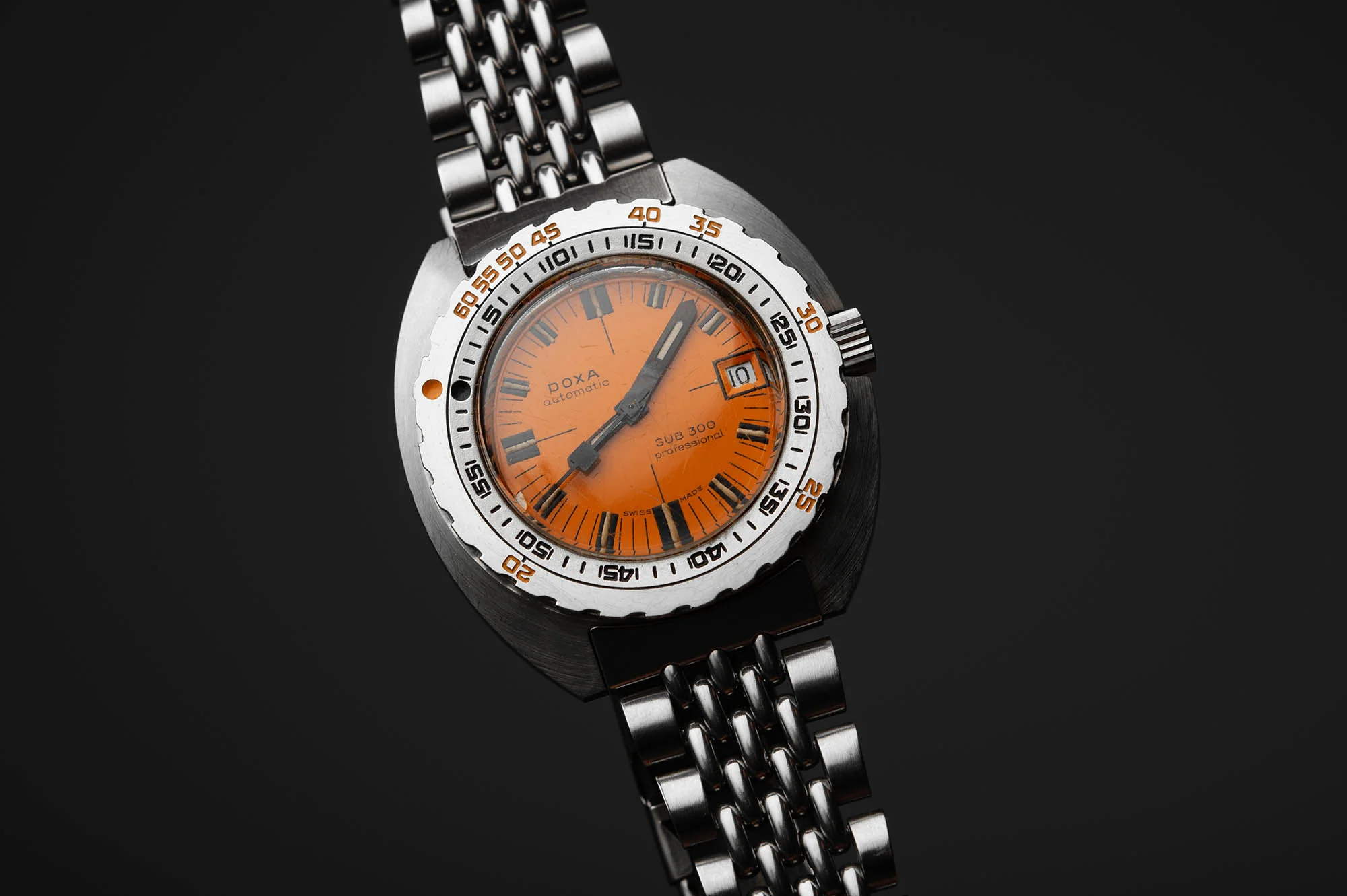
Unlike brands that merely adopted diving aesthetics, Doxa earned its reputation through genuine professional use. Its watches became trusted equipment for commercial divers, military units, scientific expeditions and Jacques Cousteau’s legendary diving teams. The SUB series frequently accompanied underwater exploration at a time when mechanical reliability could determine the success or failure of a mission. This authentic relationship with professional diving shaped every aspect of the watches, from oversized hands and highly legible dials to robust construction capable of enduring extreme underwater conditions. Doxa’s credibility was built beneath the surface, not inside advertising agencies.
The Helium Escape Valve
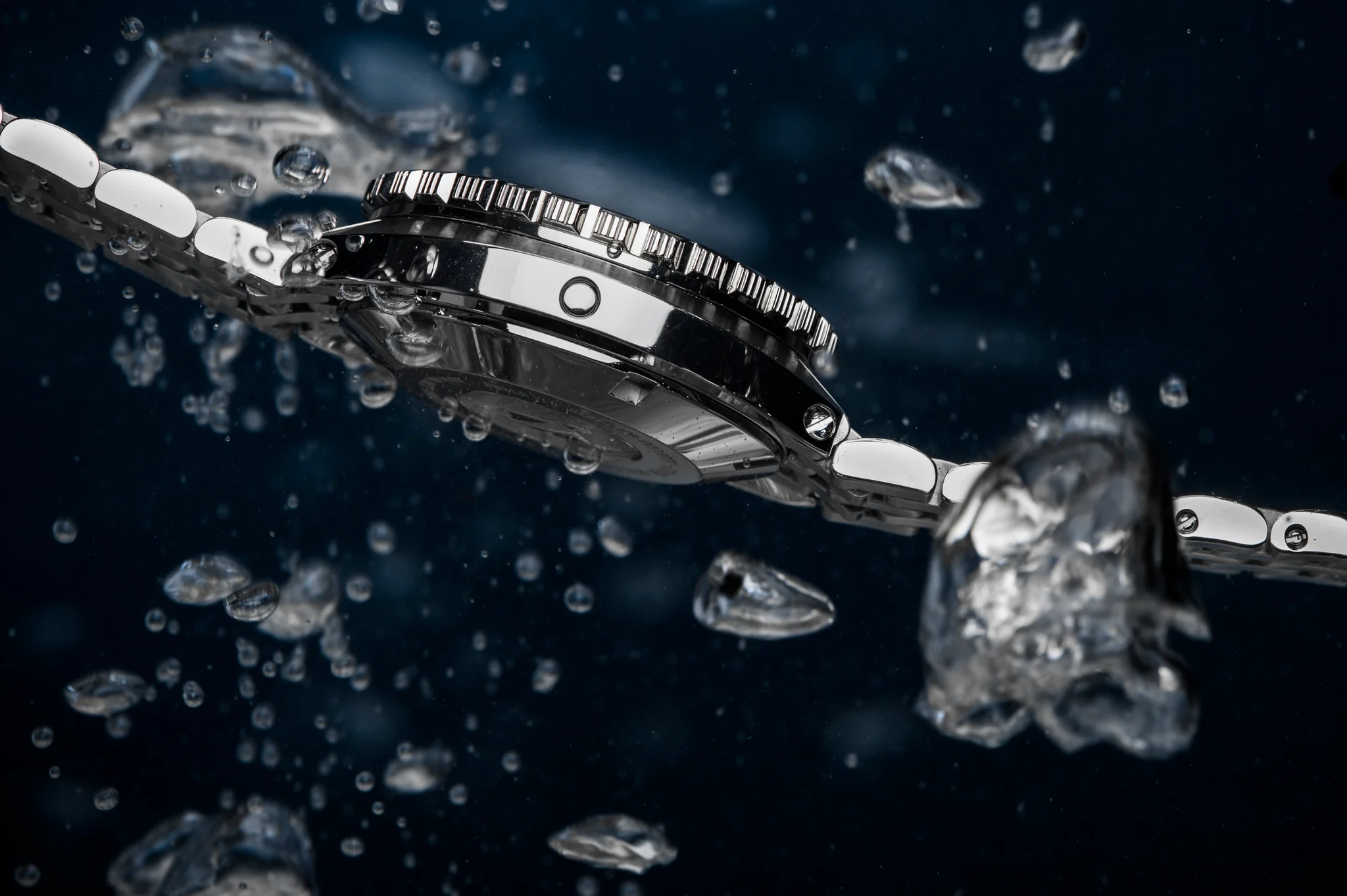
As saturation diving became increasingly common in commercial operations, Doxa continued refining its professional credentials by introducing helium escape valve technology on selected models. During prolonged exposure inside pressurised diving chambers, microscopic helium molecules could enter a watch case and potentially force the crystal loose during decompression. The helium escape valve safely released this trapped gas, ensuring the watch remained intact throughout demanding saturation dives. Combined with modern materials, improved water resistance and contemporary Swiss movements, it demonstrated that while Doxa proudly celebrates its heritage, it remains firmly committed to advancing professional dive watch technology.