Top 5 Portuguese Architects Who Shaped Modern Architecture
Portugal’s most influential architects whose quiet mastery, material intelligence, and disciplined imagination reshaped modern architecture in Portugal and far beyond
Portugal has never been interested in making a lot of noise and its architecture follows exactly the same philosophy. This is a country where buildings do not demand attention from across the street but instead wait patiently for you to notice them. Light drifts in quietly shadows do most of the work and materials are allowed to age with dignity rather than being polished into submission. While much of the world has spent decades chasing icons and spectacle Portuguese architects have been calmly perfecting proportion detail and atmosphere. They design for people who live with buildings rather than pose in front of them. Out of this quiet confidence emerged a group of architects who reshaped modern architecture not through drama but through intelligence patience and an unshakeable belief that doing things properly still matters.
Álvaro Siza Vieira
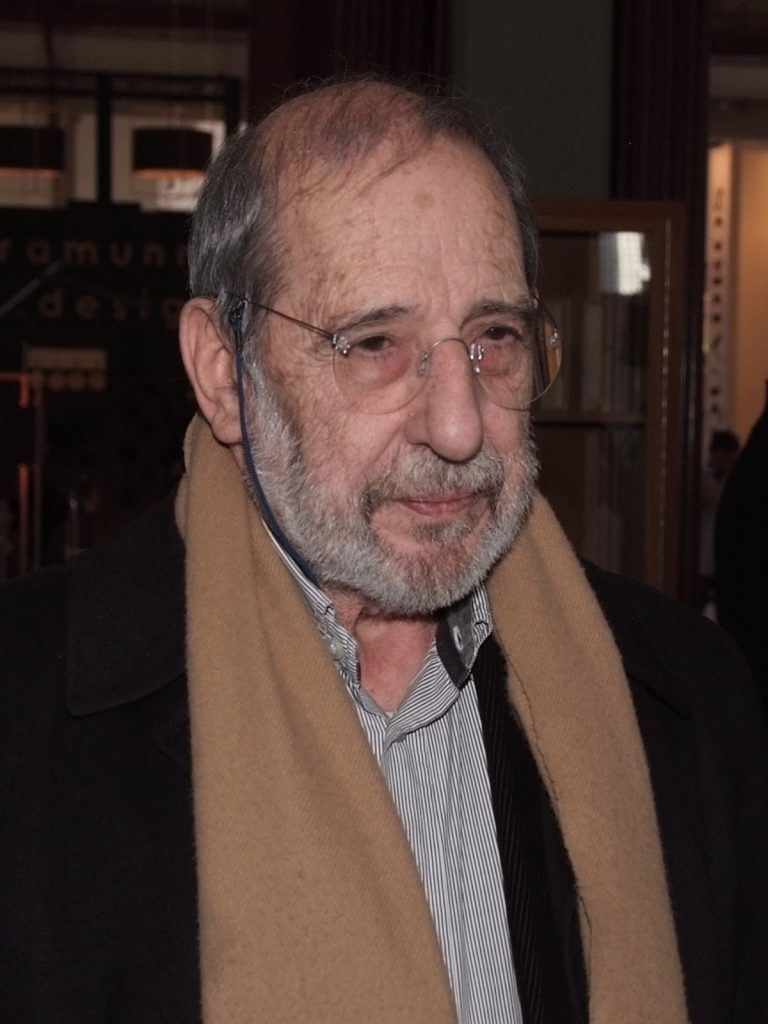
Álvaro Siza Vieira designs buildings that feel inevitable as if they were always meant to exist exactly as they are. His architecture is quiet measured and deeply responsive to site context and human scale. From the Boa Nova Tea House to social housing projects his work demonstrates how modernism can feel warm grounded and humane. Siza taught the world that simplicity when done properly is not simple at all.
Eduardo Souto de Moura
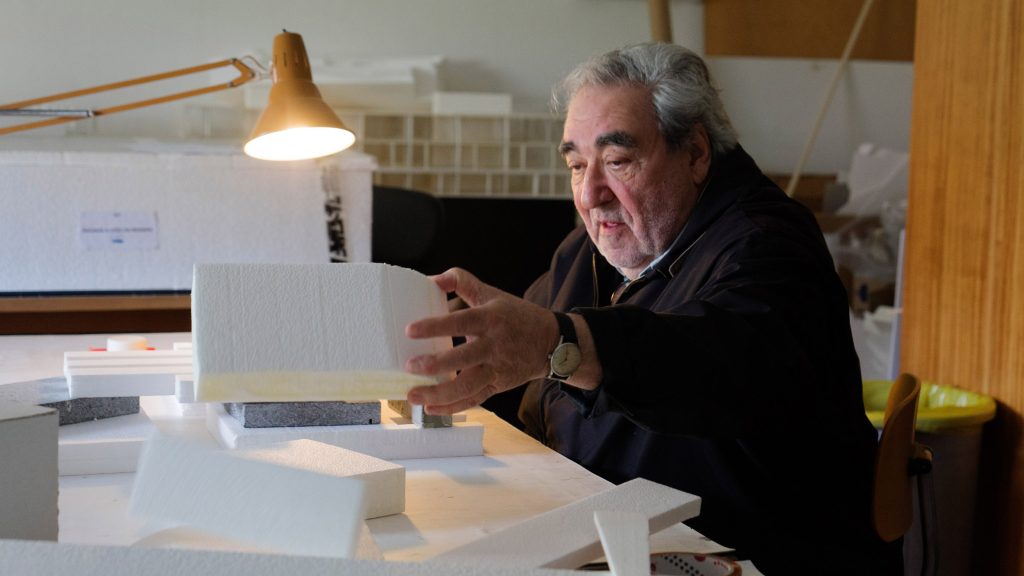
Eduardo Souto de Moura approaches architecture with discipline gravity and intellectual clarity. His buildings often feel heavy solid and rooted yet they are carefully tuned to light proportion and landscape. Projects such as the Braga Stadium show his ability to work with extreme sites and complex programs without theatrical excess. Souto de Moura proved that monumentality can be achieved through restraint rather than gesture.
Also Read: Top Spanish Architects Who Shaped Modern And Contemporary Design
Inês Lobo
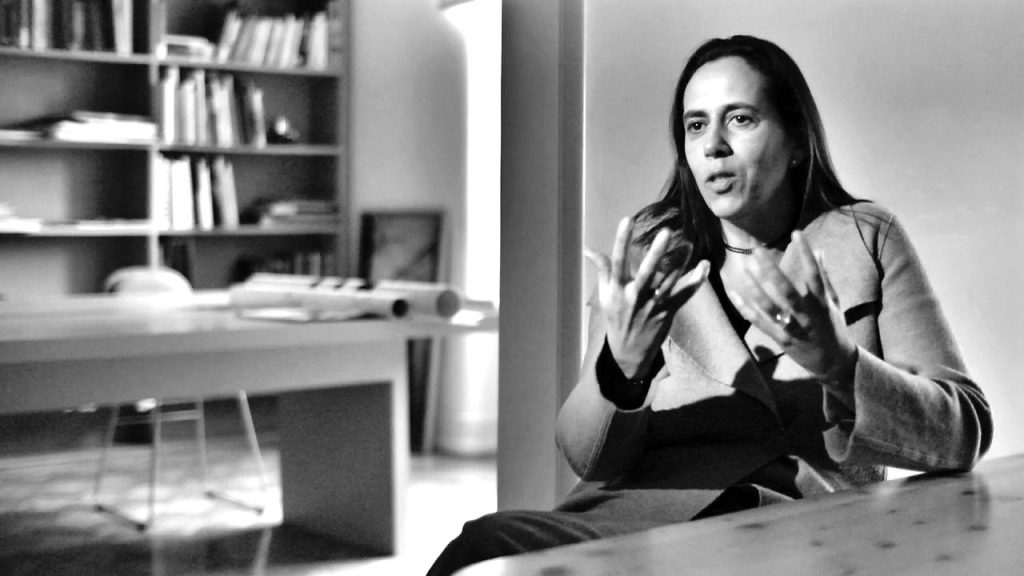
Inês Lobo represents a contemporary Portuguese voice that balances elegance precision and modern urban sensibility. Her work often focuses on adaptive reuse and cultural buildings that respect history while remaining unmistakably modern. Lobo’s architecture is refined controlled and quietly confident. She demonstrates how contemporary design can coexist with heritage without nostalgia or imitation.
Gonçalo Byrne
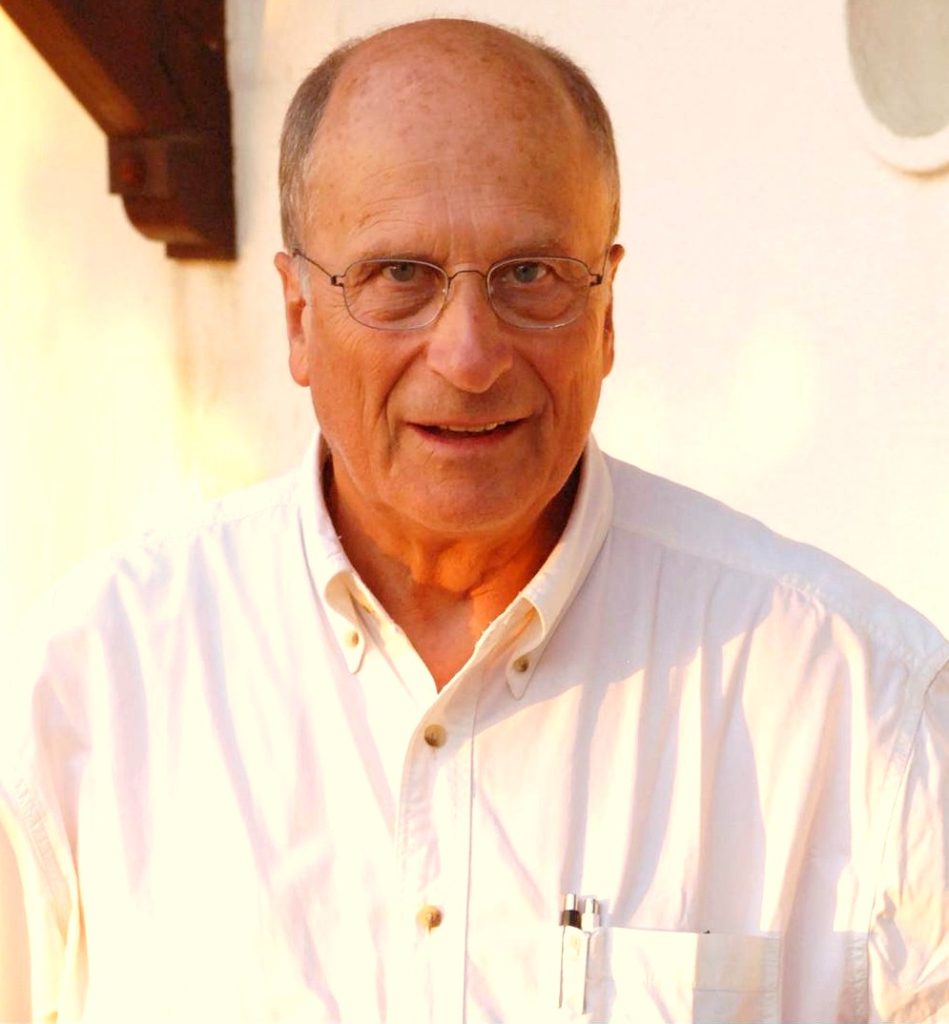
Gonçalo Byrne has shaped Portuguese architecture through a deep engagement with urban context and historical layers. His projects are thoughtful structured and intellectually rigorous. Byrne’s work reflects an understanding that architecture is part of a larger conversation with the city. His influence lies in how carefully his buildings listen before they speak.
Carrilho da Graça
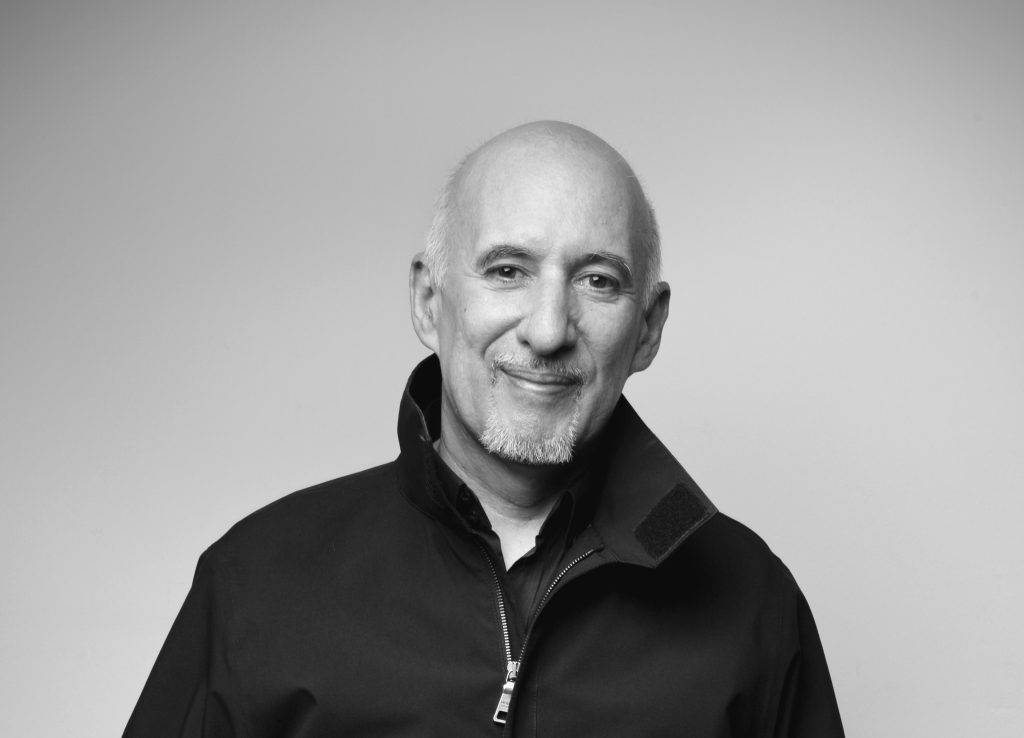
João Luís Carrilho da Graça completes the list with architecture that is precise sculptural and intensely aware of light. His buildings often feel abstract yet deeply connected to their surroundings. From museums to civic structures his work demonstrates how clarity and geometry can produce powerful emotional responses. Carrilho da Graça reinforces the Portuguese belief that architecture should endure rather than impress.