Venice Biennale 2026: Inside ‘In Minor Keys’, The Theme Shaping This Year’s Edition
The Venice Biennale 2026 unfolds under Koyo Kouoh’s In Minor Keys, exploring intimacy, memory, hope and collective experience. Across the Giardini, Arsenale and national pavilions, the 61st International Art Exhibition brings together diverse artistic practices until November 22
In Venice, the usual rhythm of canals, narrow streets and grand exhibition spaces has been accompanied for months by another kind of movement: visitors pausing before artworks, wandering through unfamiliar rooms and allowing individual encounters to unfold at their own pace. At the centre of this year’s conversation is ‘In Minor Keys’, the theme of the Venice Biennale 2026, which explores intimacy, memory, hope, sensation and collective experience through contemporary art.
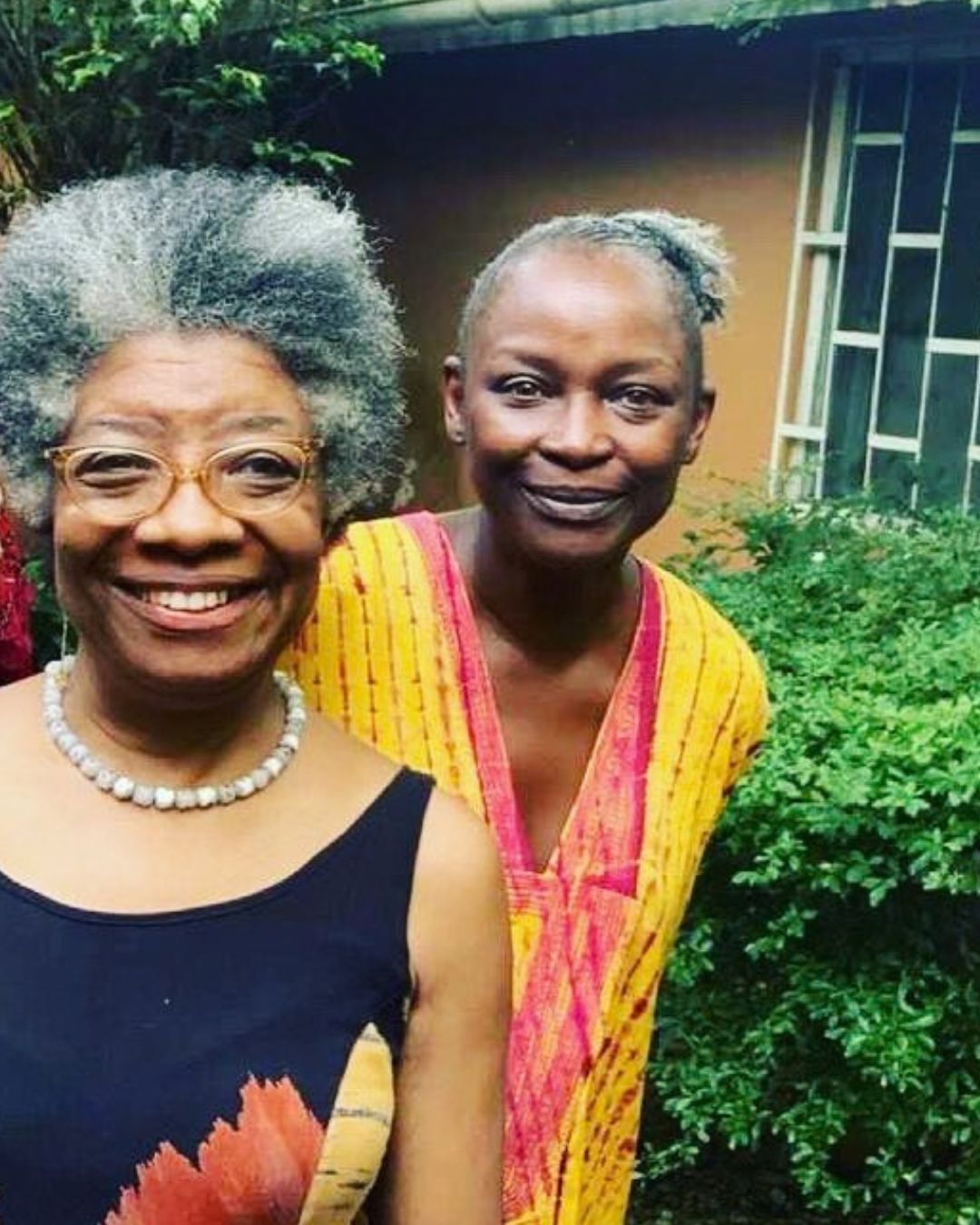
Curated by the late Koyo Kouoh, the 61st International Art Exhibition is being held across the Giardini, Arsenale and other locations in Venice until November 22. Rather than dividing the show into conventional thematic sections, Kouoh developed an exhibition shaped by ‘undercurrent priorities’, bringing together practices that share affinities even when they emerge from very different cultural and geographical contexts.
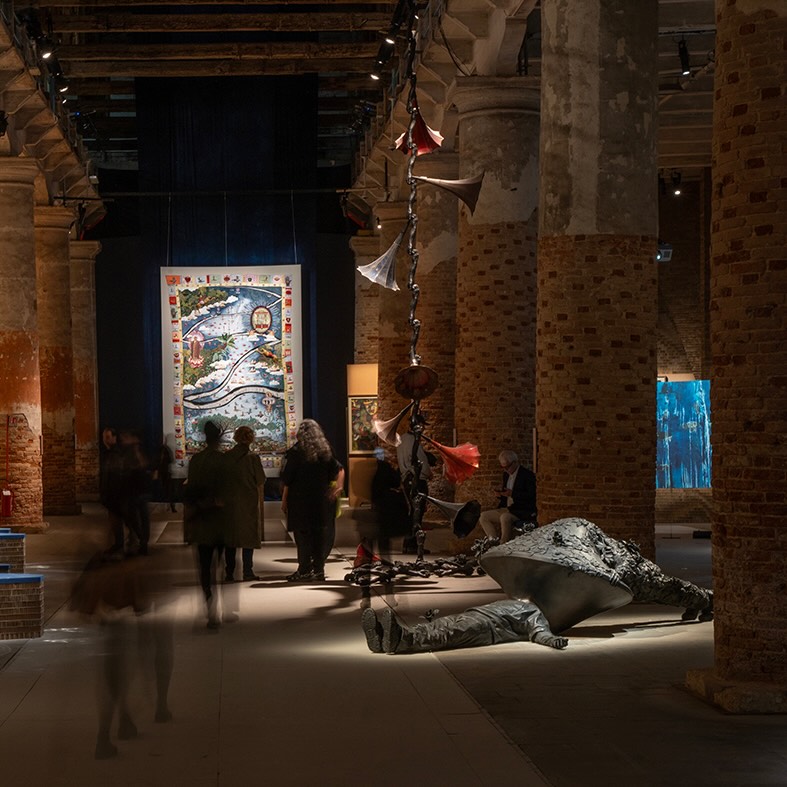
A Different Curatorial Rhythm
The phrase ‘In Minor Keys’ comes from music, where a minor key can carry associations of melancholy, strangeness and sorrow. Kouoh expanded the idea to include joy, solace, hope and transcendence, using it as a way to consider forms of artistic expression that resist spectacle.
Also Read: How Four Indian Galleries Are Reshaping India’s Place at Art Basel
The curatorial framework turns attention towards the emotional, sensory and subjective dimensions of art rather than treating the exhibition as a direct commentary on current events.
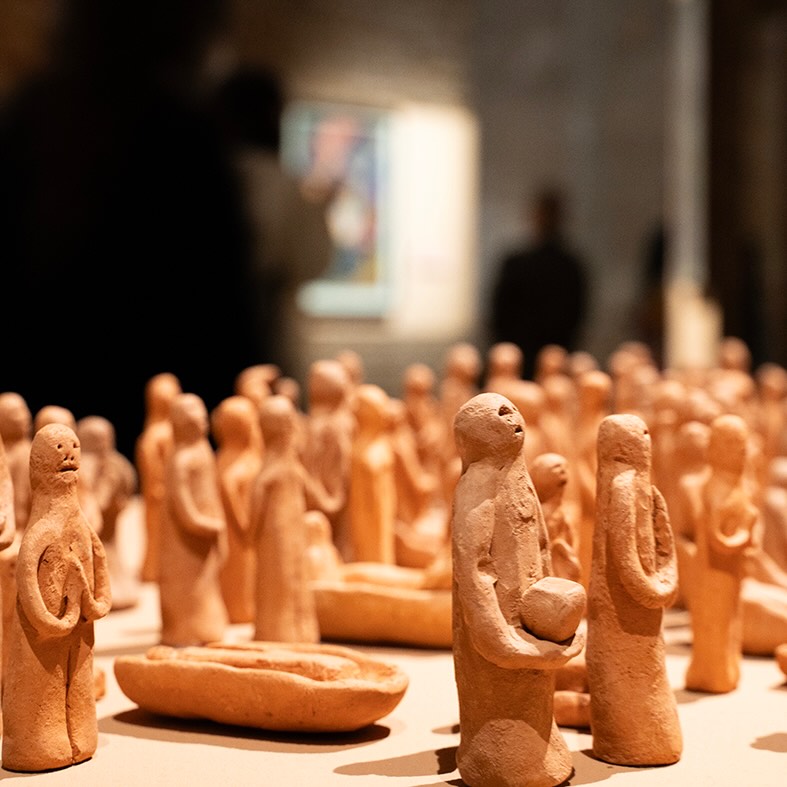
That thinking appears in the exhibition’s recurring motifs. ‘Shrines’ give particular prominence to two lodestar artists, Issa Samb and Beverly Buchanan, without treating their presentations as conventional retrospectives. ‘Oases’ introduce spaces associated with physical and spiritual rest, while processional assemblies bring movement, poetry and communal activity into the wider exhibition. The ‘Schools’ focus on artist-centred institutions and their potential social purpose.
The scale of the Venice Art Biennale 2026 extends well beyond the central exhibition. Kouoh selected 110 participants, including individual artists, duos, collectives and artist-led organisations. Their practices span locations including Salvador, Dakar, San Juan, Beirut, Paris and Nashville, reflecting her interest in relationships between artists and ideas across borders rather than a single geographic narrative.
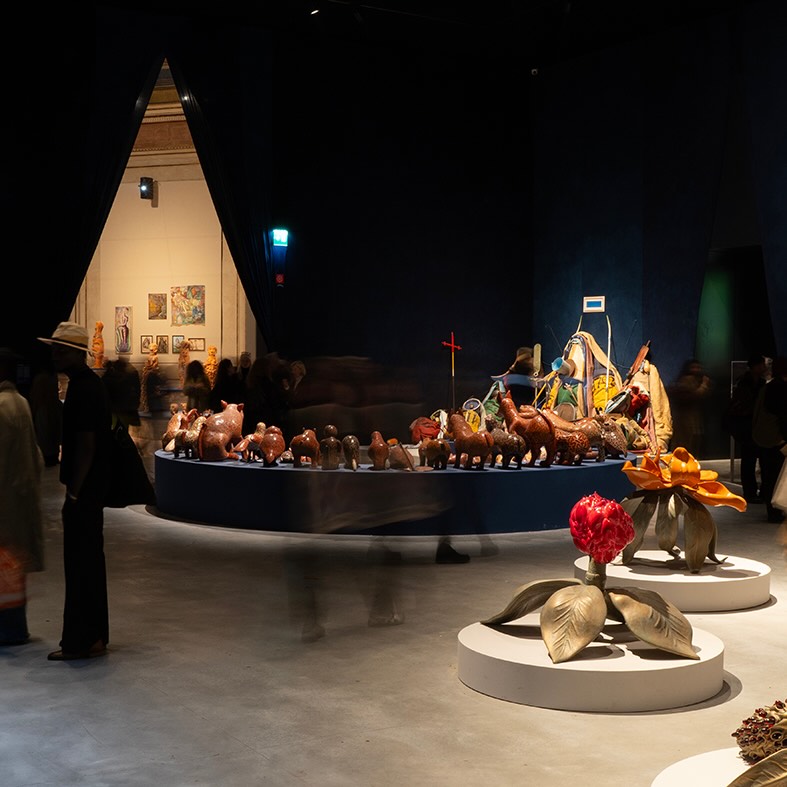
A Legacy Across Venice
Kouoh’s death in May 2025 gives this edition another layer of significance. Before her passing, she had established the curatorial framework, selected the artists and works, commissioned the catalogue, appointed the exhibition designer and developed the project with her chosen team. La Biennale di Venezia subsequently decided to realise the exhibition in accordance with the project she had conceived.
Also Read: New Study: Arts Engagement Linked To Slower Biological Ageing
The wider programme adds another dimension to the Venice art exhibition. This year includes 100 national participations and 31 collateral events, with seven countries taking part in the Biennale Arte for the first time. The exhibition’s performance programme, meanwhile, places the body at the centre of ideas around knowledge, memory, resistance, healing and joy.
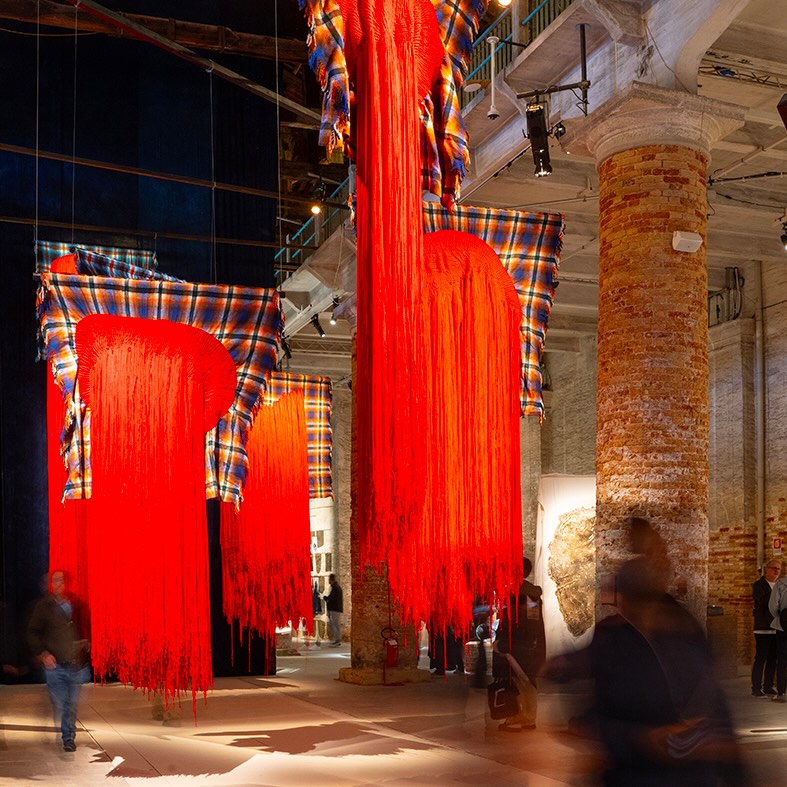
Even the physical environment carries Kouoh’s approach forward. Cape Town-based Wolff Architects designed thresholds between spaces using sweeping indigo banners, creating transitions between different artistic encounters. As the Venice Biennale 2026 continues through November, ‘In Minor Keys’ offers a distinctive lens on international contemporary art that makes room for works to resonate individually while becoming part of a much larger conversation about how art can be experienced.