

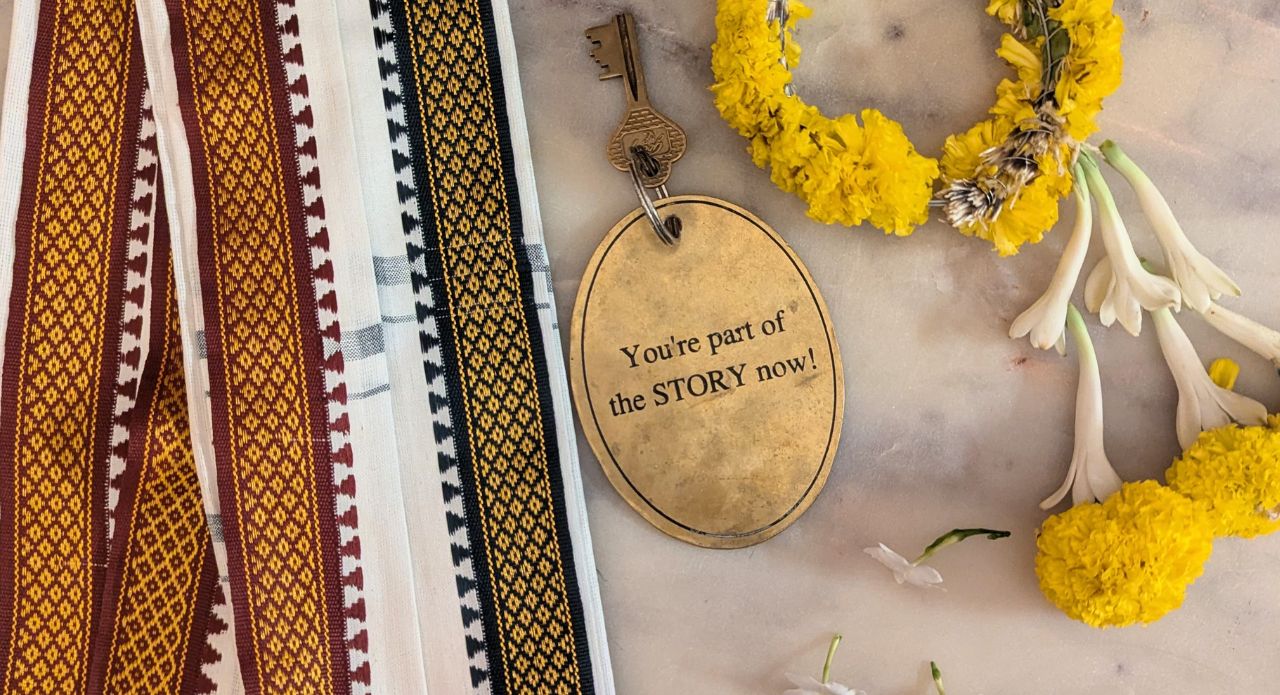
I landed in Kolkata airport and took a tempo traveller that was waiting for me to arrive. It was late afternoon when I arrived at Belgadia Palace, where the beats of Tamak filled the air with an announcement of our arrival before a traditional welcome unfolded. The hospitality team were already standing at the doorstep as a staff member stepped forward to apply a U-shaped Gopi Chandan tilak with a dot at its centre, sprinkled some rice grains and chandni flower over my head, and presented me with a bracelet made up of marigold and a traditional sambalpuri cotton gamucha.
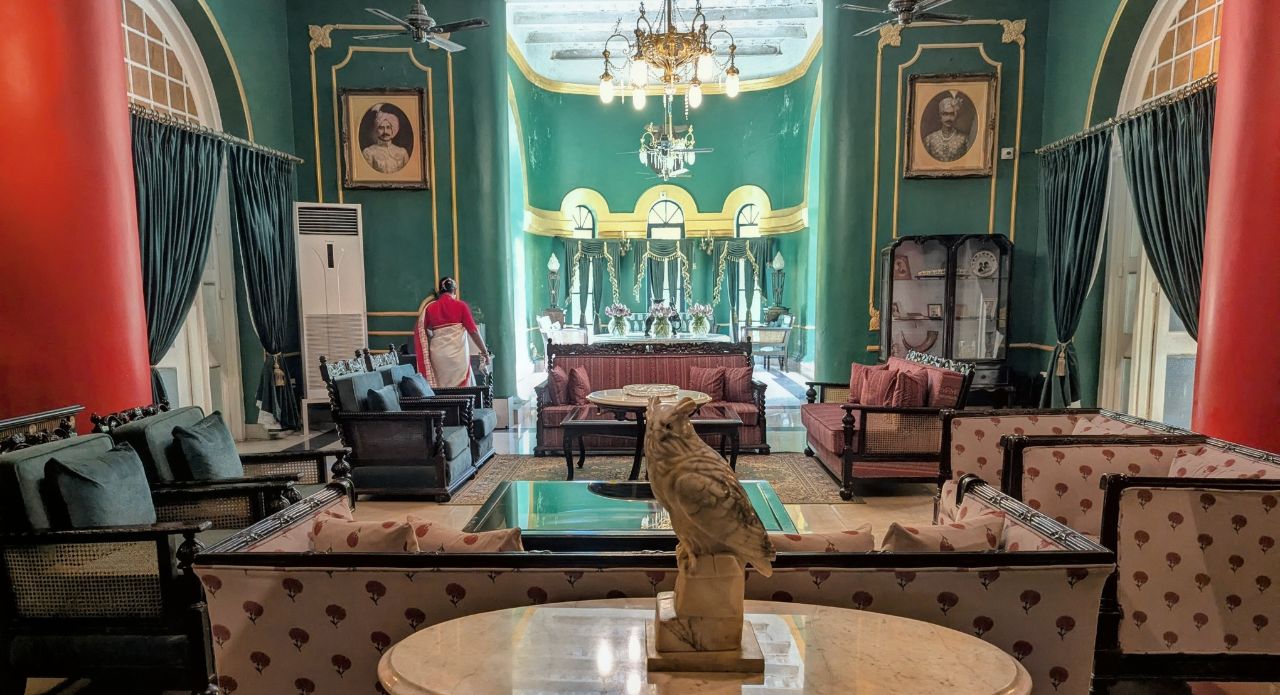
Then we entered the palace, crossing the central gallery and the entrance hall before making our way to the living room and settled on the sofa. The walls painted in deep green, exuberated royalty. At the same time, the room was replete with portraits of ancestors of Bhanjdeos.
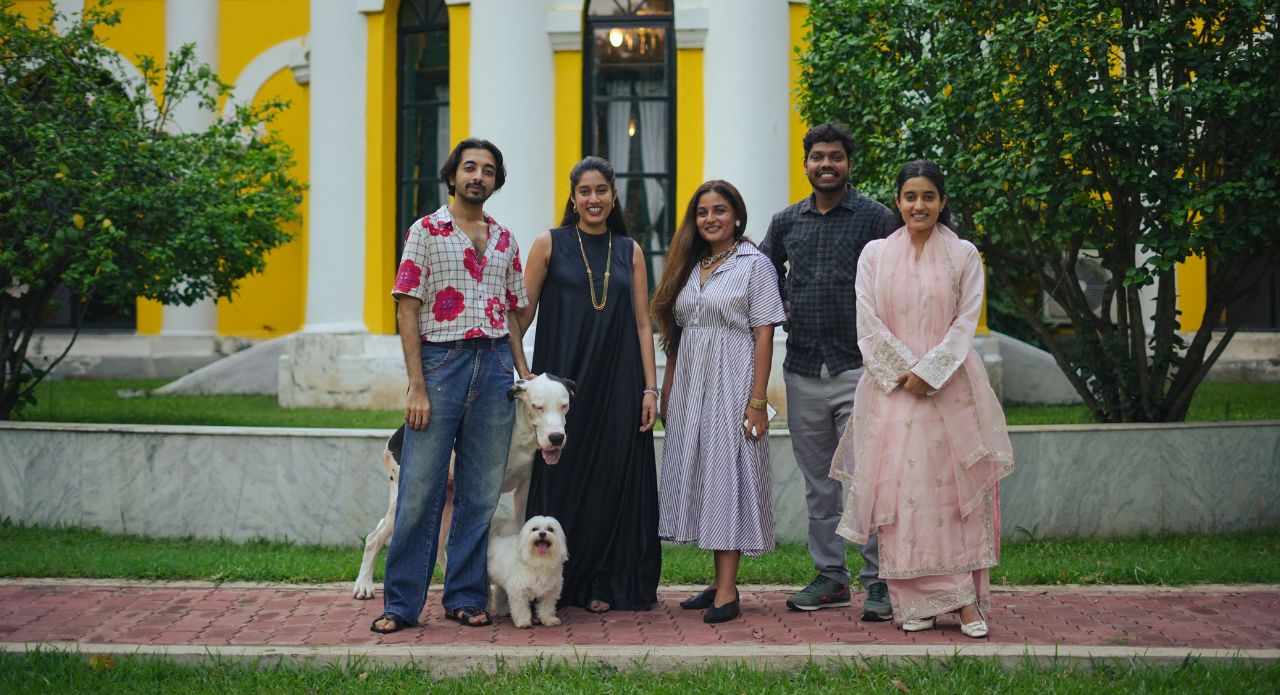
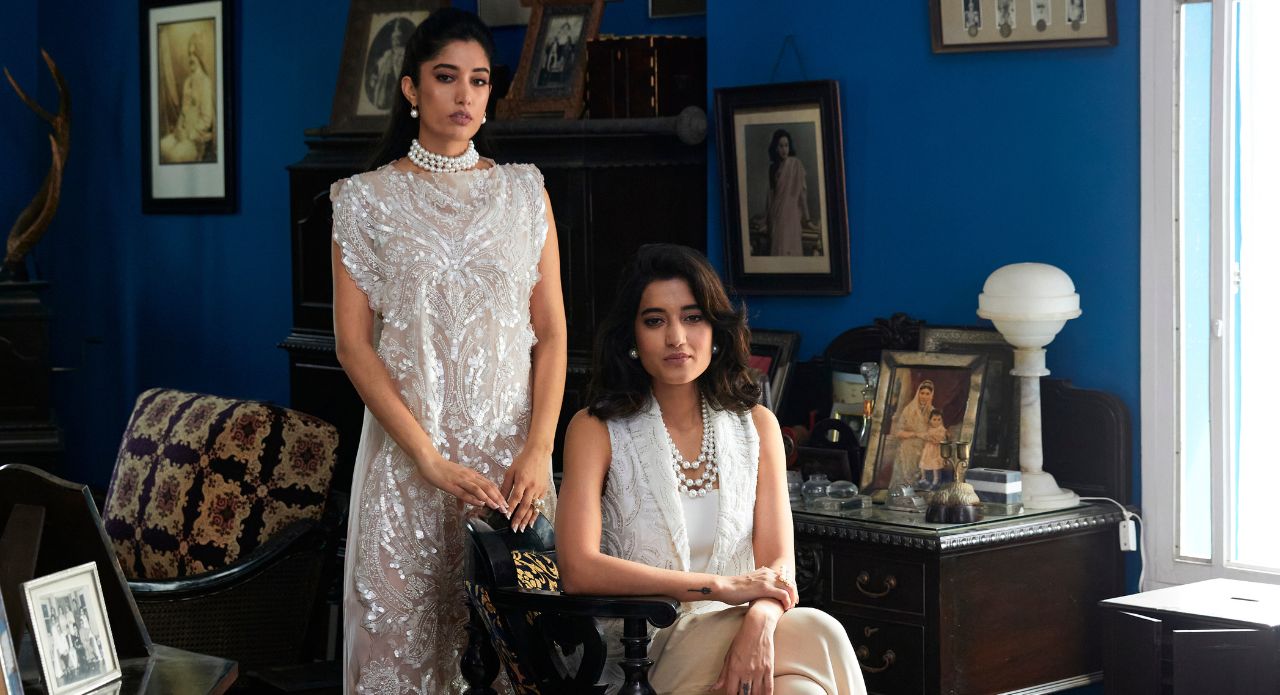
Then arrived a glass of some welcome drink and then Princess Akshita arrived and shook hands with everyone and interacted and sat with us. Along with them, arrived Ayesha, founder and Mihir Thakkar, curatorial adviser of Art and Charlie, a Mumbai based art gallery.
This is where Art and Chalie, in collaboration with The Mayurbhanj Foundation announced the Mayurbhanj Residency, an artist residency hosted at The Belgadia Palace that facilitates a dialogue between Mayurbhanj’s culture and contemporary practice. Since it was the inaugural edition, everyone welcomed artist Kumar Misal, whose work has been created in collaboration with the local Sabai cluster artists who remain the custodians of the regional art developed using Sabai grass.
The Belgadia Palace : A Window to the Past
Akshita Bhanjdeo situated Belgadia Palace within the larger history of Mayurbhanj, describing it as Odisha’s largest district and a former princely state that existed from 697 AD to 1949.
She said, “What makes Mayurbanch really special is that a lot of Paleolithic Stone Age material was found here,” linking the region’s ancient archaeological significance to the palace’s later royal legacy. Built under Maharani Sumitra Devi, Belgadia combines Georgian interiors with Victorian and Roman-inspired elements, while successive generations added new wings, turrets and ceremonial spaces.
Reflecting on its original purpose, Bhanjdeo added, “Architecture also was built because they wanted Europeans to come in here and feel like they’re like us and we can have trade and business and investment.” The palace today stands as both a restored heritage residence and a living archive of Mayurbhanj’s political, cultural and architectural history.
The residency takes its full form from the vision of the palace’s custodians to ensure that Mayurbhanj is conserved through cultural conversations while remaining rooted in its historical identity. For Art & Charlie, it is part of a larger responsibility to rethink how art and culture is produced and valued, framed not as outreach but as an exchange grounded in reciprocity and accountability.
What’s the Residency About
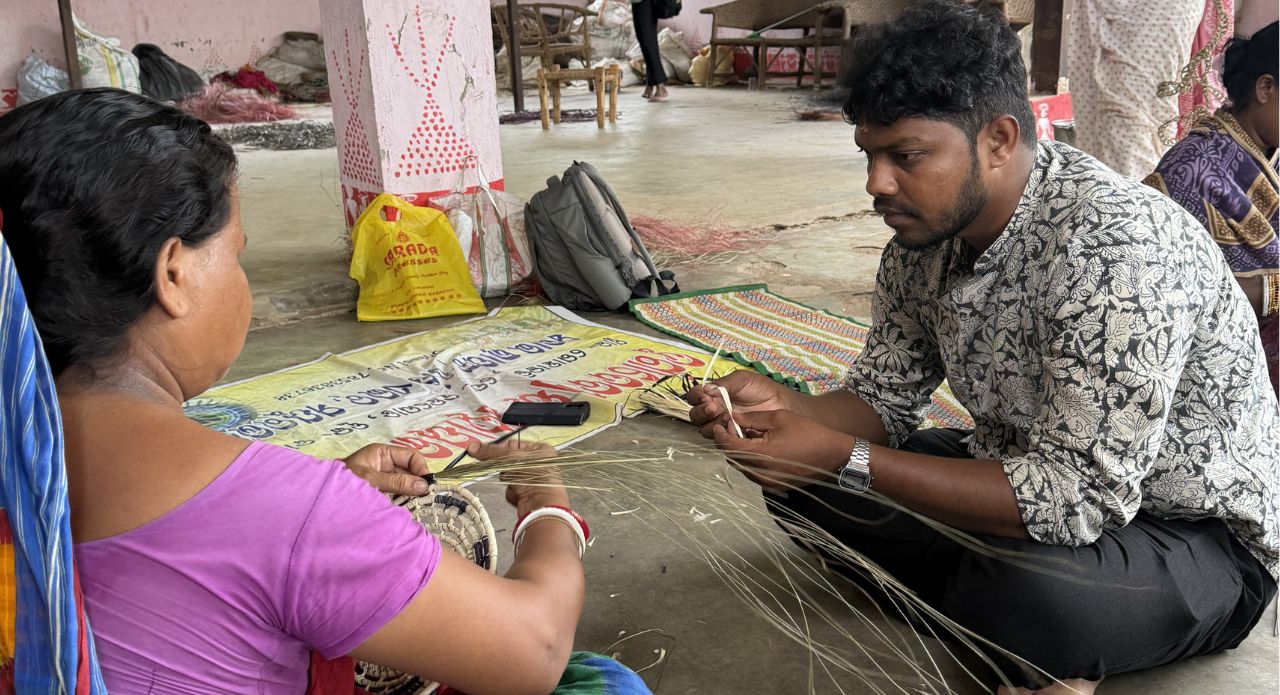
As part of The Mayurbhanj Residency, the selected artist lives within The Belgadia Palace, alongside the erstwhile royal family and work closely with local artists in Sabai grass, bamboo weaving, Dokra metal casting, Mayurbhanj Chhau and regional textiles, not as sites of observation but as spaces of dialogue and shared authorship.
Through the month-long immersion, the programme is built to foster relationships that outlast it, moving away from extractive models toward collaboration and continued exchange. During my visit, I got to experience the way people function by visiting the common facility centre in Rangamatia, Mayurbhanj district in Odisha. The female artists welcomed me handing over the bouquet created locally by using yellow and red hibiscus flowers and ashoka leaves.
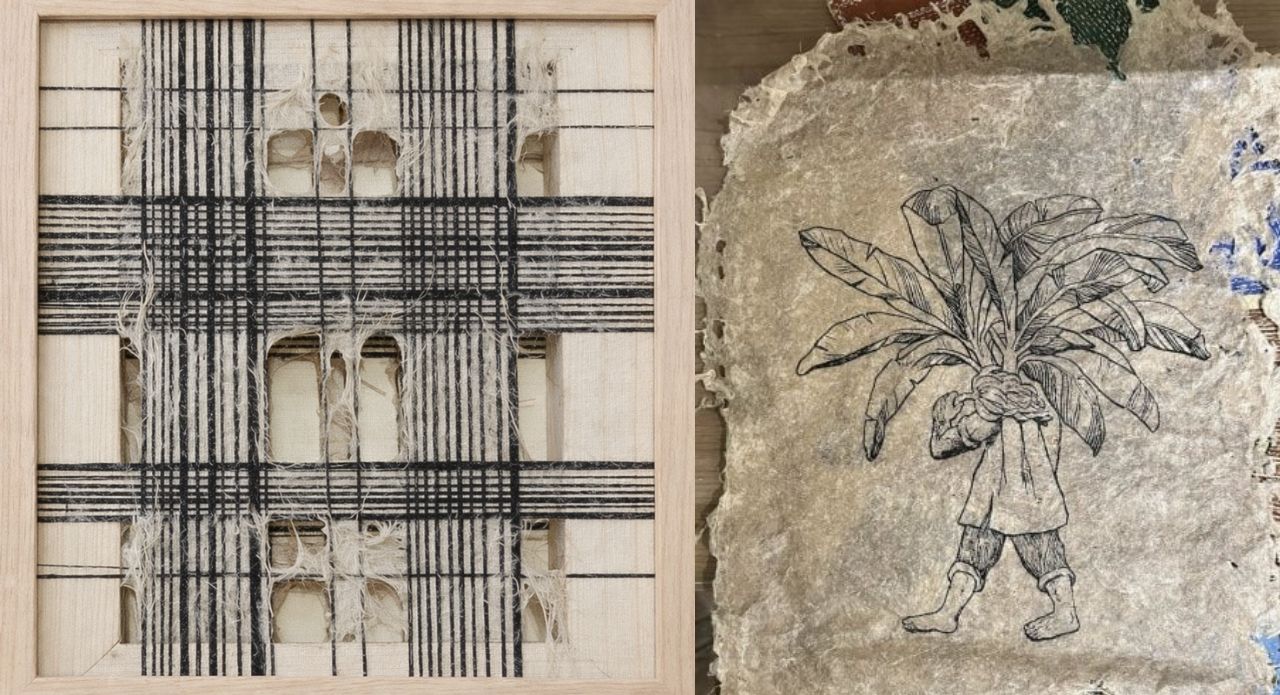
Apart from this, Kumar shared that he began his journey with the Mayurbhanj Residency by developing his own papers from organic materials such as sugarcane, drew on it in the next phase to create more artworks. He introduced colour and eventually developed a 3-dimensional artwork.
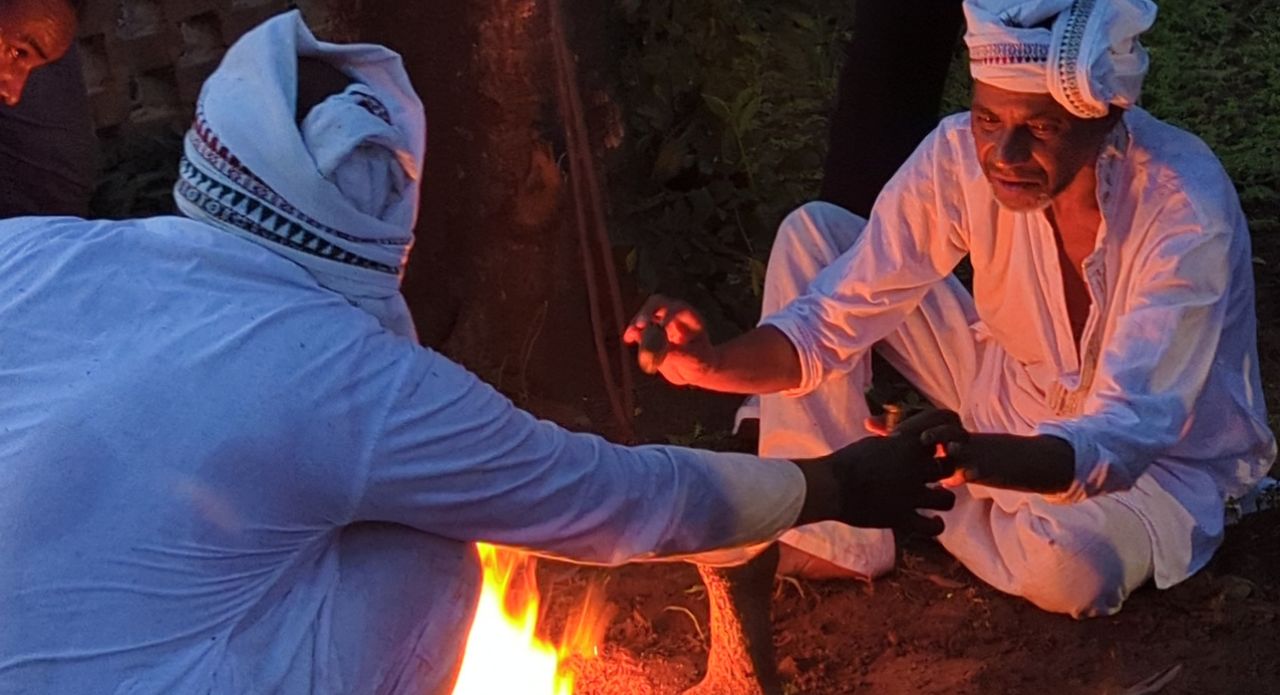
The evening also brought Dhokra artists in the premises of The Belgaria Palace, where they showed the technique of making Dhokra metal dolls and sculptures using about an old tribal tradition called the lost-wax casting method. The process involves molding a core shape out of clay, detailing it with wax threads, encasing it in terracotta, and replacing the melted wax with molten brass.
The night brought together the artists and leading contemporary artist Jagannath Panda, and Ritika Biswas, Curator Bengal Biennale, among others, around the dinner table. Local traditional food served on clay pots and glasses enriched the conversations that celebrated the works of the artists who have historically contributed to the wholistic development of the communities in and around Mayurbhanj, as well as, Kumar Misal, who is working with a vision of giving the product of his learning back to the community that provided him the right environment to develop his skills as an artist.
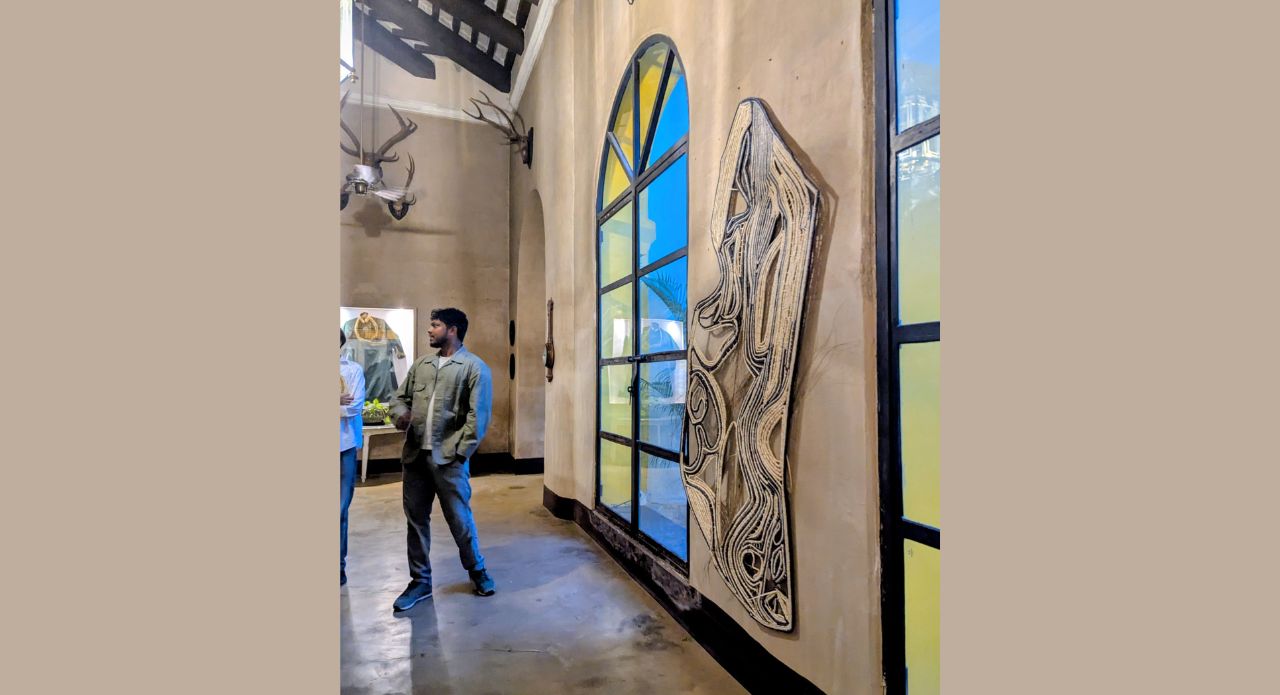
During his residency, Misal worked alongside the artists from the Rangamatia Sabai Grass Cluster, producing a body of work co-authored with the local artists whose Sabai grass practice shaped it. The final works will be shown during Mumbai Gallery Weekend 2027 at Art And Charlie as his solo show.
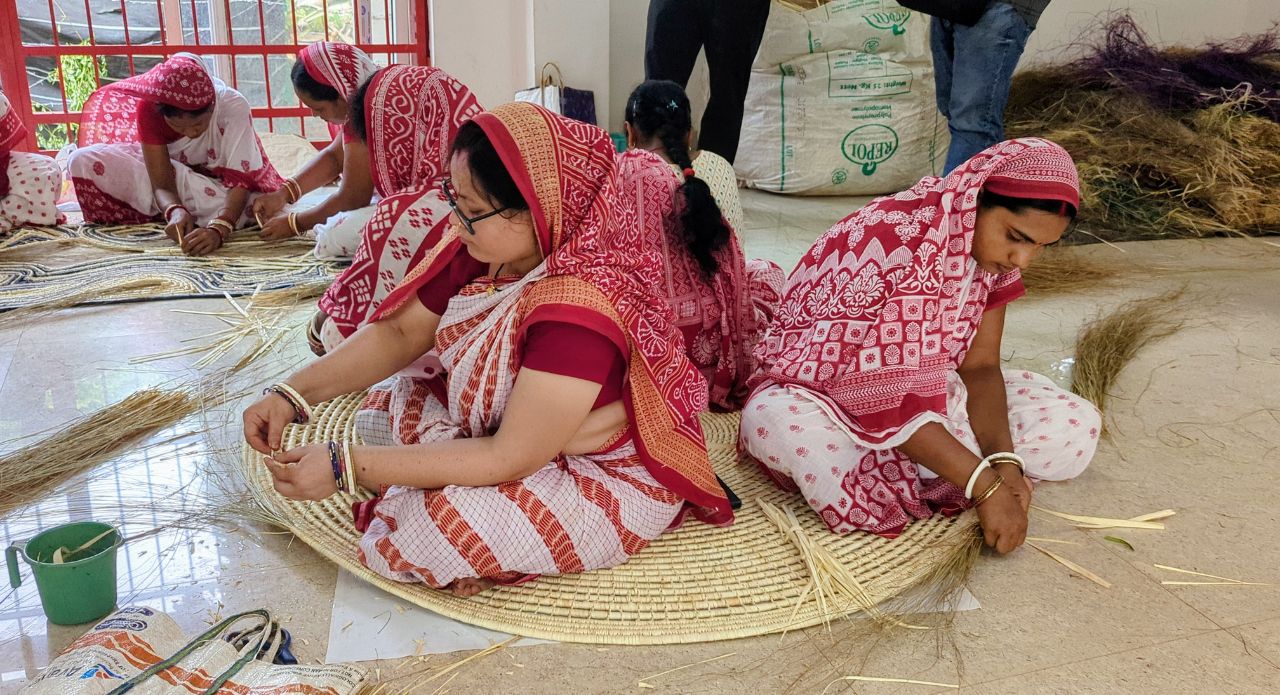
Accompanied by two princesses, Akshita M Bhanjdeo, Director, The Belgadia Palace & Mayurbhanj Foundation and Mrinalika Bhanjdeo, Co-founder of the palace turned boutique stay, and artist Kumar, the next morning, I went to the local houses made up of mud that did not have doors or windows for natural ventilation where women were sitting and creating the artwork by gathering the sabai grass together and covering with date leaf and stitching using damroo matting technique for creating the big beautiful picture. The women were sitting on a big artwork that took about a month to come to fruition.
Somehow, seeing the local female artists building the artwork gave more depth to the structure building under Kumar’s supervision.
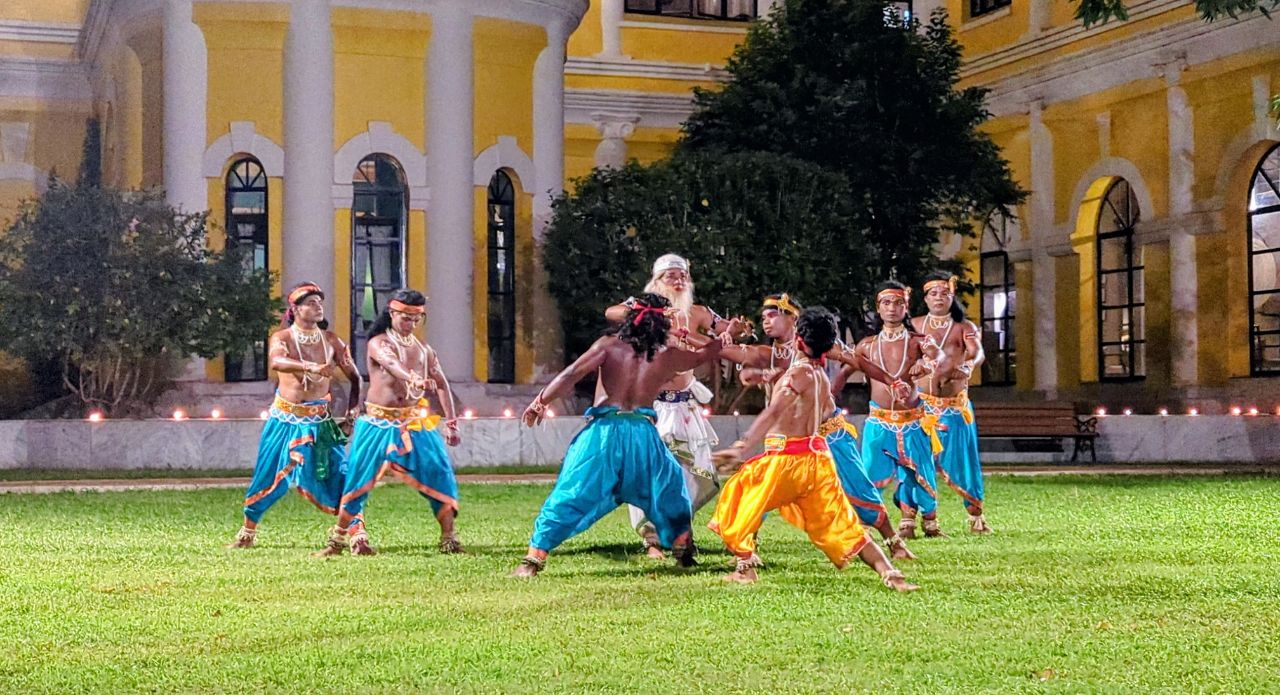
The afternoon further saw Kumar taking a session for budding artists and young kids to give wings to their passion. Thereafter, the Bhanjdeo Palace was lit in the evening and the wind started blowing as if setting the stage for another local ritual, the unmasked Mayurbhanj Chhau dance and music. The musicians immersed the air by playing different instruments which was followed by a traditional Chhau dance. The maskless Mayurbhanj Chhau combines mythological narratives like Abhimanyu Vadh with dynamic representations of local martial traditions and folk life.
For Akshita Bhanjdeo, Belgadia Palace is not merely about preserving a royal legacy but creating a future where heritage becomes a catalyst for community-led growth. Throughout the conversation, she emphasised that luxury today lies in craftsmanship, cultural exchange and meaningful engagement with local communities.
Echoing the idea that preserving heritage is inseparable from empowering the communities that sustain it, Parekh said, “The story of Belgadia is not the story of one family. It’s the story of an entire community” that encapsulates the vision behind the Mayurbhanj Residency. Rather than treating the palace as a static heritage monument, The Mayurbhanj Residency is an initiative that seeks to position it as a living cultural ecosystem where art, craftsmanship, hospitality and local traditions converge to create meaningful, contemporary experiences.
Sharing his perspective on the success of the residency which was nearing its completion, Mihir Thakkar, Curatorial Advisor, Art and Charlie said that the residency’s success lies not just in the artworks it produces but in the relationships it fosters between artists, local communities and visitors. “They are artists in their own rights,” he said of the Sabai grass practitioners, underscoring the residency’s commitment to collaboration rather than extraction.
He concluded that meaningful cultural experiences begin with choosing artists who immerse themselves in the landscape, allowing creativity to emerge organically while leaving a lasting impact on the people, practices and place that inspire it.