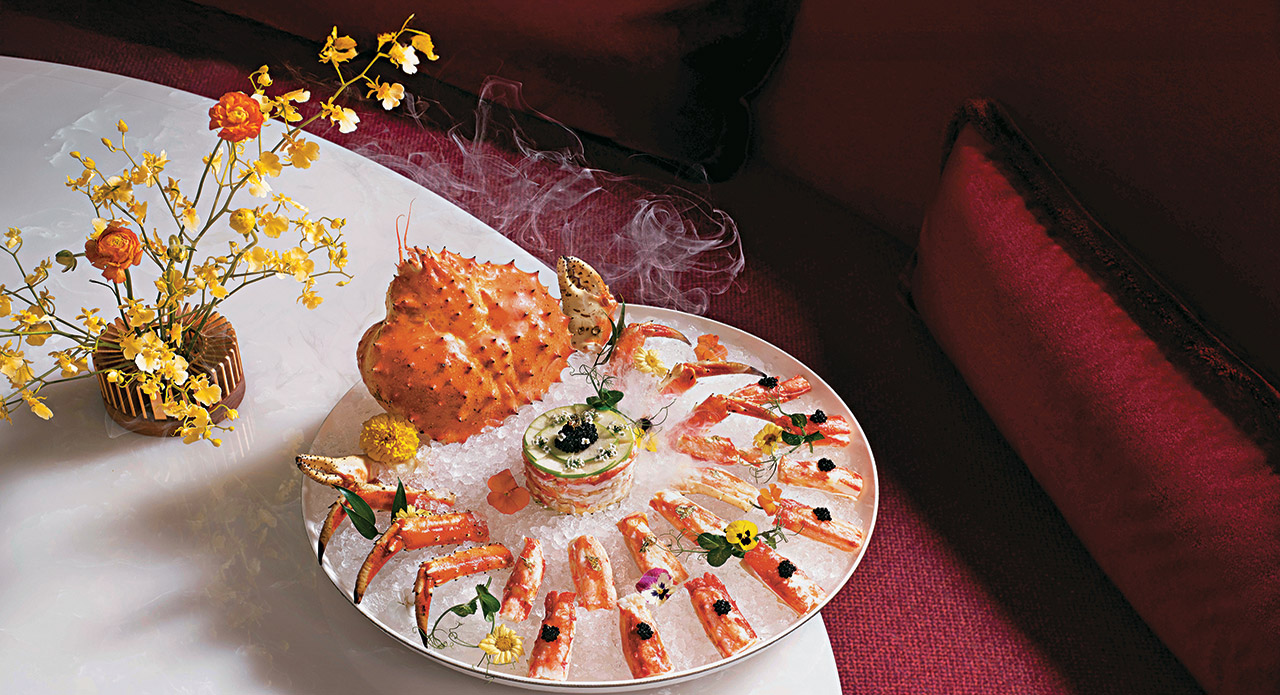


What makes the best wedding feast? Not the sheer abundance of the menu, but the feelings it inspires. The Indian wedding ethos has long internalised the ‘excess’. The more the guests, the longer the buffet; the more the options, the grander the celebration. One can witness live grills, global cuisine, and dessert rooms with plenty of choices to satisfy even the most imaginative cravings. And yet, none of the above calls for special attention. Instead, attendees tend to remember conversations that took place during dinner, or the inclusion of an old, unassuming family recipe amidst the otherwise overwhelming spread, or perhaps a dish they savoured twice. In other words, a wedding feast turns memorable if the goal is surprisingly straightforward: bringing people together. After all, there are very few events which gather four generations under one roof to share stories, traditions and meals. The feast should reflect the unity of people, not the logistics involving dozens of counters and hundreds of choices.
Rule number one: Acknowledge the rhythm
A feast needs to have an inherent rhythm of its own, just like a good conversation. There have to be exciting, comforting, surprising, and familiar moments in the menu. Guests should start with light flavours to wake up their appetites. The middle part of the feast should provide depth and richness, while the end should leave a sensation of satisfaction and not exhaustion. Any person who has attended a large wedding knows what happens if the rhythm of the feast goes out of sync. Guests load their plates with chaat, move to rich curries, try three different kinds of cuisine, and then skip to dessert after the usual, “Oh, I can’t even look at what more there is!” While variety is important, the truly memorable menu comes with a point of view on the subject matter. It can represent the culture of the couple’s hometowns, traditions of the family or heritage of the region. Nowadays, some of the more successful wedding spreads are based on the personal story of the couple. (For example, a favourite vacation snack or their childhood dishes.)
Rule number two: Strive for an intergenerational balance
While young people might like experimenting, weddings are unique due to their intergenerational character. The menu has to welcome grandmothers just like it welcomes teenagers. Along with contemporary dishes the menu should have fare that bring back memories. Guests will not remember ingredients or trendy dishes but they will remember a well-cooked meal that reminds them of home. For example, a traditional curry can go well with creative small plates and traditional sweets can be just as memorable as a fancy dessert.
Rule number three: Respect appetite and digestion
Indian hospitality has never shied away from a desire to appear generous. But this generosity feels superficial if it becomes about how much food you serve. The experience itself, or, rather, the journey before, is where true generosity is revealed. A thoughtful menu understands why contrast is key. Rich dishes require light accompaniments, lest they overwhelm the guest. Fried dishes benefit from the use of fresh ingredients. Thick gravies are complemented by simple sides. Desserts should showcase variation in textures and tastes, and not just an increase in sweetness. Nature is an important guide here. A summer wedding in Udaipur, for example, demands a different menu compared to a winter celebration in Delhi or an outdoor gala in the hills. Summer brings promises of fresh fruits, tropical drinks, and light nosh, while winter offers slow-cooked meals, homey soups and rich flavours.
Also Read: The Art of Exclusivity: Inside the World’s Finest Private Clubs
Rule number four: Embrace the ‘local’
Destination weddings have proved the necessity of embracing local traditions. Take for instance, people travelling to Rajasthan want to taste the local cuisine and not the good they could easily get in Mumbai or Delhi. When hosting a wedding in Goa, there is an opportunity to treat guests with regional fish. A wedding in the hills is a wonderful excuse to take advantage of local products and cooking traditions.
Rule number five: Abundance still matters
Abundance is critical. Indeed, a wedding is the celebration of all celebrations. However, abundance should be shown not only by quantity, but also by quality. It is simply about providing the best possible culinary ‘experience’ for a wedding. It is about food that respects ingredients, acknowledges traditions, opens itself to each new generation and makes guests feel sated and not overwhelmed.
Indeed, at the end of the day, a wedding feast does not represent how much you can serve. It is about sharing what you have. And this is hospitality.