

Somewhere, right now, a sheet of glass is holding back the Red Sea while a guest sleeps soundly a few feet above the coral. Somewhere else, a treehouse in the Arctic Circle is quietly waiting for the sky to turn green. A camel driver passes beneath a nineteenth-century terrace as the pyramids catch the last light of day, and on a tiny atoll in the South Pacific, an entire island hums along on nothing but sunshine and seawater. This is not a list of places to sleep. It is a list of places that rearrange your sense of what a hotel is even meant to be, nine addresses scattered across deserts, oceans, mountains and forests, each one so extraordinary on its own terms that building an entire itinerary around it feels less like indulgence and more like common sense. Outlook Luxe takes a look at nine hotels around the world worth planning a whole trip around.
Mena House, Egypt
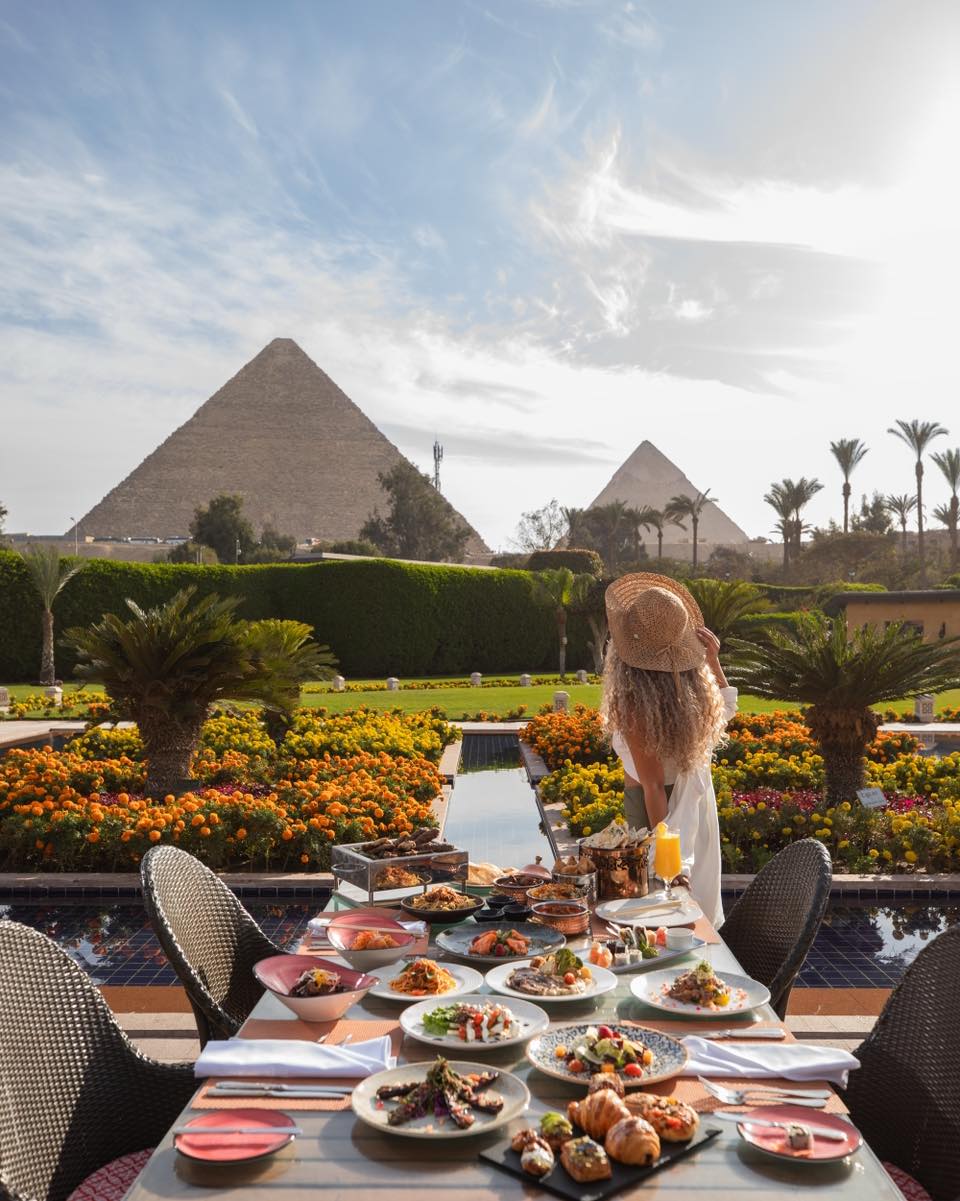
Few hotels anywhere on earth can claim a view quite like this one. Mena House sits directly at the foot of the Great Pyramids of Giza, its gardens, terraces and many of its rooms offering an almost disorienting proximity to one of the ancient world’s last surviving wonders. Originally built as a royal hunting lodge in the nineteenth century before being transformed into a hotel, the property blends Egyptian and Moorish architectural detailing with genuinely storied history, having hosted statesmen, royalty and dignitaries for well over a century. Watching the sun rise or set behind the pyramids from a private balcony here is an experience that photographs simply cannot replicate, however often one has seen them. It remains, quite reasonably, one of the great front-row seats on the planet.
Also Read: Major Events Happening In October 2026 For HNIs, UHNIs And Celebrities
Zannier Sonop, Namibia
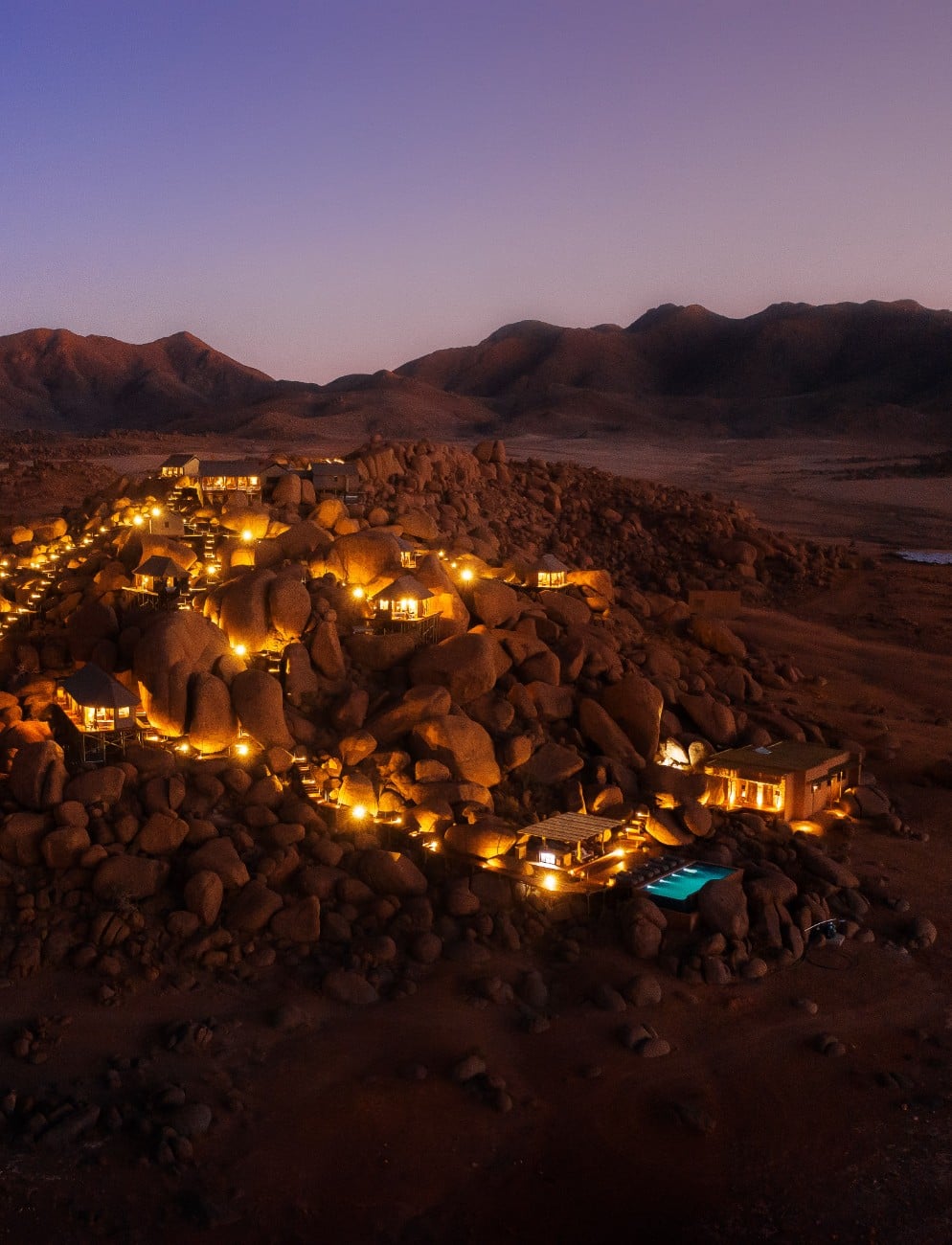
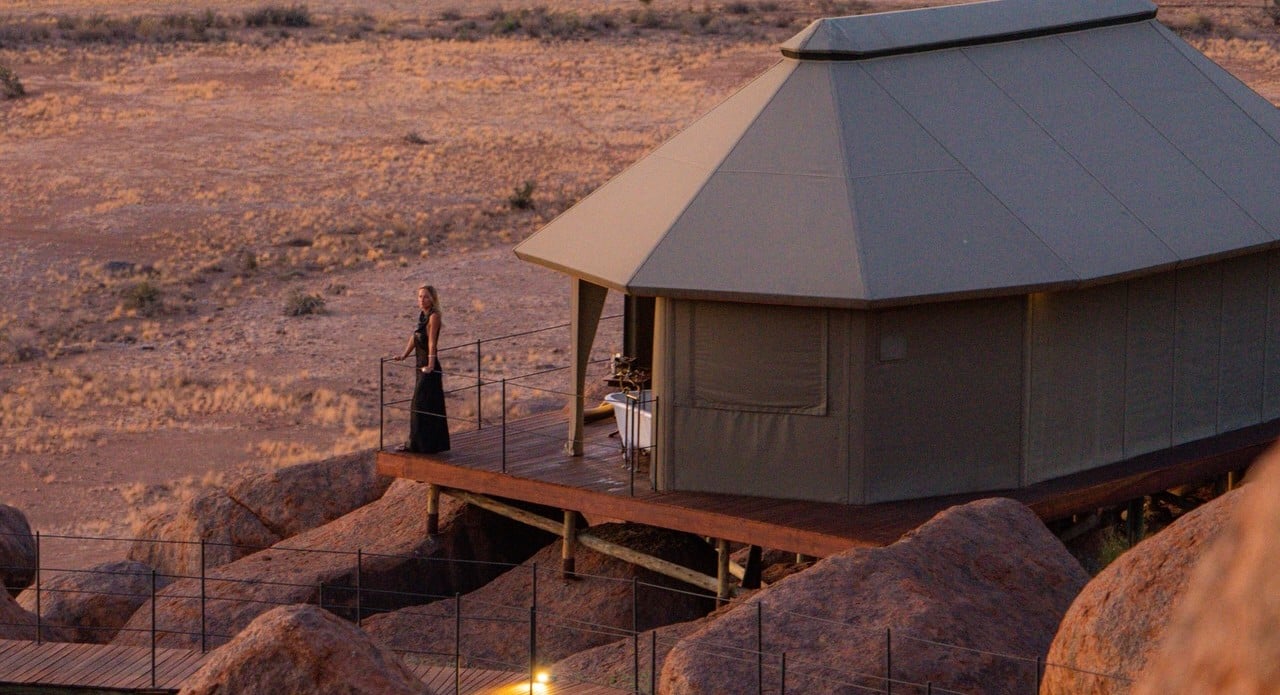
Perched atop a rocky outcrop in the Namib Desert, Zannier Sonop offers a kind of stillness increasingly rare in modern travel. Its tented suites, styled in an early-1900s explorer aesthetic, overlook endless dune landscapes that shift colour dramatically from dawn to dusk, while evenings unfold beneath some of the clearest, least light-polluted night skies anywhere in the Southern Hemisphere. The camp’s remoteness is precisely its appeal, a place built for watching the horizon rather than filling an itinerary, where sundowners on the dunes and stargazing sessions replace conventional entertainment entirely. It is desert luxury stripped back to its most elemental and most genuinely moving form.
Shebara, Saudi Arabia
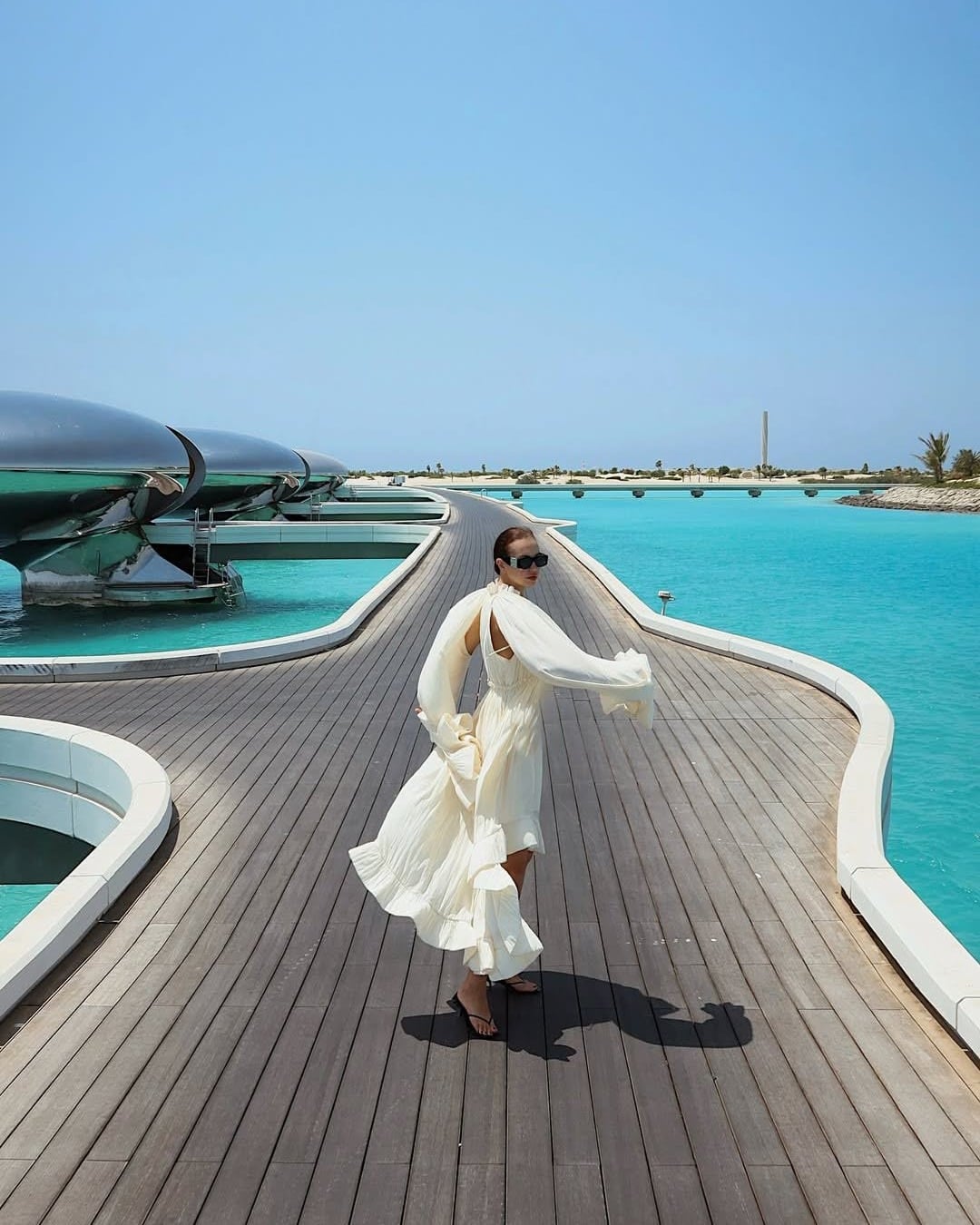
Part of the ambitious Red Sea Global development, Shebara looks less like a conventional resort and more like something borrowed from speculative fiction. Its overwater villas, suspended above the Red Sea’s startlingly blue coral waters, are designed with floor-to-ceiling glass and even underwater viewing windows, allowing guests to observe marine life without leaving their beds. Solar-powered and built with genuine sustainability ambitions, the resort represents Saudi Arabia’s broader push into high-end, environmentally conscious tourism. By night, the villas glow softly against the dark water, creating a scene that feels equal parts futuristic and otherworldly, a genuinely new kind of luxury experience in a region reinventing its own tourism identity.
Château de La Messardière, France
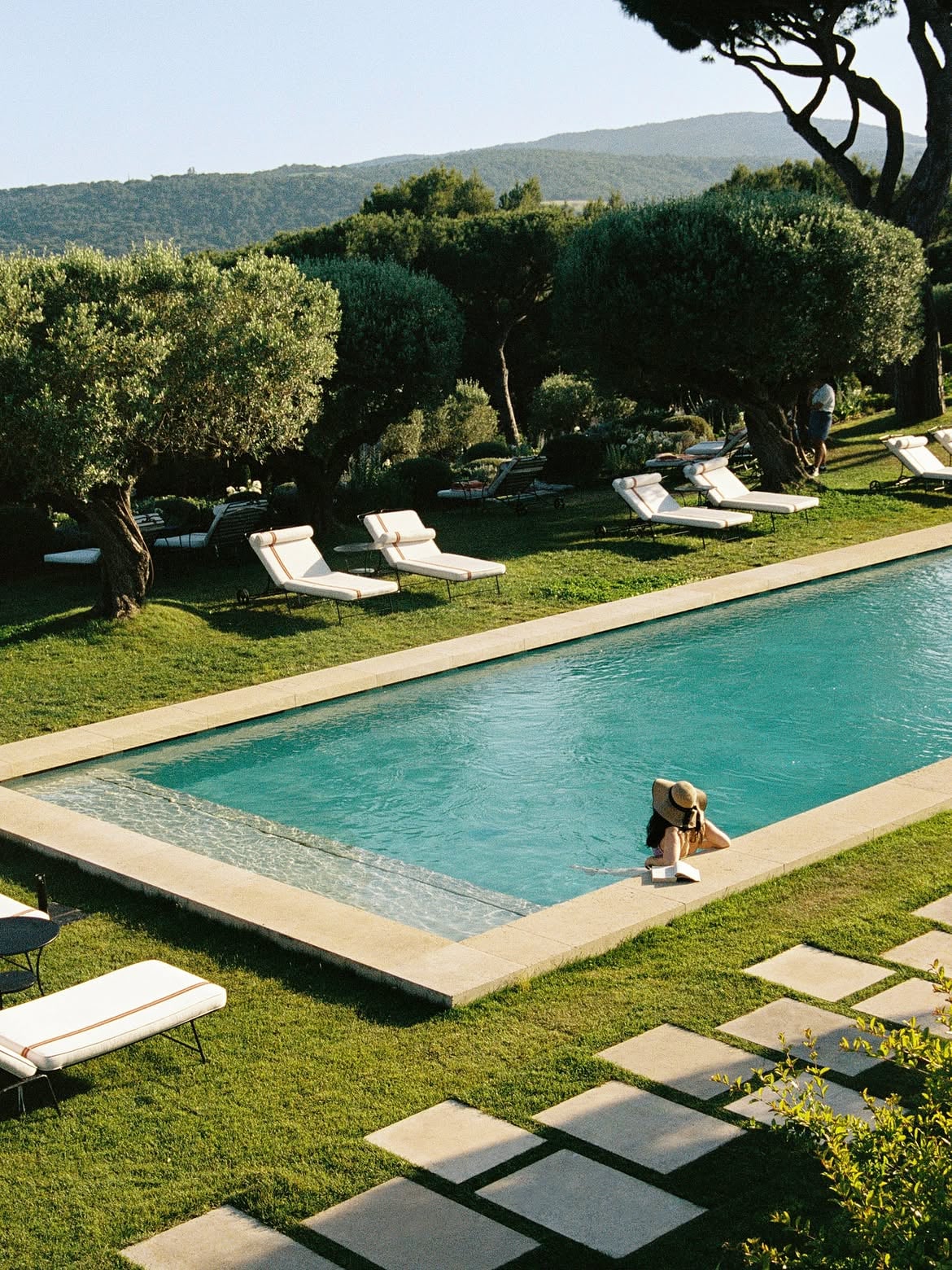
Rising above Saint-Tropez with the unmistakable silhouette of a nineteenth-century château, La Messardière pairs old-world Riviera grandeur with sweeping Mediterranean views. Its terraced gardens, manicured to within an inch of their lives, roll down toward the sea, while interiors furnished with genuine antiques and period detailing lend the property a sense of aristocratic permanence rare even among the Côte d’Azur’s grander addresses. Long, unhurried afternoons by the pool, framed by pine trees and distant sailboats, capture precisely the kind of golden-hour Riviera fantasy that first drew artists and aristocrats to this coastline generations ago, and continues to draw discerning travellers today.
Aman Tokyo, Japan
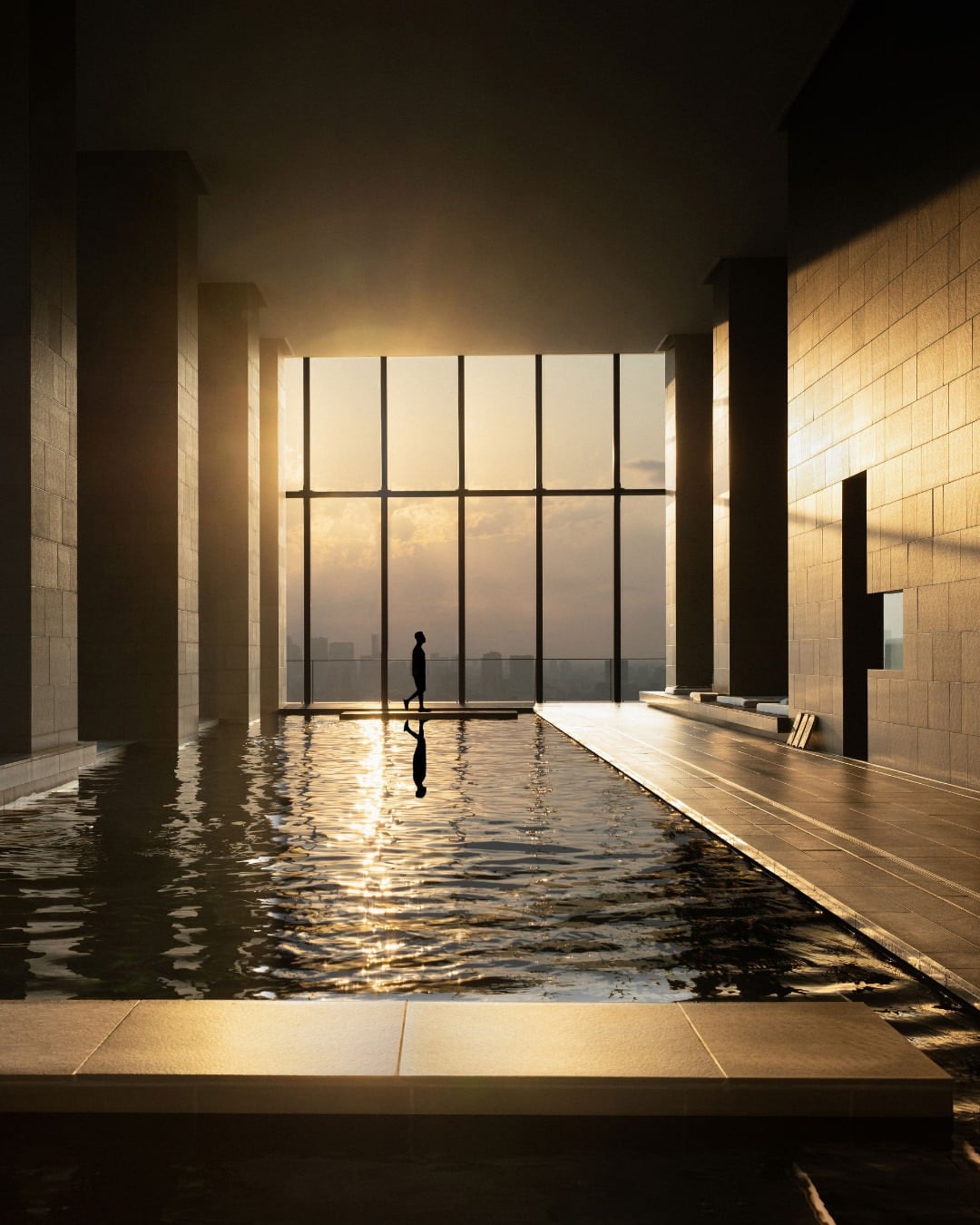
Occupying the upper floors of the Otemachi Tower, Aman Tokyo achieves something few urban hotels manage convincingly: genuine tranquillity within one of the world’s most relentlessly energetic cities. Designed around traditional Japanese aesthetic principles, washi paper screens, natural stone, soft filtered light, the hotel’s soaring atrium and minimalist rooms create a deliberate sense of calm, a retreat from Tokyo’s famous intensity rather than an extension of it. Floor-to-ceiling windows frame sweeping views of the Imperial Palace gardens and the surrounding skyline, offering guests the rare sensation of floating serenely above a city most visitors experience at street-level speed.
Arctic TreeHouse Hotel, Finland
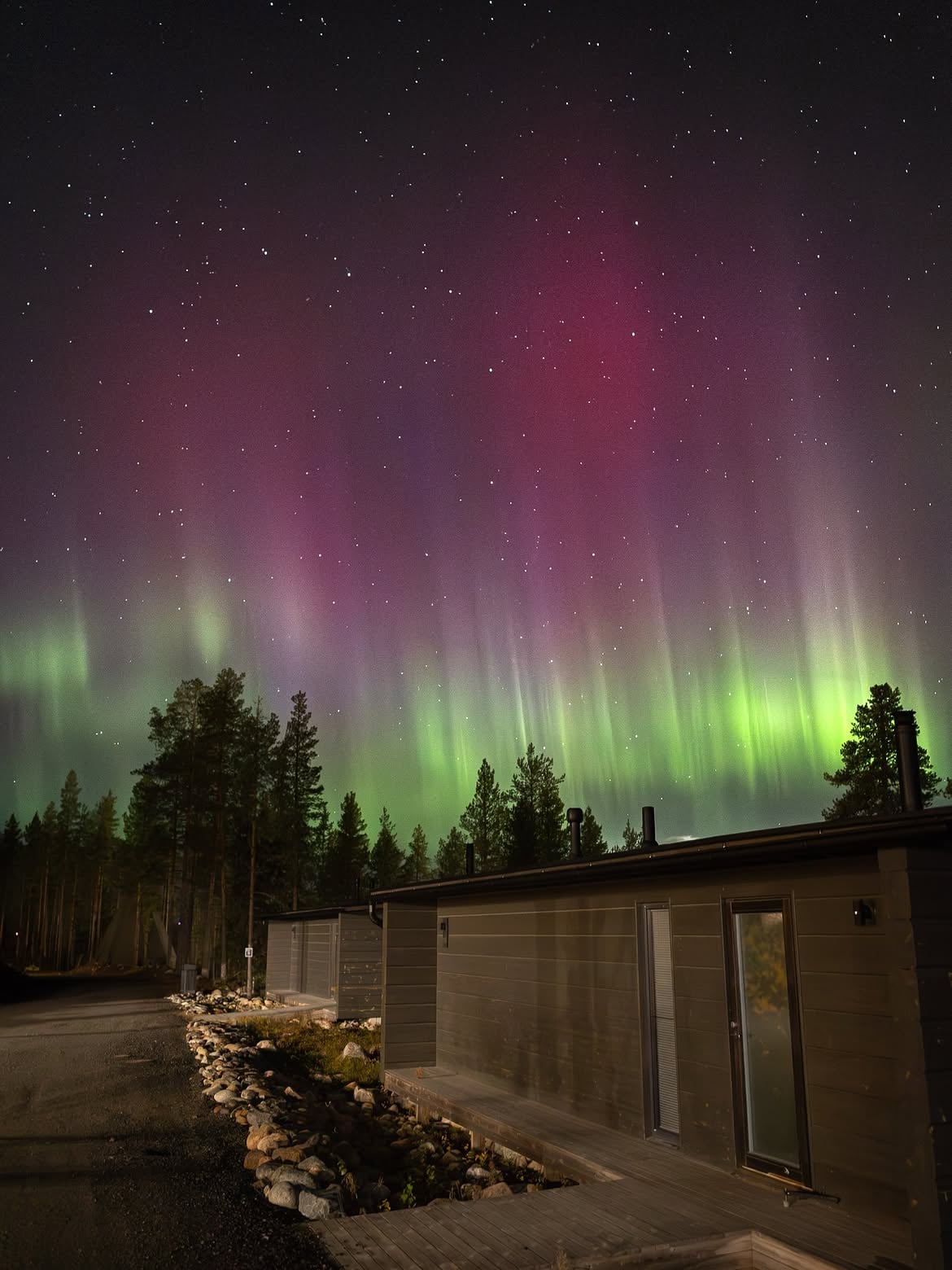
Set among snow-laden pines just outside Rovaniemi, within Finnish Lapland, the Arctic TreeHouse Hotel elevates its guests, quite literally, into glass-walled cabins suspended among the trees. Floor-to-ceiling windows frame the surrounding forest and, on clear nights, offer a genuine chance at witnessing the aurora borealis without ever leaving one’s bed. The design is unmistakably Scandinavian, warm wood interiors contrasted against the stark white landscape beyond, striking a careful balance between rustic wilderness immersion and genuinely considered modern comfort. It remains one of the most atmospheric ways to experience the Arctic Circle’s particular, hushed magic.
Amanjiwo, Indonesia
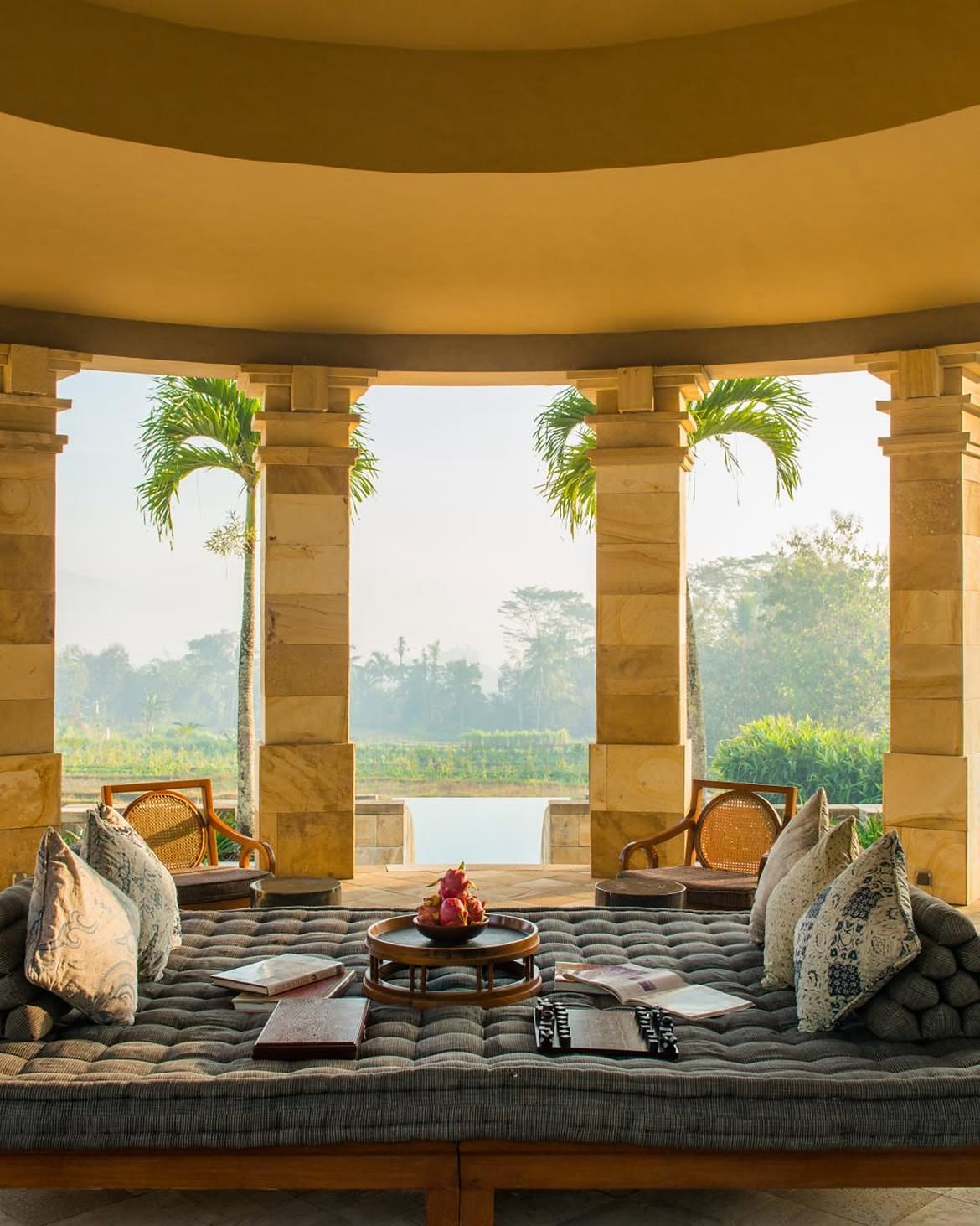
Nestled within a natural amphitheatre of hills on the island of Java, Amanjiwo sits in quiet dialogue with the nearby Borobudur temple, one of the world’s largest Buddhist monuments, visible from the resort’s domed central rotunda. The architecture draws directly from traditional Javanese design, while individual suites, many with private pools, offer sweeping views across volcanic landscapes and rice paddies. The resort’s pace is deliberately unhurried, encouraging guests to simply absorb the surrounding landscape’s considerable spiritual and natural weight rather than rush through a checklist of sights, making it as much a meditative experience as a holiday.
The Brando, French Polynesia
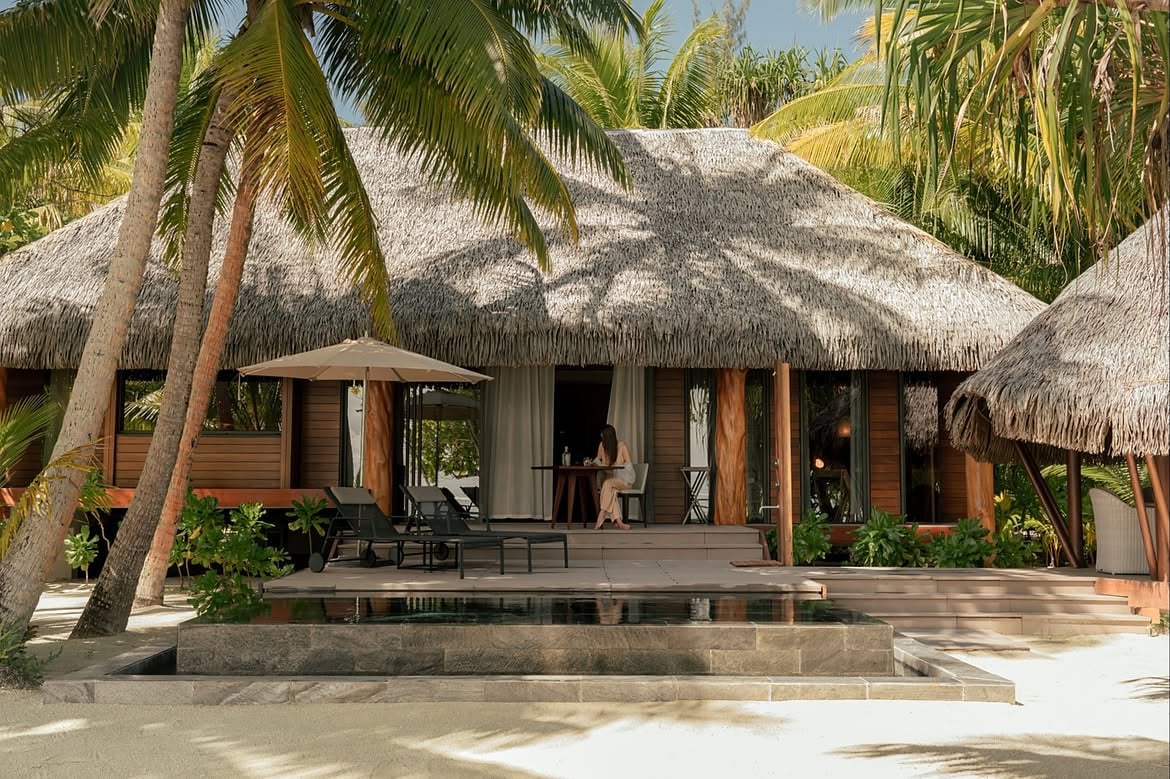
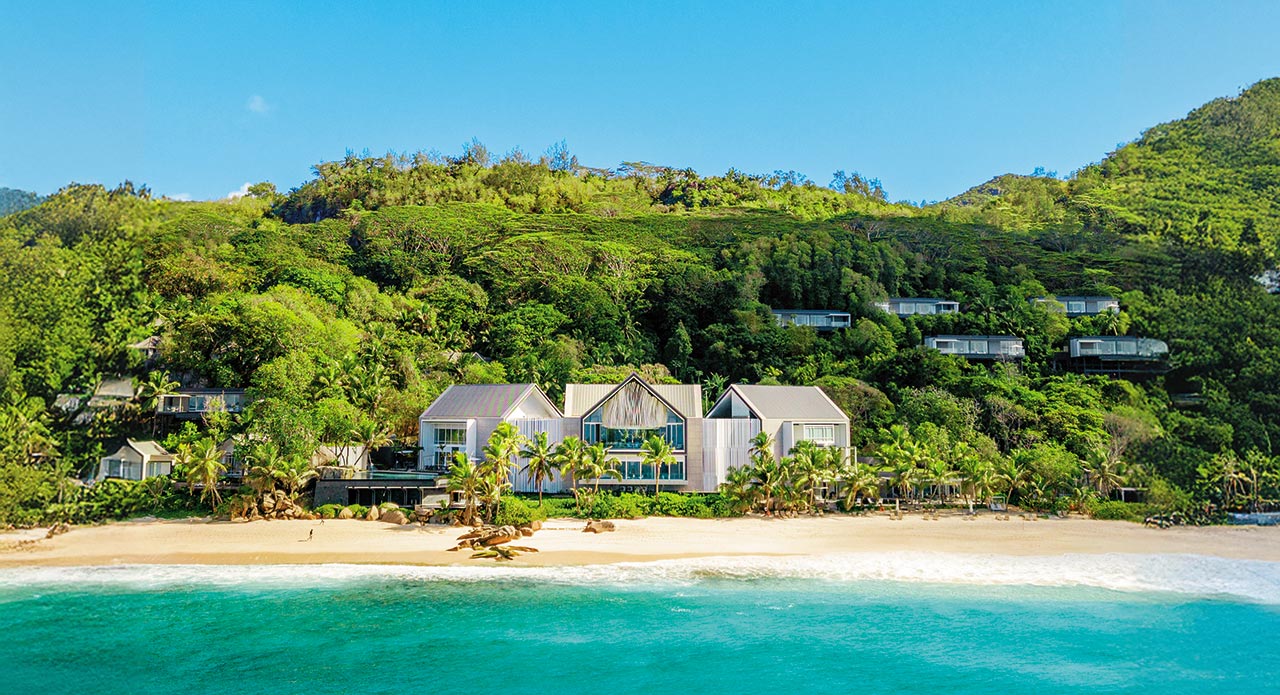
Built on the private island of Tetiaroa, once owned by Marlon Brando himself, The Brando offers a rare, genuinely exclusive proposition: an entire coral atoll largely reserved for its guests. Thirty-five villas, each with a private pool and direct beach access, sit among lush vegetation fringing impossibly clear lagoon waters. The resort’s sustainability credentials run as deep as its luxury, powered substantially by solar energy and seawater air conditioning, proving that genuine environmental consciousness and five-star indulgence need not be mutually exclusive. For travellers seeking total, unhurried isolation, there are few places on earth that deliver it quite this completely.
Palais Namaskar, Morocco
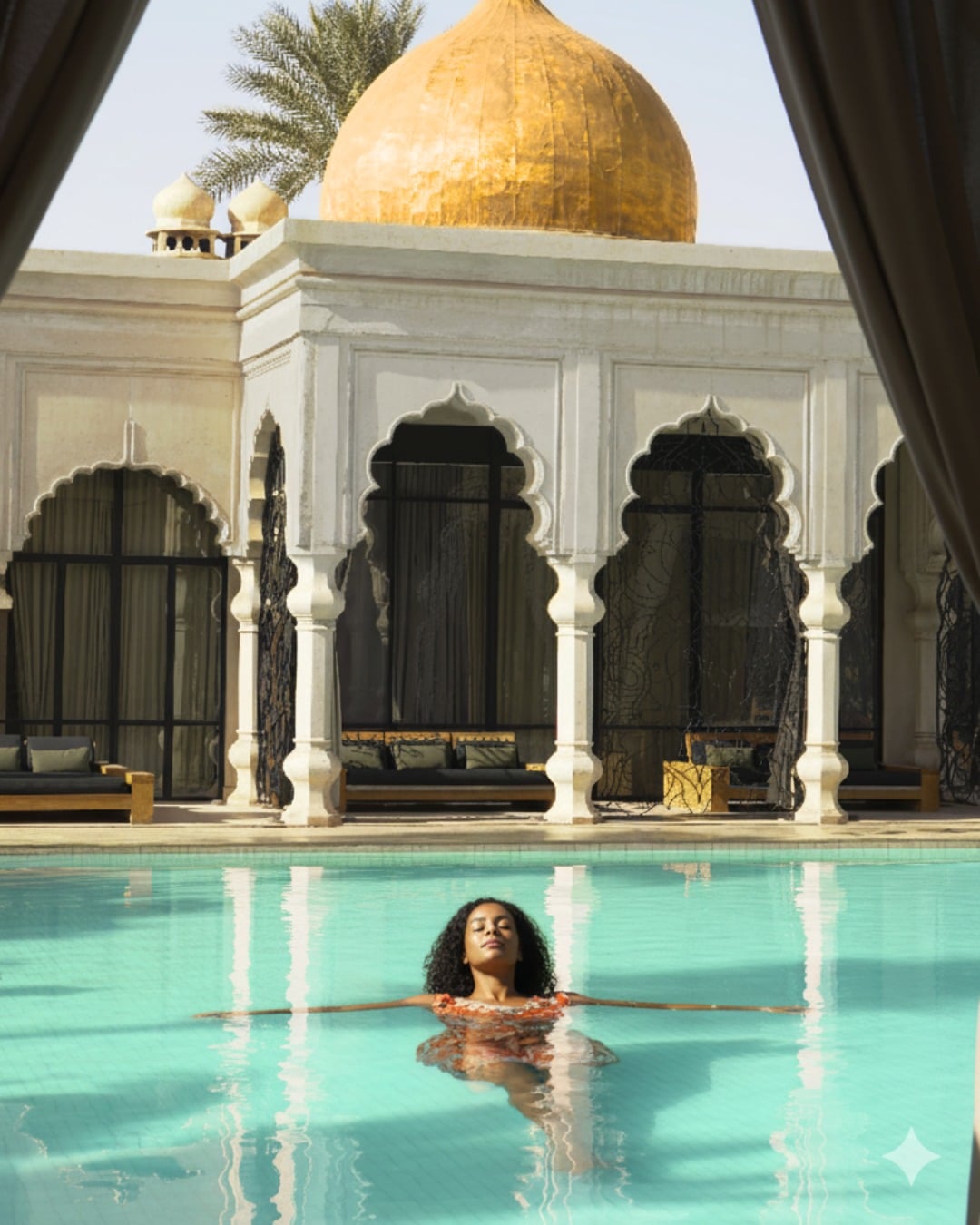
On the outskirts of Marrakech, Palais Namaskar unfolds across sprawling grounds defined by still reflecting pools, manicured gardens and unapologetically palatial architecture. Moroccan craftsmanship, intricate tilework, carved plaster, rich textiles, infuses every corner of the property, while the Atlas Mountains provide a dramatic, snow-capped backdrop on clear days. The resort’s pavilions and villas are arranged to maximise privacy and tranquillity, offering guests a genuinely regal Marrakech experience without ever feeling ostentatious. It captures, perhaps better than anywhere else on this list, the particular, intoxicating magic that has drawn travellers to Morocco for generations.