Collecting the Future: Design Objects Emerging as the New Status Symbol
Collectible design objects are becoming the newest symbols of luxury ownership in 2026, as affluent buyers invest in limited-edition furniture, sculptural lighting and bespoke home décor that combine craftsmanship, rarity and long-term value
An heirloom cabinet is no longer simply a place to store treasured possessions. In today’s luxury homes, it can be the treasure itself, collected not just for its utility but for its craftsmanship, rarity and artistic value. That evolution is placing collectible design objects at the heart of luxury ownership in 2026.
For generations, the world’s wealthiest collectors measured prestige through fine art, rare watches and vintage automobiles. However, a new category is quietly redefining this sort of luxury ownership. Collectible design objects, from limited-edition furniture and sculptural lighting to bespoke home décor, are becoming the latest status symbols among high-net-worth buyers. Throughout 2026, luxury collectors are increasingly turning their attention to pieces that merge craftsmanship, functionality and investment value.
Unlike mass-produced luxury goods, collectible design pieces are often produced in highly limited editions, with many creations existing in fewer than 20 copies worldwide. Their rarity, combined with exceptional craftsmanship and artistic vision, has transformed furniture and décor into coveted collectibles that rival traditional luxury assets.
Also Read: The Return Of Decorative Arts: Craftsmanship Beyond Fashion And Jewellery In Home Interiors
Where Design Meets Investment
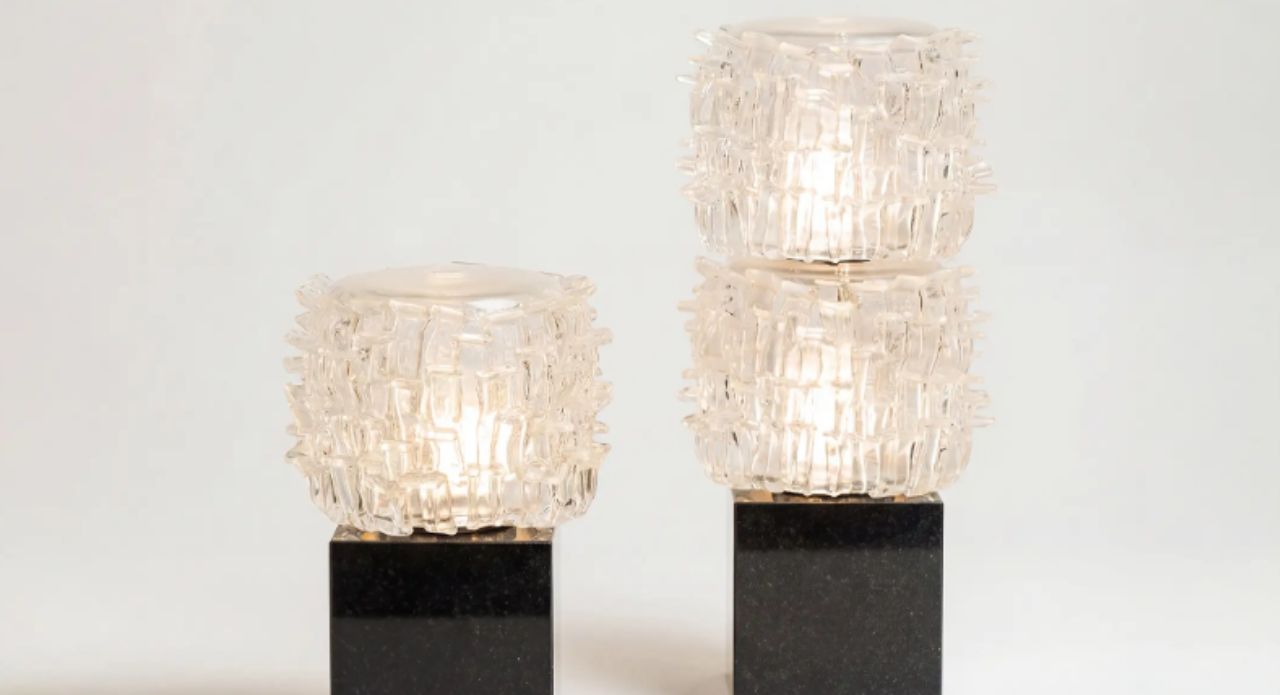
The trend is reflected in the extraordinary prices that collectors are willing to pay for functional objects that double as works of art.
Limited-edition furniture by design studios such as Humbert & Poyet or Carpenters Workshop Gallery frequently commands between (approx.) INR 20 lakh and more than (approx.) INR 2 crore, particularly for collectible tables, cabinets and chairs produced in small editions.
Designer lighting has become another fast-growing segment. Handcrafted crystal chandeliers and sculptural lighting installations from heritage names like Baccarat or Czech glassmaker Lasvit can range from INR 5 lakh to over INR 1 crore, especially when commissioned for private residences.
Collectible ceramics and artistic vases from historic porcelain house Ginori 1735 or Venetian glassmaker Venini regularly begin at (approx.) INR 30,000, while rare artist collaborations and museum-quality editions can reach several tens of lakhs.
Meanwhile, bespoke functional objects, including bars, mirrors, desks and decorative screens by luxury design houses such as Hervé Van der Straeten and Boca do Lobo, often sell for INR 25 lakh to well above INR 1 crore, blurring the line between furniture and collectible art.
Luxury Beyond The Wardrobe
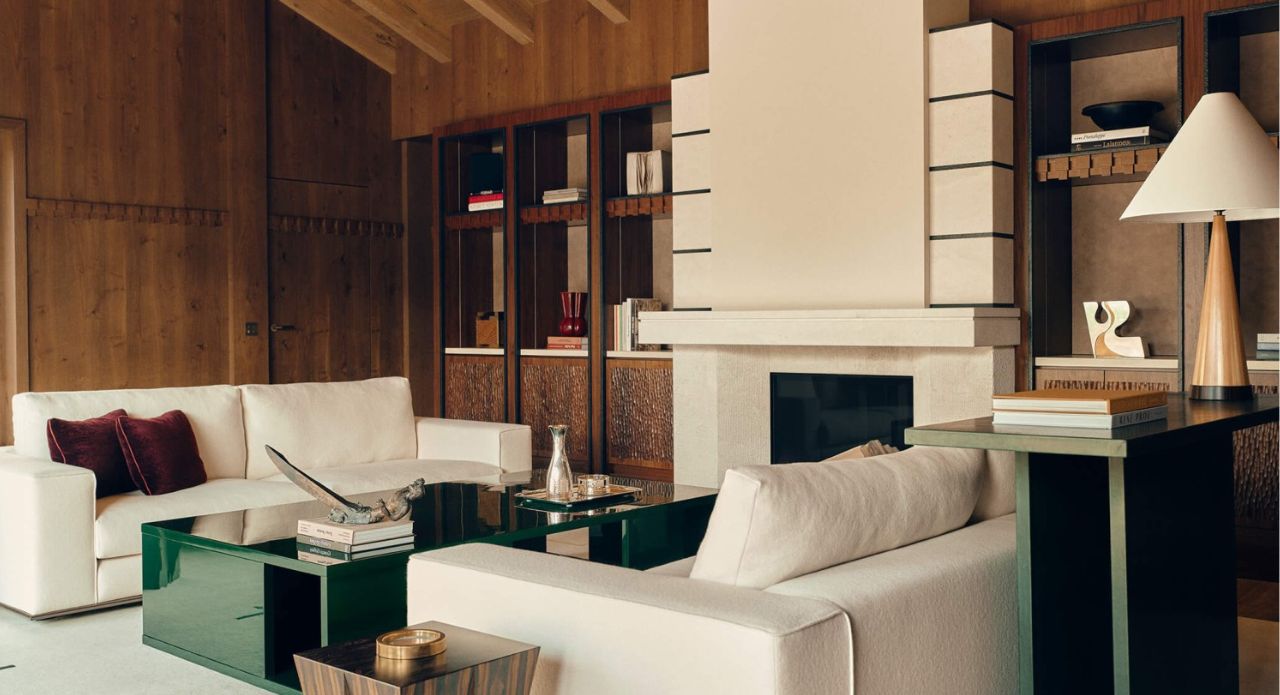
The appeal extends beyond price. For today’s luxury buyers, these objects offer a more personal expression of taste than traditional status symbols. A sculptural chair or a limited-edition lighting installation transforms a private residence into a curated gallery while reflecting an owner’s appreciation for craftsmanship, design history and exclusivity.
The shift also mirrors changing luxury consumption habits. Rather than investing solely in fashion or jewellery, affluent consumers are increasingly building collections that integrate art into everyday living. Limited production runs, bespoke commissions and collaborations between designers, artists and heritage maisons have further elevated the category’s desirability.
As luxury lifestyles become increasingly centred around curated living spaces, collectible design objects are emerging as the next frontier of prestige. More than decorative furnishings, they represent cultural capital, artistic innovation and enduring craftsmanship.