Upcycling Home Decor Ideas: How To Create An Eclectic Space That Tells Your Story
Six old objects from your home and how to make them the most beautiful things in it
There is a particular kind of grief that comes with throwing away an old thing you once loved. The ladder propped against the garage wall for fifteen years, the armoire your grandmother kept her linens in, the terracotta pot that cracked one winter but never quite made it to the bin. We don’t throw away these things because we believe these objects still have more to give, and we’re right. The design world has spent the last decade catching up to what our grandmothers in villages always knew: that a well-worn object, reimagined, has a warmth and specificity that no flat-pack substitute can touch.
This is not a story about clever budget hacks. It is about looking at what you already have, and seeing it differently.
The Old Wooden Ladder
An old wooden ladder is essentially a pre-built shelving unit that someone has inexplicably been keeping outside.
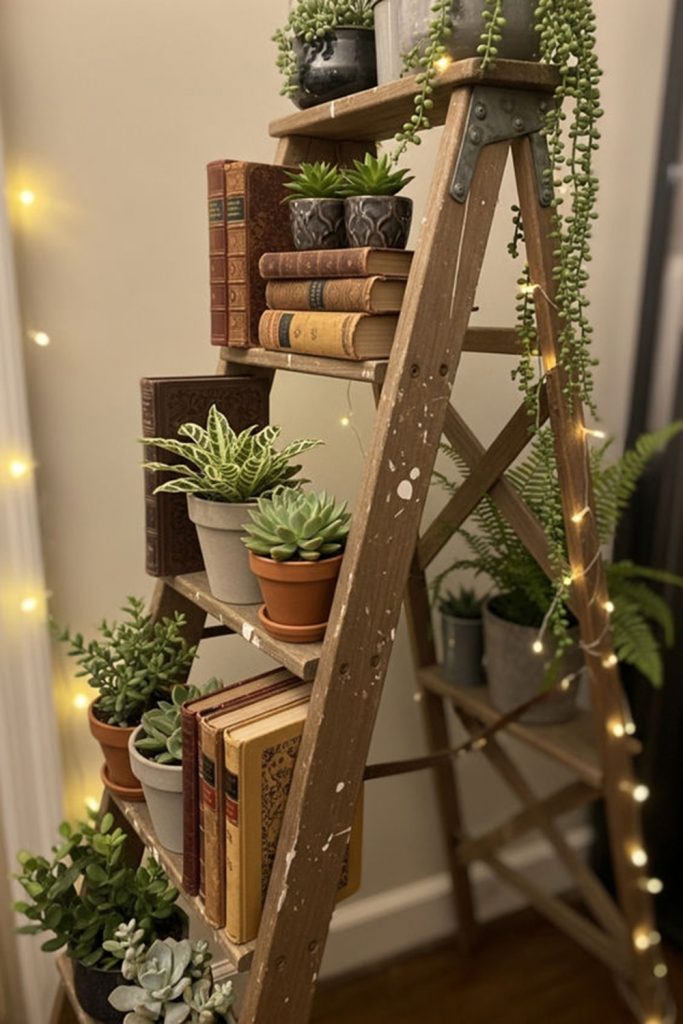
Lean it against a bedroom or living room wall and it immediately becomes one of those pieces that design magazines spend paragraphs trying to replicate with custom joinery. If the wood is weathered, resist the urge to sand it smooth and paint it pristine.
Styling Tip: Fill it with many things – three throws, five books, one trailing plant.
The Old Almirah (Cupboard)
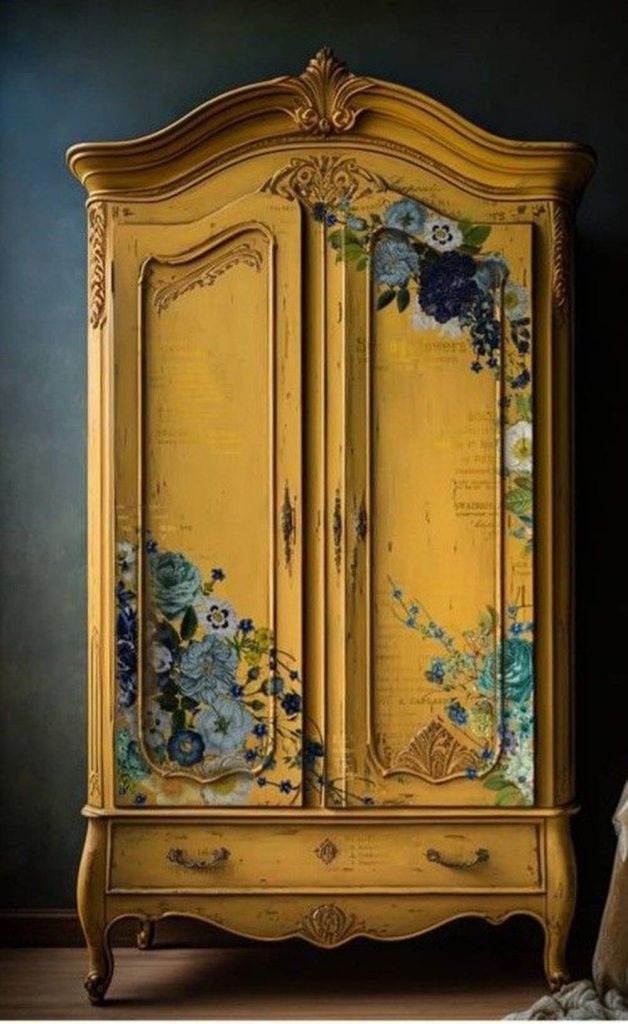
Old wooden cupboards with panel doors and slightly squeaky hinges that your parents used for everything from saris to medicine have exceptional bones.
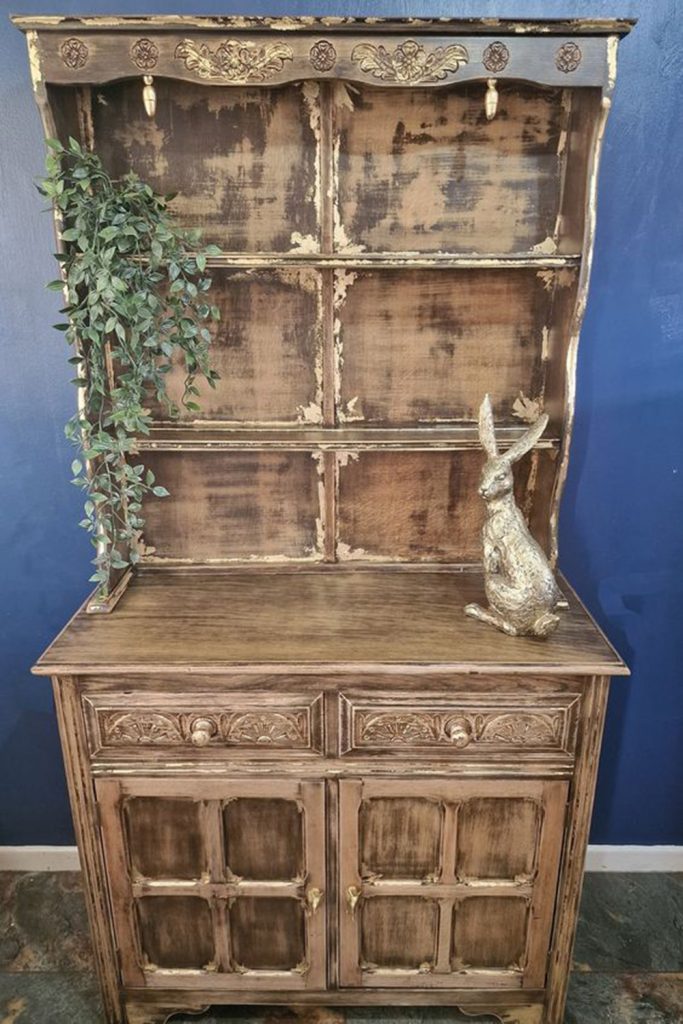
They were built in an era when furniture was expected to last a lifetime, which means their joinery is often superior to anything you could buy at a comparable price today. A deep inky navy with brushed brass hardware turns a humble almirah into something that looks pulled from a Parisian apartment. A warm terracotta with hand-painted white geometric borders around each panel connects it to Rajasthani haveli tradition in the most elegant way. For the adventurous, consider painting only the interior.
Open the doors to reveal a shock of chartreuse or dusty rose against a neutral exterior.
Styling Tip: Replace the handles last. Ceramic knobs, leather pulls, or antique brass loops cost very little but change everything.
Also Read: Why Terracotta Is Trending For Summer Home Décor, Kitchenware And Tableware
The Big Matka (Pot)
Large earthen pots, the wide-bellied matkas and urns that once stored water, grain, or pickle are among the most undervalued canvases in Indian homes. Their form is already magnificent. Rounded, heavy-bottomed, tactile in a way that no machine-thrown ceramic ever quite matches. They simply need a new story painted onto them.
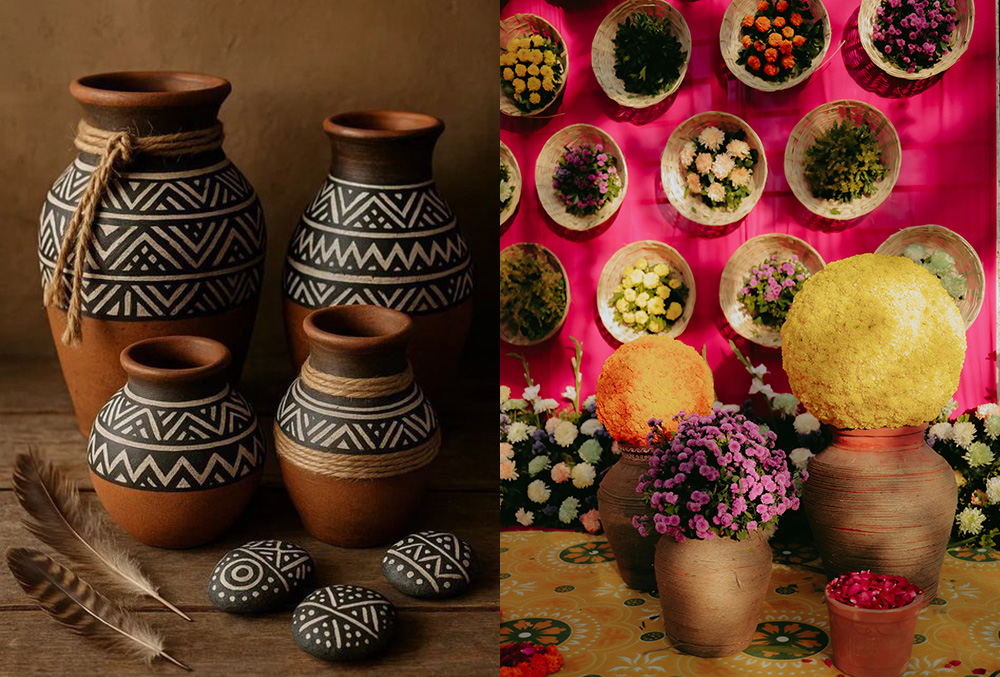
Paint is the most direct route. Use exterior acrylic for durability, and work in layers rather than one heavy coat. Folk motifs – warli figures, madhubani fish, simple ikat geometrics, look completely at home on terracotta and require no particular artistic training, only patience and a fine brush. For those who prefer a more contemporary result, abstract washes of colour in ochre, white and black have a studio pottery quality that looks expensive. Decoupage is the other great option.
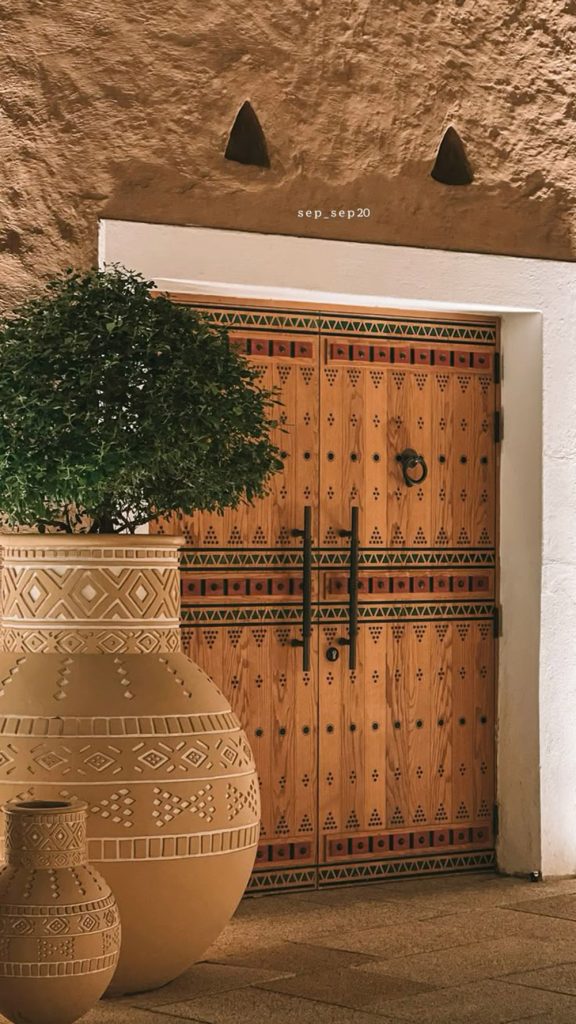
Tissue paper pieces soaked in diluted PVA glue adhere beautifully to the porous surface, and you can build up patterns from old maps, botanical illustrations torn from calendars, or pressed leaves.
Styling Tip: Living room is the best place to keep this.
Also Read: The Heirloom Luxury Edit For Classy Homes
The Old Bathtub
This one requires courage, and perhaps a dolly and two strong friends. But the result is the kind of thing that makes your home unforgettable.
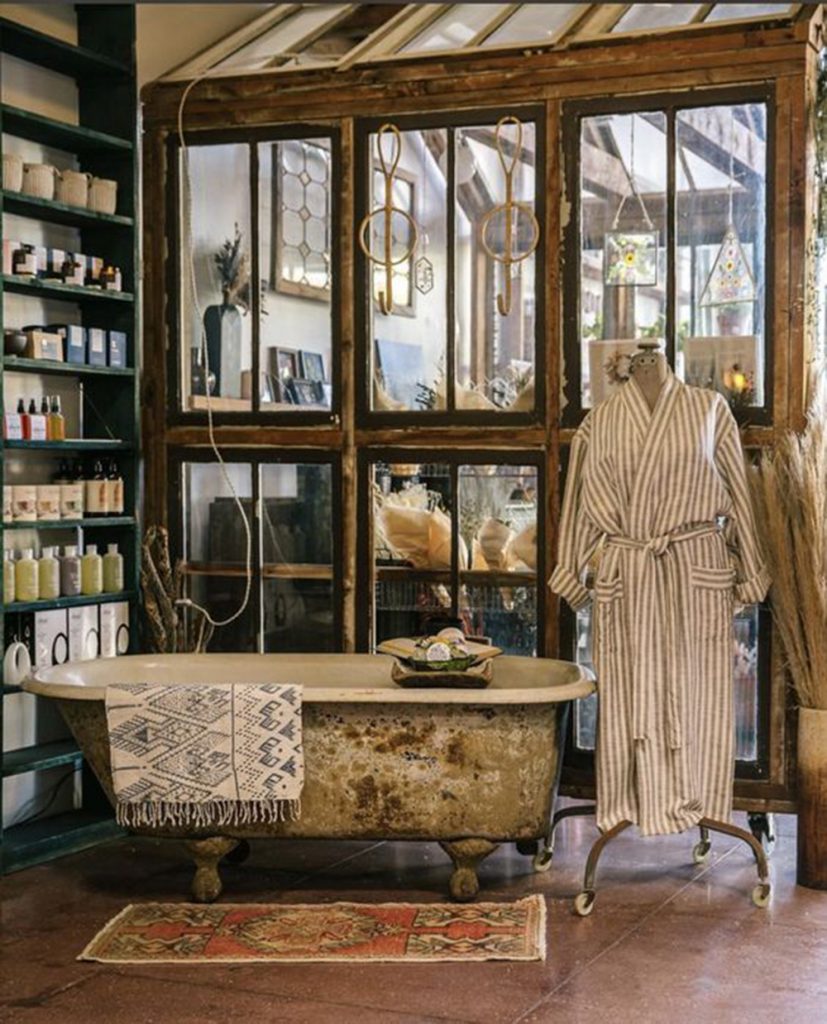
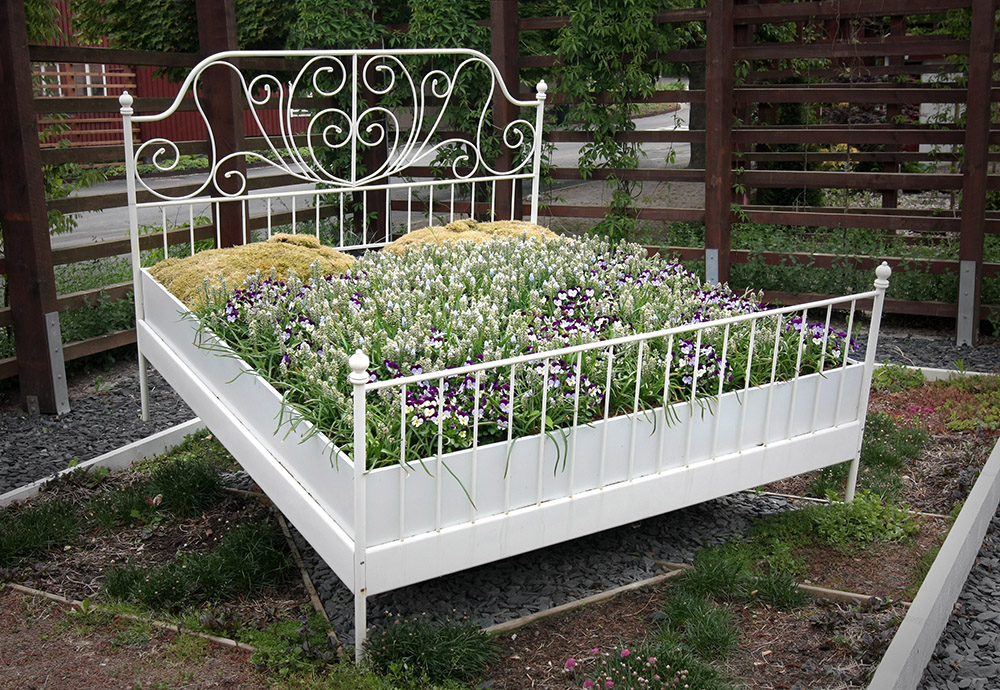
An old cast-iron or regular bathtub, shifted to a verandah, porch, courtyard or garden and filled with soil, becomes an extraordinary planting vessel. The sheer volume of its basin allows for deep-rooted plants and complex layered planting that shallow pots simply cannot accommodate. The aesthetic logic is simple. A claw-foot tub overflowing with pink trailing petunias and silver-leafed dusty miller looks like it belongs in an English garden folly. For Indian courtyards and verandahs, consider planting it with a mix of seasonal flowers and aromatic herbs – marigolds and basil together, or a mass of mogra alongside bright portulaca.
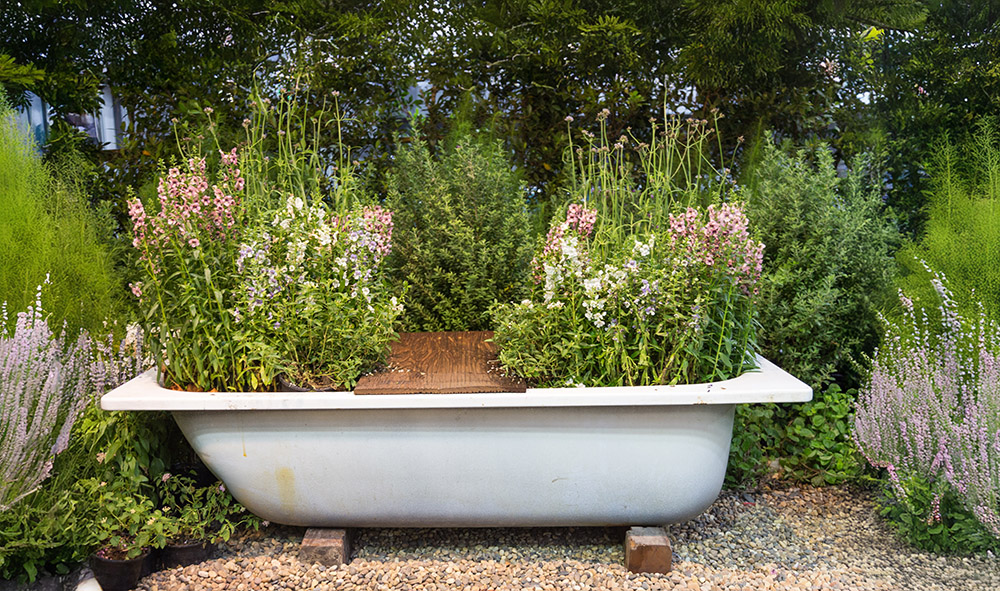
Styling Tip: Fill the base with a layer of broken terracotta pieces before adding soil. They improve drainage significantly and keep the weight from becoming overwhelming on a wooden porch floor.
The Old Mirror Frame
Old mirror frames have an architectural quality that is difficult to manufacture from scratch. Whether they are ornate gilded plaster frames from old havelis, simple teak rectangles, or the slightly kitsch baroque curves of a 1980s hallway mirror, they share one thing in common: they are built to be looked at. When the mirror glass itself has silvered, fogged or cracked beyond usefulness, the frame becomes the entire point.
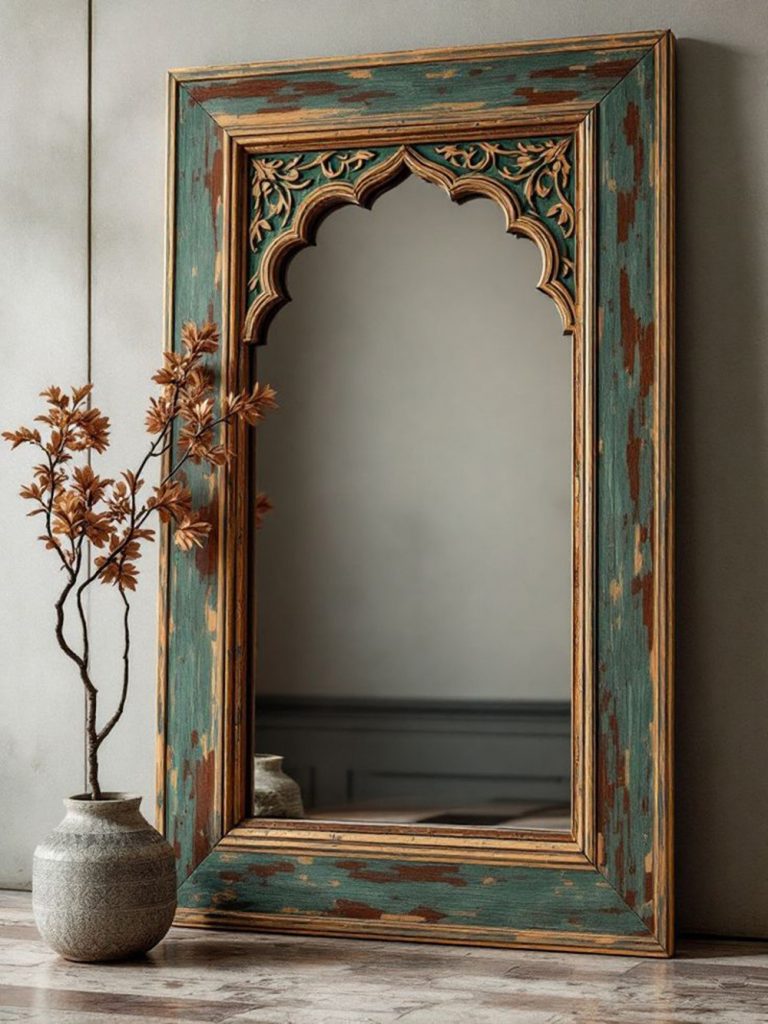
Remove the old glass and the frame becomes a picture frame of extraordinary proportion – large enough to mat and display a collection of botanical prints, old city maps, a piece of hand-embroidered textile, or a child’s large-scale artwork that would otherwise have no home. Or just keep it in your living room or bar for an eclectic touch.
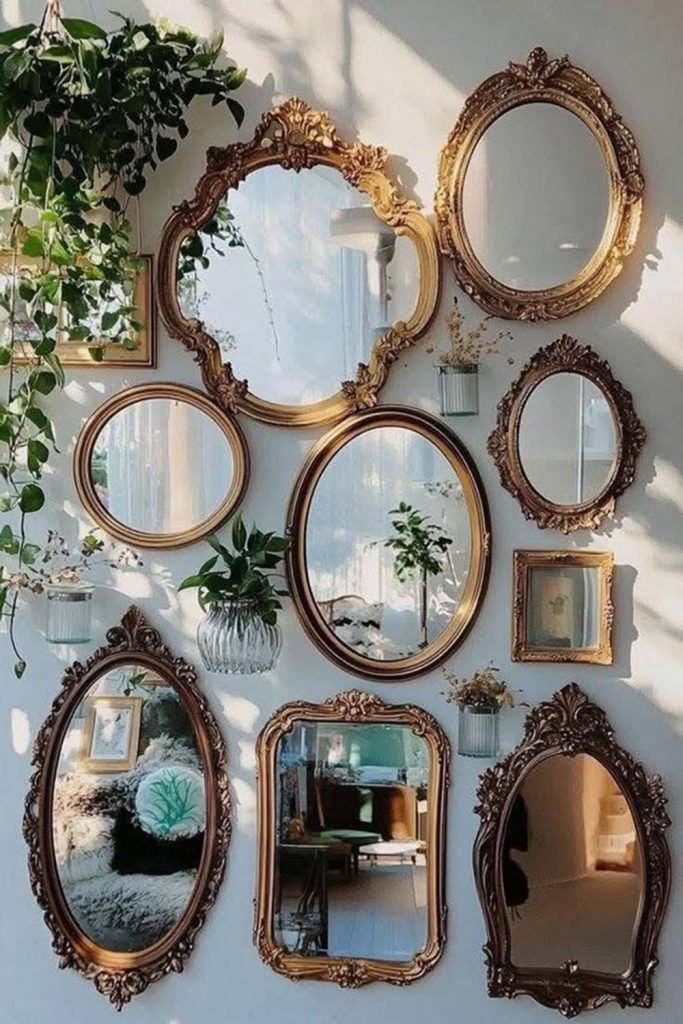
Styling Tip: If you like the minimalist aesthetic, paint it white.
The Old Tin Or Wooden Trunk
The old steel trunk, painted in the regulation blue or green of school hostel memories, is one of those objects that has looped through several cycles of fashion without ever really going away, and for good reason.
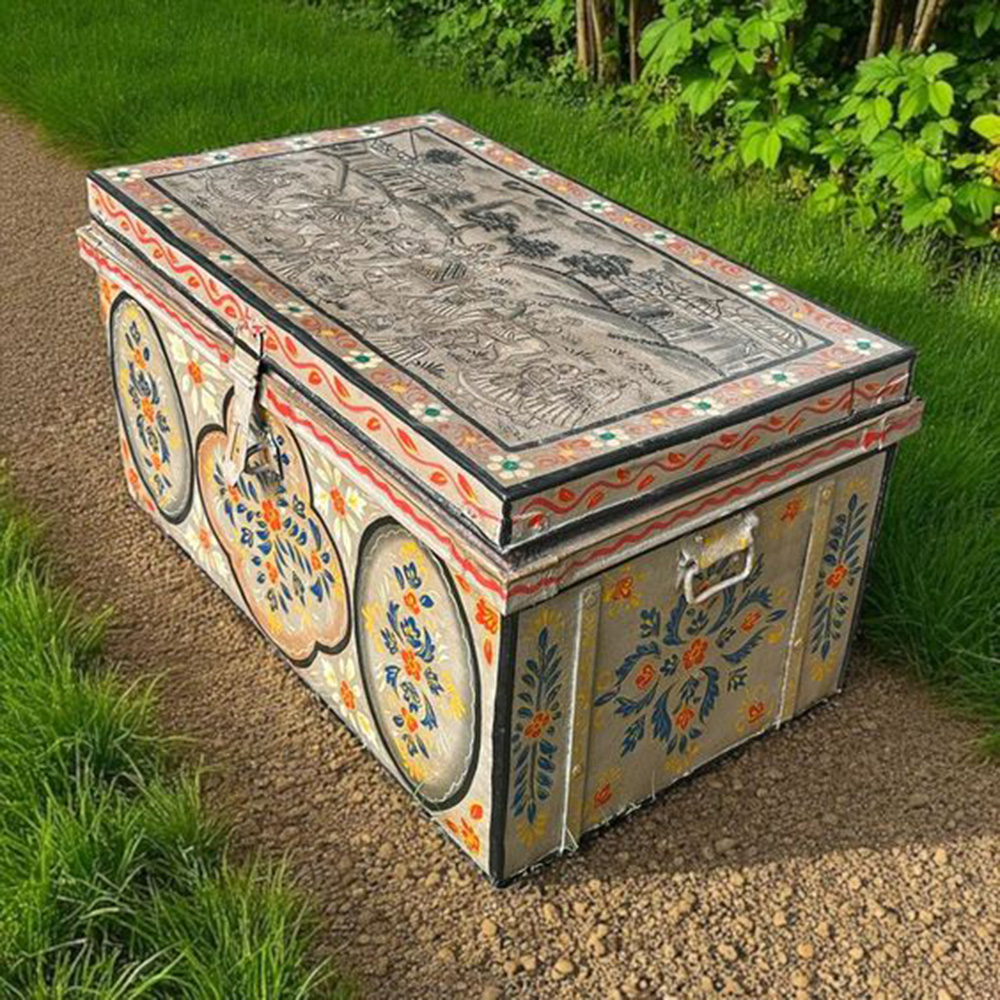
Set it on four squat wooden legs or simple hairpin legs, both are inexpensive at any hardware store and attach with basic screws, and the trunk becomes a coffee table with substantial storage inside for extra blankets, board games, or seasonal cushion covers. The exterior can remain as is – scratches, stencilled initials and all or be repainted with metal primer and a topcoat in any colour that suits the room.
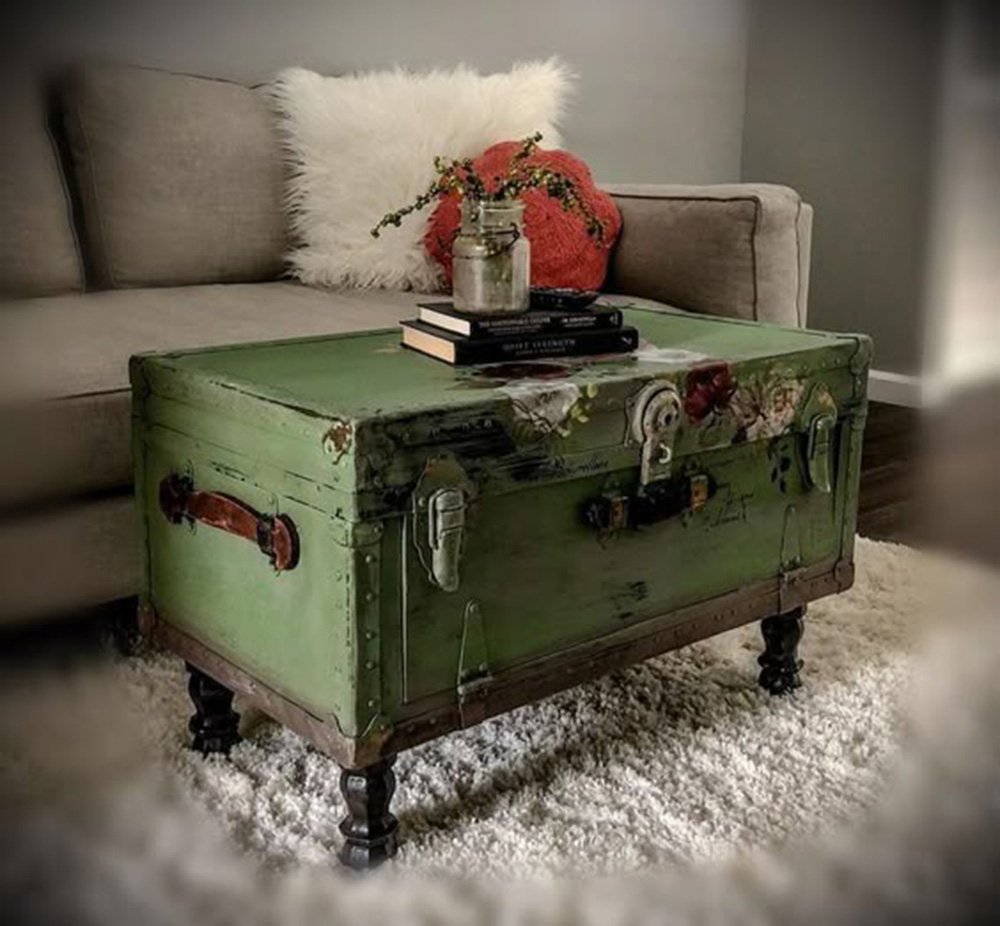
Old wooden trunks respond beautifully to decoupage on the exterior, fresh fabric lining on the interior, and new hardware. In a bedroom at the foot of the bed, this is the piece that guests always ask about first.
Styling Tip: Line the interior with cedar sheets or sachets. They protect stored textiles from moths and give the trunk a warm, woody scent every time it is opened.
Before You Begin: A Note On Doing It Well
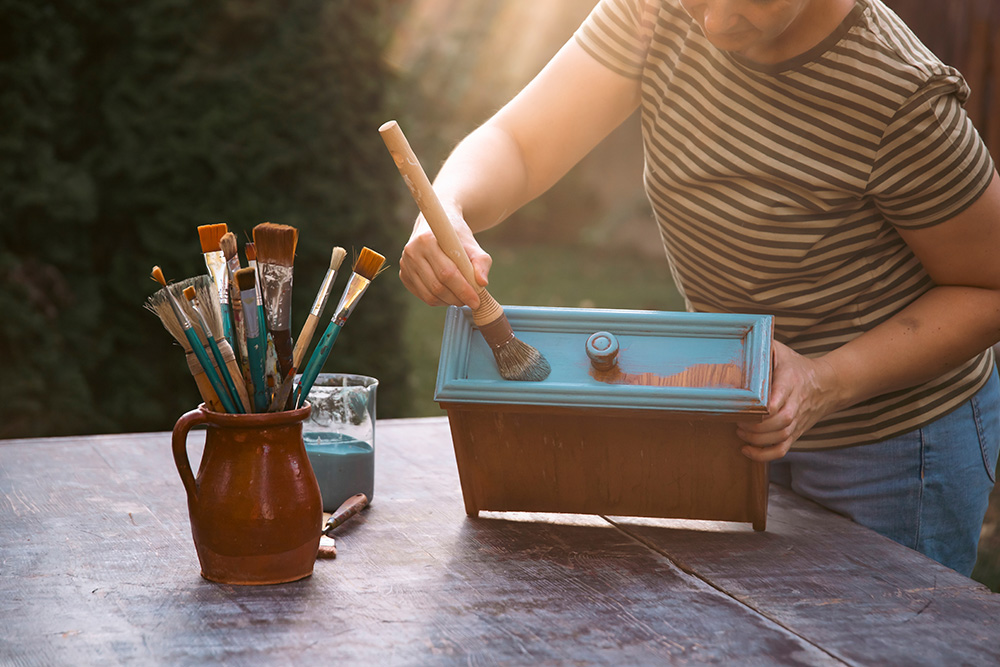
The single most common mistake in upcycling is rushing. A piece of furniture that has waited a decade in your garage can wait another week for the primer to cure properly, for the right hardware to arrive, for the room arrangement to be thought through before the piece is moved into it. Impatience produces exactly the kind of slightly-off results that give DIY a bad name.