Where Luxury Becomes Inheritance: The Rise of the Heirloom Home
Across India, heirloom artefacts, ancestral furnishings and treasured collections are transforming homes into living archives of memory, craftsmanship and generational wealth
Luxury homes have been measured by size, location and the price they command. Yet among affluent homeowners, a quieter shift is taking shape. The most desirable residences today are not necessarily those filled with the latest designer furniture or imported finishes but those integrated with history, memory and elements that have endured across generations.
Be it a century-old Nilambur teak cabinet, a collection of royal portraits, an heirloom silver service, a hand-carved Bengali alna (a traditional clothes stand) or a hand-carved doorway inherited from an ancestral home, each carries a value that extends far beyond its monetary worth. As trends around legacy, sustainability and generational wealth gain prominence, heirloom artefacts are becoming central to luxury interiors, transforming homes into living archives of family stories, craftsmanship and cultural heritage.
Also Read: Buy Less, Choose Better: The Heirloom Luxury Edit For Classy Homes
From royal palaces and Chettinad mansions to contemporary family estates, these homes demonstrate that true luxury is often found not in what is newly acquired, but in what is thoughtfully preserved. Luxury is no longer just about ownership but about creating an asset that survives its original owner and becomes part of a family’s legacy.
That legacy, however, is not defined by the structure alone. It is reflected in the objects that inhabit these spaces such as royal portraits, antique furniture, inherited art collections, handcrafted silverware and architectural details that have passed through generations. They transform residences into living repositories of memory, culture and craftsmanship. These five Indian homes reflect that true luxury does not only lie in the real estate itself but also in the heirloom collections and ancestral interiors preserved within.
Umaid Bhawan Palace, Jodhpur
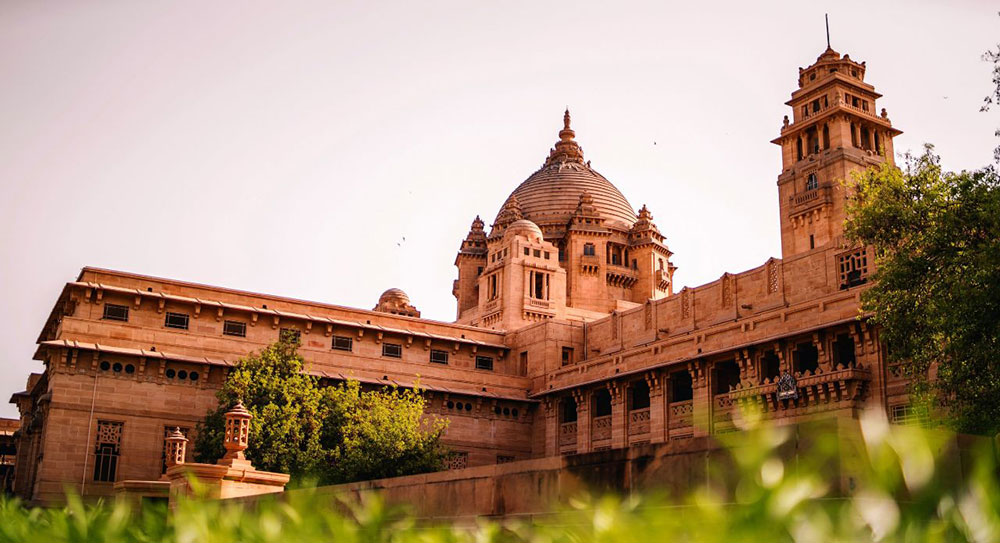
The Umaid Bhawan Palace houses art deco furniture, royal portraits, silver collections, chandeliers, family memorabilia, vintage clocks and palace archives. The palace remains partly occupied by the former royal family, making it one of India’s strongest examples of a home where interiors have been preserved across generations.
Chettinad Mansions, Tamil Nadu
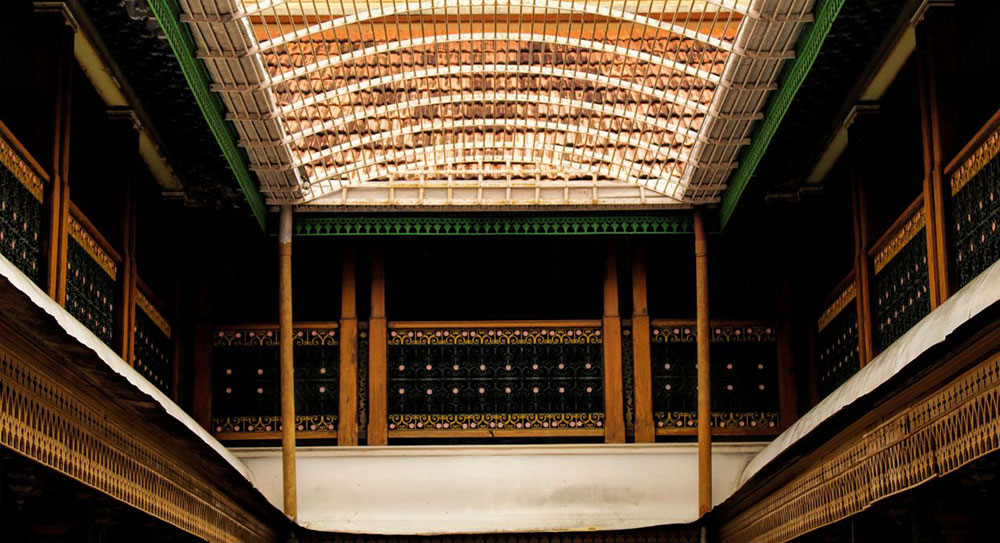
Chettinad Mansions feature Burmese teak furniture, Belgian mirrors, Italian marble, antique chandeliers, carved wooden doors, Athangudi tiles and inherited ceremonial objects. These mansions were built for multi-generational living and many original furnishings remain intact.
Lutyens’ Delhi Family Bungalows
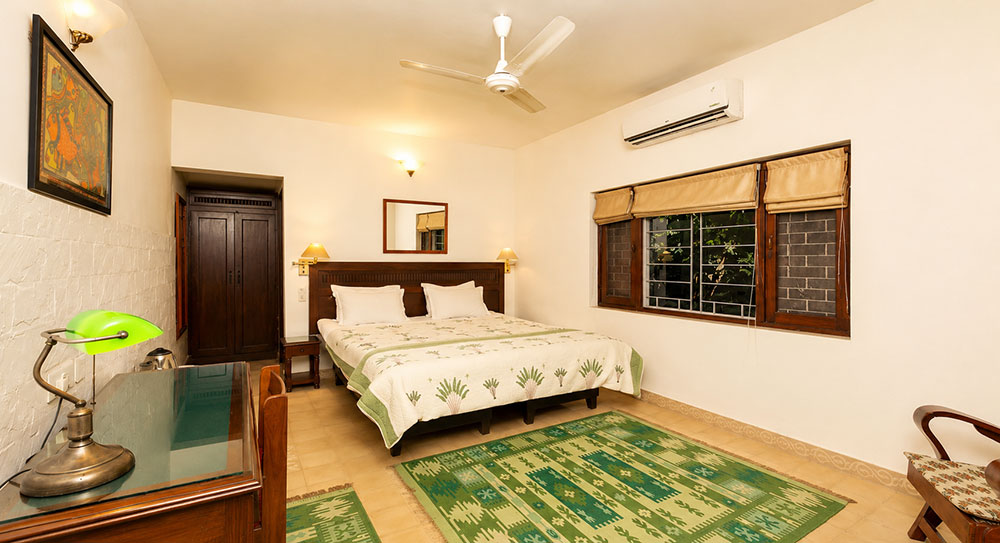
The family bungalows located in Lutyens’ Delhi reportedly have antique carpets, inherited furniture, family portraits, miniature paintings, sculptures, silverware and private art collections. Many of these homes have remained with the same families for decades, making them repositories of accumulated family history.
Jindal House, New Delhi
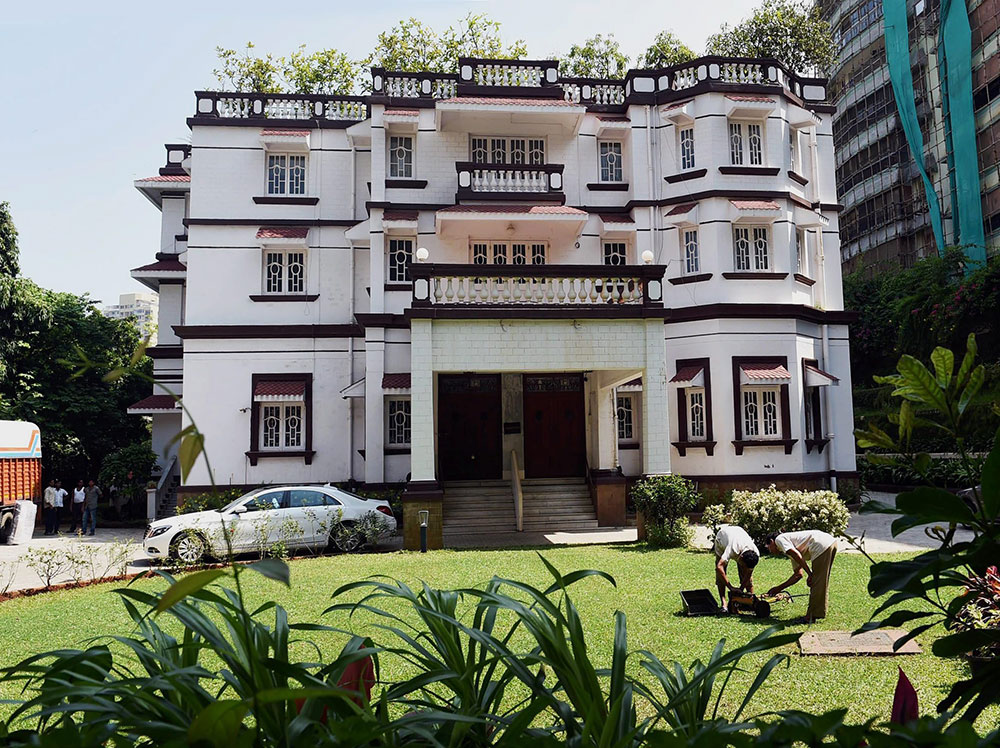
Jindal house houses curated Indian art, sculptures, classical furniture, colonial-inspired interiors, and family collections. The house is frequently described as blending heritage aesthetics with modern luxury rather than relying solely on contemporary design trends.
City Palace, Udaipur

City Palace houses royal portraits, antique furniture, crystal collections, ceremonial artefacts and centuries-old archives. While parts of the complex are open to visitors, sections remain associated with the Mewar royal family, preserving a legacy of craftsmanship, heritage and inherited luxury.
Also Read: Upcycling Home Decor Ideas: How To Create An Eclectic Space That Tells Your Story
We are living in an age where trends change rapidly and interiors are reinvented constantly. Heirloom pieces offer something increasingly rare, that is, permanence. As homeowners put more emphasis on authenticity and legacy, the homes that resonate most deeply may be those that tell stories, every room houses a memory and every inheritance becomes a part of a larger family narrative.