

The Swiss may have written many of horology’s most celebrated chapters, but just across the border, in the quiet Saxon town of Glashütte, another story has been unfolding for nearly two centuries. It is a story built not on marketing theatrics or flamboyant complications, but on relentless engineering, patient craftsmanship, and a determination to do things differently. While much of Swiss watchmaking pursued familiar conventions, Glashütte Original quietly developed an identity that was unmistakably German. The brand did not simply produce beautiful watches; it introduced entirely new ways of displaying time, regulating precision, and constructing movements that collectors now instantly recognise. From inventing one of the industry’s most practical calendar displays to redefining movement architecture itself, Glashütte Original has consistently proved that genuine innovation often arrives without fanfare. Outlook Luxe explores the groundbreaking inventions that transformed the manufacture into one of modern horology’s most influential pioneers.
The Panorama Date
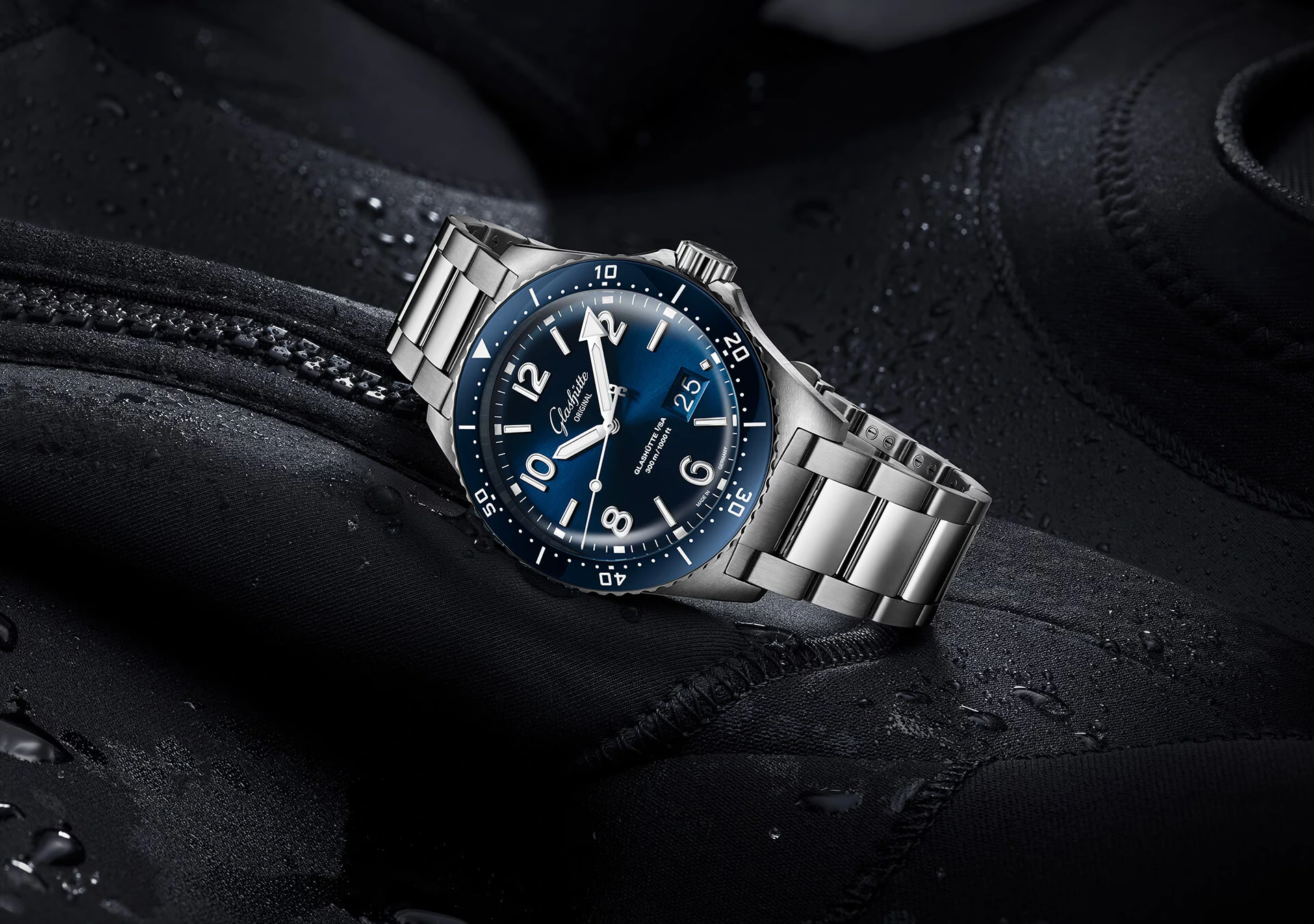
Few complications have become as closely associated with a brand as the Panorama Date has with Glashütte Original. Introduced in 1997, it replaced the conventional overlapping date discs with two concentric discs positioned on the same level. This eliminated the distracting central divider found on many large date displays, creating a perfectly aligned, highly legible aperture. Today, the Panorama Date has become one of the manufacture’s defining visual signatures and remains one of the most elegant interpretations of a large date complication in watchmaking.
Also Read: Luxury Crownless Watches: Top Picks For Every Collector
The Duplex Swan Neck Regulator
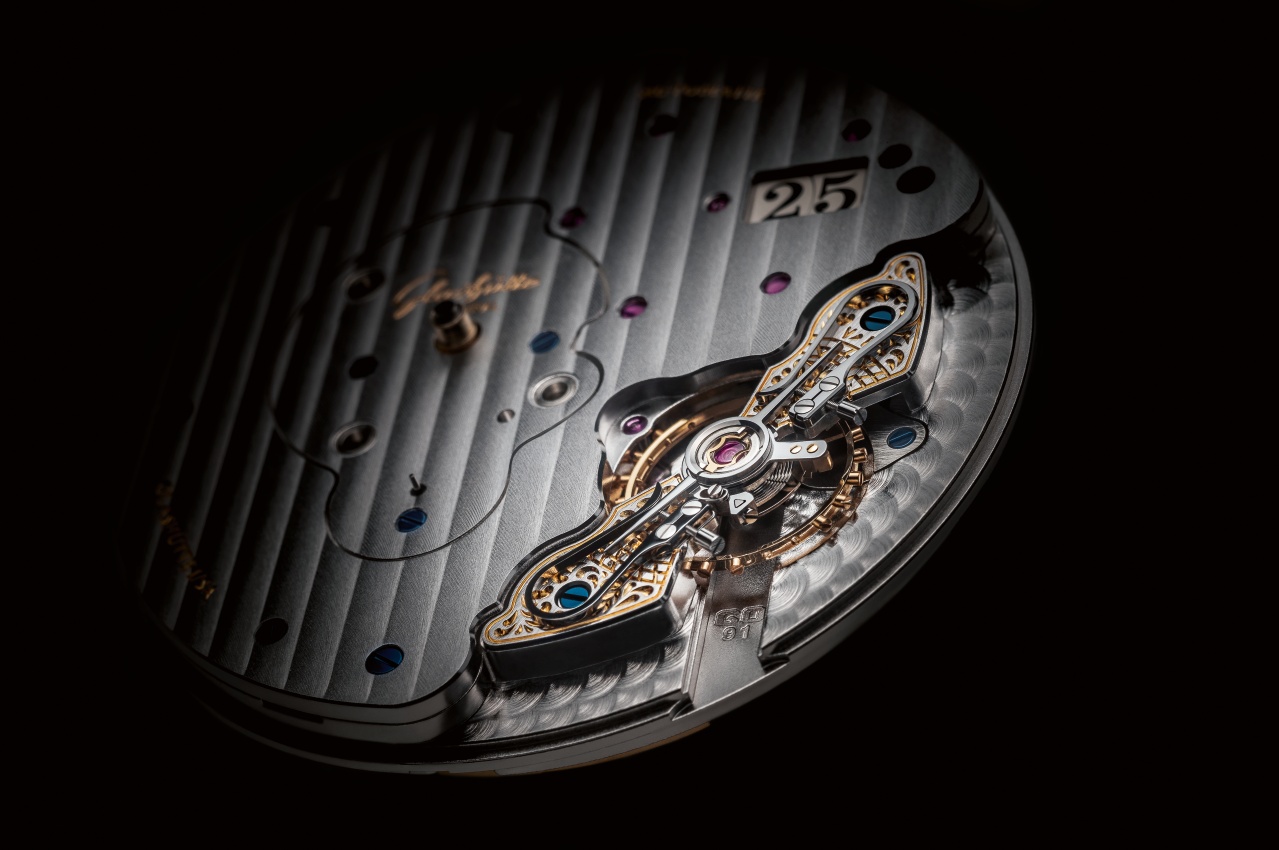
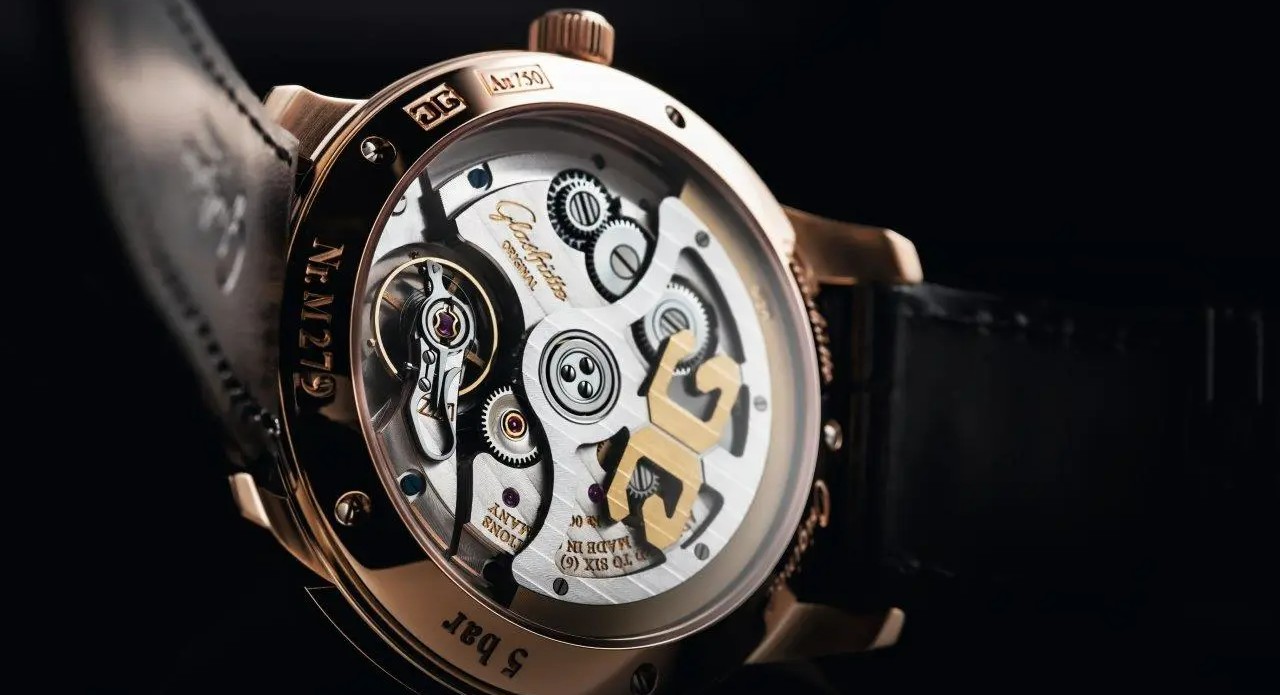
The traditional swan neck regulator has long been admired for its precision, but Glashütte Original refined the concept further by introducing the duplex swan neck fine adjustment regulator. Using two opposing spring loaded swan neck mechanisms instead of one, the system allows exceptionally precise adjustment of the balance while maintaining greater stability during regulation. Beyond its technical purpose, the beautifully symmetrical construction has become one of the most recognisable visual features visible through the sapphire casebacks of the manufacture’s movements.
Calibre 36
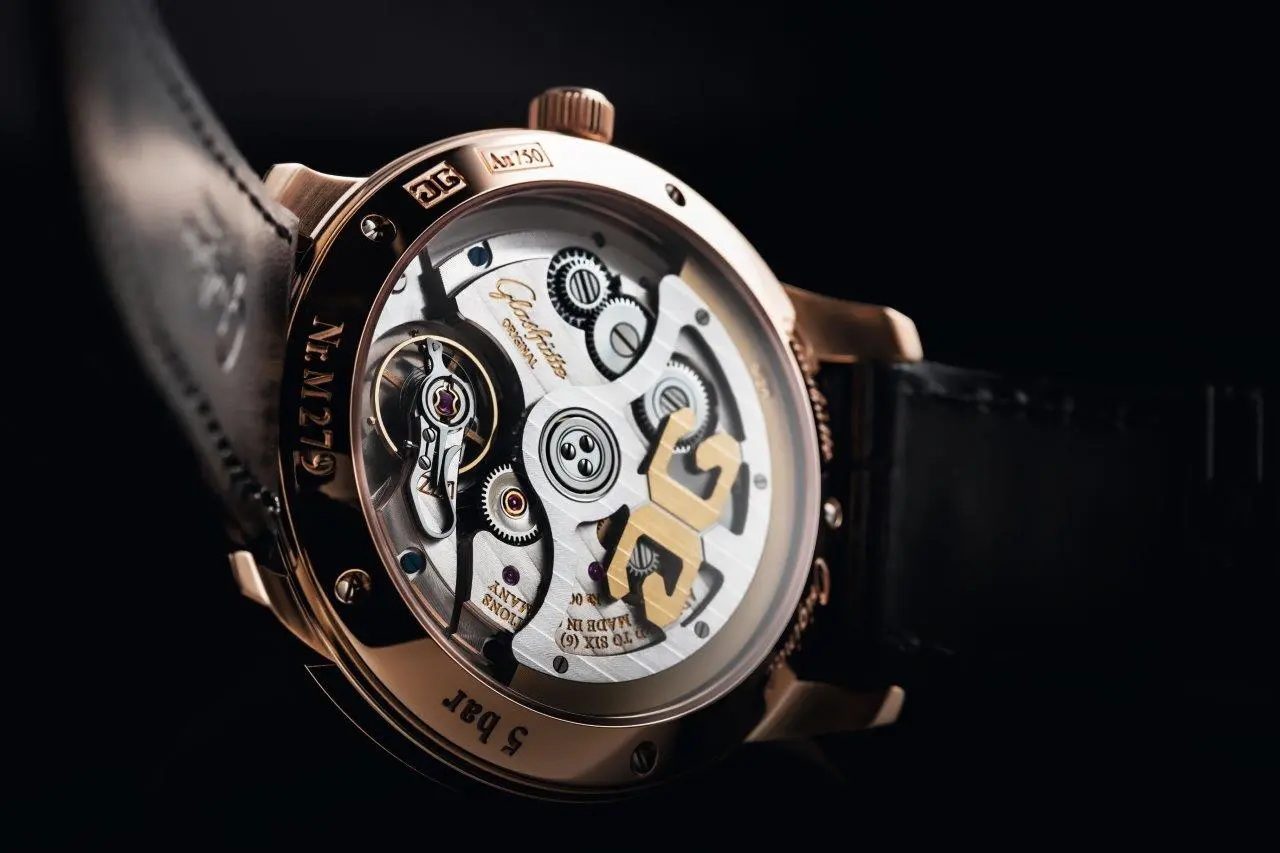
When Glashütte Original introduced Calibre 36, it was designed not as another movement but as an entirely new platform for the future. Developed completely in house, it combined a silicon balance spring, extended 100 hour power reserve, high resistance to magnetic fields, and chronometer certified precision into a single architecture. Rather than chasing increasingly complicated movements, the manufacture focused on improving reliability, long term accuracy, and everyday performance, creating one of the most technically complete modern automatic calibres in luxury watchmaking.
Also Read: Top 5 Retro Watches Bringing Classic Design Back In Style
The Patented Flyback Tourbillon
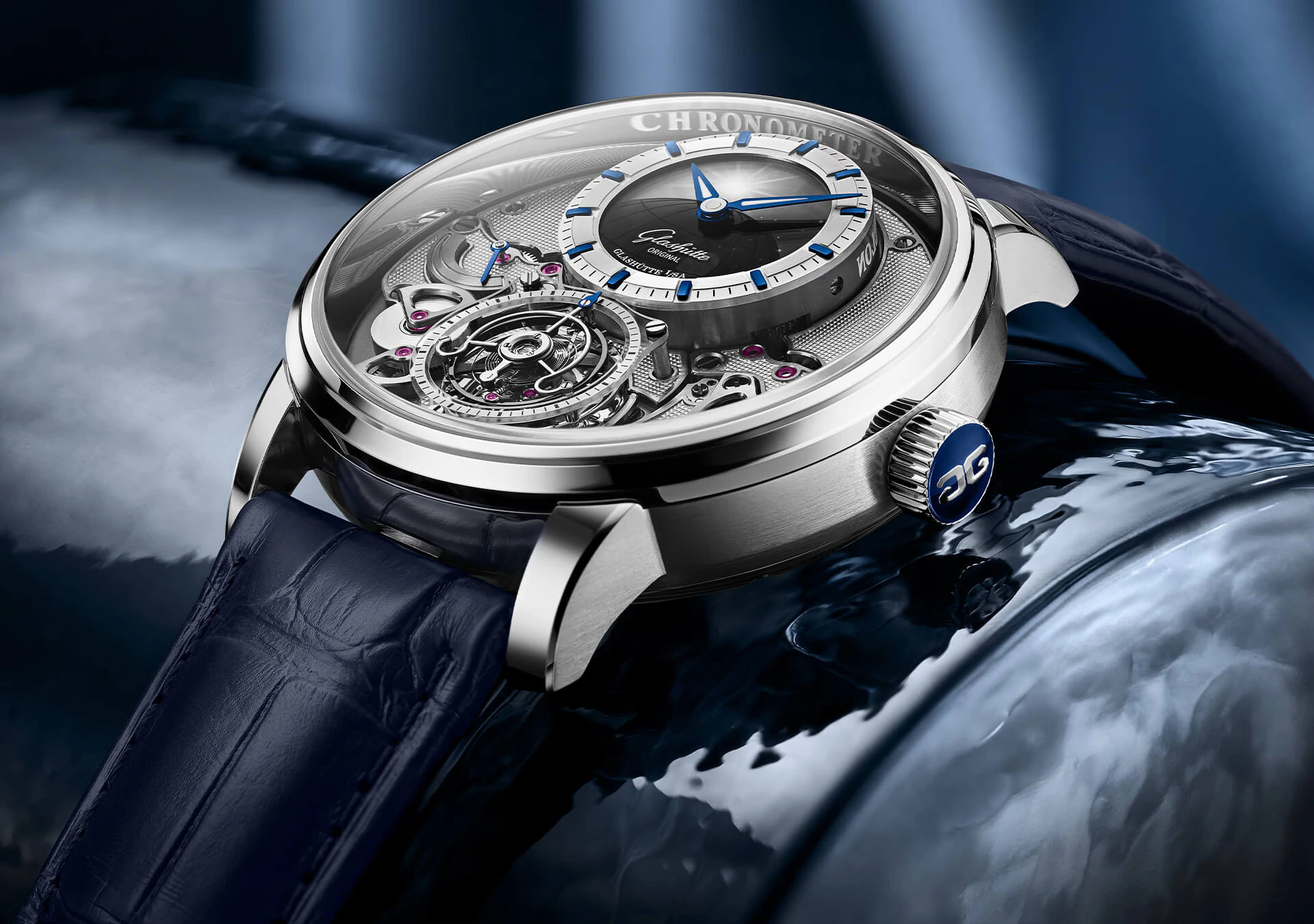
Tourbillons are already among the most technically demanding complications, but Glashütte Original added another layer of innovation through its patented Flyback Tourbillon. Created by master watchmaker Alfred Helwig’s successors, the mechanism allows the rotating tourbillon cage to be stopped, reset to zero, and restarted instantly using a single pusher. This enables highly accurate time setting without compromising the delicate regulating system, transforming what had traditionally been a purely decorative complication into one with genuine functional value.
PanoInverse
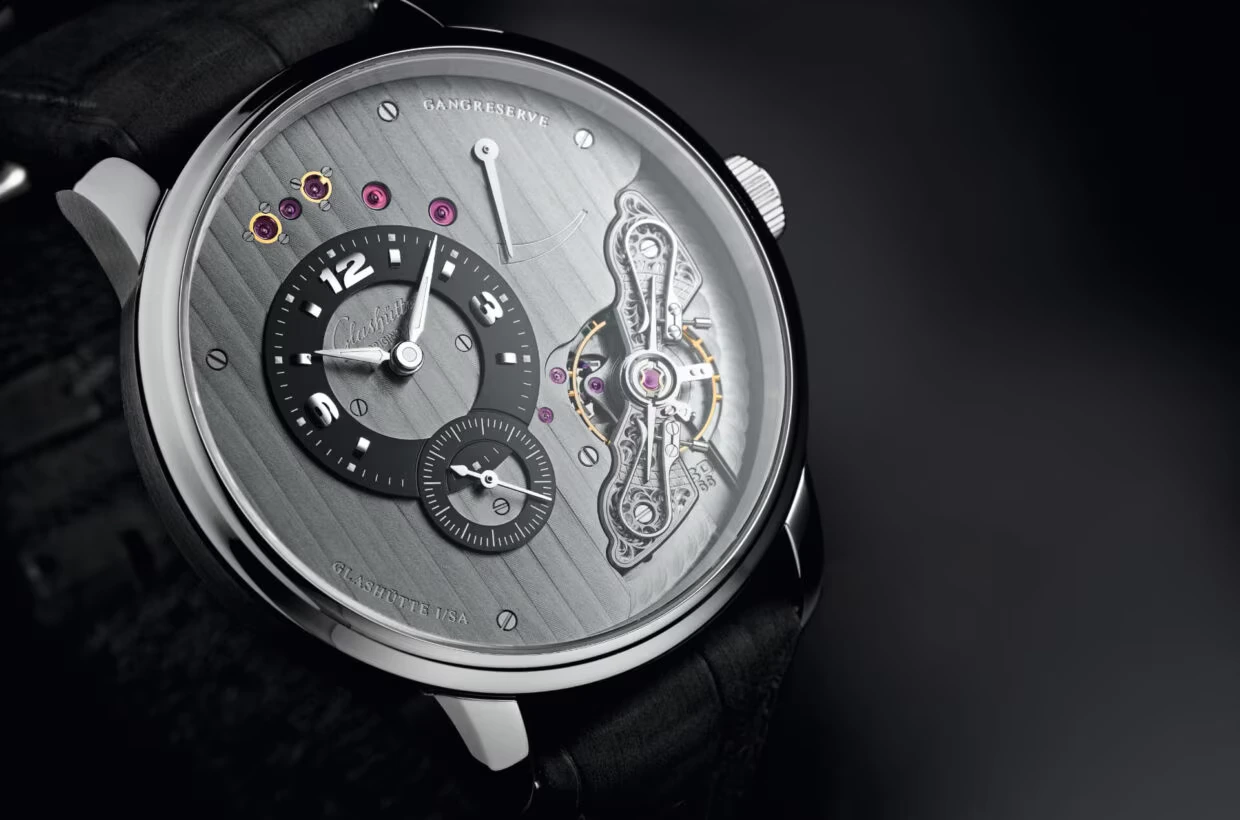
With the introduction of PanoInverse, Glashütte Original challenged one of watchmaking’s oldest conventions by bringing the movement itself to the front of the watch. Rather than hiding the intricate mechanics beneath the dial, the manufacture inverted the architecture to showcase hand engraved balance cocks, the duplex swan neck regulator, and traditional German finishing on the dial side. The result transformed the movement into the watch’s primary visual identity, allowing wearers to admire the very craftsmanship normally reserved for the caseback.