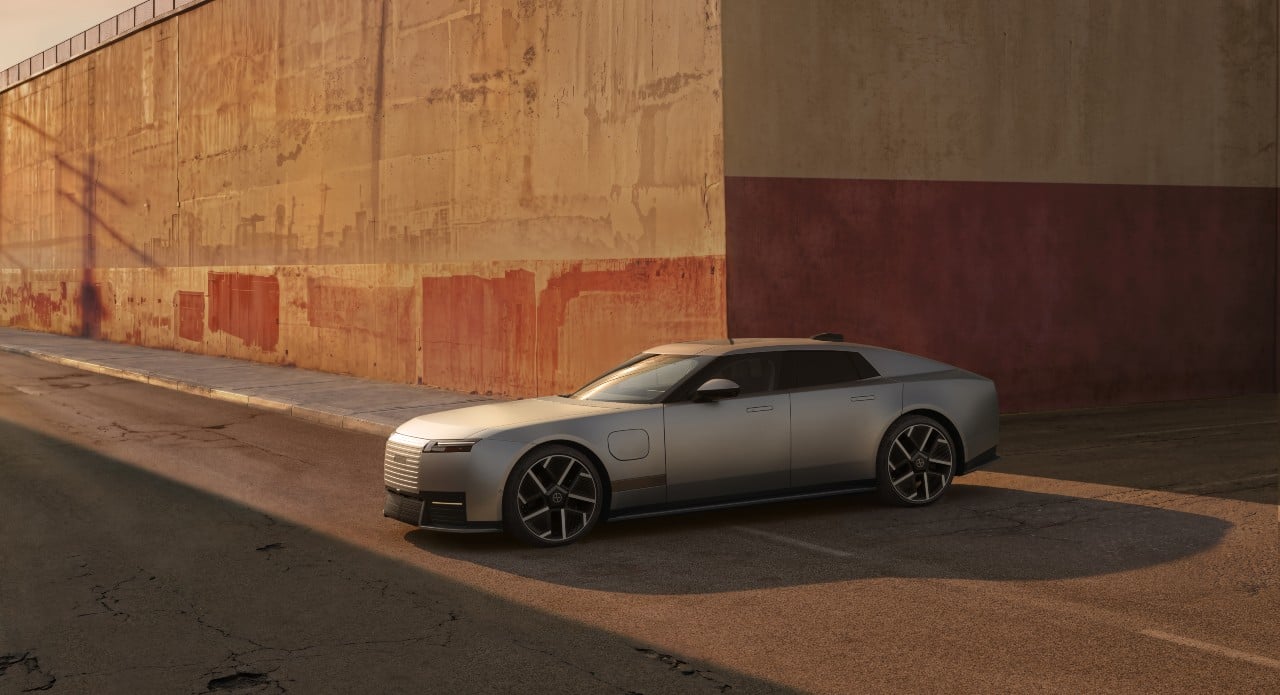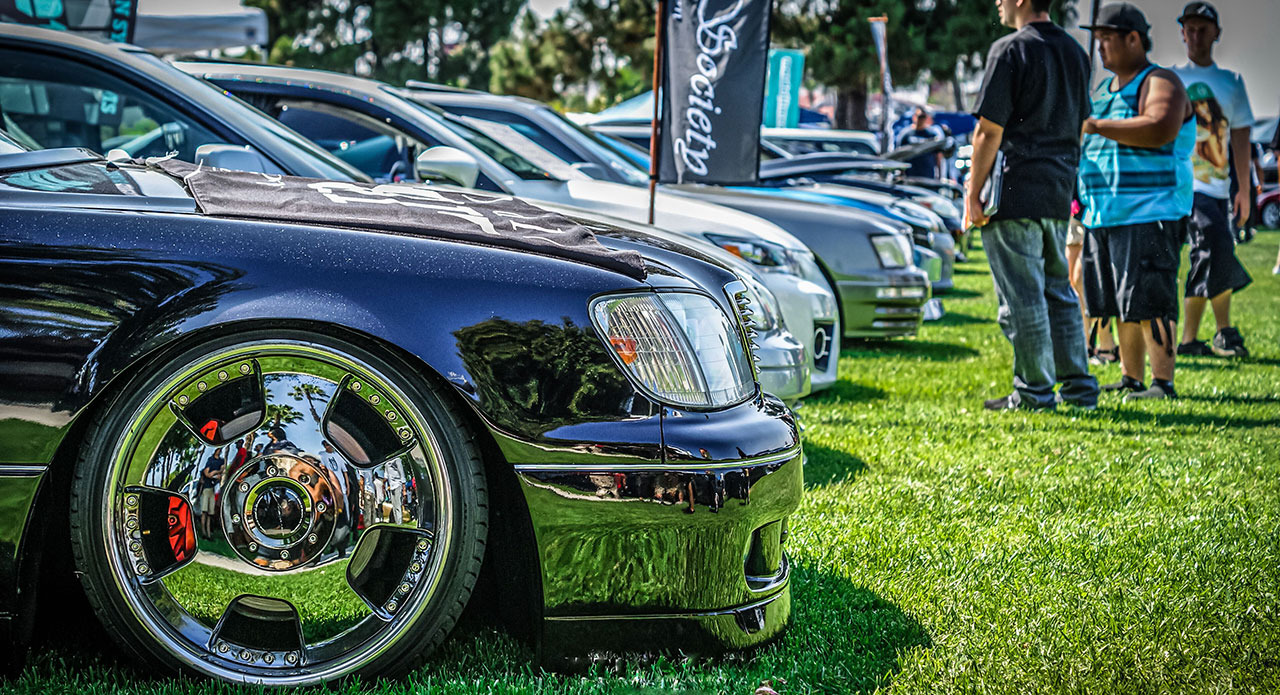


Walk into any luxury dealership today and you’ll notice a familiar trend. Wheels keep getting bigger. Twenty inch alloys have become commonplace, twenty two inch wheels dominate premium SUVs, and some performance cars now leave the factory riding on rims that would have seemed outrageous just a decade ago. They undoubtedly look spectacular, filling wheel arches with confidence and giving even a stationary car an unmistakable sense of purpose. It is easy to assume that larger wheels automatically translate into better performance, sharper handling and superior driving dynamics. In reality, automotive engineering is rarely that simple. Every increase in wheel diameter alters a delicate balance of weight, grip, suspension behaviour, comfort and efficiency. While larger wheels can improve steering response and visual appeal, they also introduce compromises that many drivers never consider until they encounter rough roads, rising tyre replacement costs or reduced fuel economy. Like every engineering decision in a modern automobile, wheel size is about achieving balance rather than chasing the biggest possible number. Outlook Luxe explores why bigger wheels do not always deliver better performance, and why manufacturers spend years determining the ideal size for every vehicle they build.
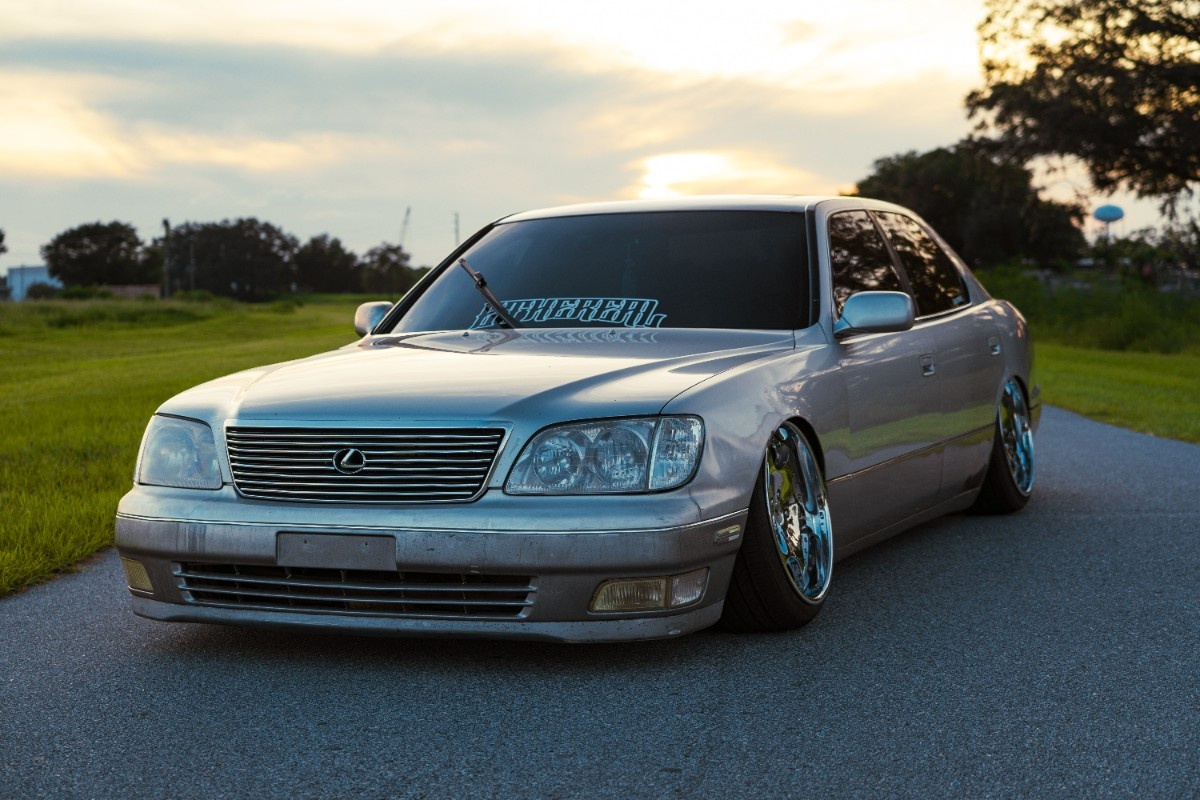
Bigger wheels increase rotating and unsprung mass
One of the biggest compromises comes from weight. Larger wheels generally weigh more than smaller ones, increasing both rotating mass and unsprung weight. Because the wheels must constantly accelerate, decelerate and respond to changes in road surface, even a small increase in weight can affect how the car performs. The engine requires more energy to spin heavier wheels, while the suspension has a more difficult task controlling them over uneven surfaces.
Also Read: Aston Martin Dreadnought: Everything You Need To Know About The Call of Duty MW4 Collaboration
Lower profile tyres sharpen steering but reduce comfort
As wheel diameter grows, tyre sidewalls become shorter to maintain the vehicle’s overall rolling diameter. These low profile tyres flex less during cornering, producing quicker steering response and a more direct feel through the wheel. However, they also provide significantly less cushioning, meaning more road imperfections are transmitted directly into the cabin. The result is a firmer ride that can become uncomfortable on broken or uneven roads.
Larger wheels are more vulnerable on poor roads
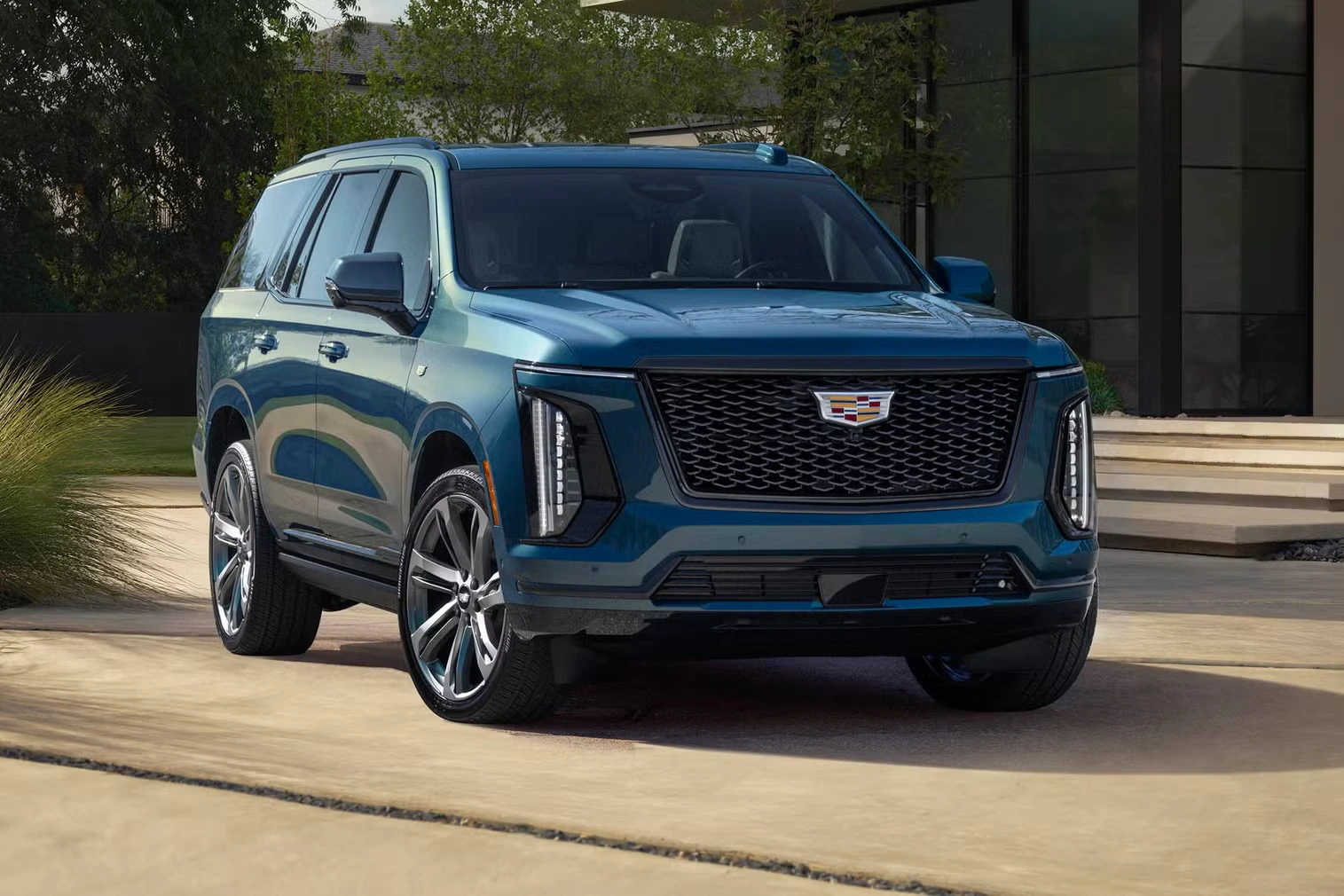
Thinner tyre sidewalls leave less rubber available to absorb impacts from potholes, expansion joints and rough surfaces. This increases the likelihood of wheel damage, bent rims and tyre sidewall failures, particularly on roads where surface quality is inconsistent. Owners may also face substantially higher replacement costs, as larger tyres and premium alloy wheels are considerably more expensive than smaller alternatives.
Bigger does not always mean faster
Contrary to popular belief, fitting larger wheels does not automatically improve acceleration. Heavier wheels require more torque to rotate, meaning the vehicle must work harder every time it pulls away from a standstill. While the difference may be minimal in high powered sports cars, smaller or lower powered vehicles can experience noticeably slower acceleration and reduced responsiveness after oversized wheel upgrades.
Also Read: Why Prototype Cars Wear Camouflage Before They’re Revealed
Efficiency often takes a hit
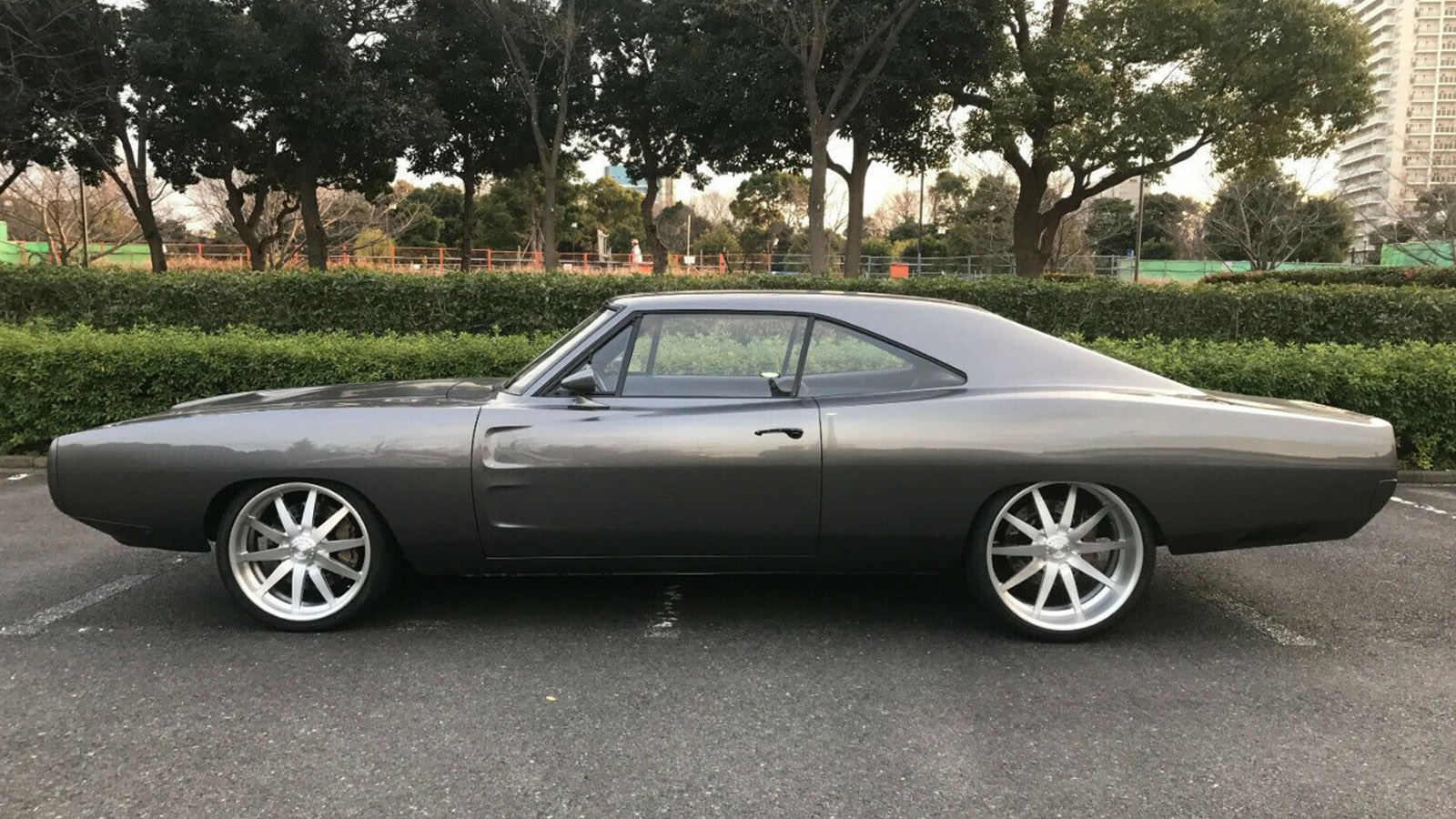
Larger wheels are frequently paired with wider tyres that generate greater rolling resistance. Combined with increased rotational weight, this requires more energy to keep the vehicle moving. Petrol and diesel cars may experience reduced fuel economy, while electric vehicles often suffer a noticeable reduction in driving range, making wheel size an increasingly important consideration in the EV era.
Grip depends on far more than wheel diameter
Many drivers associate bigger wheels with improved handling, yet grip is determined primarily by tyre compound, suspension tuning, alignment and chassis setup rather than wheel size alone. A carefully engineered 18 inch setup with premium tyres can often outperform a poorly matched 20 inch upgrade. Manufacturers spend years fine tuning every aspect of a vehicle’s dynamics, ensuring the chosen wheel size complements the suspension rather than compromises it.
The best wheel is the one engineers intended
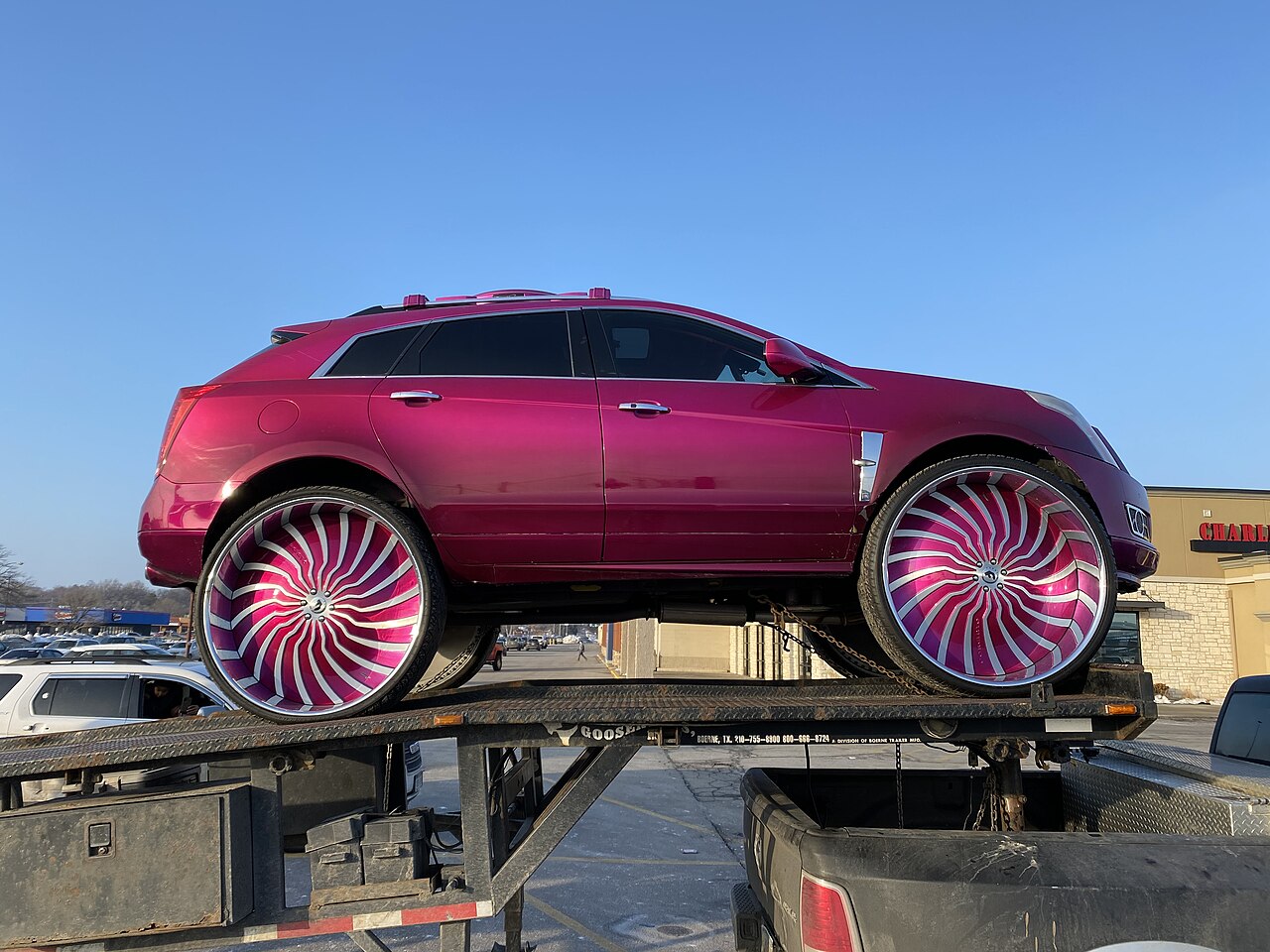
Wheel size is ultimately an exercise in compromise. Engineers carefully balance aesthetics, performance, ride quality, durability and efficiency to create a package suited to the vehicle’s intended purpose. While larger wheels undoubtedly enhance visual appeal and can improve steering precision, they are not a universal performance upgrade. In many cases, the wheel size chosen by the manufacturer represents the most carefully engineered solution, proving that in automotive design, bigger is not always better.