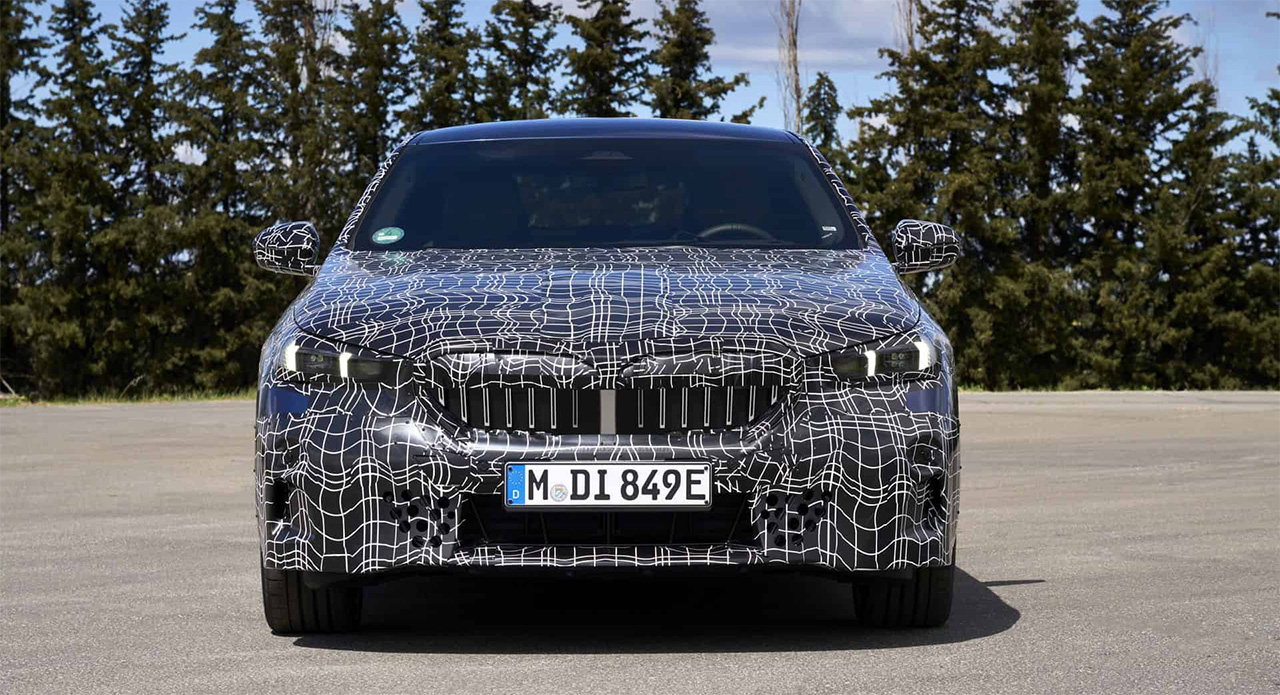


There’s a peculiar thrill in spotting a mysterious car rumbling along a motorway, plastered in what looks like a zebra that’s wandered into a modern art gallery. Your first instinct is usually, “Good grief, what on earth is that?” And that’s precisely the point. Carmakers don’t spend billions developing the next great sports car, SUV or electric marvel only to let Barry with a telephoto lens spoil the surprise six months early. Those chaotic black and white swirls, jagged geometric patterns and oddly shaped body panels aren’t the automotive equivalent of questionable fashion choices. They’re weapons. Clever, calculated and surprisingly scientific weapons designed to fool your eyes, confuse cameras and protect one of the industry’s most valuable assets, secrecy. Because long before a new Ferrari, Porsche or Bentley dazzles under the bright lights of a motor show, it has already spent years hiding in plain sight, pretending to be something it isn’t.
It’s Designed To Fool Your Eyes
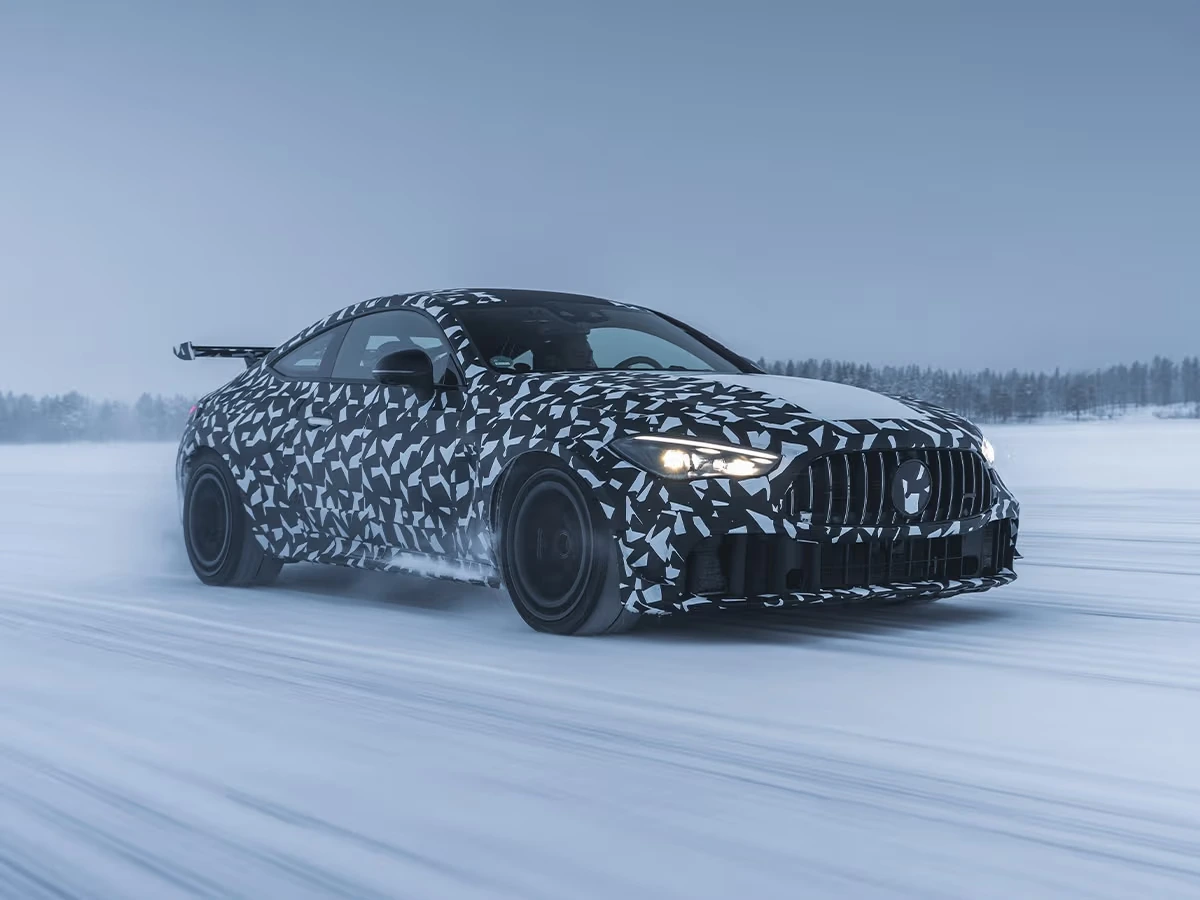
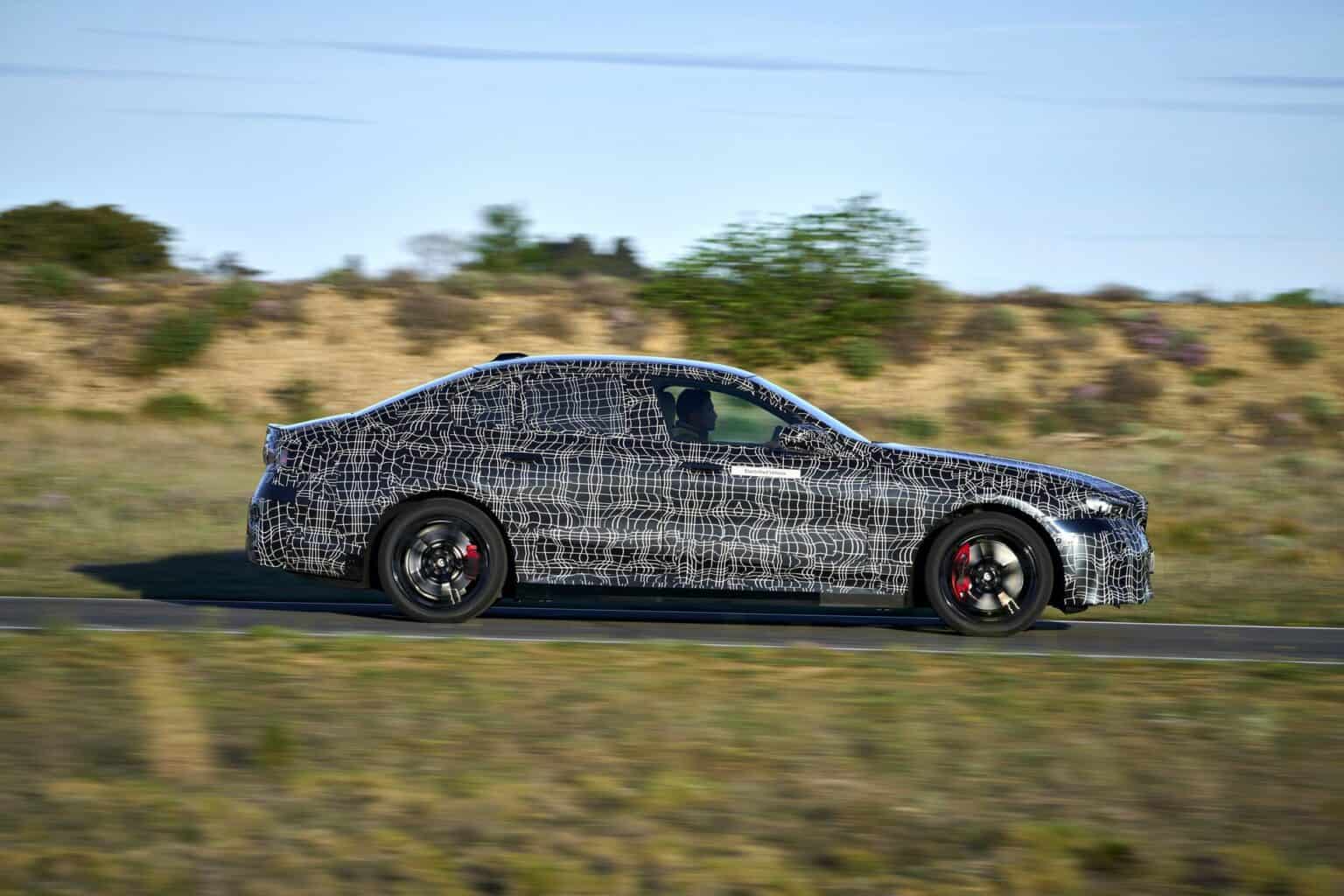
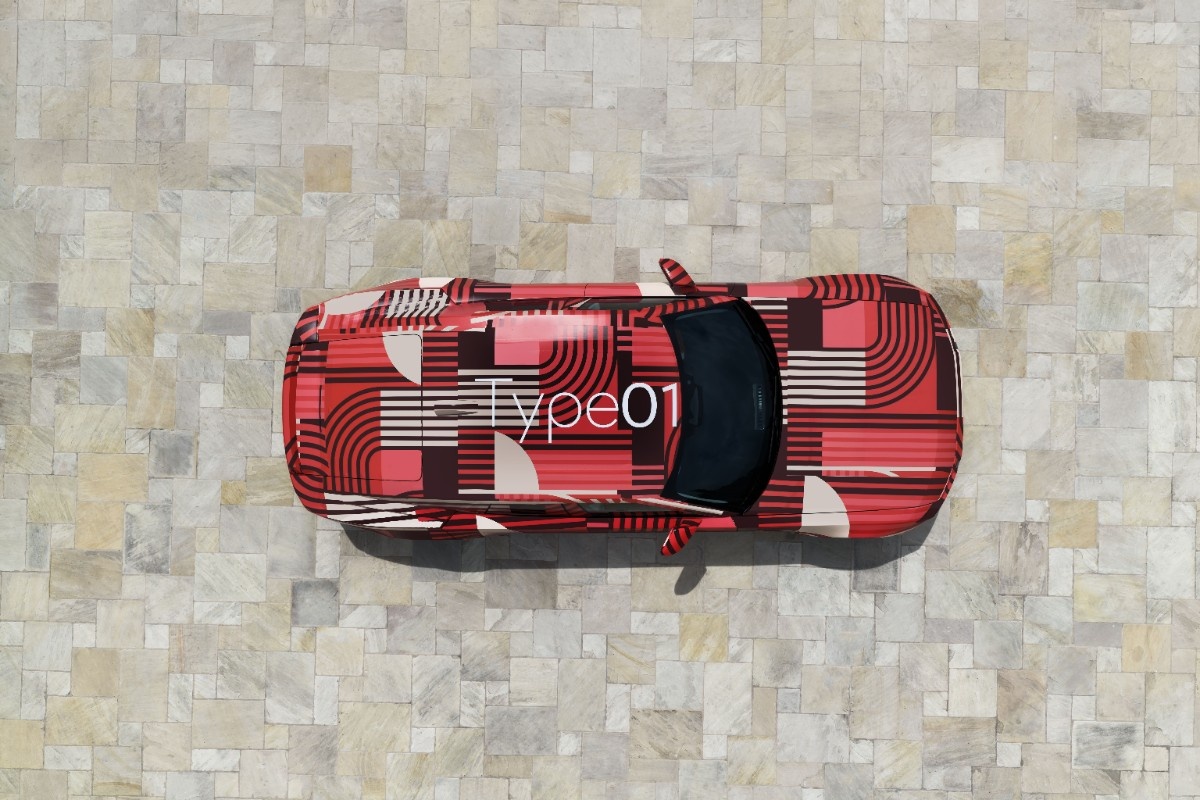
Prototype camouflage isn’t random artwork. Every line, swirl and contrasting shape is deliberately engineered to disrupt the human eye. Our brains naturally identify curves, edges and proportions. The high-contrast graphics break up those visual cues, making it remarkably difficult to distinguish where one body panel ends and another begins. Character lines disappear, wheel arches seem distorted, and the overall silhouette becomes surprisingly difficult to interpret even when viewed from only a few metres away.
Also Read: Top 5 Most Extreme Car Engines Ever Built
Keeping Spy Photographers Guessing
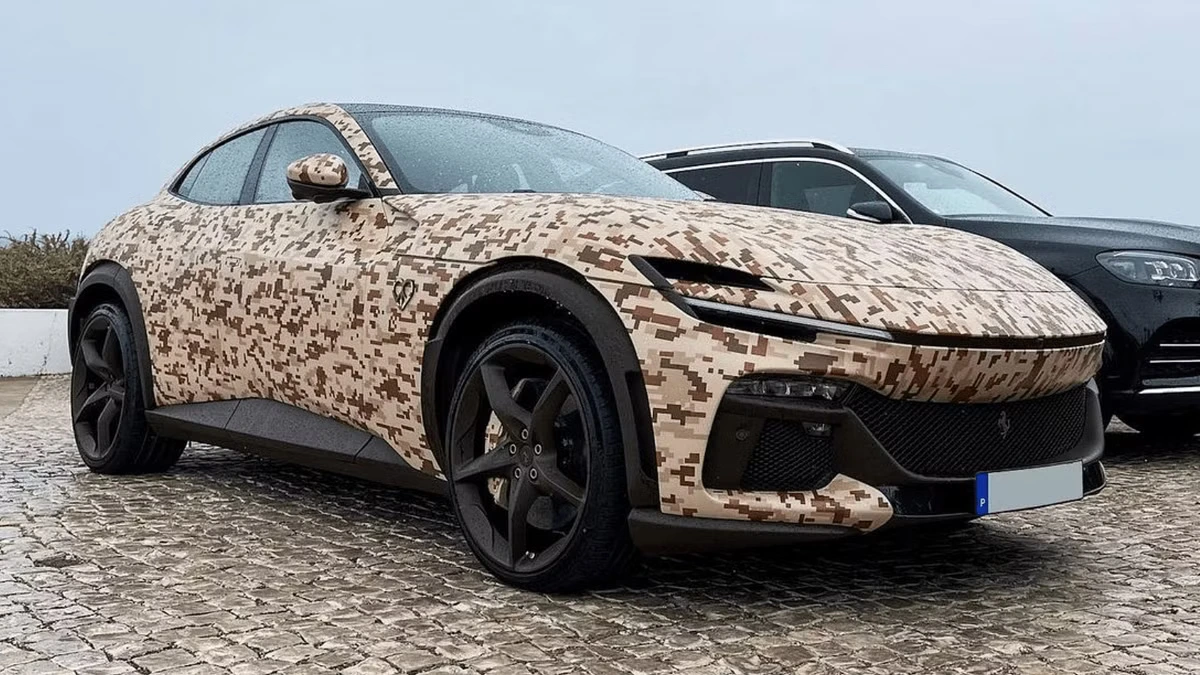
Modern prototype testing rarely happens behind closed gates. Manufacturers drive development cars on public roads because that’s where real-world conditions exist. Unfortunately for them, armies of automotive photographers spend entire days hunting these cars. One clear image can spread across the internet within minutes, revealing months of carefully guarded development. Camouflage ensures that even when prototypes are photographed from every conceivable angle, the finer details remain hidden until the manufacturer decides it’s time for the official unveiling.
The Fake Parts Are Just As Important
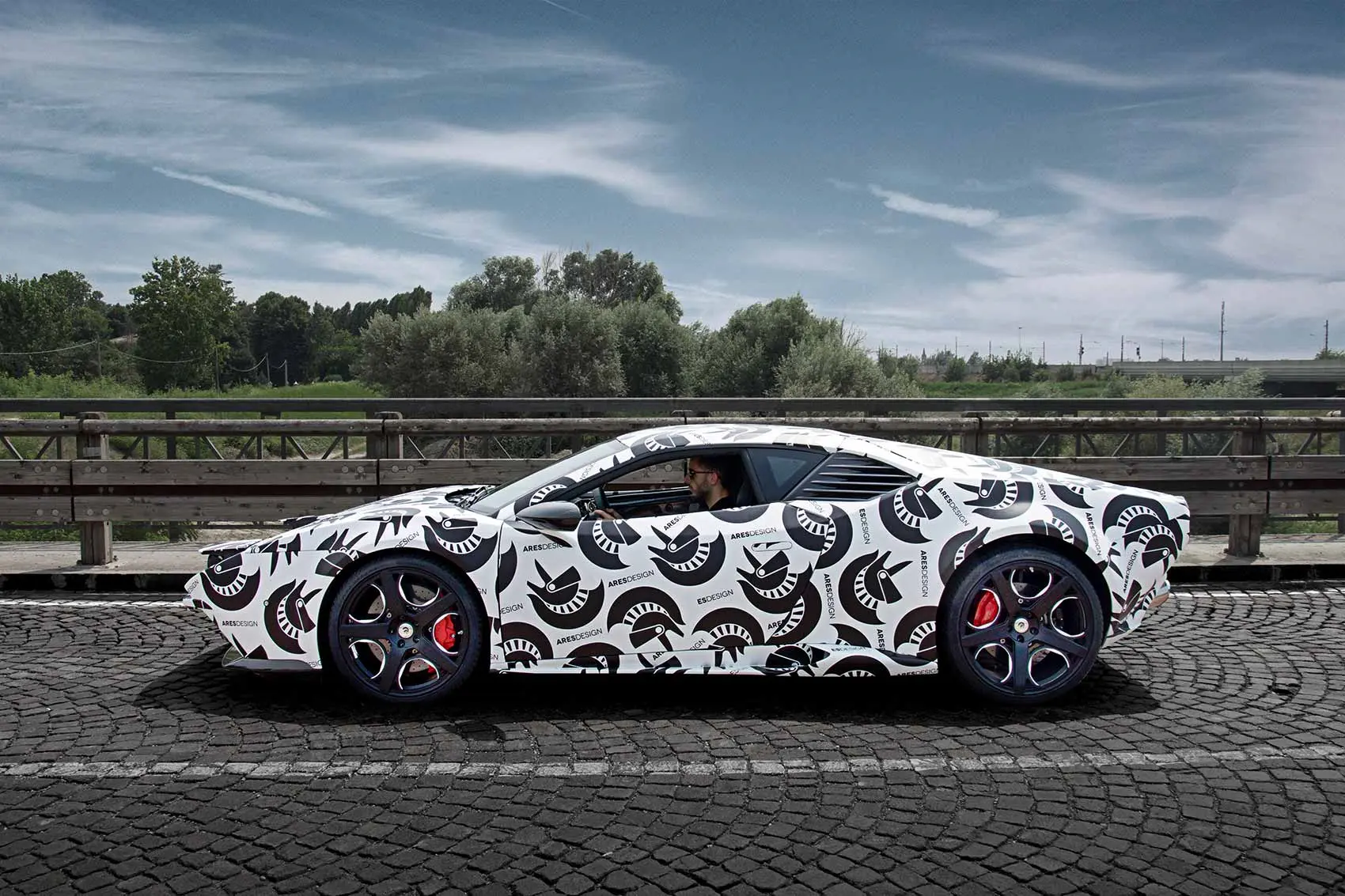
Camouflage extends well beyond the vinyl wrap. Manufacturers frequently install temporary headlights, oversized bumpers, fake grilles, additional plastic cladding and even entirely false body panels. Some prototypes deliberately wear components that will never appear on the finished car, simply to send enthusiasts and competitors chasing the wrong conclusions. What you’re often looking at isn’t just a disguised vehicle. It’s a carefully constructed illusion.
Testing Happens Across The Planet
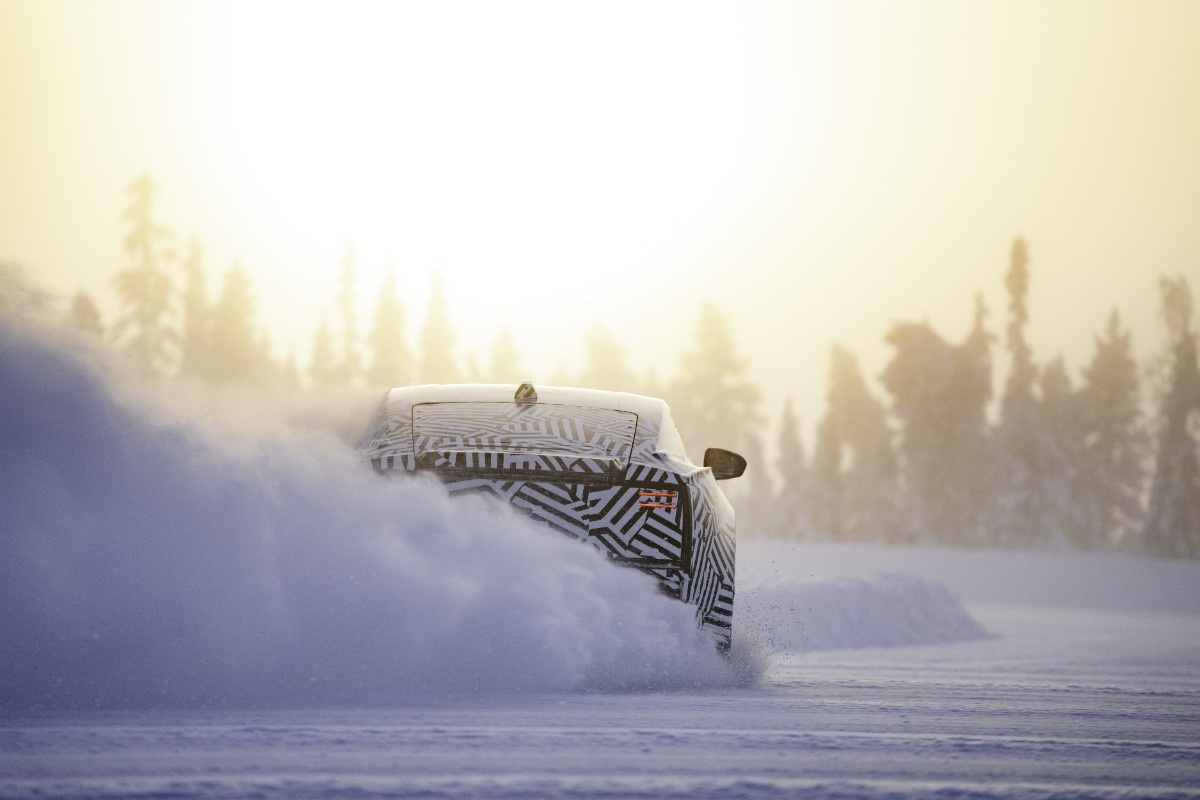
Developing a modern car means exposing it to almost every environment imaginable. Prototype vehicles spend months enduring scorching deserts, frozen Arctic lakes, alpine mountain passes, congested city traffic, high-speed motorways and rough gravel tracks. Engineers collect enormous amounts of data in every climate while camouflage allows these tests to happen in public without prematurely revealing the final design.
Protecting Billions In Development
Creating an all-new vehicle isn’t something that happens over a long weekend. Most new models require between three and five years of design, engineering, safety validation and testing before they ever reach production. During that time, manufacturers invest staggering sums into research, tooling and development. An early design leak doesn’t simply spoil the launch event. It gives competitors valuable insight into styling trends, aerodynamic thinking and future product strategies while reducing the excitement surrounding the official reveal. One of the biggest misconceptions is assuming every camouflaged prototype is already production-ready. In reality, these cars evolve continuously throughout testing. Engineers modify cooling ducts, reshape bumpers, alter suspension settings, refine aerodynamics and replace body panels as new data arrives. A prototype photographed in January may look noticeably different by June, and the showroom version could differ again by launch day.
Camouflage Doesn’t Hide The Car, It Hides The Story
Here’s the clever bit. Carmakers aren’t trying to make the vehicle invisible because that’s impossible. Instead, they’re making it difficult to understand. The camouflage doesn’t stop you seeing the car. It stops you seeing the design. It disguises proportion, masks innovation and keeps everyone guessing until the sheet finally comes off under carefully choreographed lights. Those strange zebra stripes, then, aren’t automotive fashion statements. They’re the industry’s oldest magic trick, convincing you that you’re looking directly at the future while revealing almost nothing at all.