Why Ultra-Luxury Homes Are Becoming Private Art Museums
Across the world, collectors are transforming private residences into immersive cultural spaces where architecture, interiors and artworks come together to create a new language of personal expression
There was a time when the value of a great residence was judged by its size, location or architectural grandeur. Today, the definition of an extraordinary home has evolved into something far more personal. The world’s most remarkable residences are no longer simply spaces designed for comfort and privacy; they are becoming private galleries where art, architecture and personal history exist together. For a new generation of collectors, a painting is no longer just something hanging on a wall and a sculpture is not merely an object placed in a room. These pieces are becoming the emotional foundation of a home, shaping how spaces are designed, experienced and remembered. The modern luxury residence has become a carefully curated environment where every corridor, staircase and room can tell a story.
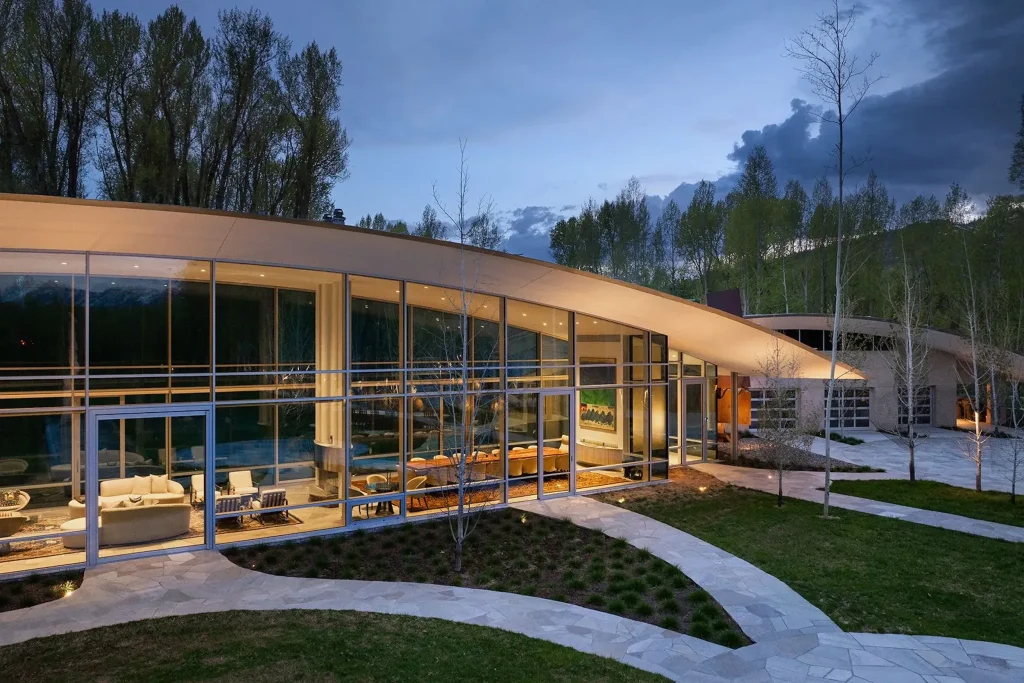
The Collector’s Home: Where Art Becomes A Reflection Of Identity
The rise of personal gallery residences represents a deeper change in how luxury is understood. For collectors, acquiring art is no longer simply about ownership or investment. It is about creating a connection with creativity, history and culture. A carefully placed artwork can transform the atmosphere of an entire residence, changing the mood of a room and creating a sense of discovery. A sculpture positioned in a garden can become part of the landscape, while a rare painting can influence the colours, materials and lighting choices throughout the home. Unlike traditional museums where visitors observe artworks from a distance, private art residences create a more intimate relationship. The collector does not visit the gallery because the gallery exists around them every day.
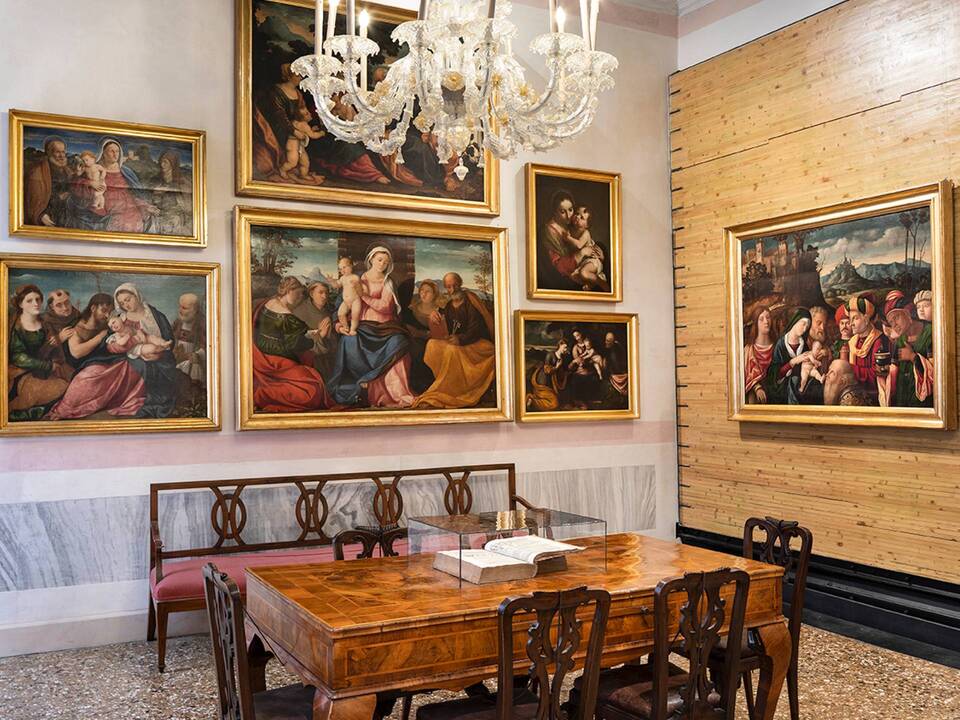
Architecture Designed Around Art
Modern architects are increasingly creating residences with art as the starting point rather than an afterthought. Walls are designed with specific artworks in mind, lighting systems are engineered to highlight textures and details, and open spaces are created to allow large installations to exist naturally within the environment. Double height ceilings, private courtyards and expansive glass surfaces are becoming common features in collector homes because they allow artworks to breathe. Materials such as marble, wood, stone and metal are selected not only for their beauty but also for the way they interact with the collection. In these homes, architecture does not compete with art. It becomes the frame that allows every piece to command attention.

The Rise Of The Private Museum Residence
Across the world, some of the most influential collectors have transformed their homes into private museums that exist away from public attention. These residences often feature dedicated exhibition spaces, controlled environments for valuable works and private rooms designed for intimate viewing experiences. However, unlike commercial galleries, these spaces are deeply personal. Every artwork carries a memory, whether connected to a journey, a relationship, a cultural movement or a defining moment in the collector’s life. The collection becomes more than a display of wealth. It becomes a visual autobiography, with every painting, sculpture and object representing a chapter in the owner’s story.
Also Read: A Look At The Business Titans Living In Lutyens’ Delhi After Subhash Chandra’s INR 1,260 Crore Deal
India’s Growing Culture Of Art Driven Luxury Homes
India’s luxury real estate landscape is also witnessing this transformation as collectors increasingly look beyond conventional ideas of grandeur. From Mumbai’s sea facing residences to Delhi’s heritage properties and Goa’s contemporary villas, homeowners are incorporating art into the very identity of their spaces. The modern Indian luxury buyer is becoming more interested in individuality, craftsmanship and cultural depth rather than simply choosing the most expensive finishes. A home is now valued not only by how impressive it appears but by the stories it carries. Art has become a way of bringing personality into spaces that might otherwise feel purely architectural.
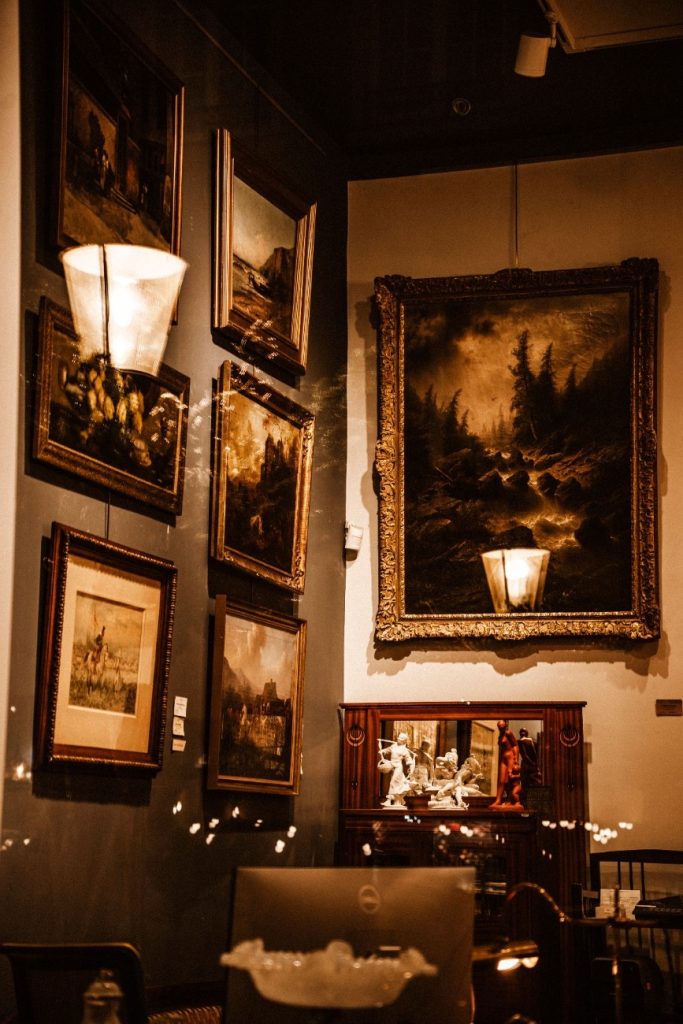
When The Collection Shapes The Residence
The most successful art inspired homes are not designed with artworks added at the end. Instead, the entire residence develops around the collection itself. A rare painting may influence the colour palette of a room, a sculpture may determine the layout of a garden and an installation may inspire the architecture of an entire space. This creates homes that feel alive because every element has a relationship with another. The artwork, furniture, materials and architecture work together as one composition. The result is a residence that feels less like a decorated property and more like a carefully created world.
The Future Of Luxury Living
As luxury moves away from obvious displays of wealth, personal collections are becoming the new expression of individuality. A private gallery residence is not simply about showcasing what someone owns. It is about revealing what someone values. The most desirable homes of the future may not necessarily be the ones filled with the rarest materials or the largest spaces, but the ones that tell the most meaningful stories. Because true luxury is no longer just about having a beautiful home. It is about creating an environment that reflects imagination, culture and a lifetime of personal discoveries.