London Fashion Week Wraps With a Confident Comeback Season
London Fashion Week 2026 closed with a renewed sense of momentum, bringing Alexander McQueen back to London, introducing Christopher Kane at Mulberry and spotlighting a new generation of British fashion designers. Across the runway, heritage codes met contemporary silhouettes, offering a varied picture of where London designer fashion is headed next
London Fashion Week Spring/Summer 2027 came to an end on September 21 after five days that brought British fashion’s heritage names, established London designers and a new generation of talent into sharper focus. The season arrived with a fuller schedule and a sense of renewed momentum, led by the return of Alexander McQueen to London and Christopher Kane’s debut at Mulberry.
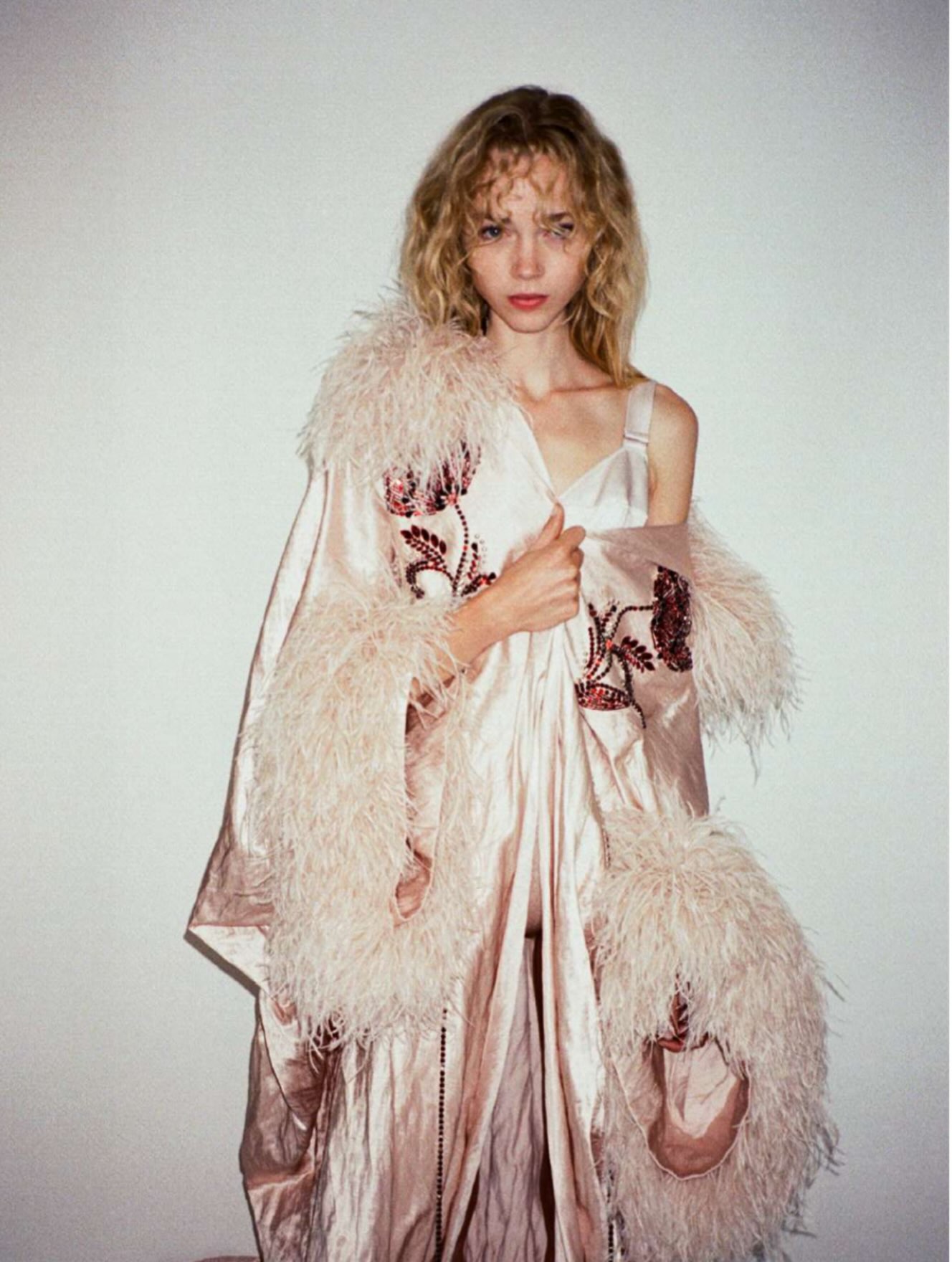
The British Fashion Council’s September programme featured 47 catwalk shows, 23 presentations, 10 digital activations and 53 evening events. Alongside established houses such as Burberry, Erdem, Simone Rocha, Roksanda and Richard Quinn, the week made room for NEWGEN designers and first-time participants, including Francesca Lake, Gui Rosa and Petra Fagerström. Indian label Lovebirds also joined the official schedule for the first time.
Heritage Names Return to London
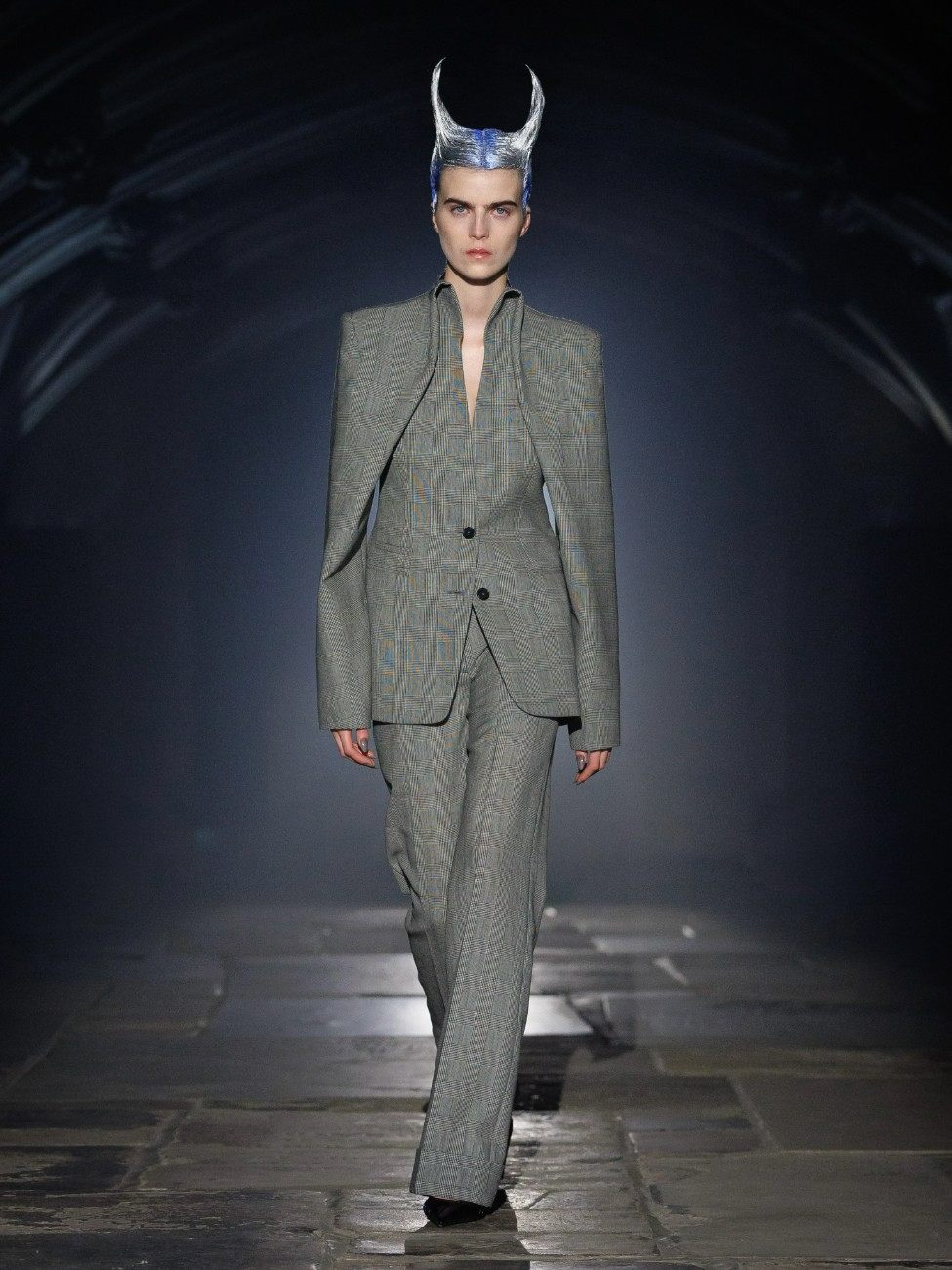
The strongest signal of the London Fashion Week comeback came from houses reconnecting with the city. Alexander McQueen returned to the official London schedule under Seán McGirr, presenting a collection that brought together rave culture, neoclassical references and Savile Row tailoring. The show, staged at Lincoln’s Inn Chapel, marked McQueen’s London homecoming after seasons showing in Paris.
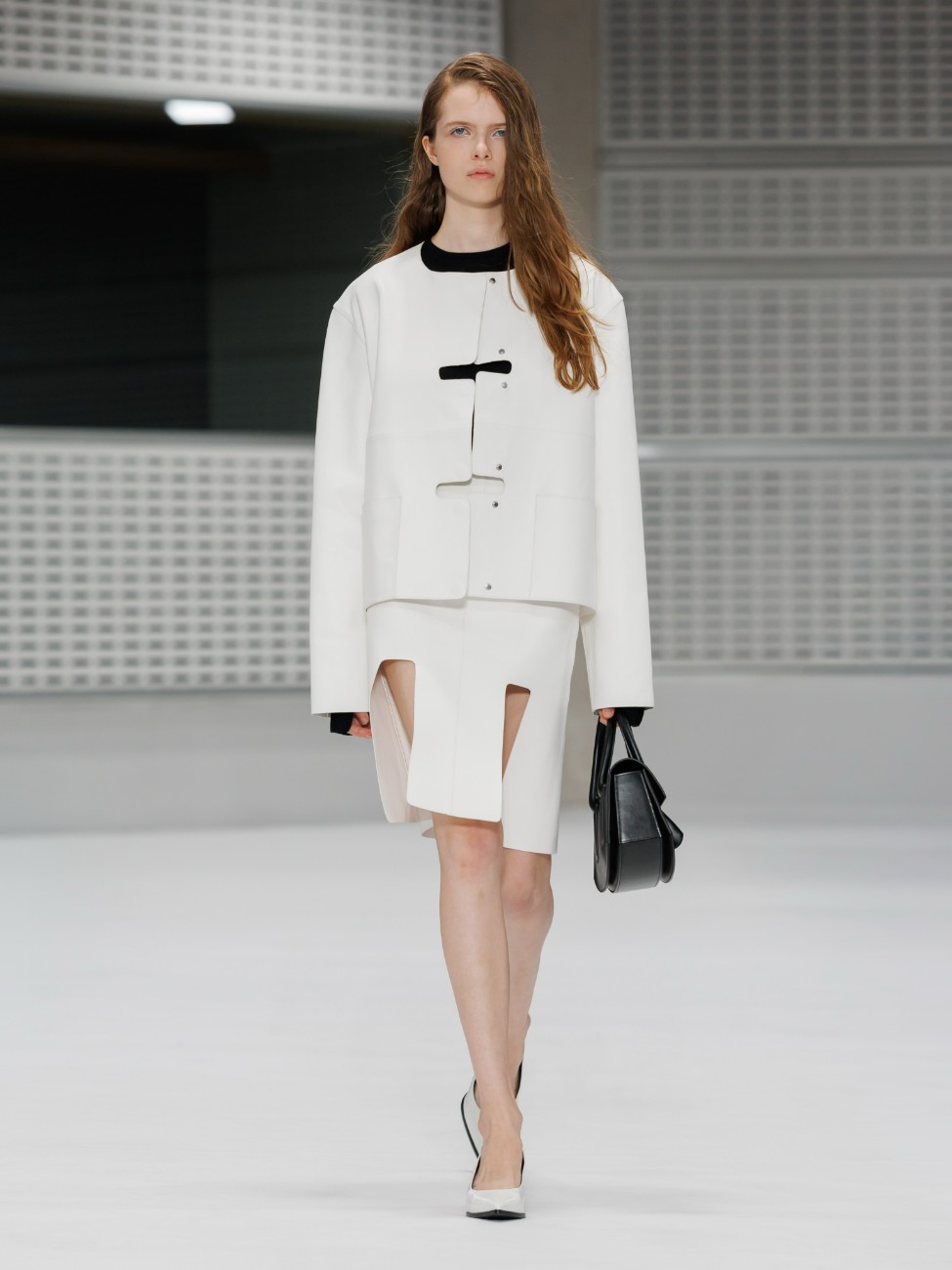
Christopher Kane marked his Mulberry debut with a Spring/Summer 2027 collection that reworked the British house’s leather heritage through a sharper, contemporary lens. His Spring/Summer 2027 debut revisited Mulberry’s leather legacy through sharply constructed ready-to-wear, geometric references to the Bayswater bag and new interpretations of its accessories. The presentation also marked Mulberry’s return to the London runway after nearly a decade.
New Fashion Vocabulary
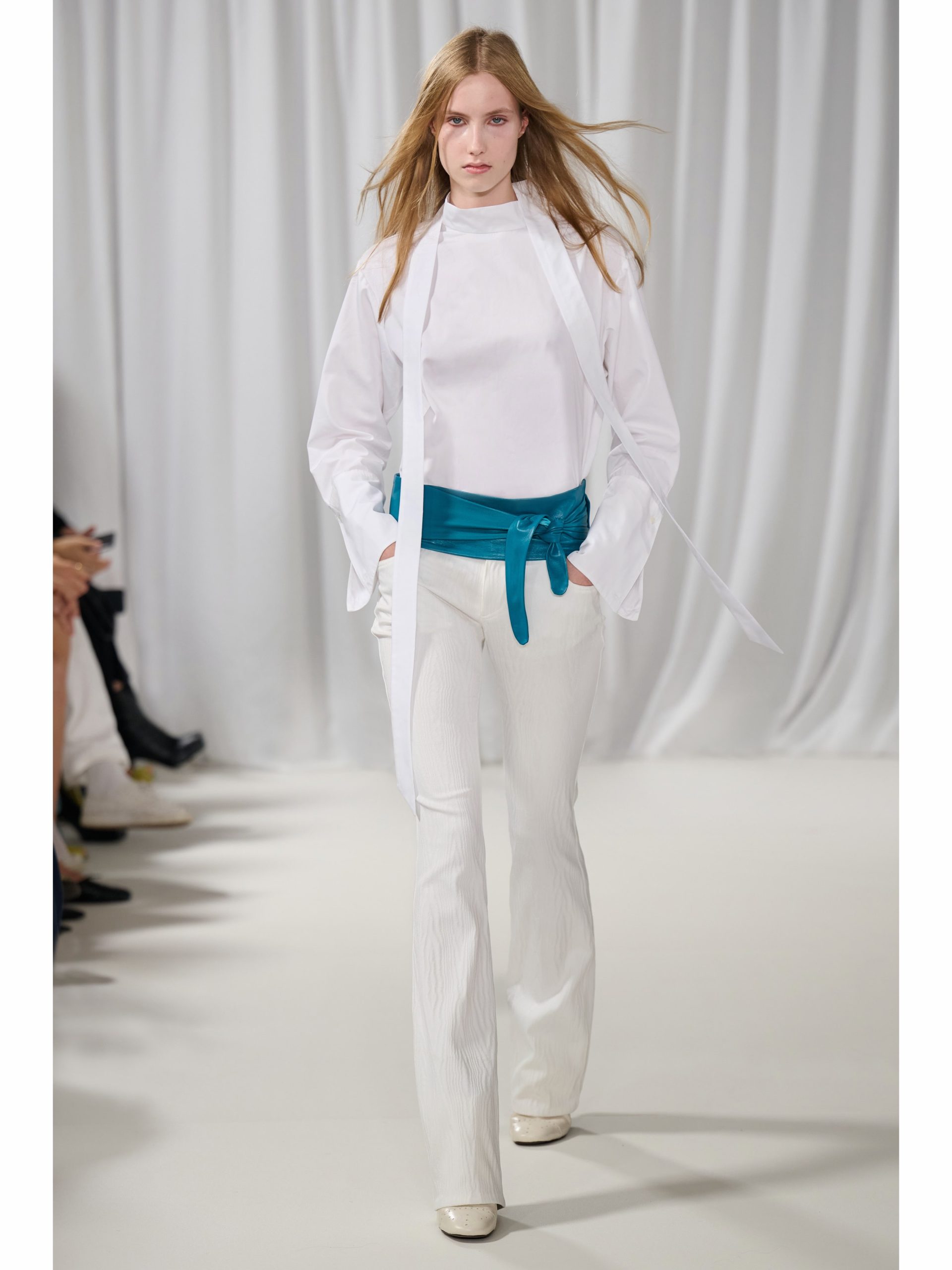
Across the week, London fashion trends leaned towards a more polished interpretation of the city’s famously experimental spirit. Emerging designers presented collections that retained London’s appetite for eccentricity while becoming more considered and commercially minded. Talia Byre, Oscar Ouyang and Aaron Esh explored slimmer silhouettes and flamboyant details, while Petra Fagerström distorted conservative mid-century shapes with contemporary cuts and exposed skin.
Also Read: Leigh-Anne Pinnock Brings ‘Holy Milk’ to Life at Di Petsa’s London Fashion Week Show
Elsewhere, Simone Rocha, Erdem, Chopova Lowena and KNWLS brought their distinct worlds to the runway, reinforcing the breadth of British fashion designers working across romance, folklore, sensuality and subculture. The result was a season where luxury runway trends felt less about one dominant aesthetic and more about the coexistence of sharply different design languages.
Burberry Closes on a British Note
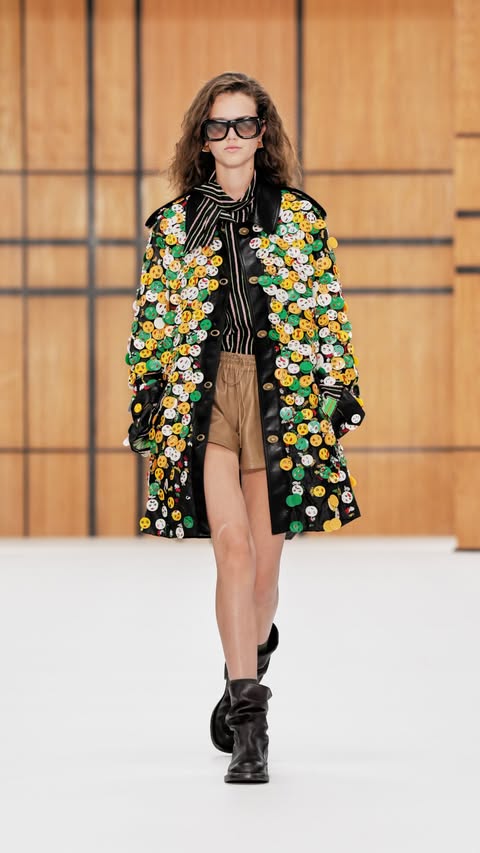
Burberry brought the week to a distinctly British close, with Daniel Lee collaborating with textile designer Celia Birtwell on a special Spring/Summer 2027 collection. Her hand-painted florals, vines and playful motifs softened the house’s familiar check, appearing across trenches, tailoring and accessories.
Also Read: London Fashion Week: Five Major Trends to Take From the Runway to Your Wardrobe
The closing show neatly captured what made this London season feel different. Heritage was present, but it was not treated as something static. McQueen looked back to its London roots, Mulberry reworked its archive through Kane’s perspective, while Burberry folded British textile history into a contemporary wardrobe.
London Fashion Week 2026 ultimately struck a balance between the city’s fashion heritage and its next generation of designers, creating a season that looked back while making space for what comes next.