The 2026 Met Gala Theme Has Been Announced And It’s Insane
This year’s Met Gala theme has been revealed, promising to blur the lines between fashion and art. Here’s a closer look at the theme and what we can expect on the red carpet
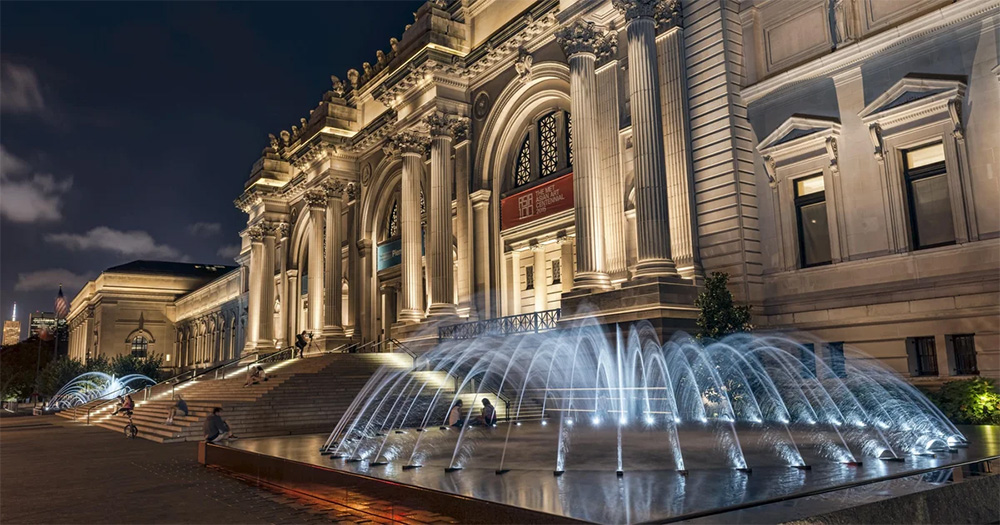
On the first Monday in May, the steps of the Metropolitan Museum of Art will once again become fashion’s most scrutinized stage.
Met Gala 2026 Theme Unveiled
The Met Gala returns on May 4, 2026, and the theme has finally been revealed: Fashion Is Art. It’s a simple statement, but one with endless possibilities.
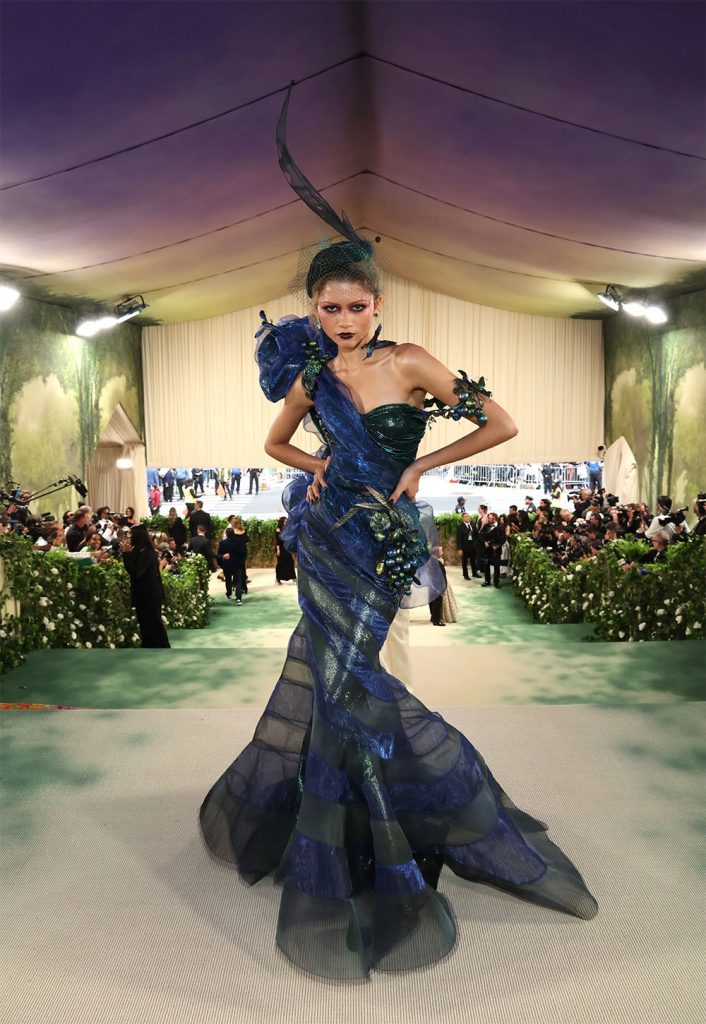
Designers, creatives, and celebrities are being invited to treat the body as a canvas, crafting looks that could just as easily hang in a gallery as walk down a red carpet or runway.
Fashion Is Art
The theme has reignited a question that has been buzzing through the fashion world for decades: Is fashion art, or is it just craft, commerce, or costume?
Also Read: Black Dandyism And Why It’s The Heart Of Met Gala 2025 | EXPLAINED
This year’s theme ties directly to the Costume Institute’s spring exhibition, “Costume Art,” which explores how fashion and art intersect. In plain terms, it’s about more than clothing. It’s about how garments shape the body, exaggerate form, and at times transform it into something sculptural, symbolic, or even experimental.
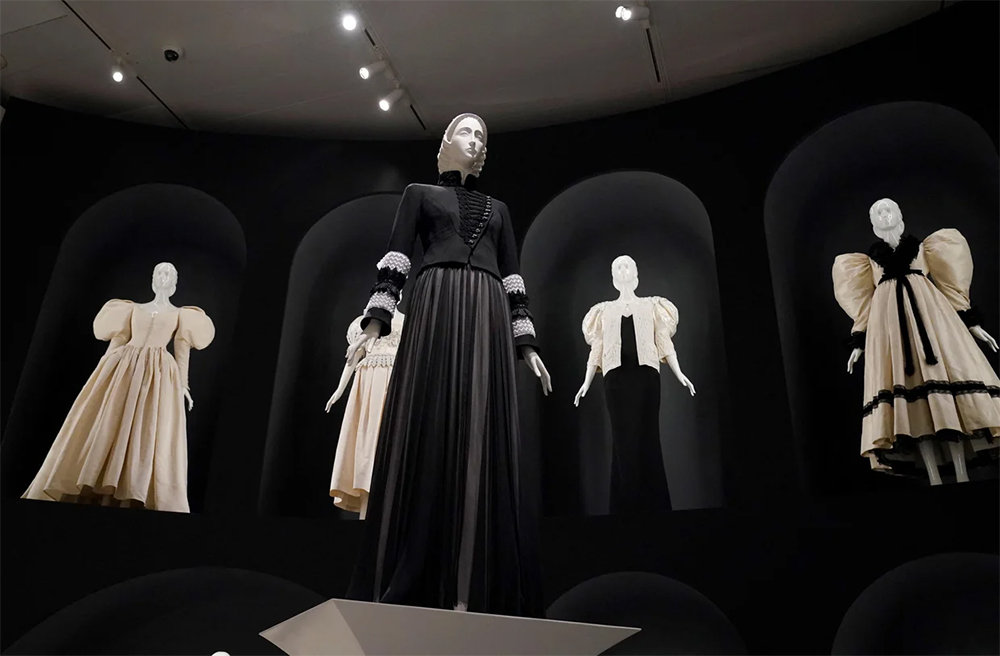
The exhibition itself is a milestone. It inaugurates the Costume Institute’s first permanent gallery within the Met: the 12,000-square-foot Condé M. Nast Galleries just off the Great Hall. Over 400 objects will be on display, from archival garments to paintings and contemporary works that place fashion squarely alongside fine art. The show opens May 10, 2026, and runs through January 10, 2027, letting the gala’s creative energy ripple through the museum for months.
Also Read: A Night Of Reawakening Fashion At Met Gala 2024: Theme, Hosts, And The Best Dressed Celebrities
Met Gala 2026 Co-Chairs
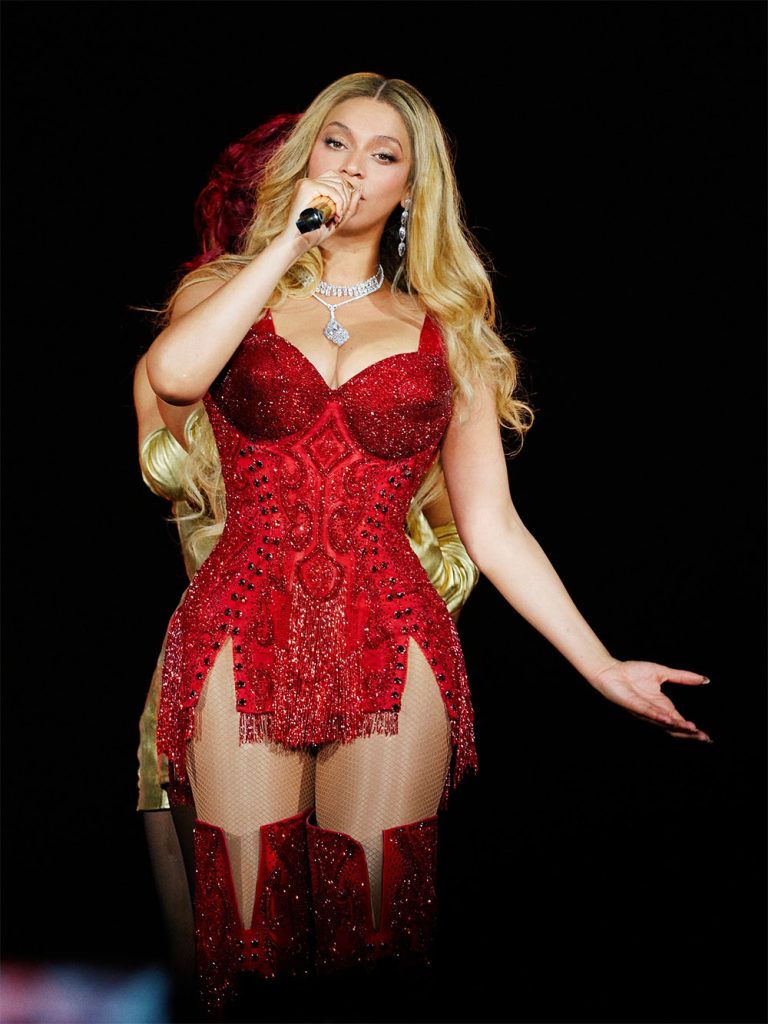
As always, the event will be guided by Anna Wintour, who returns as co-chair. She’ll be joined by Beyoncé, Nicole Kidman, and Venus Williams, a line-up that brings music, film, and sport into the conversation, highlighting just how far the theme reaches beyond fashion alone.
What “Fashion Is Art” Could Look Like On The Red Carpet
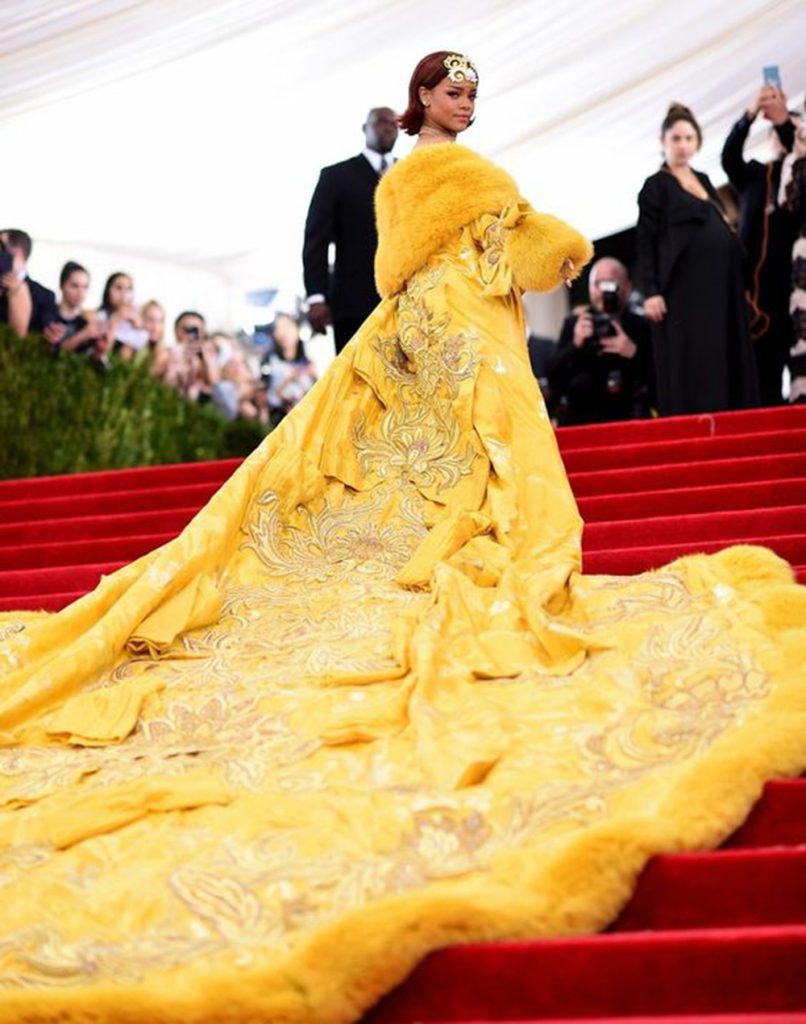
If the theme is taken seriously, the red carpet might resemble a gallery opening as much as a Hollywood premiere. Designers could experiment with sculptural silhouettes, exaggerated shapes, and dresses that feel like installations – hand-painted surfaces, molded bodices, oversized hips, or sleeves that read like brushstrokes in motion. Expect nods to art history: surrealist trompe l’oeil, cubist angles, and minimalist-inspired lines could all appear.
Stylists will have room to take risks, treating their clients as living exhibits. Collaborations between fashion houses and contemporary artists could produce garments with unexpected materials – resin, wire, ceramics, even pieces that blur the line between clothing and sculpture. Hair and makeup may also become part of the artistic concept, completing a look that is as conceptual as it is beautiful.
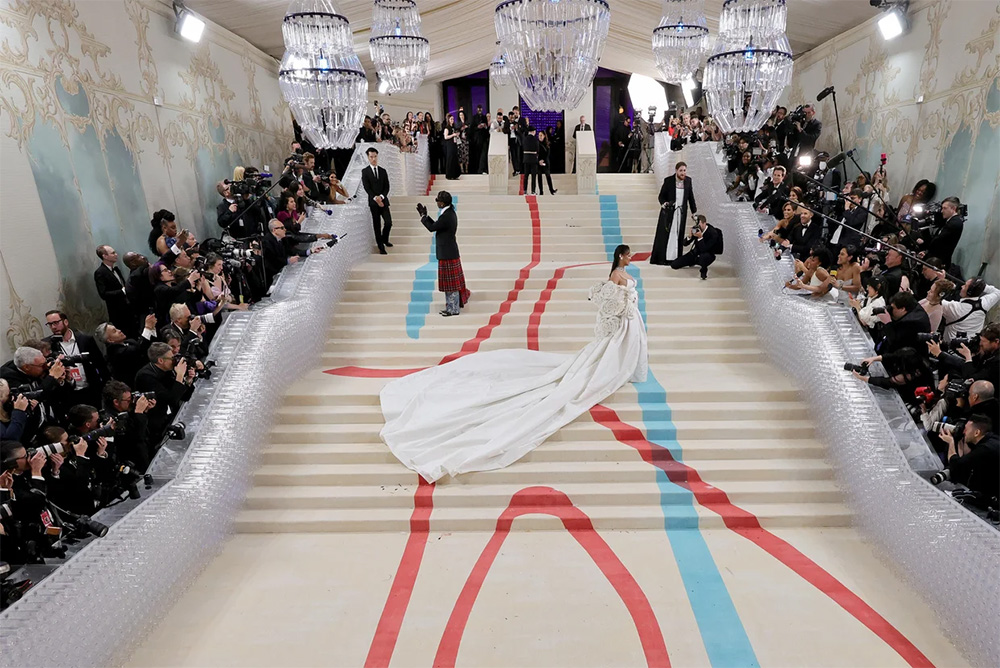
For celebrities, the challenge will be balance. Go too literal, and it becomes costume. Play it too safe, and the message gets lost. The most unforgettable appearances will likely come from those willing to push comfort aside for the sake of vision.