From Fine Dining to Feel-Good Eating: How Comfort Food Became The New Luxury
Explore why comfort food is emerging as the new luxury, driven by nostalgia, wellness culture, premium ingredients, and a shift away from traditional fine dining status symbols.
Comfort food which was once viewed as casual, everyday nourishment has today evolved into a quiet luxury status symbol. At a time when fine dining is obsessively documented and Michelin stars dominate conversations, the world is collectively drifting toward something warmer, simpler, and emotionally richer: dishes that hug the soul.
The Rise Of Emotional Dining
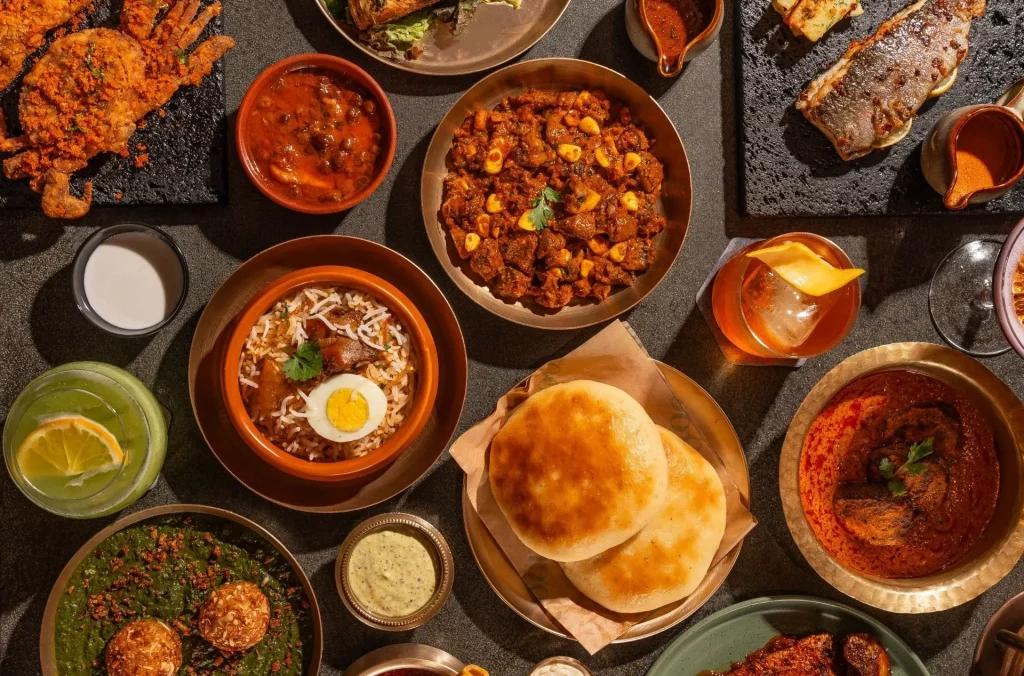
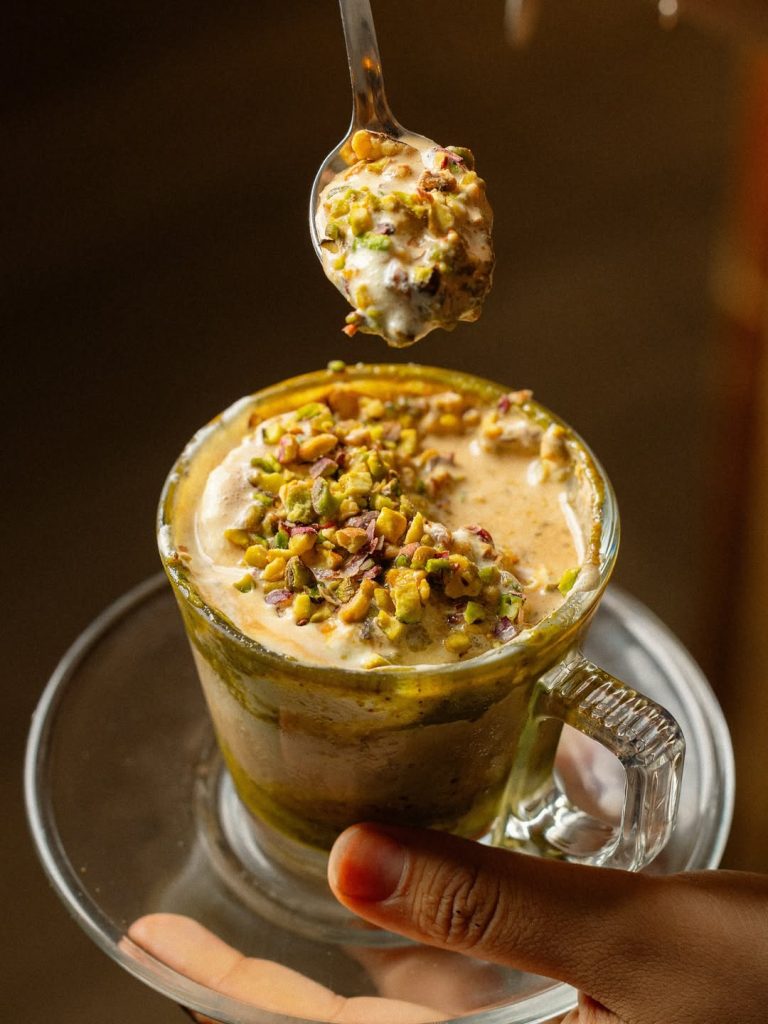
Across restaurants globally, menus are shifting from theatrics to nostalgia-driven plates. The most popular table bookings are often for places that serve handmade pasta, warm curries, grandmother-style desserts, or rustic bread. Diners are discovering that taste memories are stronger currency than truffle shavings. Economic instability, global stress, and hyper-connectivity have left people craving grounding flavours. Luxury, therefore, isn’t just the plate—it is how the food makes you feel.
Also Read: Why Plate Colour Matters: How Food Colour Shapes What We See, Taste, And Choose
Why Comfort Equals Premium Today
Chefs are elevating simple food with world-class sourcing and impeccable storytelling. A bowl of ramen can cost as much as a steak—not because it is expensive to make, but because it is slowly crafted by specialist hands, layered with heritage broths, rare soy varieties, artisanal noodles, and the chef’s narrative. Diners are happily paying for this craftsmanship because emotional satisfaction carries status. A decade ago, luxury meant exclusivity; today, luxury means authenticity.
The Restaurant World Is Adapting
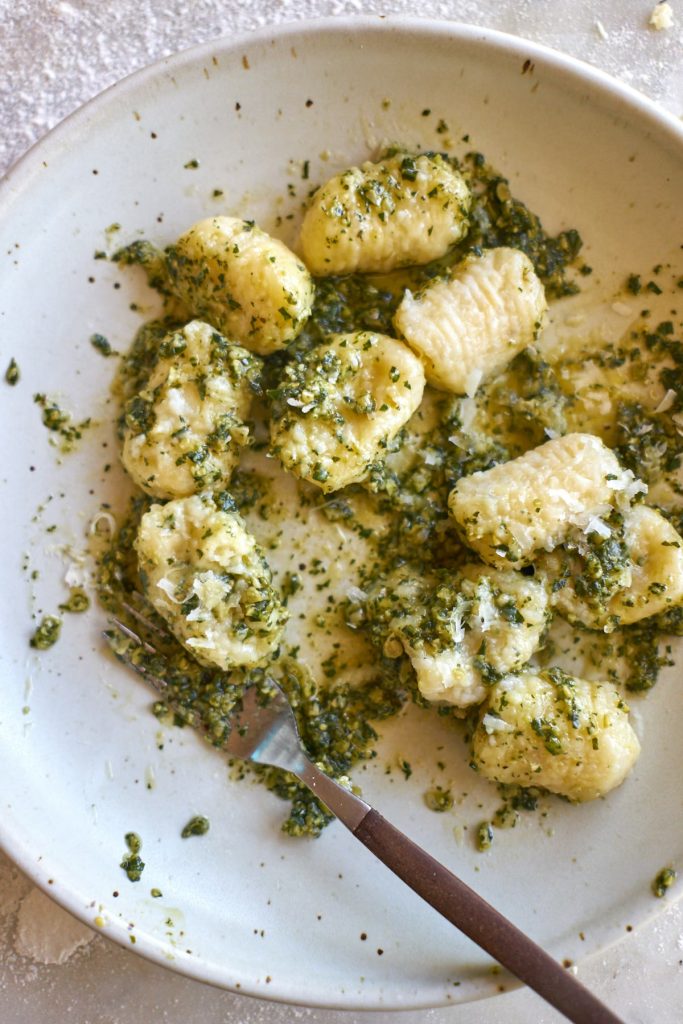
Fine dining is quietly reshaping itself. Tasting menus now feature dishes like lentils, risotto, fried chicken, dumplings, shepherd’s pie, gnocchi, and croissants stuffed with homemade jam. Top-tier chefs are abandoning stiffness for flavours from home kitchens. Even luxury hotels are unveiling menus dedicated purely to nostalgic eating—think Sunday roasts, classic biryanis, or wood-fired pizzas. Comfort food has become a serious revenue pathway, especially as guests prefer warmth over spectacle.
The Pandemic Effect
It forced people to cook at home, spending months surrounded by family food traditions. That memory has turned permanent. Even as life normalised, consumers refused to abandon that intimacy. This psychological imprint placed value on dishes representing security and identity. Comfort food is not fast food anymore, it is rooted in slowness, origin, preservation and emotional repair.
Also Read: What Are Truffles And Why Are They The World’s Most Expensive Ingredient?
Luxury Through Storytelling
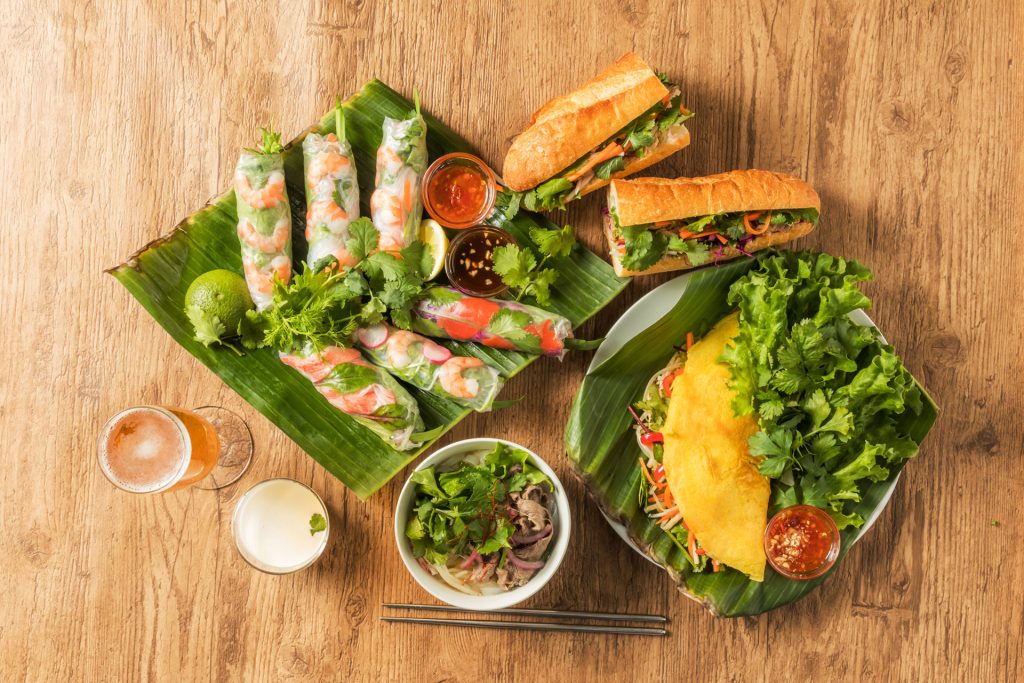
A bowl of pho becomes luxurious not because of its ingredients, but because it carries a story—migration, resilience, love, geography. Michelin chefs now describe their menus like memoirs. Diners respond not only to taste, but to narrative. Comfort food has unlocked a new luxury category fuelled by feeling, not extravagance.
Social Media And Nostalgia Marketing
Online platforms thrive on nostalgia content: retro desserts, childhood snacks, traditional breads, classic dinner plates. Instagram food culture previously thrived on decadence; now it thrives on memory. Viral success comes not from molecular gastronomy photos, but from grandmother-approved butter cookies. The visual language has changed—and luxury has changed with it. Comfort cuisine will evolve alongside wellness dining: fermented foods, clean comfort plates, slow-cooked grains, and responsibly sourced proteins. The next luxury is not silent opulence—it’s curated simplicity backed by ethics, origin and memory.