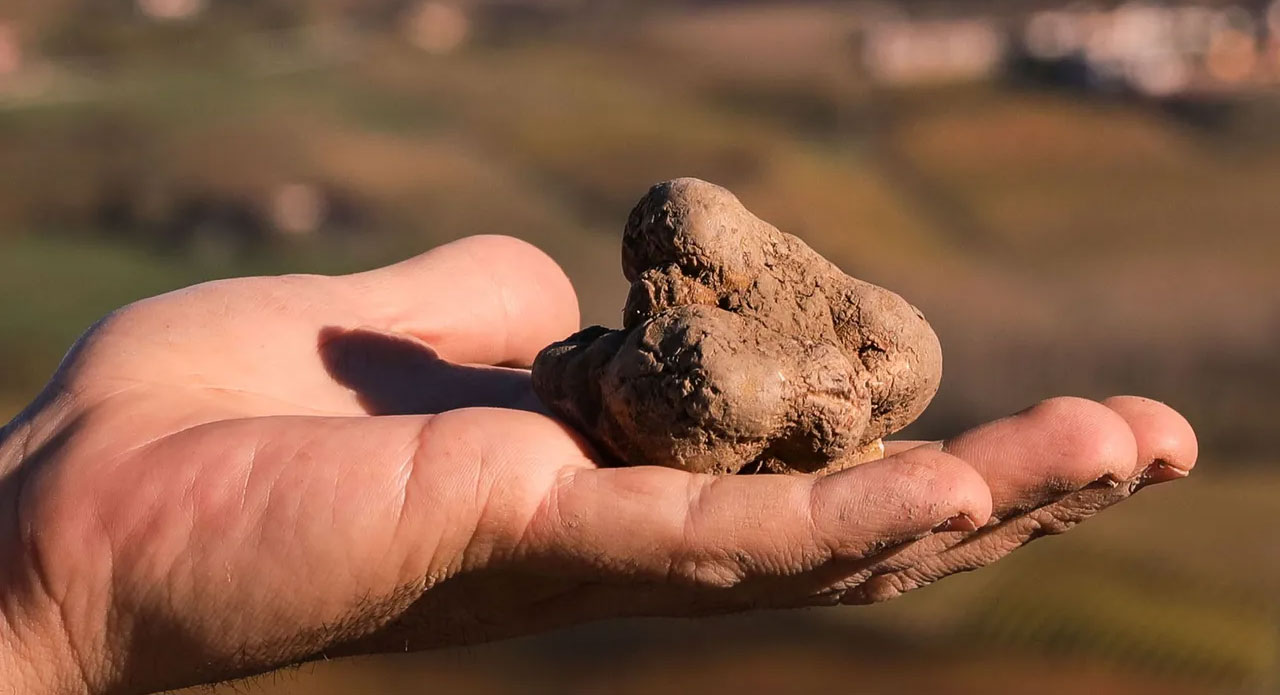


Truffles do not announce their presence, they grow silently beneath the earth, hidden from sunlight and human sight, forming one of gastronomy’s most elusive and expensive treasures. Among them, none commands more reverence than the White Alba Truffle, a winter delicacy whose aroma, rarity, and mystique have elevated it to near-mythical status in the culinary world. They occupy a rarefied space in the culinary world where mystery, biology, and luxury collide. Revered by chefs and feared by accountants, these subterranean fungi have earned their status as the world’s most expensive ingredient not through marketing hype, but through scarcity, seasonality, and a flavour profile that simply cannot be replicated. To understand why truffles cost more than gold by weight on occasion, one must look beneath the soil and back through centuries of gastronomic history.
A Brief History of Truffles
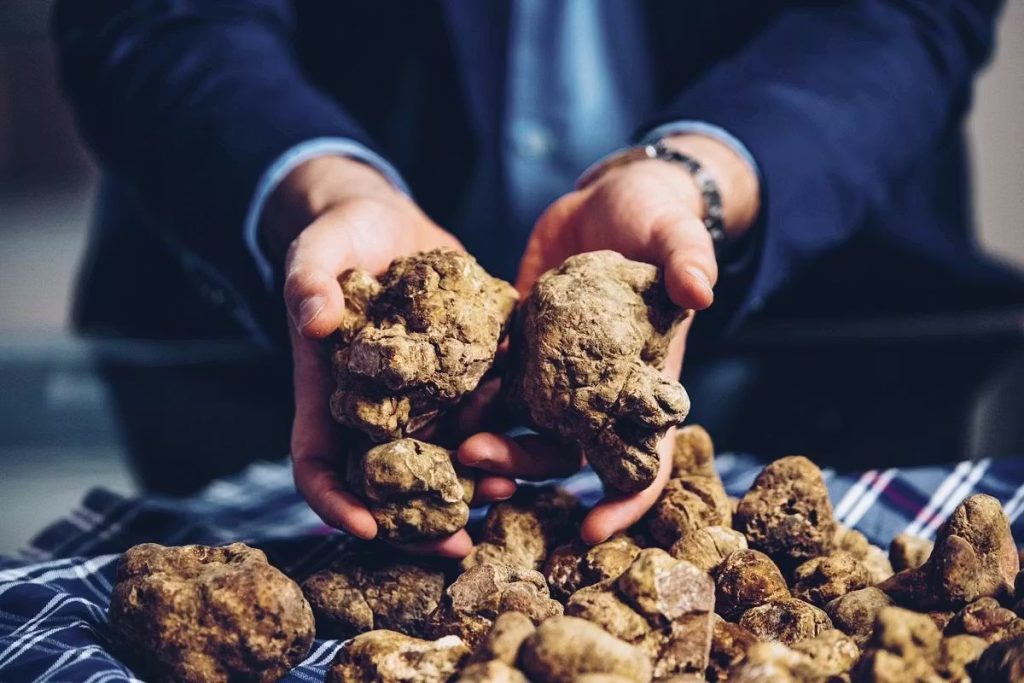
Truffles have fascinated humans since antiquity. Ancient Greeks believed truffles were born from lightning striking damp soil, while Romans considered them aphrodisiacs worthy of emperors. By the Renaissance, truffles had become a prized delicacy across European courts, particularly in France and Italy. Unlike cultivated crops, truffles resisted domestication for centuries, reinforcing their mystique. Even today, despite advances in agricultural science, truffles remain stubbornly difficult to produce consistently, keeping their allure and value intact.
Also Read: 10 Most Magical Restaurants Around The World To Celebrate Christmas This Year
What Exactly Is a Truffle
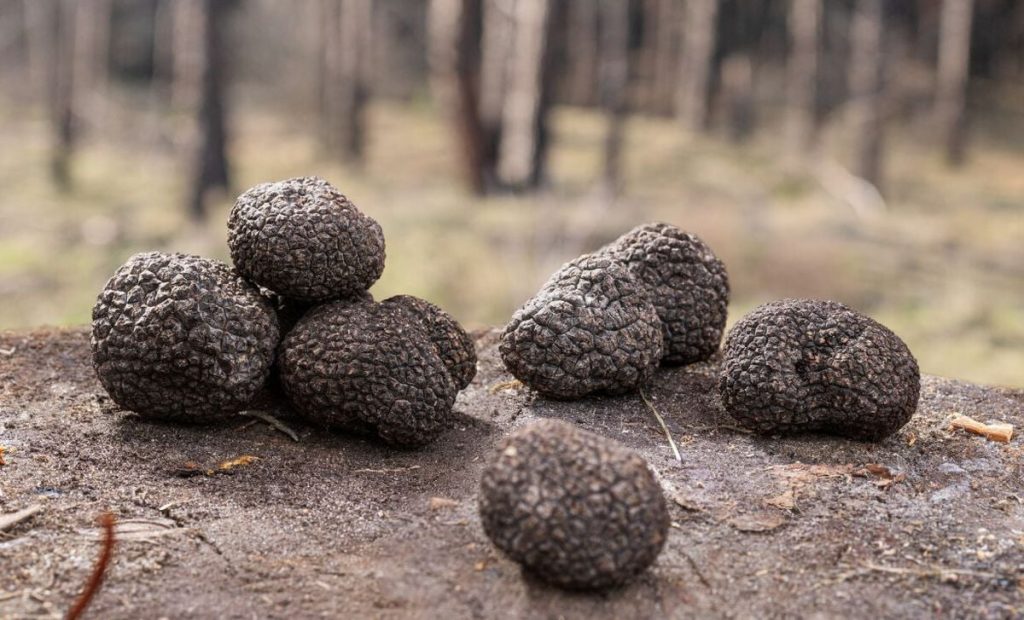
A truffle is a type of fungus that grows underground, usually in symbiotic relationship with the roots of specific trees such as oak, hazelnut, poplar, and beech. Instead of releasing spores into the air like mushrooms, truffles rely on animals to dig them up and spread their spores. Their intoxicating aroma is nature’s way of ensuring discovery.
Born Underground, Not Above It
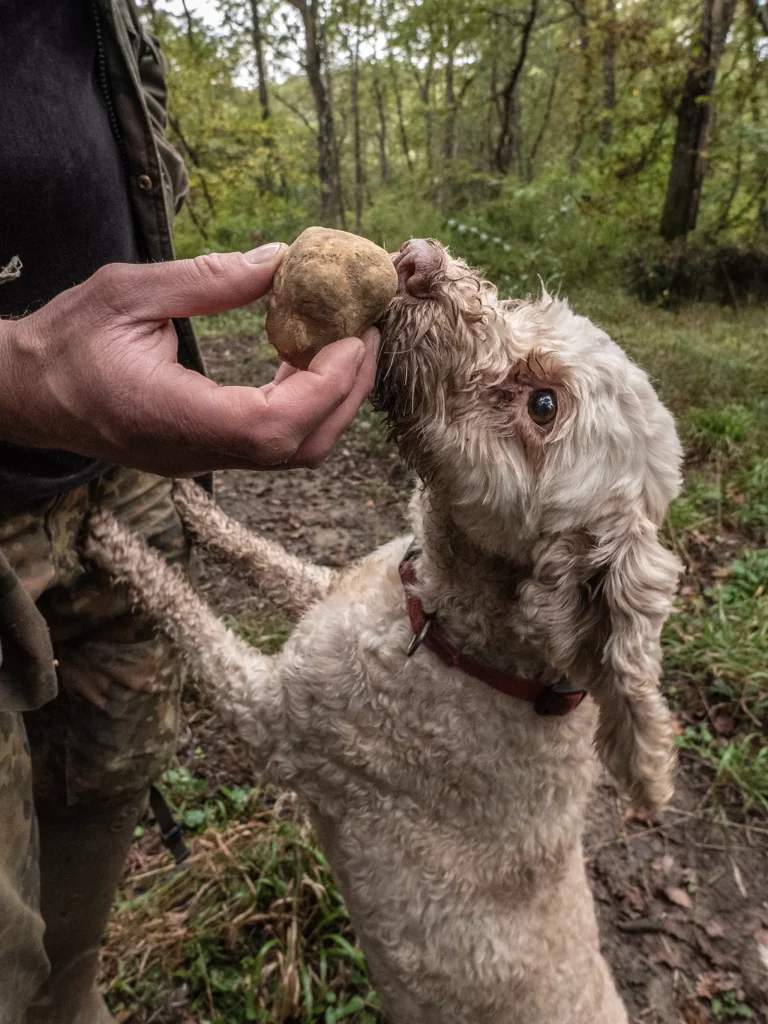
Unlike mushrooms that flourish above ground, truffles grow entirely below the soil’s surface. In a conversation with Outlook Luxe, Chef Kamalika Anand, Founder, Via Bianca says, ” They develop as subterranean fungi, forming a symbiotic relationship with the roots of specific trees, most notably oak and hazelnut”. This underground existence makes truffles impossible to spot visually, requiring trained dogs to locate them by scent alone. Their hidden growth contributes significantly to their scarcity and expense, as harvesting depends on skill, experience, and timing rather than mechanised farming.
A History Rooted In Italy
Italy stands at the heart of white truffle culture, particularly the Piedmont region, where the White Alba Truffle (Tuber magnatum) reigns supreme. The town of Alba is globally synonymous with white truffles, hosting the world’s most famous white truffle auctions. These auctions attract chefs, collectors, and luxury buyers from across the globe, with exceptional specimens selling for staggering sums. Italy’s soil composition, climate, and centuries-old truffle-hunting traditions have made it the undisputed epicentre of white truffle prestige.
Also Read: The Ultimate Japan Travel Food Guide: 20 7-Eleven And FamilyMart Treats Loved By An Indian Foodie
Why White Alba Truffle Is The Most Coveted
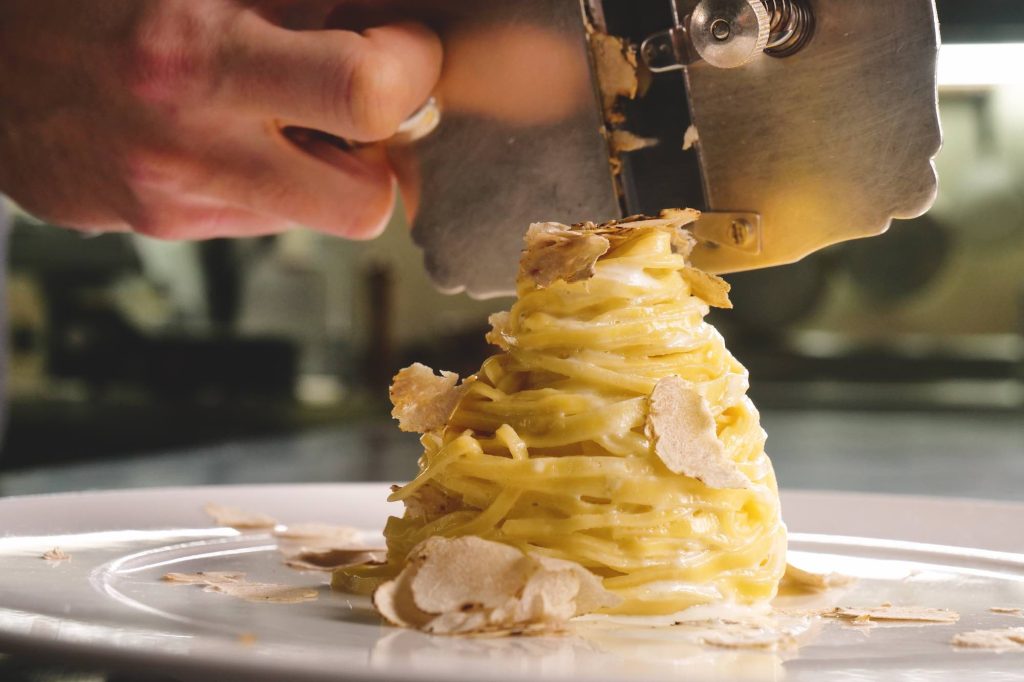
In the same conversation with Outlook Luxe, Naveen Patwal, Founder, Planet Mushroom says, ” What sets the White Alba Truffle apart is its aroma, widely regarded as the strongest and most complex among all truffle varieties”. Its scent is intense and layered, carrying notes of garlic, fermented cheese, wild honey, and damp forest floor. This powerful fragrance is also incredibly fragile. Heat diminishes its character, which is why white truffles are never cooked. Instead, they are shaved raw over warm dishes, allowing residual heat to release their aroma without destroying it.
Winter: The Only Season That Matters
White truffles are strictly seasonal, with winter yielding the most prized harvests. Their season typically runs from October to December, making them available for only a brief window each year. This limited availability, combined with unpredictable yields, fuels their soaring prices. A poor winter or unsuitable rainfall can dramatically reduce supply, sending market values even higher.
Where And How Truffles Grow
Truffles thrive only under very specific conditions. They require calcareous, well-drained soil and depend on a delicate balance of temperature and moisture. Ideal soil temperatures range between 10°C and 20°C, with cool winters and moderate rainfall. Most crucially, truffles grow on the roots of oak and hazelnut trees, drawing nutrients through a mutually beneficial relationship. Even when conditions appear perfect, truffles may take years to emerge, or fail to appear at all.
The Truth About Truffle Oil
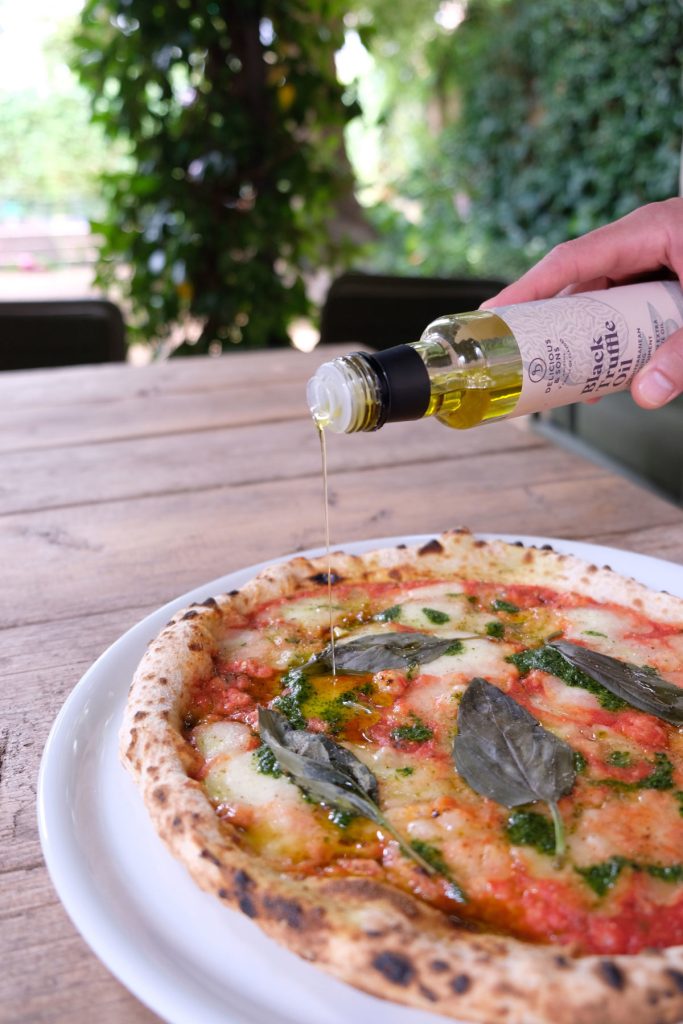
Despite its widespread use, truffle oil is often misunderstood. Contrary to popular belief,Patwal also adds, “Most truffle oils do not contain real truffle. Instead, they rely on a synthetic compound called dithiapentane, which mimics one dominant aroma molecule found in truffles”. While this compound delivers a recognisable truffle scent, it lacks the depth, evolution, and complexity of fresh truffles. Authentic truffle flavour remains fleeting and impossible to replicate fully in bottled form.
Why Truffles Command Astronomical Prices
The extraordinary cost of truffles is driven by rarity, seasonality, labour-intensive harvesting, and global demand. They cannot be cultivated reliably, spoil quickly, and must be consumed fresh. Add the drama of Italian truffle auctions and the prestige attached to the White Alba Truffle, and prices can climb into the thousands per kilogram. In an age of mass production and engineered flavours, truffles remain defiantly natural and unpredictable. The White Alba Truffle, in particular, embodies culinary luxury at its most authentic, shaped by soil, season, and centuries of tradition. It is not just an ingredient, but a fleeting winter phenomenon, best appreciated when nature allows it to surface.