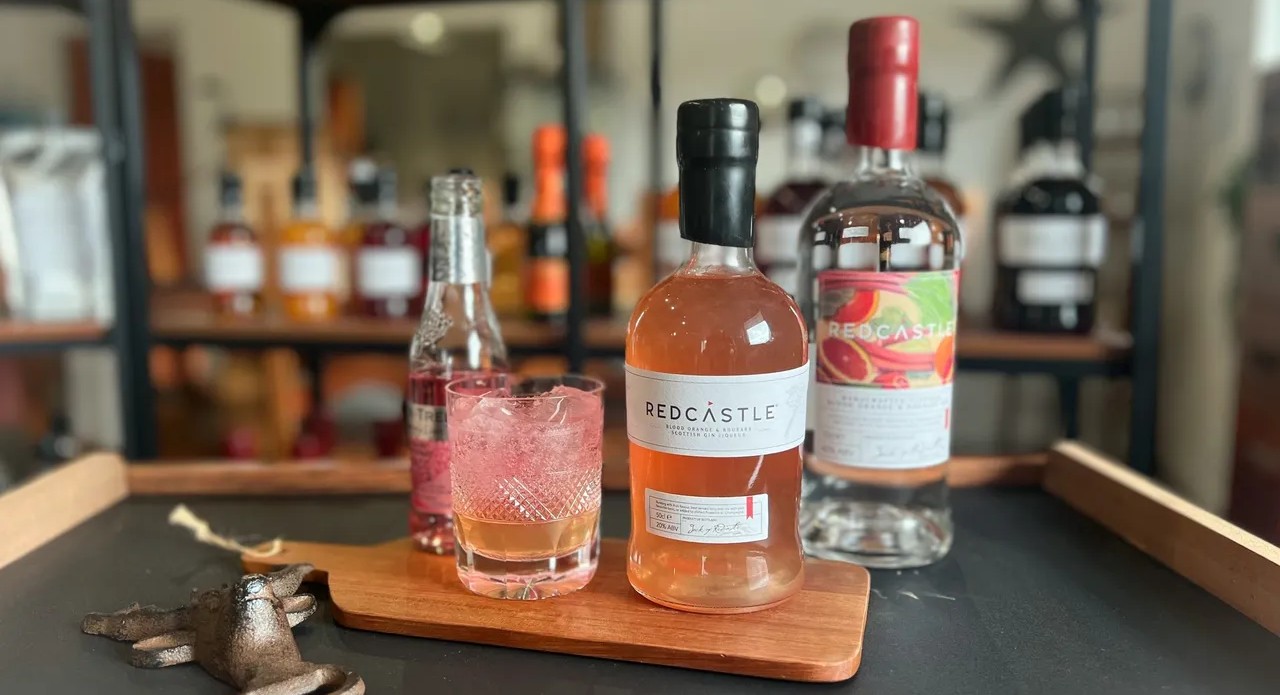


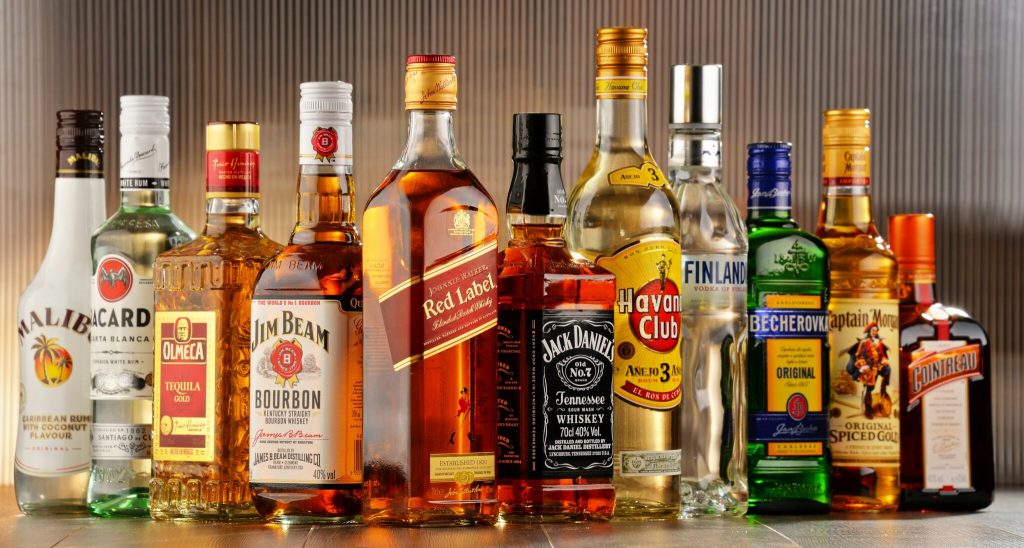
At first glance, the distinction between liquor and liqueur appears almost pedantic, a matter of spelling that might detain only the fastidious bartender or the particularly earnest sommelier. Yet linger a little longer over your glass and the difference begins to reveal itself as a philosophical divide. Liquor is, in its essence, the noble distillate, born of fermentation and elevated through the alchemy of heat and copper. Whether it emerges as whisky, rum, vodka, gin, or tequila, liquor represents the pursuit of purity, structure, and strength.
The craft of distillation is a study in discipline. Grains are mashed, grapes are crushed, molasses ferments, and from these humble beginnings arises a clear and potent spirit. The distiller’s task is to refine, to separate the desirable from the discordant, and to capture the heart of the run with precision. Aging in oak barrels may follow, imparting color and complexity, but the foundational ethos remains one of clarity and backbone. Liquor stands tall in proof and personality, unapologetically assertive.
The Art Of Sweet Persuasion
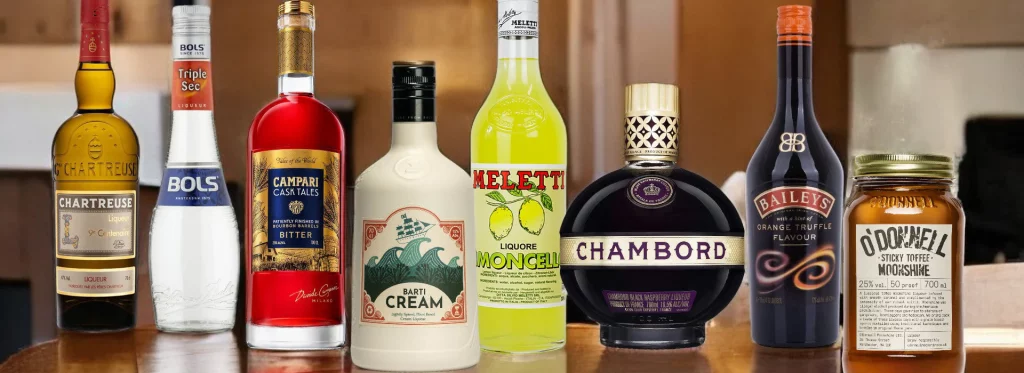
Liqueur, by contrast, begins where liquor leaves off. It takes that resolute spirit and invites it into a more decorative world. Sugar is introduced, along with fruits, herbs, spices, nuts, flowers, or cream. The result is not merely alcohol but an orchestration of flavour, texture, and aroma.
If liquor is architecture, liqueur is interior design. It softens edges, adds fragrance, and courts indulgence. Consider the silken allure of coffee infused sweetness, the citrus brightness of orange peel, or the herbal intrigue of alpine botanicals. These are not accidents but carefully composed expressions, often guarded by proprietary recipes passed down through generations. Liqueurs are typically lower in proof and richer on the palate, designed as much for contemplation as for conviviality.
Craftsmanship And Cultural Memory
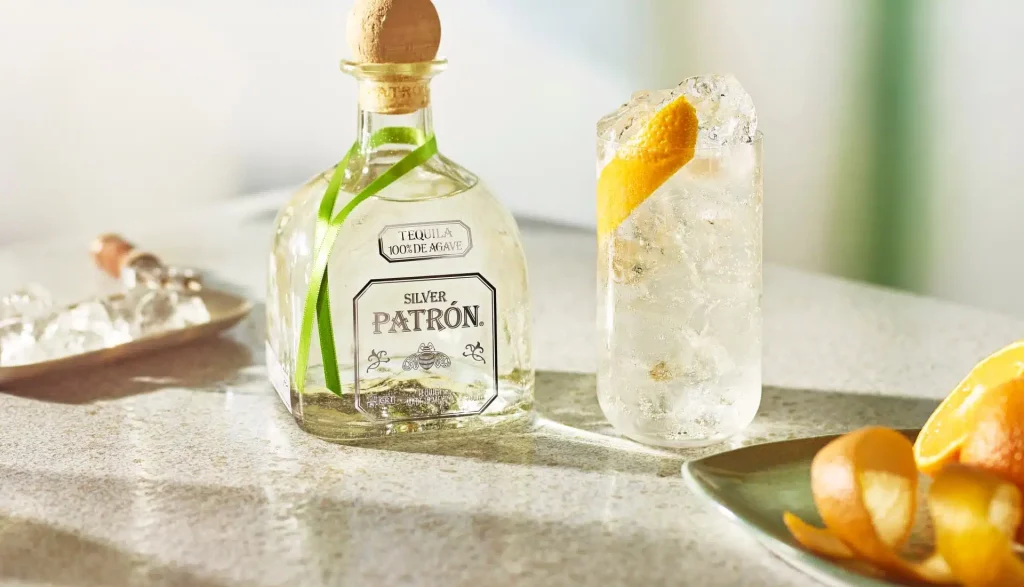
What makes this comparison truly fascinating is not simply the presence or absence of sugar but the traditions that shape each category. Liquor has long been associated with national identity. Scotch in the Scottish Highlands, tequila in the agave fields of Mexico, rum in the Caribbean basin. Each spirit carries the geography and history of its origin like a quiet signature.
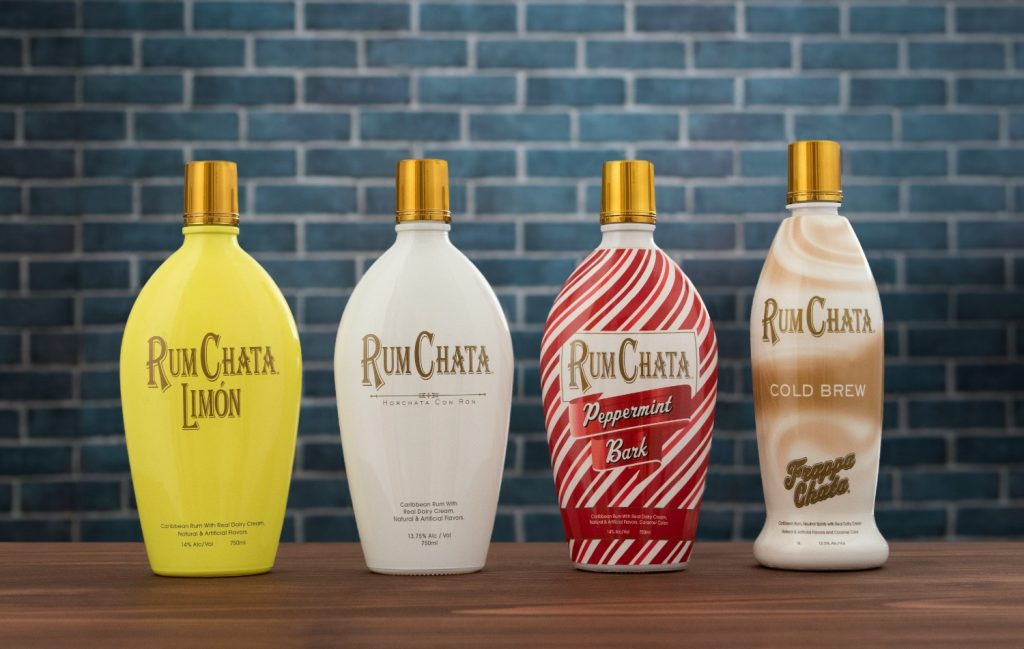
Liqueurs, meanwhile, often emerge from monastic kitchens and family ateliers, born of experimentation and a desire to preserve the flavors of a season. They feel intimate, almost domestic in their storytelling. A cherry liqueur might recall summer orchards, while a nut based cordial evokes festive evenings and candlelit tables. In this sense, liquor is the bold declaration, and liqueur is the affectionate aside.
Also Read: Bourbon Basics: Step-by-Step Guide To Crafting And Savoring Bourbon
Taste And Texture
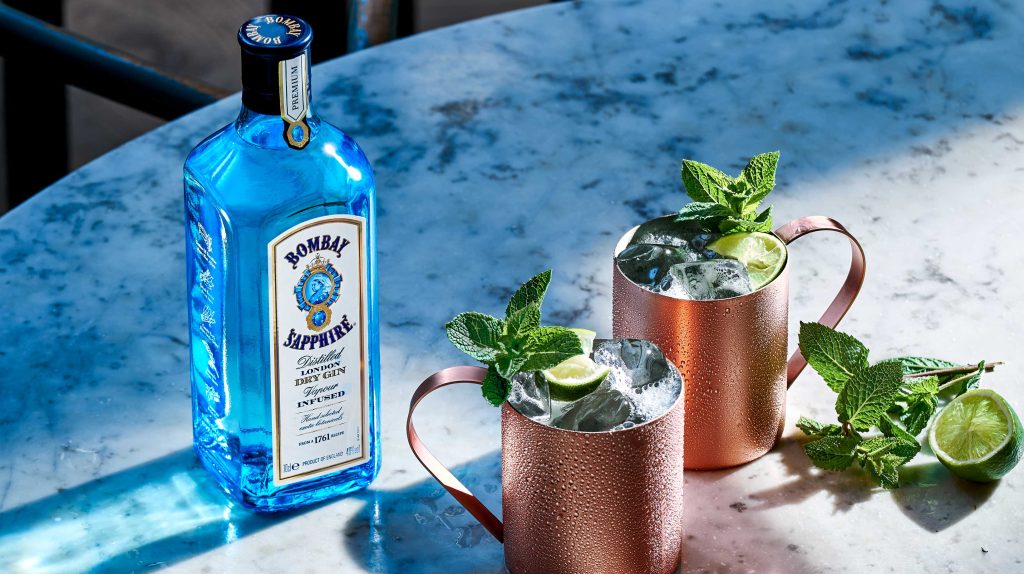
To taste liquor is to encounter structure. There is heat, certainly, but also grain, smoke, fruit, spice, or vegetal notes depending on its source and maturation. The mouthfeel tends toward lean and direct. It commands attention.
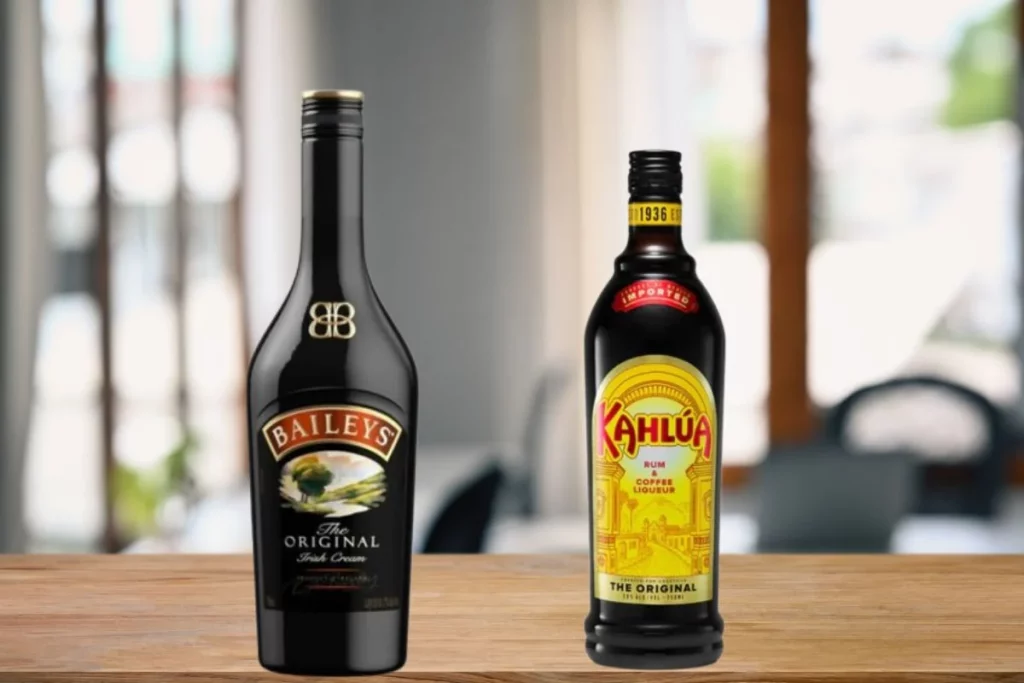
Liqueur, on the other hand, envelops. Its sweetness broadens the palate, its viscosity lingers, and its aromatic layers unfold gradually. It is less about force and more about flourish. One does not simply drink a liqueur; one savors it, often in smaller measures, allowing its sweetness to settle gently.
Also Read: Chartreuse Liqueur: History, Herbal Recipe And French Roots
Tradition In The Modern Glass
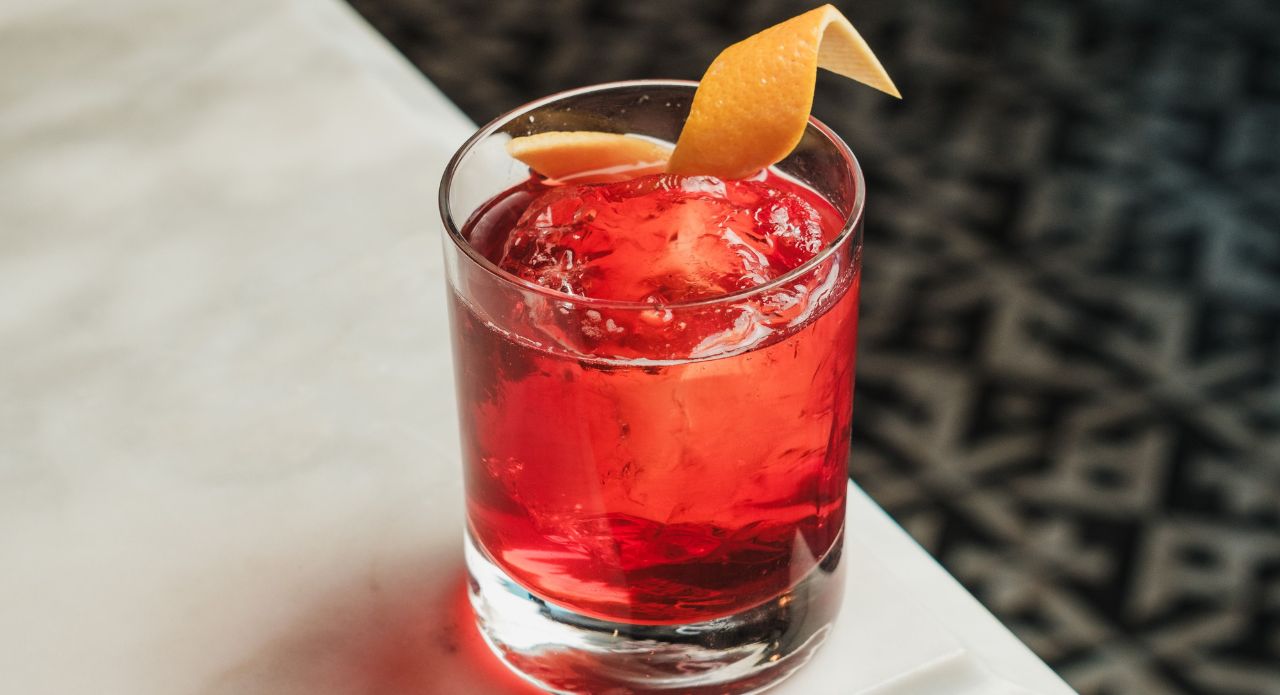
In contemporary cocktail culture, the relationship between liquor and liqueur has become delightfully collaborative. The Martini relies on the backbone of gin, yet countless other classics depend on the balancing act between a base spirit and a sweetened modifier. Bartenders today treat both with equal reverence, understanding that structure and adornment are not adversaries but allies.
Ultimately, the debate between liquor and liqueur is not about superiority but intention. Do you seek the bracing clarity of a distilled spirit in its elemental form, or the layered charm of something infused and sweetened? Both are products of meticulous craftsmanship. Both are steeped in tradition. And both remind us that in the world of fine drinking, as in life, there is room for both restraint and romance, strength and sweetness, purity and poetry.