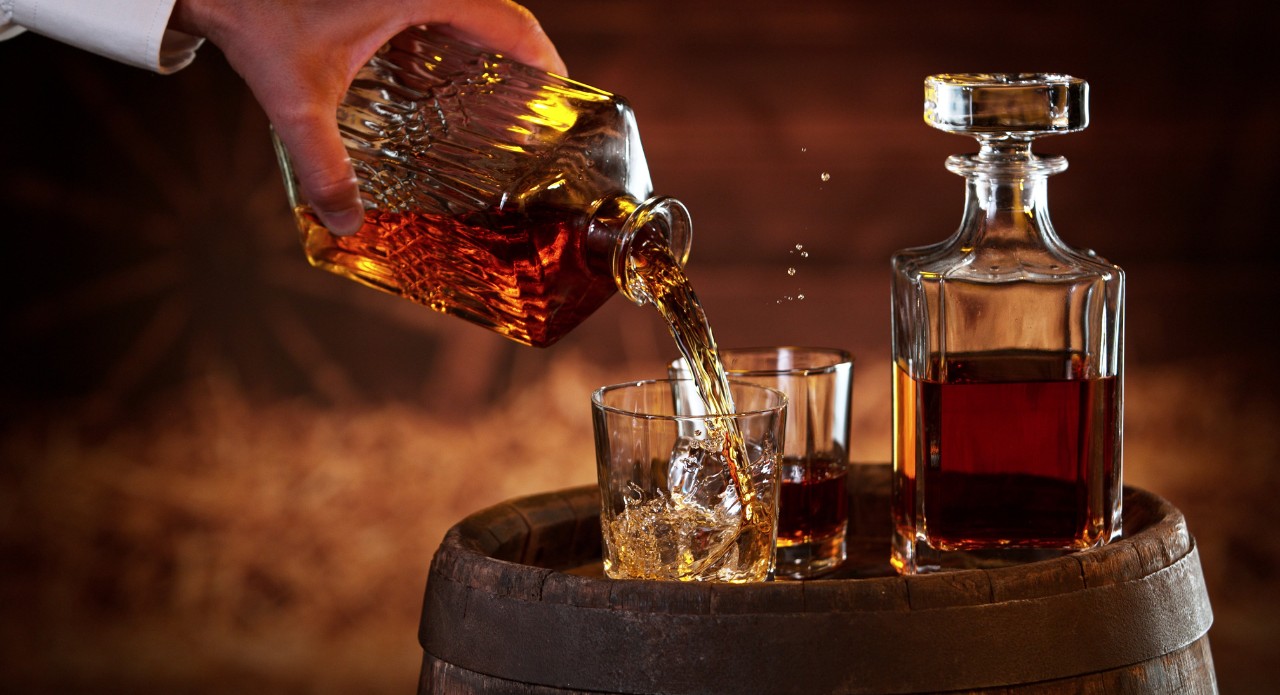


In the grand theatre of global spirits, few beverages carry the quiet authority of bourbon. It is not merely distilled grain matured in wood; it is legislation rendered liquid, geography distilled into amber poetry, and craft disciplined by law. While many whiskies roam free across continents and interpretations, bourbon stands firm within the carefully drafted boundaries of American regulation. To understand bourbon, therefore, is to appreciate not only flavour but framework; not merely taste, but statute. And once one comprehends the rigour of its creation, one may then approach the glass with the reverence it deserves.
The Legal Blueprint of Bourbon
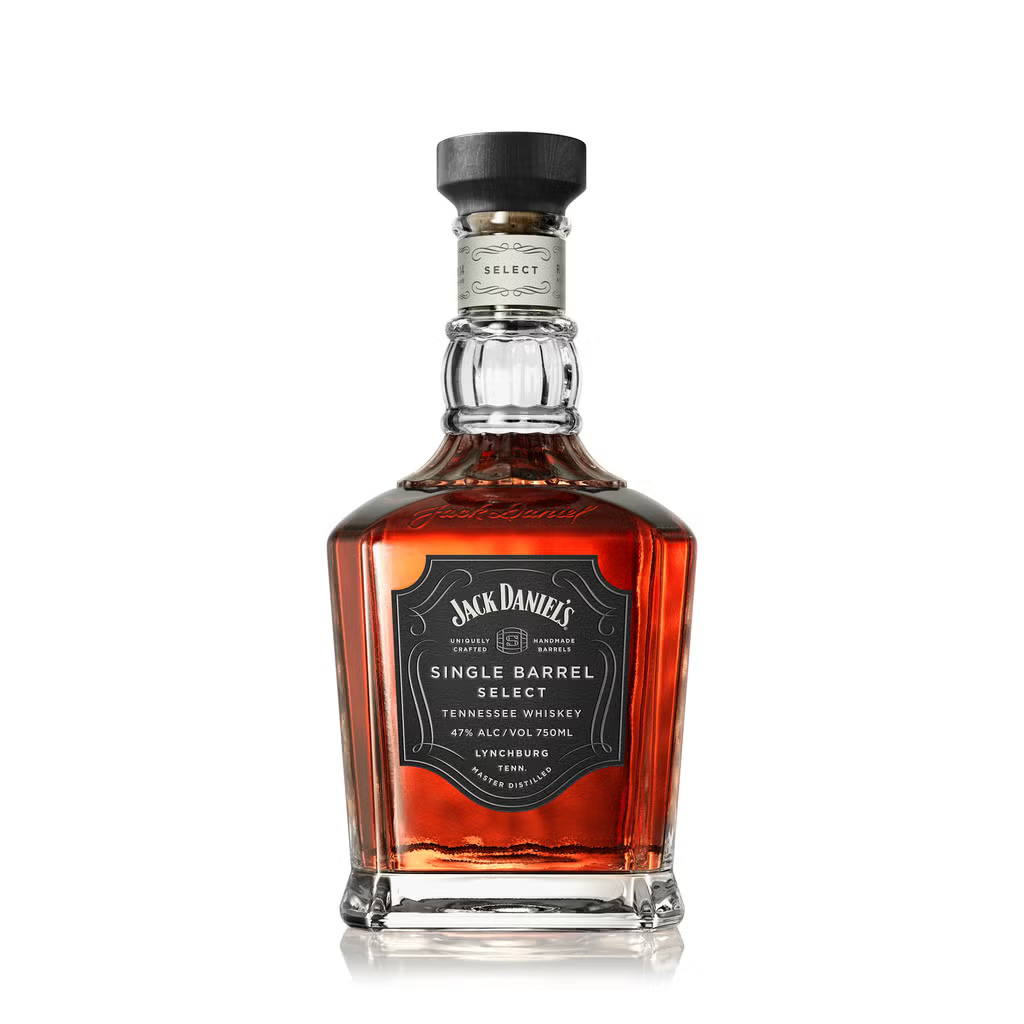
Under United States federal law, bourbon is classified as a distinctive product of the United States. While it need not be made exclusively in Kentucky, as popular myth would have it, it must be produced within the United States to bear the name bourbon.
The guidelines are unambiguous and non negotiable:
1. The Mash Bill
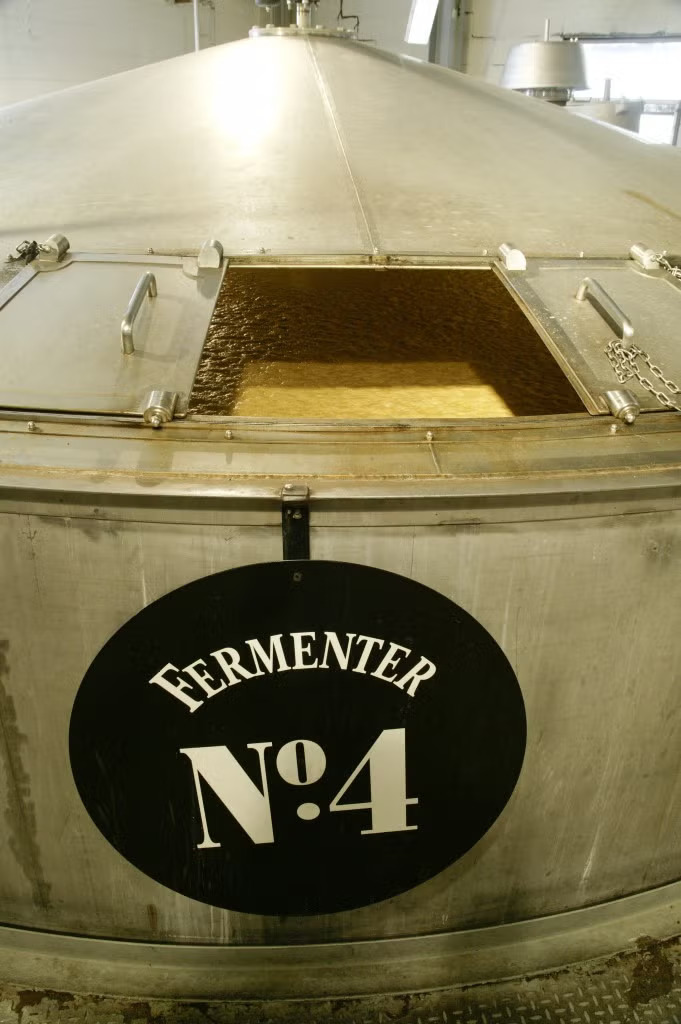
Bourbon must be made from a grain mixture that is at least 51% corn. The remaining portion typically includes rye, barley, or wheat. Corn lends sweetness and body; rye adds spice and structure; wheat softens the palate; malted barley assists fermentation. This precise composition forms the soul of bourbon’s character.
2. Distillation Proof
It must be distilled to no more than 160 proof, or 80 percent alcohol by volume. Distilling beyond this threshold strips away congeners and character, and bourbon, unlike neutral spirits, values flavour above purity.
3. Barrel Entry Proof
The spirit must enter the barrel at no more than 125 proof. This ensures that interaction with the wood remains balanced and nuanced.
4. The Barrel Mandate
Perhaps the most defining rule: bourbon must be aged in new, charred oak containers. Not reused. Not gently toasted. New and charred. The charring caramelises the wood sugars and creates a charcoal layer that filters and enriches the spirit. Vanilla, caramel, smoke and toasted notes are born here, not in the still.
5. Additive Prohibition
Nothing may be added except water to adjust proof. No colouring, no flavouring, no sweeteners. Bourbon is unadorned truth.
To be labelled straight bourbon, it must be aged for a minimum of two years. If aged less than four years, the label must declare the age statement. Such transparency is rare in the world of spirits, and it speaks to bourbon’s disciplined integrity.
Also Read: Chartreuse Liqueur: History, Herbal Recipe And French Roots
The Alchemy of Ageing
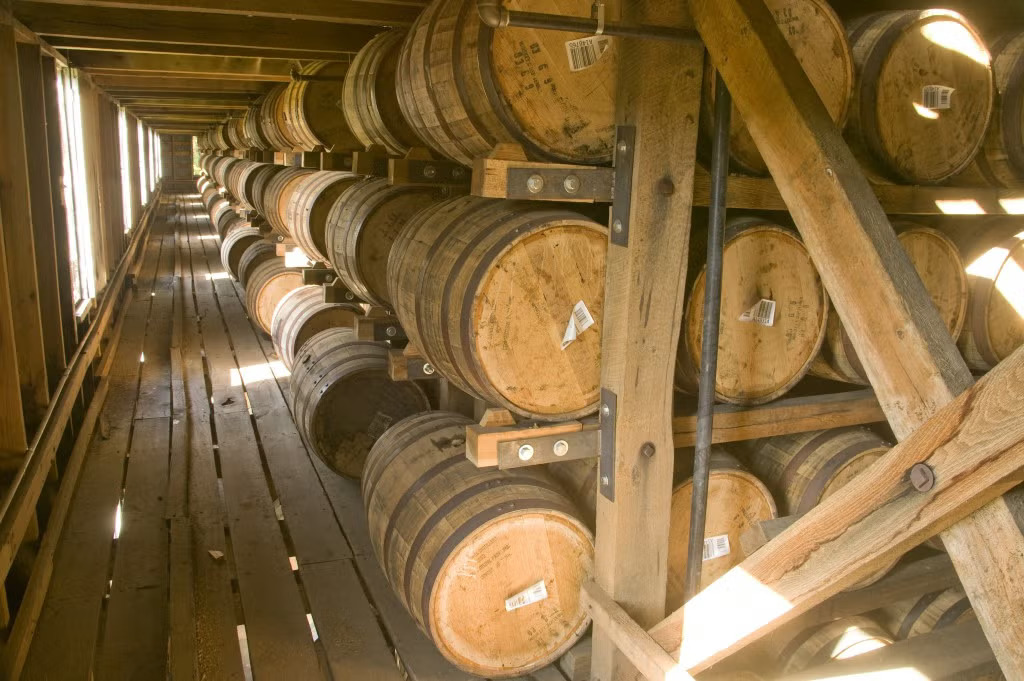
Ageing is not passive waiting; it is dynamic conversation between spirit and oak. American oak barrels, heavily charred, expand and contract with seasonal temperature shifts. The liquid seeps into the wood, extracts flavour, retreats, and repeats this dance over years.
Unlike Scotch matured in reused barrels, bourbon’s insistence on new oak produces a more assertive wood influence. The result is a spirit often richer in caramelised sweetness, bolder in vanilla warmth, and layered with toasted complexity. Climate plays its part too. Hot summers accelerate extraction, cold winters temper aggression. Time and temperature conspire to craft character.
A Spirit of Structure and Soul
Bourbon is, at heart, a paradox. It is rigidly regulated yet warmly expressive; legally defined yet sensorially expansive. Every bottle carries within it the discipline of statute and the romance of barrel ageing. To drink bourbon, then, is not simply to consume alcohol. It is to participate in a tradition governed by law, shaped by fire, and softened by time. In that amber glow rests a quiet testament to how structure, rather than stifling creativity, can in fact elevate it.