

In the ever shifting theatre of global travel, where geopolitics increasingly influences the itineraries of the affluent, a curious recalibration is underway. Destinations once selected purely for glamour are now evaluated through a more pragmatic lens: safety, stability and reliability. Within this evolving calculus, Spain is emerging as an unexpectedly compelling sanctuary for luxury travellers.

Long admired for its cultural exuberance and Mediterranean allure, Spain has begun to occupy a new position in the global imagination: that of a safe harbour in an uncertain world. While conflicts, political volatility and diplomatic tensions have cast shadows over several traditional luxury hotspots, Spain offers the reassuring trifecta of political stability, robust infrastructure and an enduring tradition of hospitality.
Also Read: What Travellers Should Know About Dubai Right Now
Cities such as Madrid, Barcelona and Seville illustrate this balance with remarkable finesse. They combine the historical gravitas of Europe’s grand capitals with the efficiency of modern urban management, allowing visitors to enjoy Michelin starred gastronomy, world class museums and discreet luxury hotels without the anxieties that increasingly accompany travel elsewhere.
Part of Spain’s growing appeal lies in its geopolitical positioning. As a stable member of the European Union and the NATO, the country benefits from strong diplomatic alliances and a well integrated security framework. This institutional solidity offers an important psychological assurance to travellers who now weigh global developments far more carefully when planning long haul journeys.
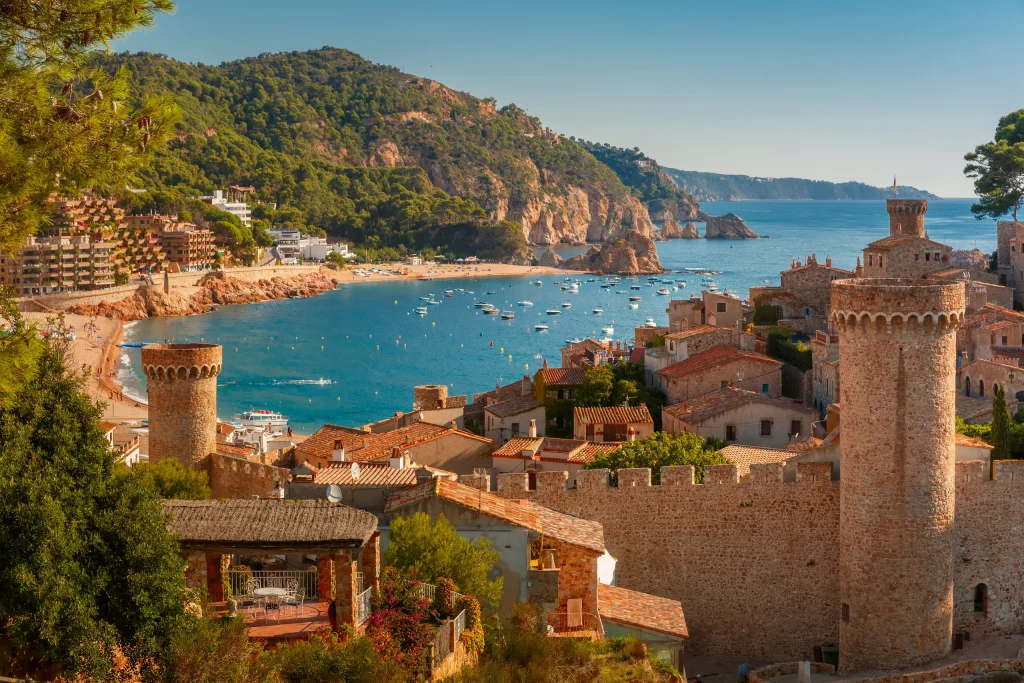
Equally significant is Spain’s mastery of the art of lifestyle. Luxury here is not merely about opulence; it is about the seamless coexistence of culture, cuisine and climate. From the sunlit promenades of Marbella to the island serenity of Ibiza and Mallorca, Spain offers the sort of experiential indulgence that modern high net worth travellers increasingly seek.
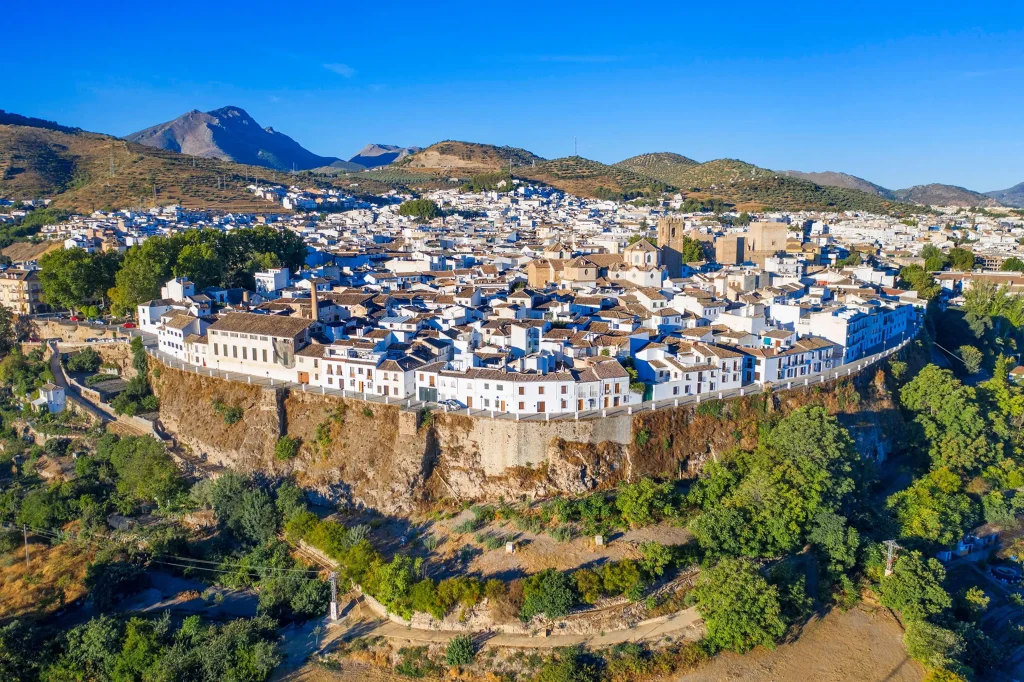
Unlike destinations that feel engineered solely for tourism, Spain’s luxury ecosystem is deeply rooted in authenticity. A centuries old architectural heritage sits comfortably alongside avant garde hospitality. The country’s palatial hotels, historic vineyards and discreet private villas allow visitors to immerse themselves in an environment that feels both exclusive and culturally meaningful.
Moreover, Spain’s accessibility enhances its appeal. Efficient high speed rail networks, globally connected airports and meticulously maintained highways make navigating the country an exercise in effortless sophistication. Whether one is exploring the Moorish palaces of Granada or the artistic treasures of Bilbao, the experience unfolds with reassuring smoothness.
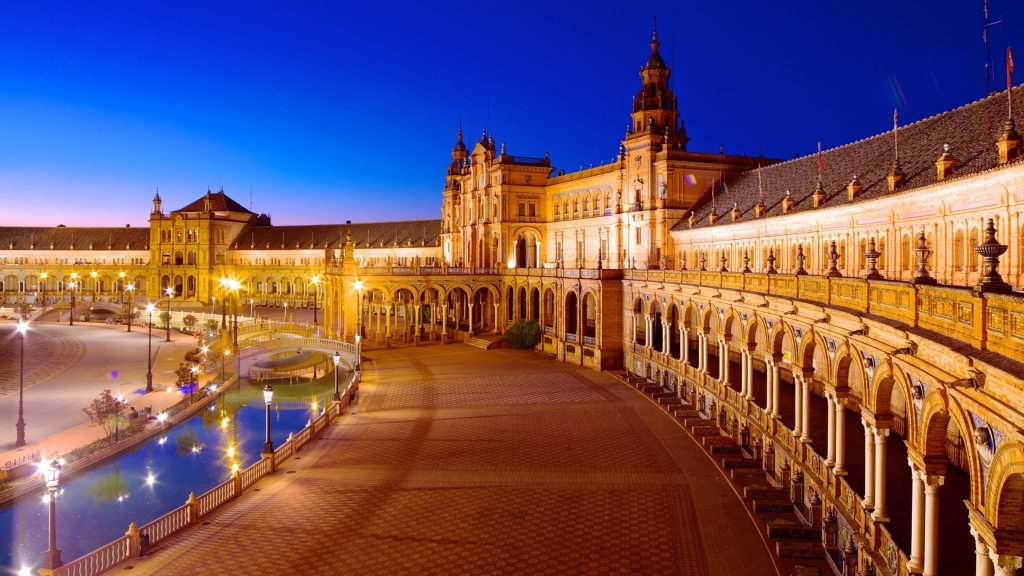
There is also a subtler reason for Spain’s ascendance: emotional comfort. In times of geopolitical unease, travellers gravitate toward places that feel welcoming and predictable without being dull. Spain offers precisely this equilibrium. Its cities pulse with vitality, its coastlines exude languid Mediterranean charm and its people retain a cultural warmth that has long defined the Spanish way of life.
Also Read: Single Malt vs Blended Malt: Which Scotch Whisky Is Right for You?
For the luxury traveller navigating an increasingly complex world, such reassurance carries enormous value. Safety today is not merely about security measures or political stability; it is about the confidence to wander freely through a city square at dusk, to linger over a late night dinner, or to explore historic streets without apprehension. In this sense, Spain’s appeal transcends conventional tourism metrics. It is not simply a destination but a refuge of refined normalcy. And in a world where uncertainty increasingly shapes the rhythms of travel, that may well be the most coveted luxury of all.