

In the windswept expanses of Scotland, whisky is less a beverage than a dialect of identity. Yet even within this ancient craft, distinctions abound that demand patient explanation. Among the most misunderstood is the difference between Single Malt Scotch and Blended Malt Scotch. Both are malt whiskies. Both are distilled in copper pot stills. Both must mature in oak casks for at least three years on Scottish soil. And yet, they diverge in origin, intention and personality. The choice between them is not one of superiority but of temperament.
What Defines Single Malt Scotch
A Single Malt Scotch whisky is produced from 100% malted barley at a single distillery. The word single refers not to a single cask or batch, but to a single place of origin. The process begins with malting barley, encouraging germination before kiln drying halts the process. In certain regions, peat smoke may be introduced, infusing the grain with earthy, medicinal or smoky notes. The barley is milled into grist, mixed with water in a mash tun, and fermented with yeast to create a wash of modest alcoholic strength.
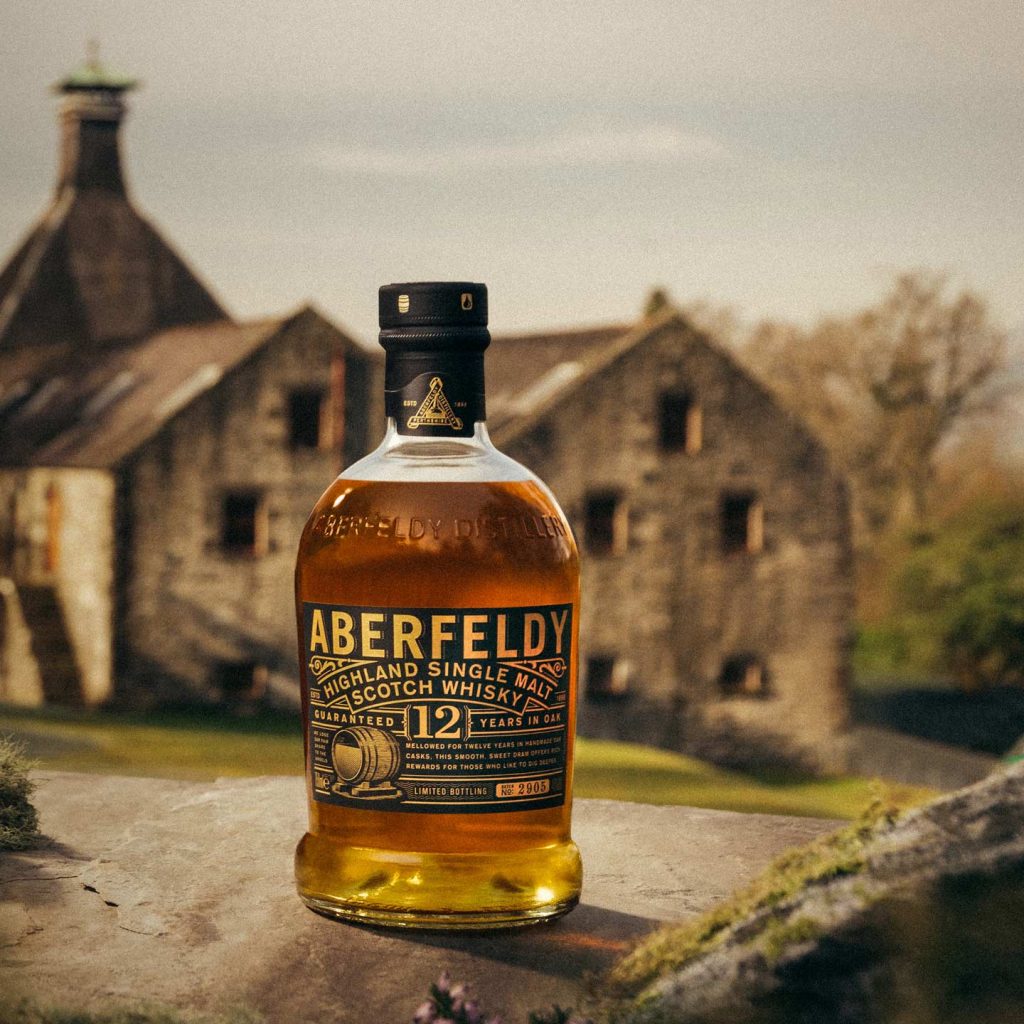
Distillation occurs in traditional copper pot stills, usually twice. The shape and size of these stills, along with the distillery’s cut points, profoundly influence flavour. The spirit is then matured in oak casks, often previously used for bourbon or sherry, for a minimum of three years, though many rest for a decade or more. The result is a whisky that bears the unmistakable signature of its distillery. It may be coastal and saline, orchard fresh and delicate, or rich with dried fruit and spice. A Single Malt is a singular narrative.
What Defines Blended Malt Scotch
Blended Malt Scotch, formerly known as vatted malt, is created by combining two or more Single Malt whiskies from different distilleries. Importantly, it contains no grain whisky. Every component is malt whisky distilled in pot stills. Herein lies the subtlety. While Single Malt speaks with one accent, Blended Malt speaks in harmony.
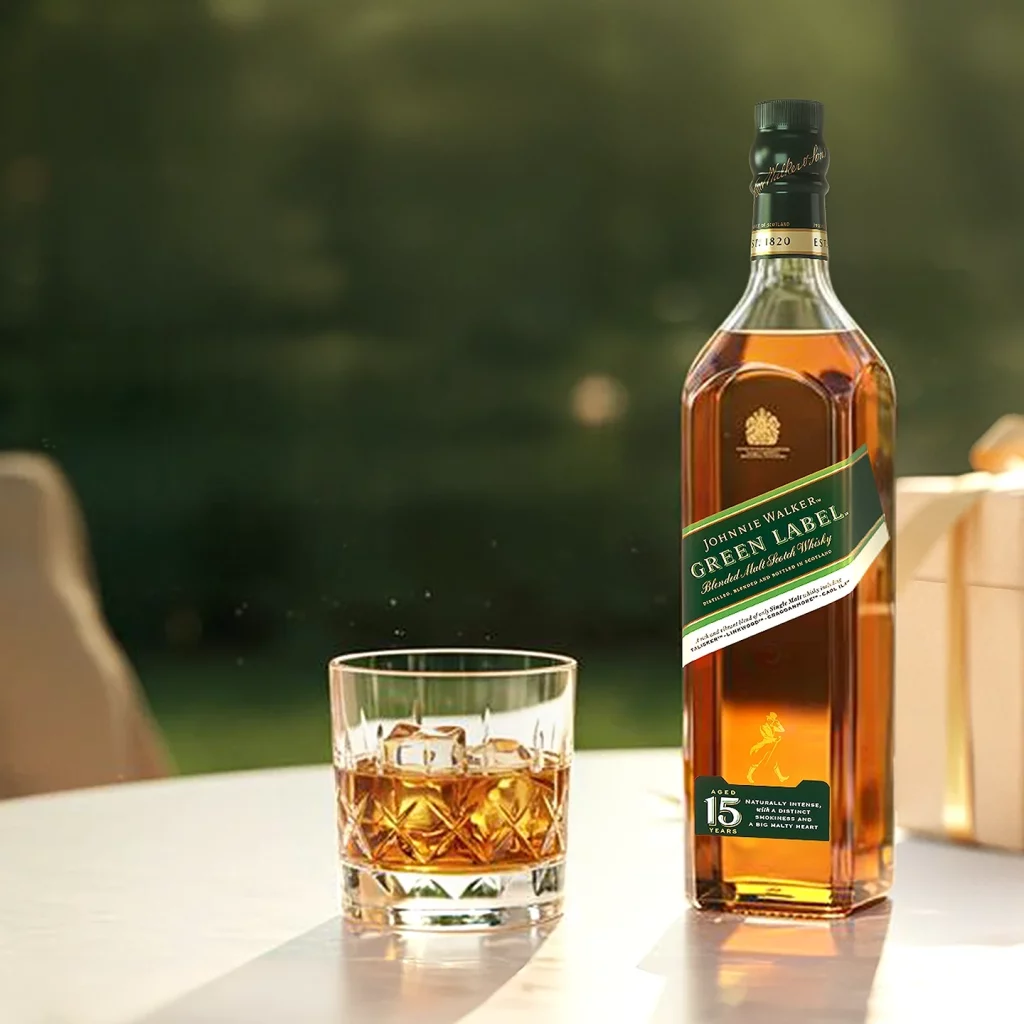
Master blenders select mature malts from various distilleries and marry them to achieve balance, complexity and stylistic cohesion. The blending process is not a dilution of character but a deliberate orchestration. A smoky island malt may be softened by a honeyed Speyside expression. A robust Highland whisky may be brightened by a citrus driven Lowland counterpart. The aim is integration rather than dominance.
Also Read: Liquor vs Liqueur: A Refined Exploration Of Craftsmanship, Taste And Tradition
Preparation and Production: Shared Roots, Divergent Paths
Both Single Malt and Blended Malt begin with the same raw material: malted barley. Both are mashed, fermented and distilled in copper pot stills. Both must comply with Scotch whisky regulations governing production and maturation. The divergence occurs after distillation and ageing. Single Malt remains faithful to one distillery’s stock. Blended Malt introduces collaboration, allowing whiskies from different houses to converge. Thus, the distinction is not technical in foundation but curatorial in execution.
Flavour Philosophy: Identity vs Balance
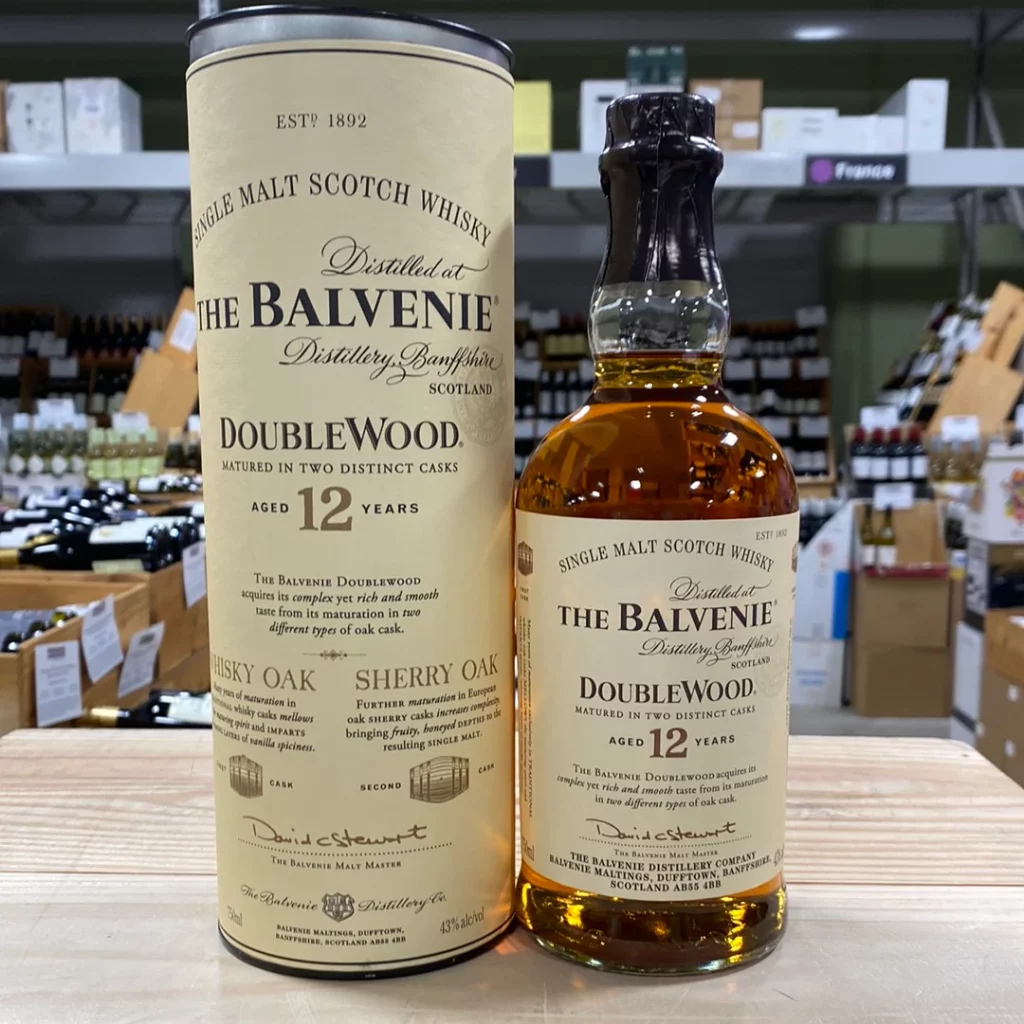
Single Malt often appeals to the purist who seeks terroir and typicity. It offers the pleasure of tracing flavour back to a specific still house, water source and regional climate. There is intellectual satisfaction in knowing precisely where the spirit was born.
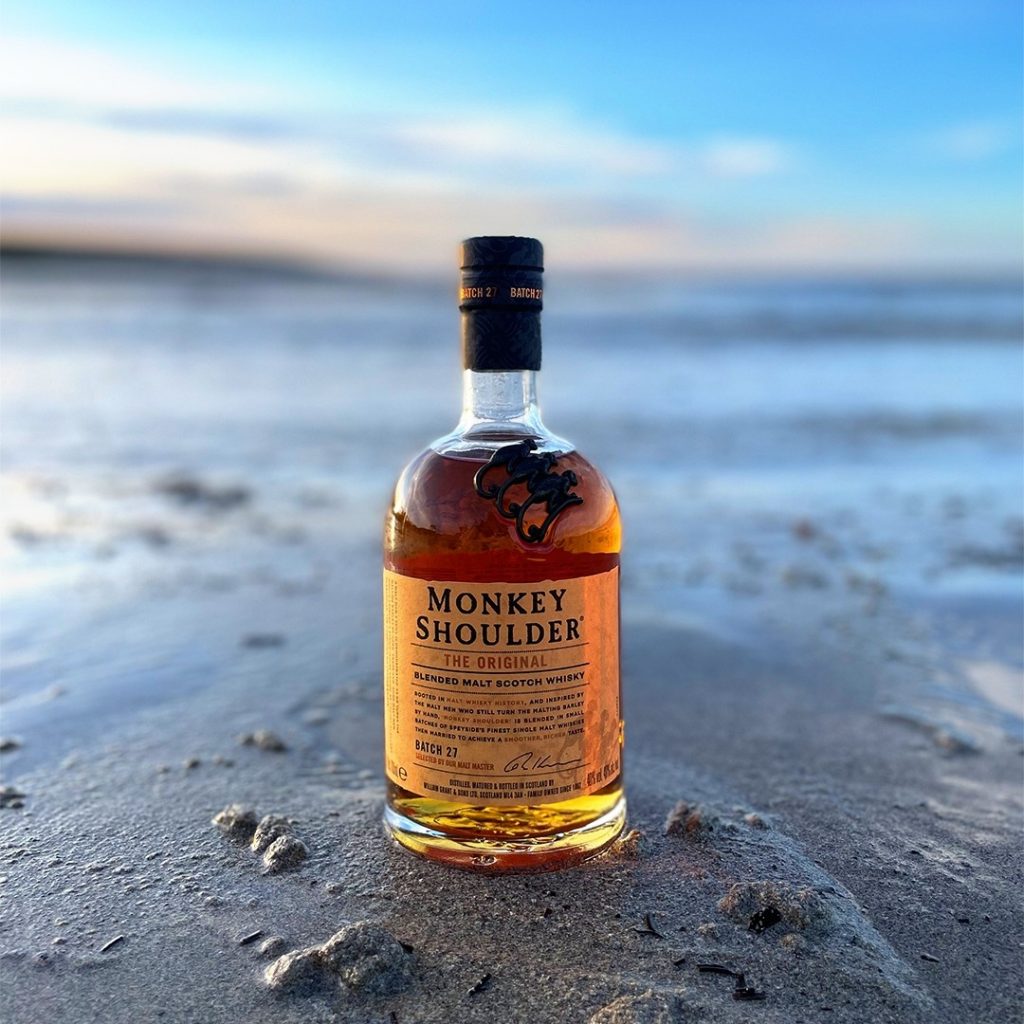
Blended Malt, by contrast, offers consistency and layered complexity. It can temper extremes and amplify subtleties. Where a Single Malt might present a bold smoky crescendo, a Blended Malt may render smoke as a measured undertone within a broader composition.
Also Read: Absinthe 101: Everything You Need To Know Before Your First Sip
Which Scotch Whisky Is Right for You
If you delight in exploring the individuality of distilleries, in comparing regions and dissecting nuance, Single Malt may be your natural companion. It rewards contemplative tasting and invites study. If, however, you appreciate balance and the artful interplay of flavours, Blended Malt offers a curated experience. It can be versatile, approachable and at times surprisingly intricate. Ultimately, the decision rests not in doctrine but in disposition. Do you seek the clarity of a solo performance, or the textured resonance of an ensemble? In the amber lexicon of Scotland, both voices deserve a place on your shelf.