

Few spirits arrive at the table with as much intrigue as absinthe. Before you even raise the glass, you are already in conversation with history, art, and scandal. Born in the late eighteenth century in Switzerland and later perfected in France, absinthe quickly became the muse of writers, painters, and poets who found in its emerald glow a certain rebellious romance. It earned the affectionate moniker of the green fairy, a name that suggests enchantment but also hints at the misunderstandings that would follow it for more than a century.
At its core, absinthe is a distilled spirit flavoured primarily with wormwood, anise, and fennel. The wormwood plant contains thujone, a compound that would later become the centre of controversy. Yet in its original formulation, absinthe was simply another herbal spirit, albeit one with a bold flavour and a higher proof than many of its contemporaries.
What Actually Goes Into Absinthe
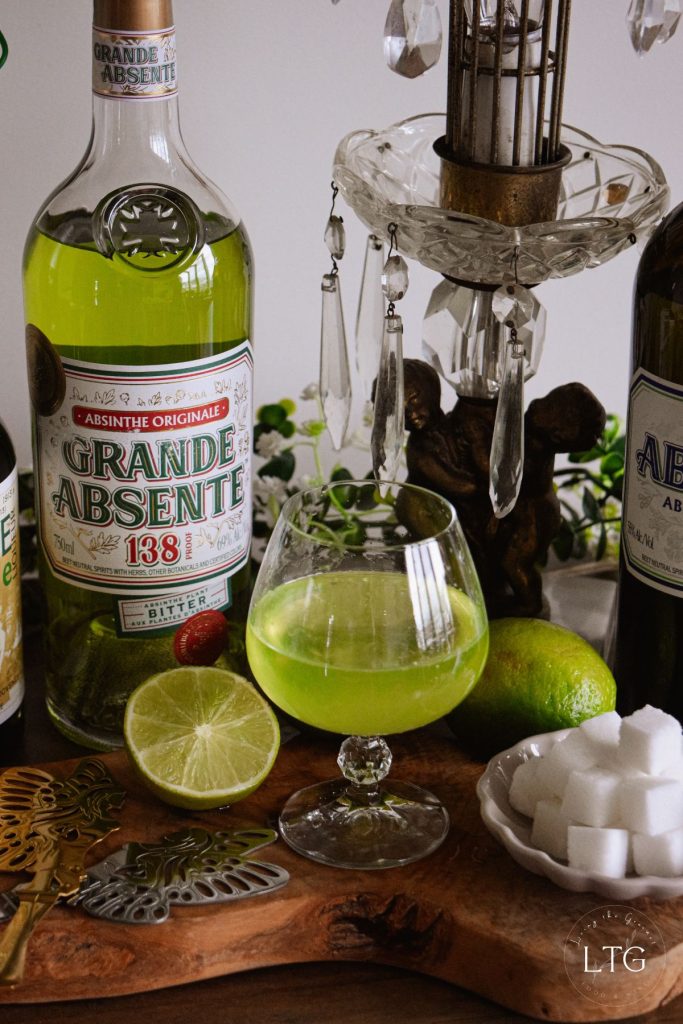
To understand absinthe is to appreciate its botanical composition. Traditional recipes begin with a neutral spirit that is redistilled with a trio often referred to as the holy trinity of absinthe, namely wormwood, green anise, and sweet fennel. This distillation extracts essential oils that give absinthe its distinctive aroma and flavour.
Some producers then perform a secondary maceration with additional herbs to impart the natural green hue and added complexity. Contrary to popular imagination, authentic absinthe is not artificially coloured neon green. In fact, it can range from pale chartreuse to a soft golden shade depending on aging and style. There are also clear versions known as blanche, which forego the colouring step altogether. The result is a spirit that is assertive, aromatic, and typically bottled at a formidable strength. Absinthe often exceeds forty five percent alcohol by volume, and sometimes climbs significantly higher.
The Ritual And The Louche
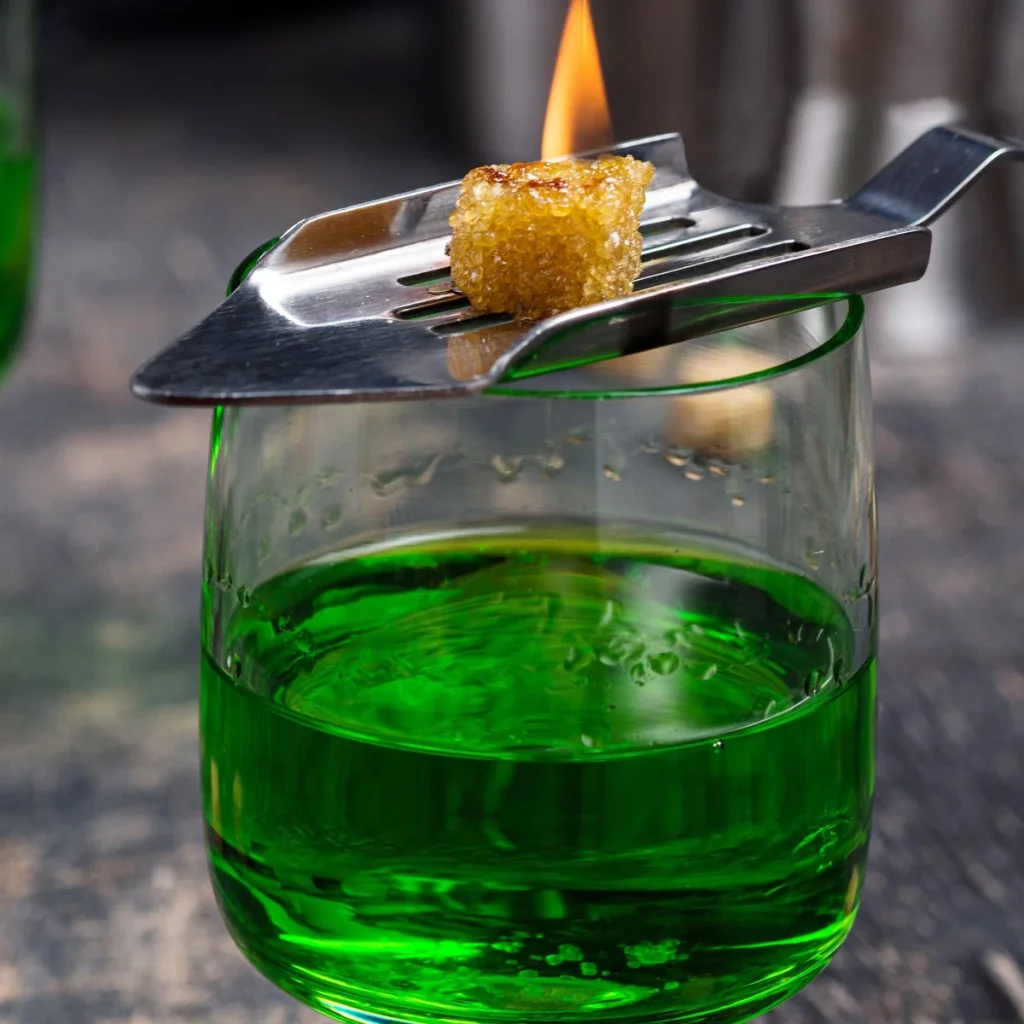
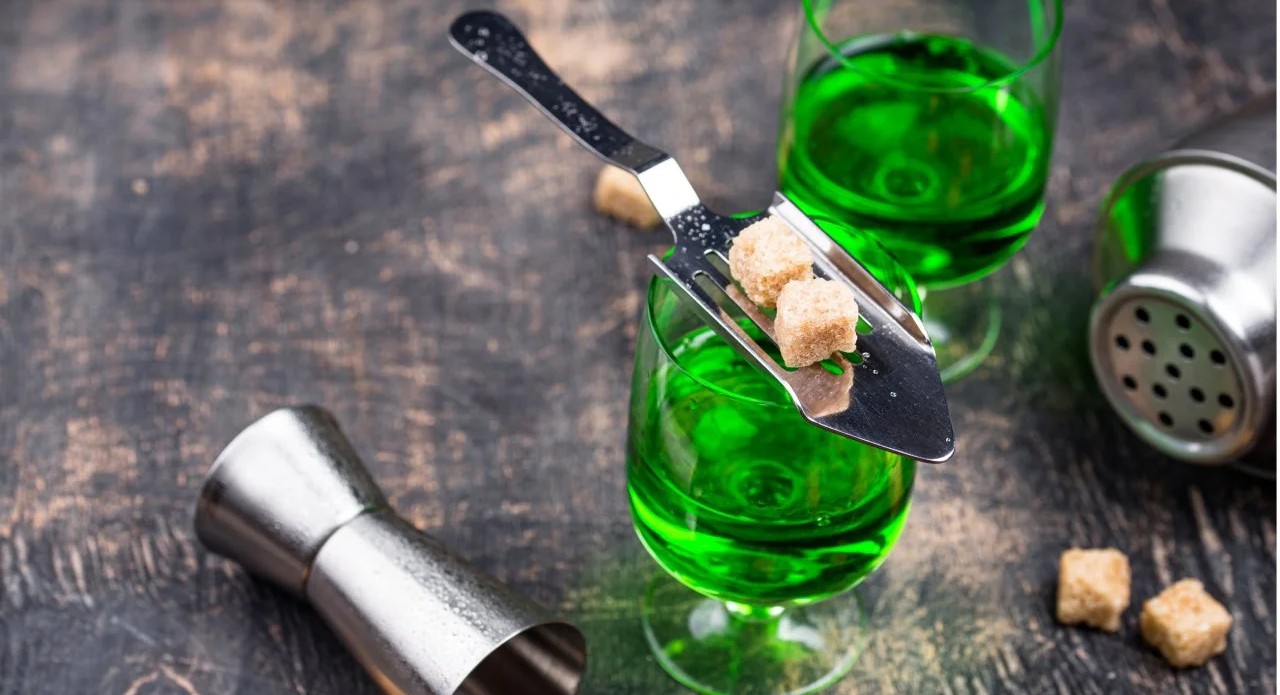
If you have seen absinthe prepared properly, you will know that it is not merely poured but performed. A measure of absinthe is placed in a glass, a perforated spoon rests atop it, and a sugar cube is balanced on the spoon. Ice cold water is then slowly dripped over the sugar, dissolving it and cascading into the spirit below.
As water meets absinthe, a transformation occurs. The liquid turns from clear green to a milky opalescence, a phenomenon known as the louche. This reaction happens because the essential oils from anise and fennel, soluble in alcohol, become insoluble when diluted. The clouding is not sorcery but chemistry, though one can forgive the uninitiated for thinking otherwise. Dilution is essential. Absinthe is not designed to be consumed neat. Water softens its intensity, releases its aromas, and reveals a layered profile of herbal sweetness, gentle bitterness, and lingering spice.
Hallucinations And Other Myths
No discussion of absinthe would be complete without addressing the myths that have clung to it like ivy on an old Parisian facade. The most persistent belief is that absinthe causes hallucinations or induces madness. This notion largely stems from early twentieth century moral panic and questionable scientific studies that exaggerated the effects of thujone.
In reality, the levels of thujone in both historic and modern absinthe are far too low to produce psychedelic effects. The supposed visions were more plausibly the result of excessive consumption of high proof alcohol. When absinthe was banned in several countries in the early nineteen hundreds, it was as much a casualty of temperance movements and political pressure as of any demonstrable danger. Today, absinthe is legal in many parts of the world, including the United States and across Europe, with strict regulations governing thujone content. The green fairy has returned, somewhat chastened but no less captivating.
Before Your First Sip
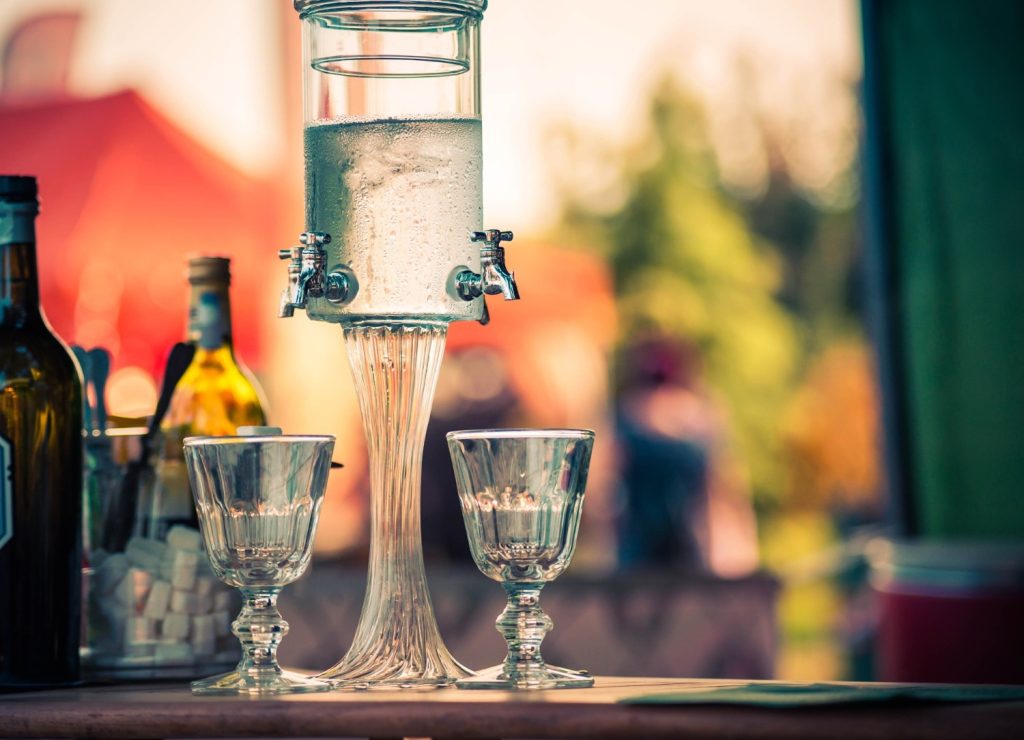
So, what should you expect before your first sip. Anticipate aroma before alcohol. The scent of anise will likely lead, reminiscent of licorice yet fresher and more herbal. On the palate, you may find a delicate balance between sweetness and bitterness, with wormwood providing structure rather than aggression.
Approach absinthe with patience and respect. Measure carefully, dilute properly, and savor slowly. It is not a spirit that rewards haste. Instead, it invites contemplation, perhaps even conversation. In the end, absinthe is neither a villain nor a miracle elixir. It is a meticulously crafted herbal spirit with a dramatic past and a distinctive character. To understand it is to separate myth from method, legend from liquid, and to discover that behind the stories and the scandal lies something far more interesting: a tradition of craftsmanship that has endured, clarified like the louche itself, into something both timeless and tantalising.