

After soaking in the laid-back charm of Chiang Rai, I found myself drawn to its equally captivating cousin, Chiang Mai. Having wandered through many islands across Southeast Asia, I’ve come to appreciate the peace and unhurried rhythm of mountain towns.
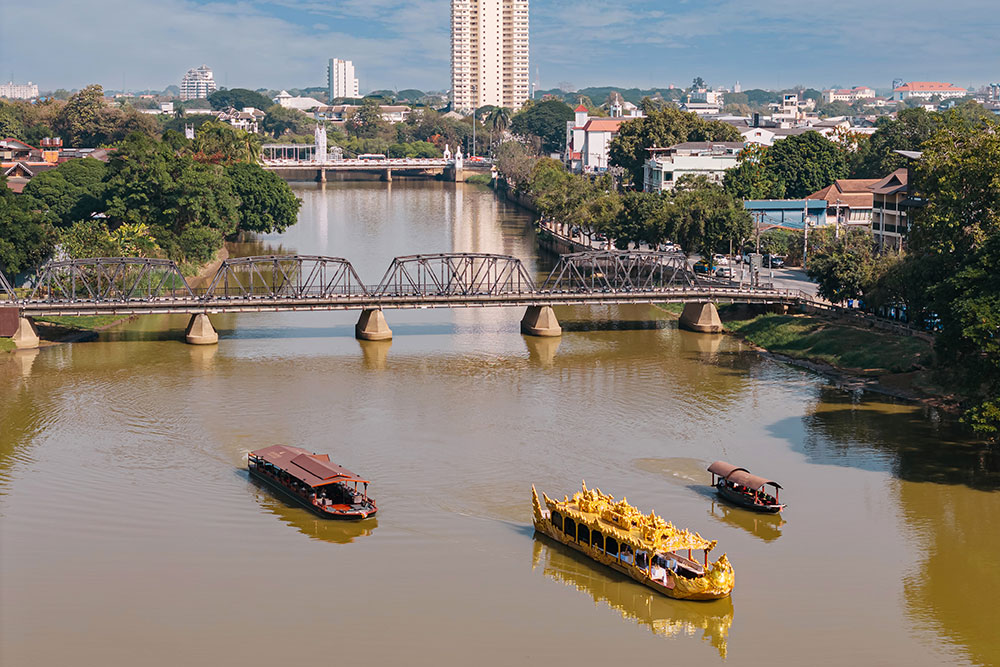
Chiang Mai enchants with its intricate temple architecture, lush jungles threaded with waterfalls, a culinary scene rich in northern flavours, and its distinctive Lanna heritage. Yet beyond its beauty and cultural depth, it offers something rarer — quiet moments away from the party crowds.
It is a destination suited equally to solo travellers seeking serenity and families in search of meaningful time together. I chose the latter — and the experience felt all the richer for it.
A Sanctuary By The River
Just a short 15-minute drive from Chiang Mai International Airport, our home for the stay — Anantara Chiang Mai Resort — sits along the tranquil banks of the Mae Ping River. There were no formalities at first — only a glass of Inthakin Bucha. Toasted tea, sugarcane, and fragrant jasmine smoke, served alongside dried mango.
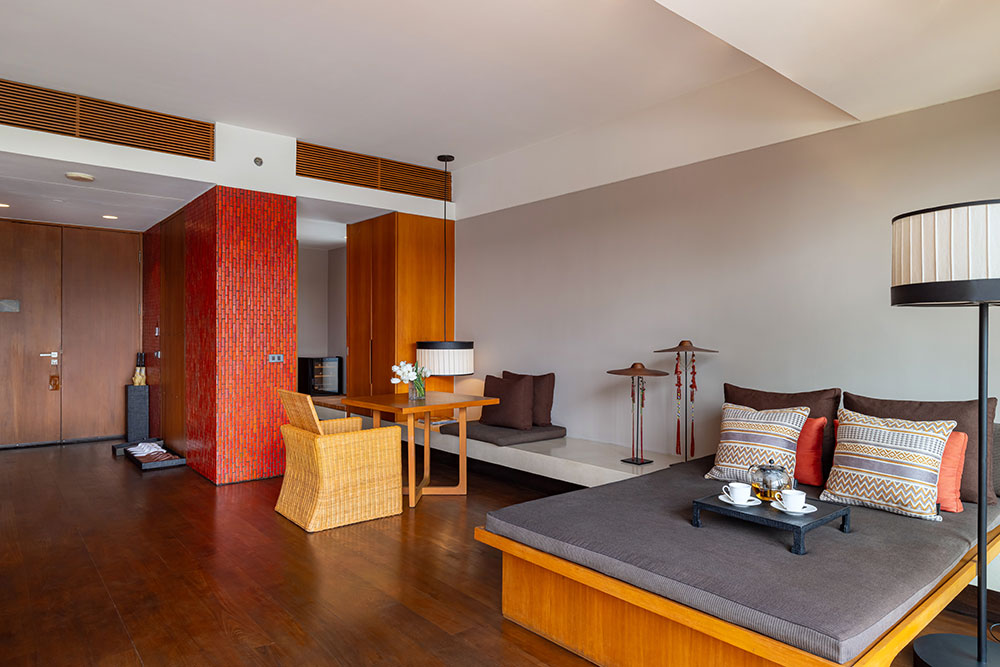
Here, our River View Suite invited relaxation from the moment we stepped inside. The brick-walled foyer opened into a spacious living room and bedroom cleverly linked by a rotating television that pivoted between the two spaces. A coffee machine stood ready for my morning espresso ritual, while the bath area — complete with a sculpted stone tub and rain shower — promised long, indulgent soaks.
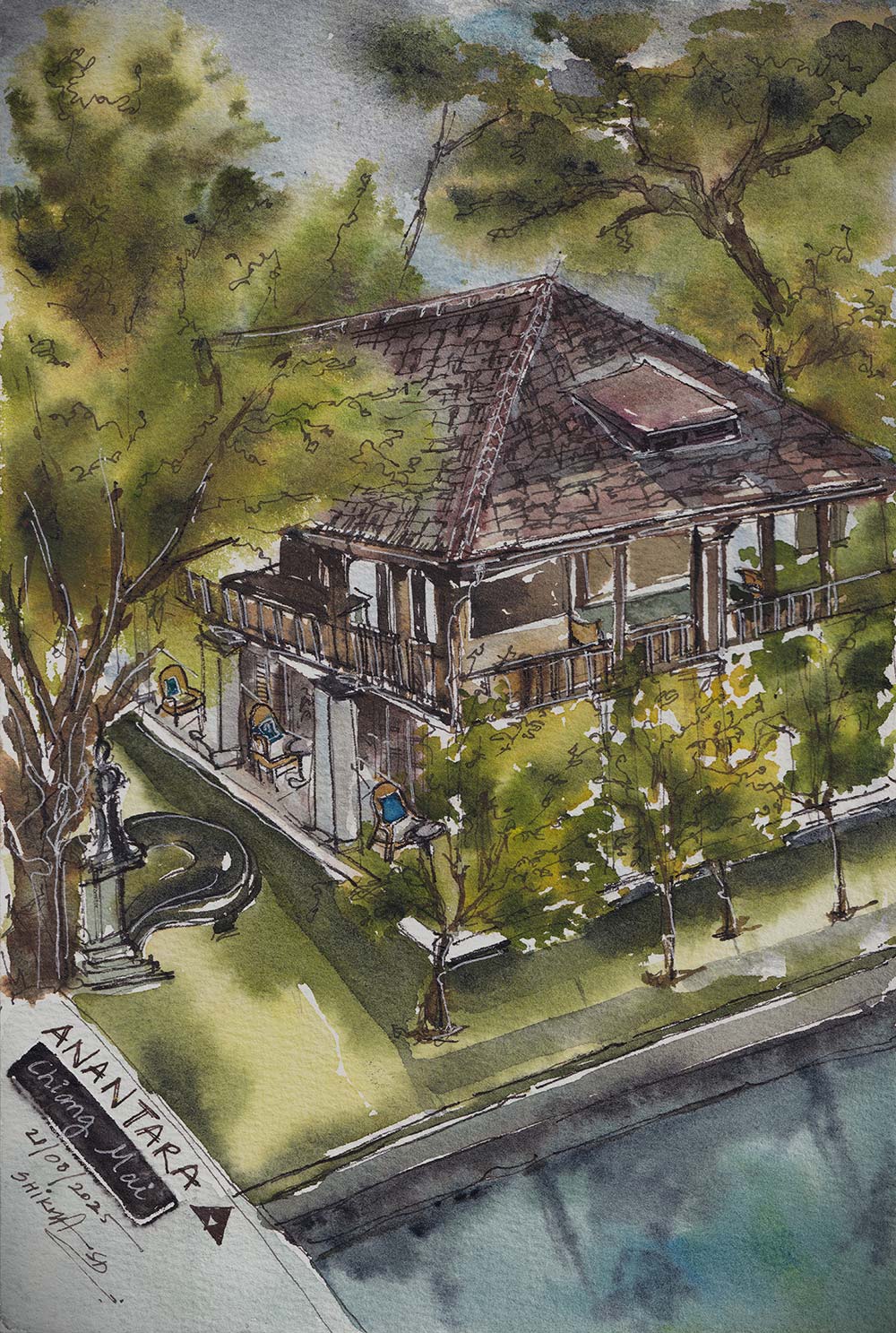
Sunlight streamed through floor-to-ceiling windows, revealing the slow, murky sweep of the Mae Ping River. From our balcony, we could gaze upon the former British Consulate, which sits at the heart of the resort and exudes colonial charm — a historic presence seamlessly woven with local Lanna motifs and modern minimalist design by legendary architect Kerry Hill. Furnished with a coffee table and daybed, our suite balcony quickly became my favourite place to sketch, as afternoons softened into golden sunsets.
Within The Walls Of Chiang Mai’s Old City
Our introduction to Chiang Mai began with a breezy tuk-tuk ride from the hotel to the heart of the Old City, where centuries-old walls rise behind a wide moat. Built in the late 13th century by King Mengrai, founder of the Lanna Kingdom, these square-shaped fortifications once formed the city’s first line of defence. Five gates — Tha Phae, Chiang Mai (Suan Dok), Chang Phueak, Suan Dok and Mae Ping — punctuated the walls, each with its own story. Today, the moat still traces the city’s edges, quietly shaping its waterways and rhythms of life.
Also Read: Dear Japan, I Will Be Back
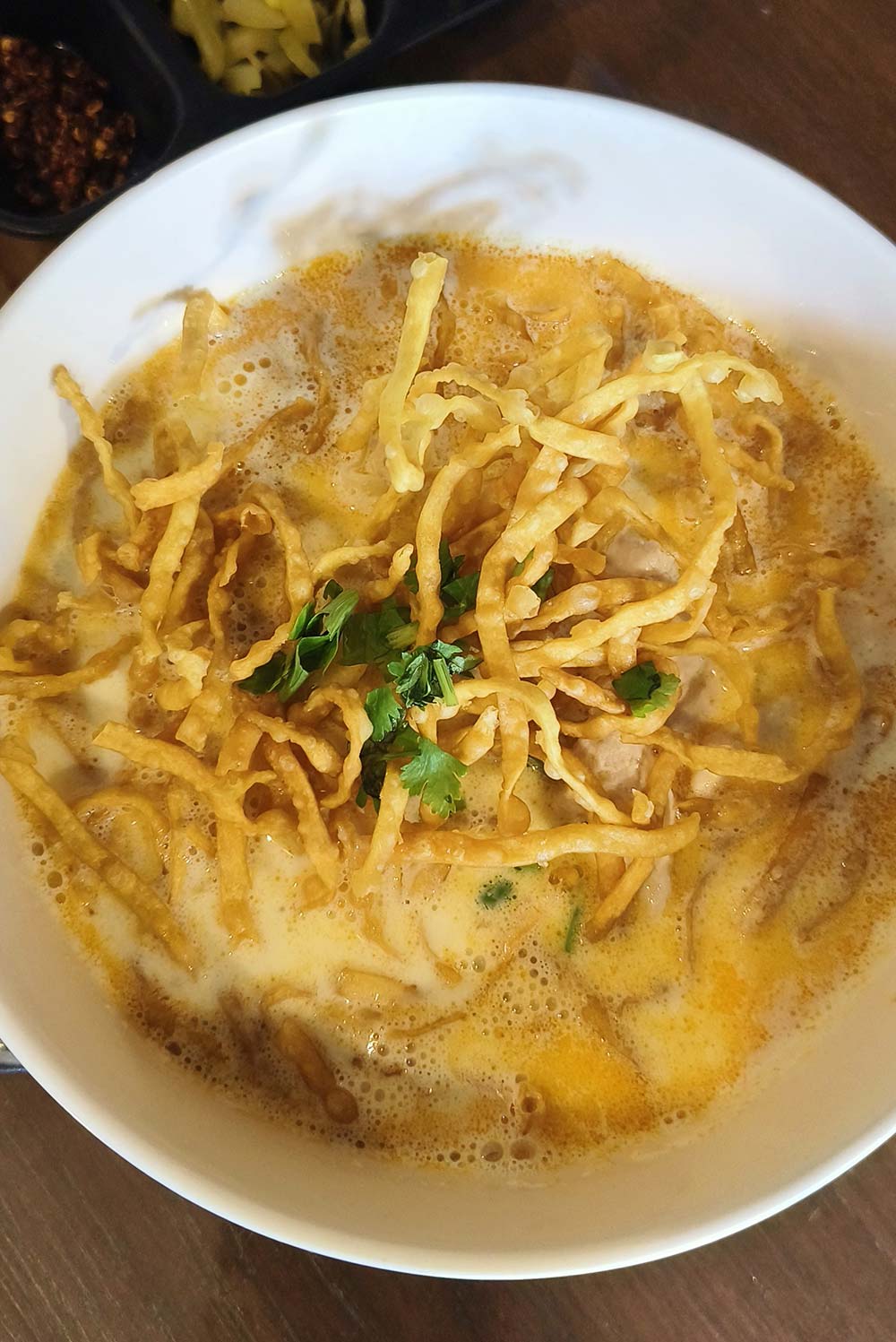
Before we began exploring, hunger intervened. Along Prapokklao Road, we found Café de Thaan Aoan, a cosy local spot where we shared a plate of Pad Thai and Chiang Mai’s signature Khao Soi — a rich coconut curry noodle soup influenced by Burmese cuisine, layered with sweet, spicy and tangy notes. We washed down the meal with fresh coconut water; perfect fuel on a scorching afternoon.
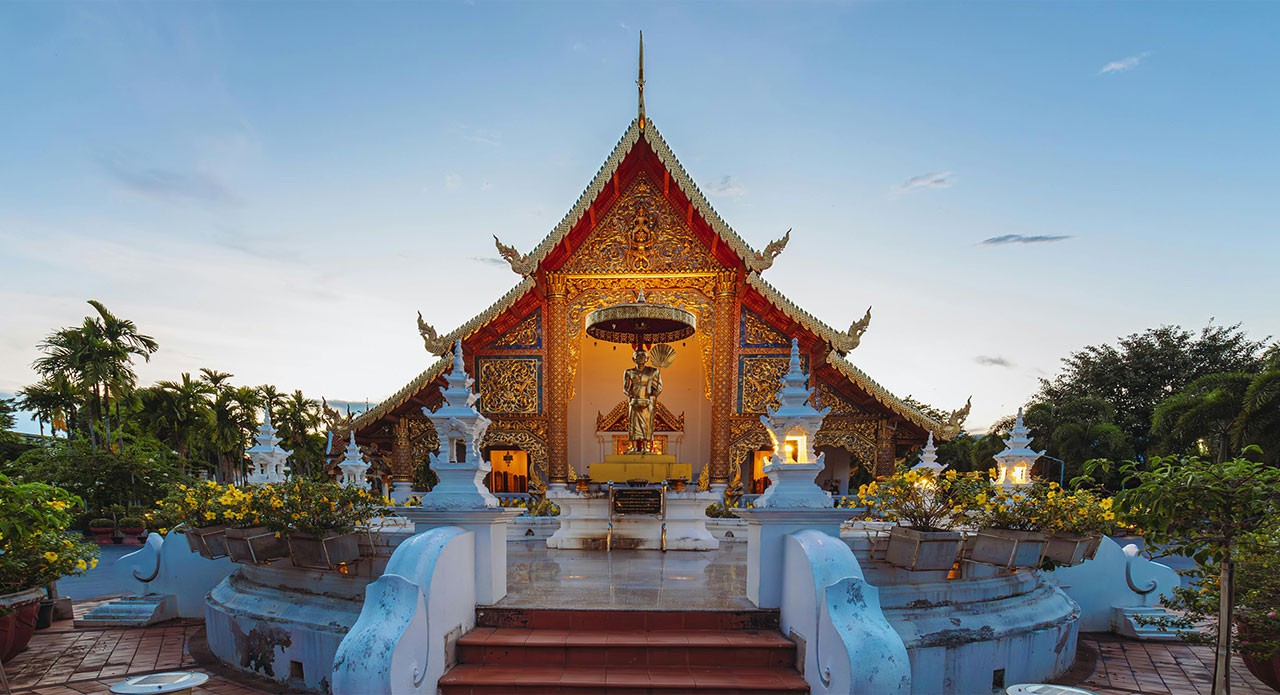
Revived, we wandered through the Old City’s narrow streets where temples revealed the delicate artistry of Lanna architecture with golden stupas, sloping roofs, and staircases lined with naga statues. We visited Wat Phra Singh, home to the revered Phra Singh Buddha; Wat Chedi Luang, with its towering ruined chedi; and Wat Chiang Man, the oldest temple in the city.
By chance, we stumbled upon KALM – Museum of Makers, a vibrant space celebrating Thai textiles, jewellery, ceramics and conscious fashion. Workshops and artist residencies give the museum a lively, creative energy. After exploring the exhibits, we hung out in its leafy courtyard before continuing our walk.
Also Read: Confessions Of A Spa Gazer At Chiva-Som Hua Hin Wellness Resort, Thailand
The Old City is filled with small shops selling everything from clothing to charming keepsakes that reflect its character. We picked up breezy cotton pants and handmade elephant keychains before rounding off our stroll and heading back to the hotel.
A Gentle Morning Aboard The Jaoping River Cruise
After a hearty Asian-inspired breakfast at Anantara Chiang Mai, we boarded a traditional wooden boat at the resort’s private jetty and set out along the Mae Ping River, the city’s lifeline for centuries.
We drifted beneath Khua Lek, Nawarat Bridge and Chansom Memorial Bridge as our guide pointed out landmarks along the banks: the jewel-toned façade of Pung Thao Kong Shrine, the early stirrings of Warorot Market, and riverside cafés setting out their first tables of the day.
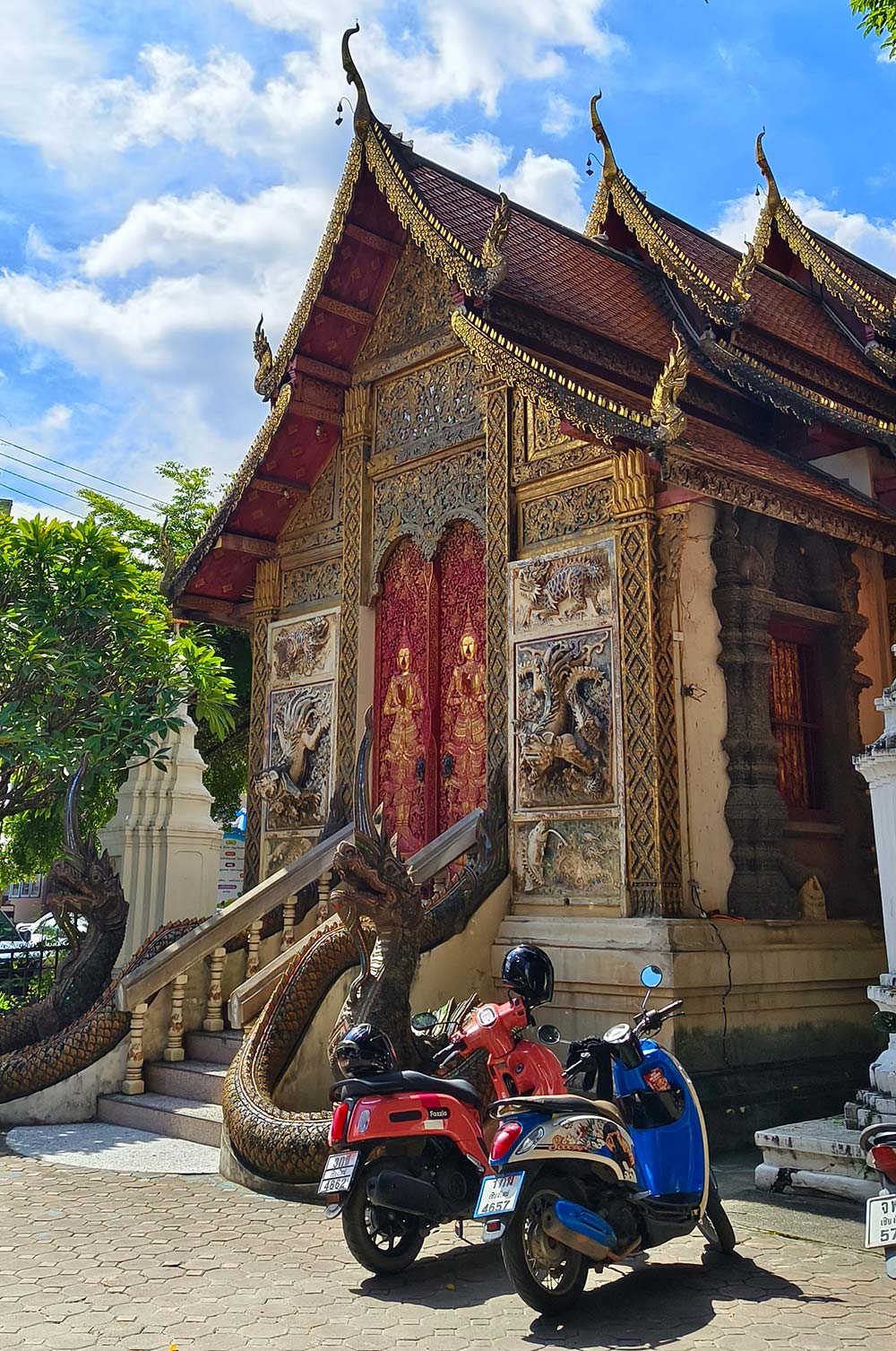
We stepped ashore at Wat Ket Karam, a temple anchoring a neighbourhood that once thrived as a bustling trading port linking Bangkok with northern Siam before the railway era. Within the temple grounds, we offered alms and received a quiet blessing — a small ritual that seemed to suspend time. Tucked into a corner of the temple is a striking collection of porcelain teacups, cute ceramic dolls, carved woodwork, and curious everyday objects, arranged in an almost chaotic display. It’s definitely worth a look!
Though Chiang Mai was founded in 1296, the Wat Ket neighbourhood flourished in the late 19th and early 20th centuries when teak traders, Western missionaries and Chinese merchants transformed this stretch of the Ping River into a cosmopolitan hub. The streets read like an architectural archive: wooden shopfronts, colonial balconies and heritage homes such as Baan Orapin and Baan Sri Sao Hok Sao — reminders of a community where Buddhist, Muslim, Christian and Sikh families once lived and prospered side by side.
Food alone makes the neighbourhood interesting! At Lung Khajohn Wat Ket, a Bib Gourmand-recognised family eatery, delicate Khao Kriap Pak Maw (Steamed rice-skin dumplings filled with minced pork and sweet turnip) and Sakoo Sai Moo (Steamed tapioca balls with minced pork) arrived freshly made, their dumpling skins impossibly tender.
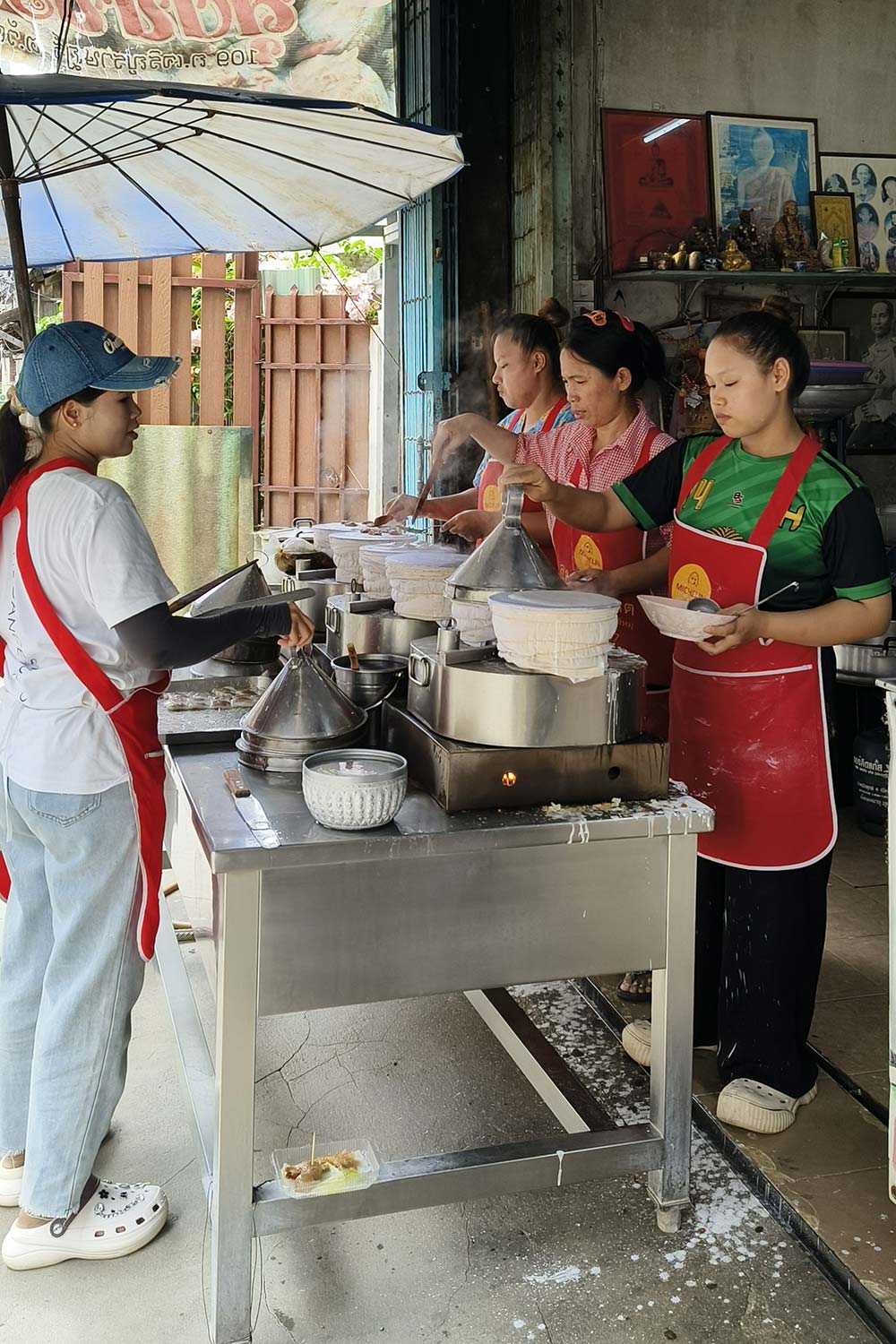
Next door, Café Baan Piemsuk served a silky coconut cream pie paired with fragrant coconut coffee — a fitting finale to a morning shaped by history.
British Ritual, Chinese Soul
While many travellers have experienced classic British afternoon tea in the UK, Chiang Mai offers something rarer — a Chinese-inspired interpretation of the ritual set within a century-old mansion.
Also Read: A Weekend Getaway To The Luxurious Rayavadee In Krabi, Thailand
At Anantara Chiang Mai Resort, the former British Consulate now houses The Verandah at 1921 House. With polished wooden ceilings and mustard-tapestry chairs, the space feels like a living heirloom. Here, Executive Chef Natruthai Petsuwan and Chef Pongsakorn Jiarasat of Jia Tong Heng — one of the city’s oldest Chinese restaurants — offer a menu that feels both nostalgic and inventive.
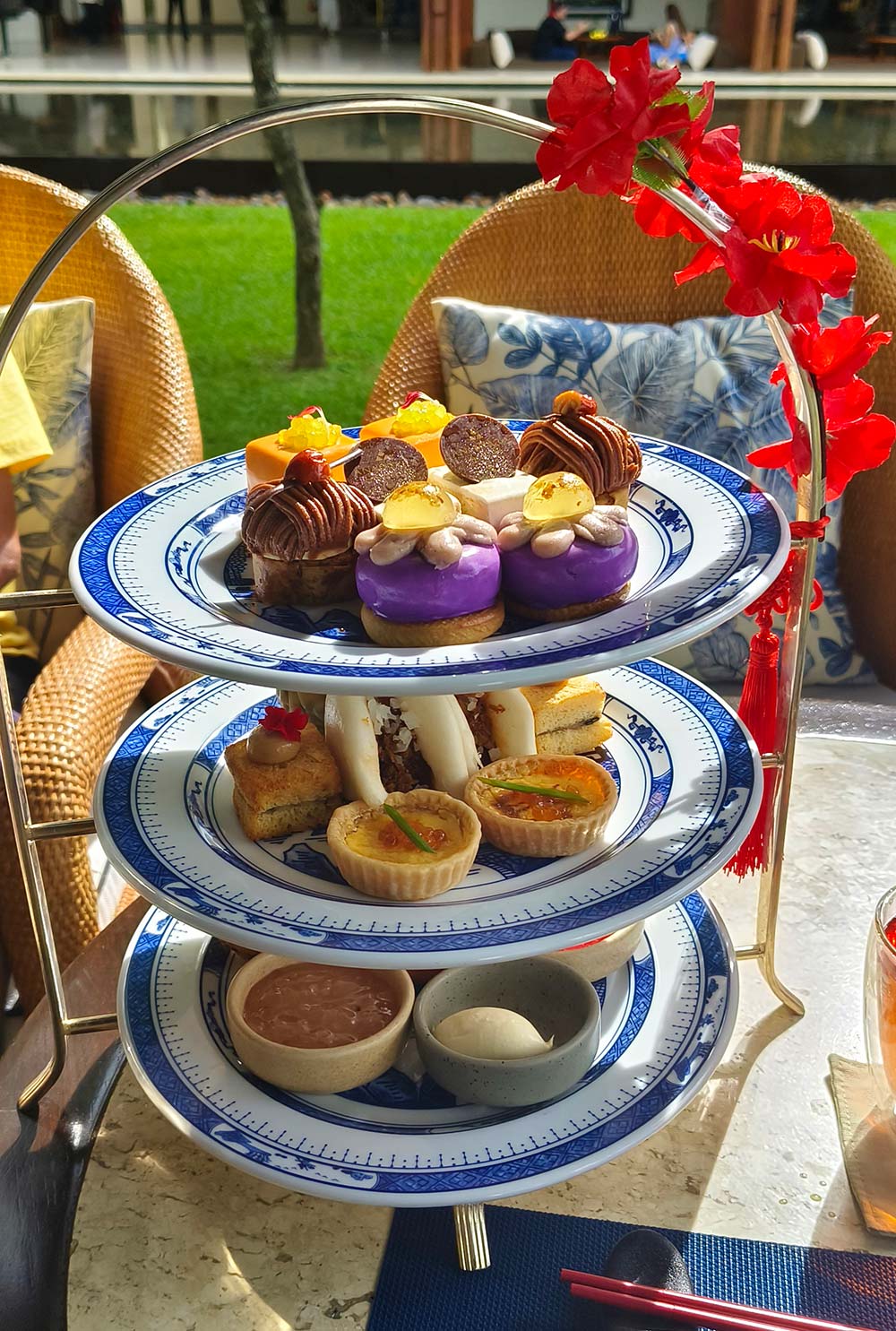
Tier by tier, the stand revealed its treasures: English cucumber with minted crème fraîche; crab cake with Marie Rose sauce and an array of finger sandwiches. The scones arrived warm, accompanied by Devonshire clotted cream, local preserves and fresh juices. For drinks, we were given a choice of Thai monsoon teas, a coffee menu, and artful mocktails. More than the menu, it was the leisurely pace that defined the afternoon — sunlight on manicured lawns, cups of tea, and a warm family conversation as time seemed to pause.
The Monk’s Trail To Wat Pha Lat
On a whim — the kind travel often inspires — we set our alarms before dawn to hike the Monk’s Trail to Wat Pha Lat. By 6 a.m., we were at the modest trailhead just outside Chiang Mai. For centuries, monks and pilgrims have walked this route, climbing toward Wat Phra That Doi Suthep and descending each morning to collect alms in the city.
The hike takes about 40 minutes along a forest path that winds through dense jungle, moss-covered rocks, and trickling waterfalls. In those early hours, the trail felt almost secret. Emerging from the canopy, we saw the temple like a hidden sanctuary: ancient stone structures, intricately carved shrines, and moss-covered Buddha statues guarded by large stone lions.
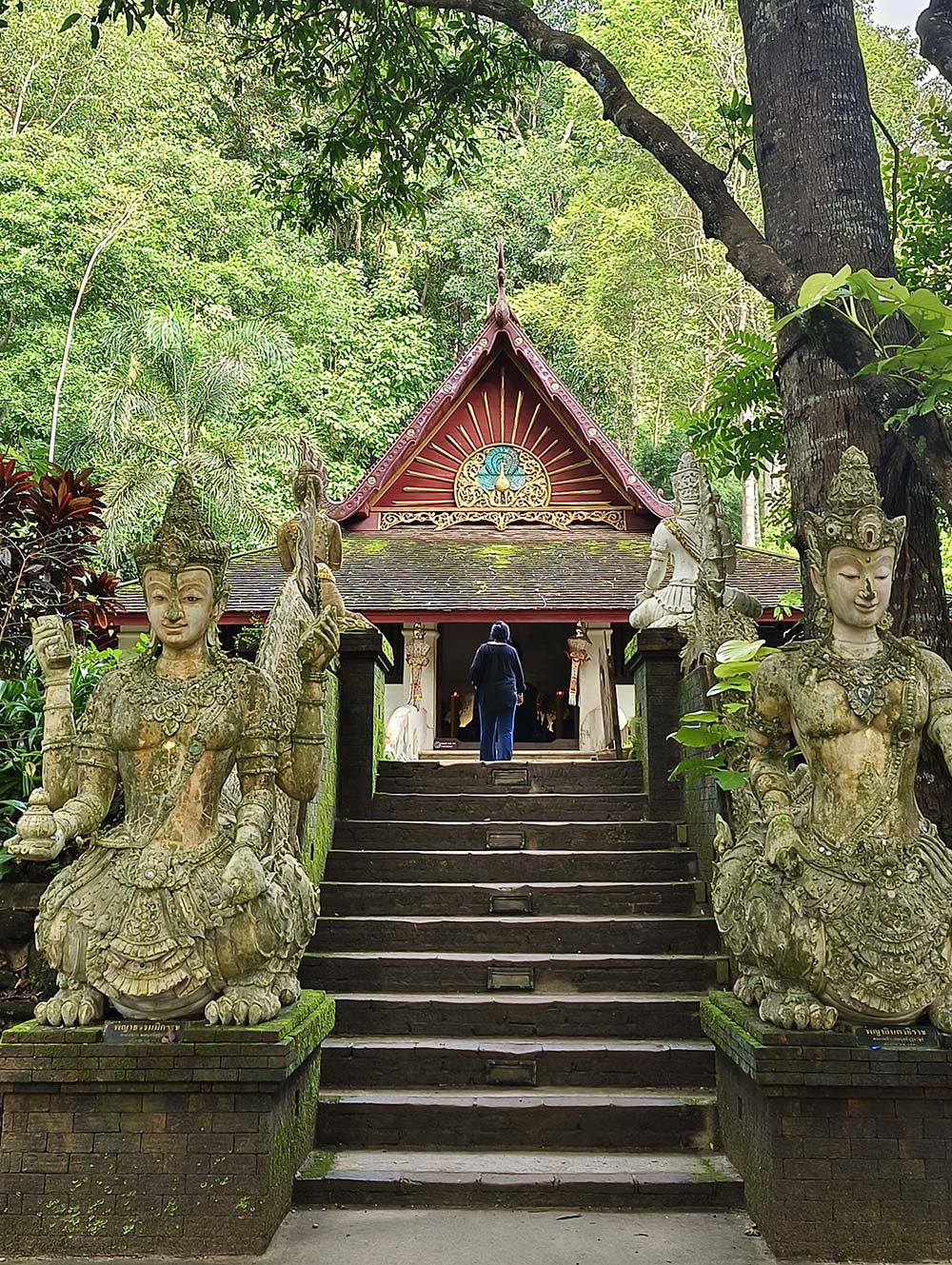
Legend has it that in the 14th century, a monk named Sumanathera brought a sacred relic — believed to be a fragment of the Buddha’s shoulder bone — from Sukhothai to the Lanna Kingdom. Placed on the back of a white elephant, the relic was released into the mountains. Midway, the elephant paused beside a waterfall — the very spot where Wat Pha Lat now stands — before continuing to the summit, trumpeting three times and collapsing. King Kuena took this as a divine sign and ordered the construction of Doi Suthep in 1383.
Wat Pha Lat may not be Chiang Mai’s grandest temple, but it feels like one of its most serene. As an active monastery, visitors are expected to dress modestly, especially if they wish to enter the complex.
Bamboo Rafting In Mae Taeng River
Some experiences feel joyful in their simplicity. Bamboo rafting on the Mae Taeng River is one of them. We left Anantara Chiang Mai Resort one morning and drove north toward the river, leaving the city behind.
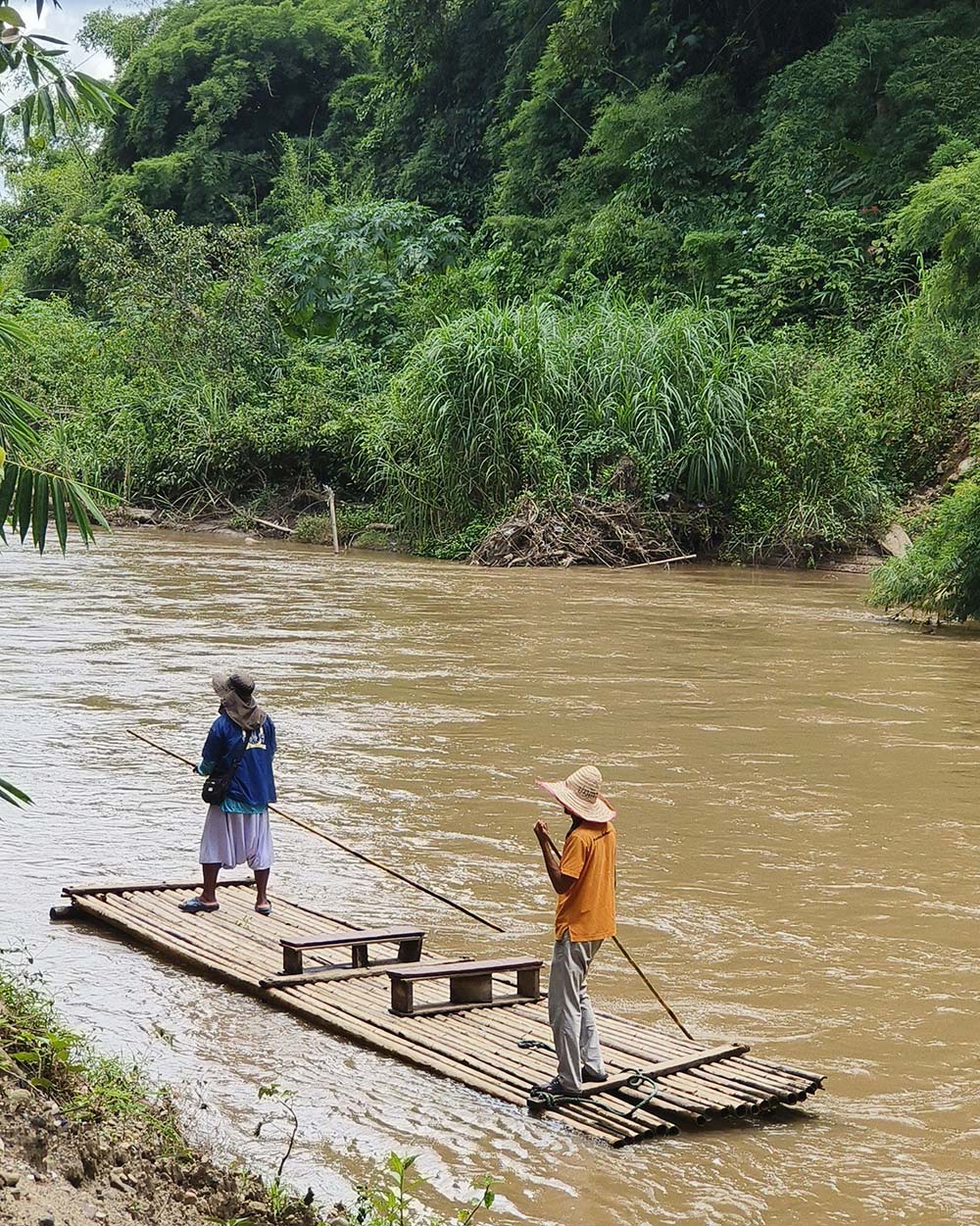
Our bamboo raft waited at the riverbank, gently bobbing on the current. Once aboard, we popped open a local beer and let the morning breeze carry us downstream. The forest smelled earthy, cool water brushed our hands, and sunlight warmed our skin.
The river soon revealed the gentle giants: elephants. Mothers and calves splashed playfully while others grazed along the banks, trunks curling and swaying. Watching them in this tranquil landscape felt somehow calming — a glimpse of life moving slowly and naturally.
Night Markets, Artisan Villages And More
Chiang Mai’s charm stretches well beyond the Old City.
A short taxi ride from Anantara Chiang Mai brought us to the Mae Kha Canal, a once-polluted waterway transformed into a peaceful pedestrian promenade. Walking paths follow the canal while cafés spill onto the banks and street art brightens the walls. Locals sell handicrafts — scarves, bags and colourful accessories — turning the area into a lively creative corridor.
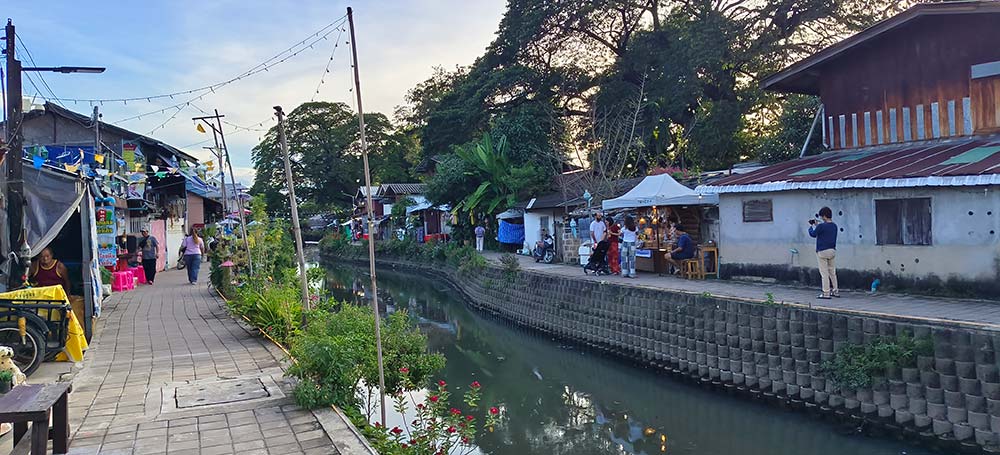
As evening falls, however, Chiang Mai reveals yet another side: its night markets.
Right across from our hotel is Anusarn Market and its buzzing surrounding streets. The atmosphere is a sensory tapestry — skewers sizzling over charcoal, fragrant curries steaming from food stalls, jewellery glittering under warm lights, and cotton textiles and clothing displayed in riotous colour. Local musicians sometimes perform in the middle of the walkway while shoppers weave around them. We sampled Thai mango salad and coconut ice cream served in a coconut shell, topped with fresh coconut meat and peanuts.
We even watched artisans at their stalls, happily demonstrating and explaining their craft. One of them was selling tiny tuk-tuks crafted entirely from recycled beer cans. The level of detail was astonishing — each miniature vehicle complete with wheels, handlebars, and even tiny seats, all gleaming with the designs of the original cans. Bargaining is part of the rhythm — friendly, playful and often worthwhile if you’re buying several pieces.
Chiang Mai’s markets reward aimless sauntering. But the true pleasure lies in tasting unfamiliar dishes, chatting with stallholders, and letting the lively flow of the crowd guide you.
STAY AT:
Anantara Chiang Mai, Mueang Chiang Mai District
Tariff starts at: INR 27,000 per room per night for two (Includes breakfast). Tariffs may vary with the season.