

“Oki-na-woa,” in Lotha, means “go from home”.
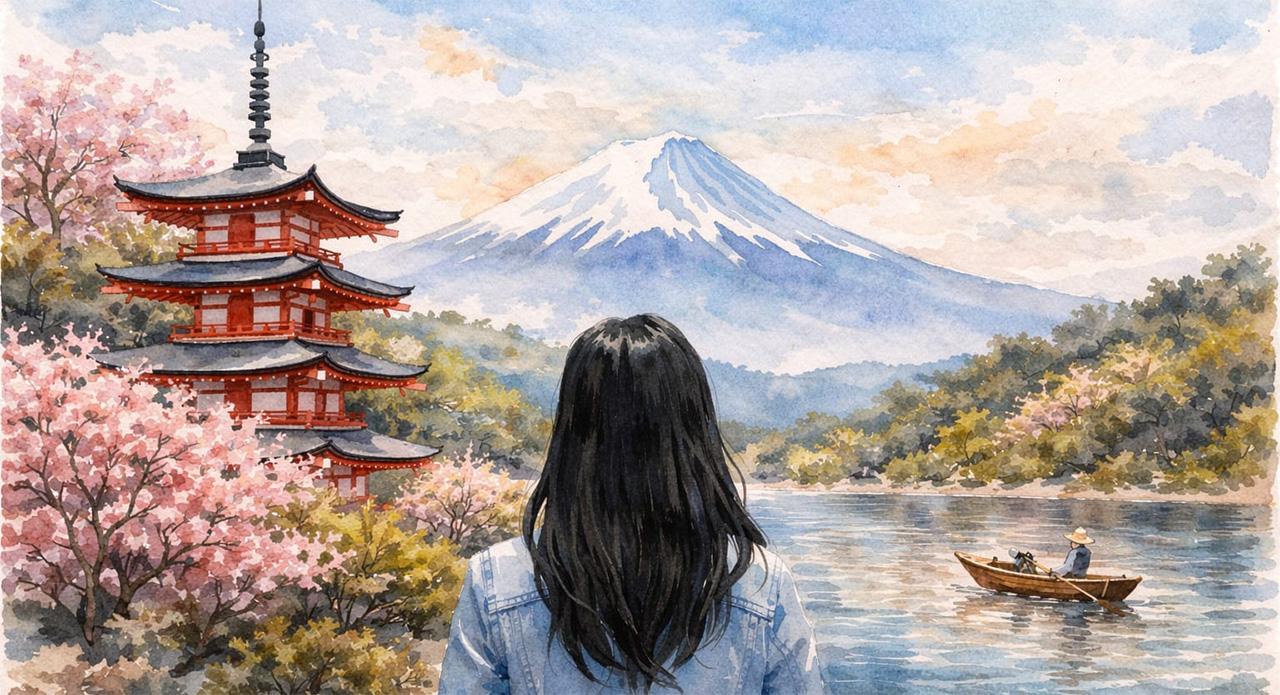
I thought of that word while standing in the middle of Kiyosumi, a traditional Japanese garden, thousands of kilometres away from home, feeling an unexpected closeness to something I could not yet name. Time did something strange that afternoon. All around me, greenery stretched out in gentle abundance, touched lightly by soothing shades of orange and yellow – the first hints of autumn settling in. Above, a wide blue sky carried soft white clouds, while grey stones lay scattered like deliberate accents in a perfectly composed frame. The water shimmered green. On one of the rocks, a turtle basked in the sun, utterly unbothered by the world.
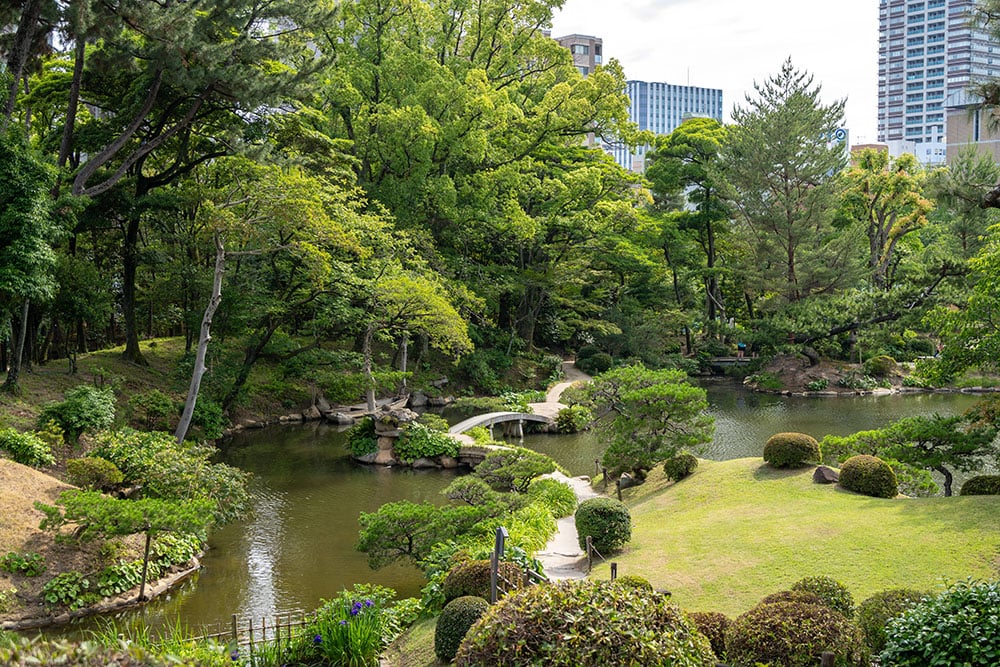
For a moment, right there, I could hear the garden in its entirety. Birds chirping, branches rustling, leaves whispering to one another. Across from me, an elderly man sat on a wooden bench, opening his bento box with care. He unfolded his napkin, lifted his chopsticks, and settled into his meal. We did not acknowledge each other, yet we shared the same silence. For once, my mind offered nothing. I let the moment stay as it was.
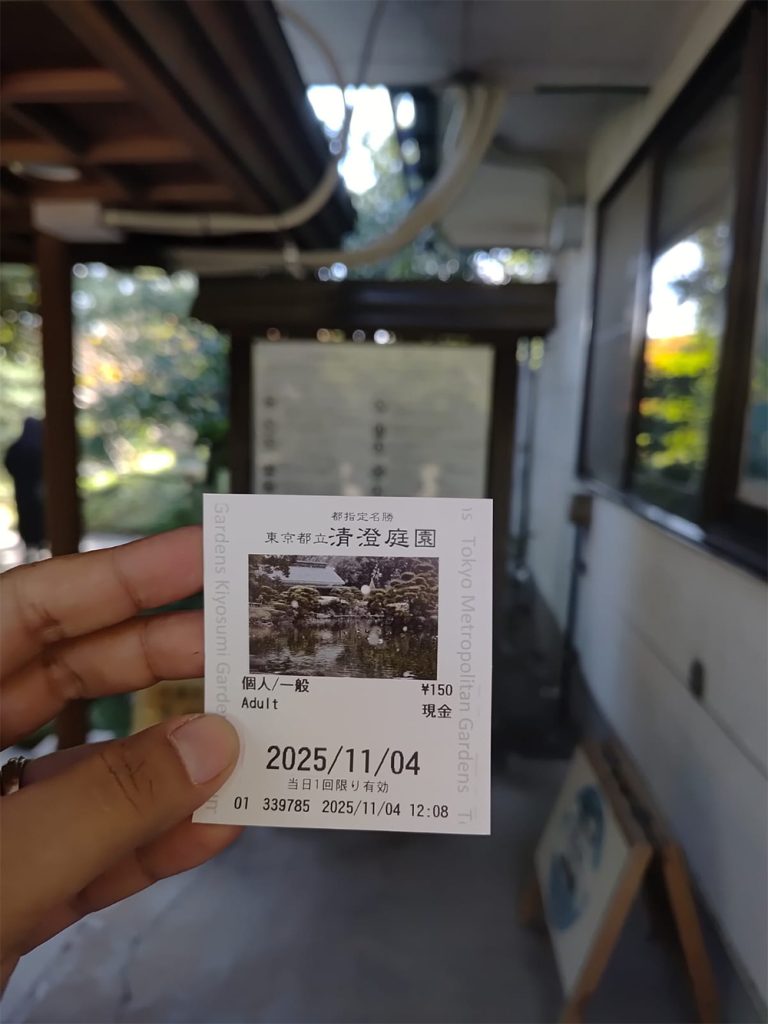
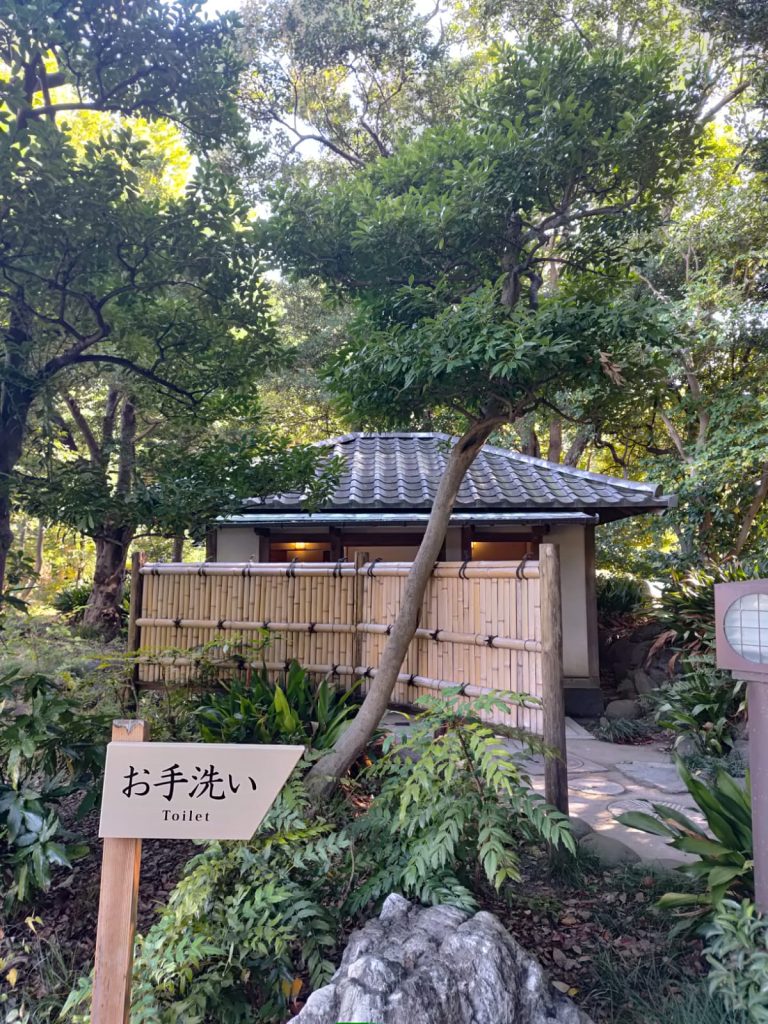
What felt like barely a minute was, in truth, almost half an hour. When I finally stood up to leave, it was with hesitation. I followed the narrow gravel path toward the exit. I passed persimmon trees heavy with fruits, a traditional bamboo toilet tucked modestly among the greenery, and a Sukiya-style teahouse built in 1909, once meant to entertain guests. And suddenly, it felt like home.
Also Read: 15 Japanese Etiquette Every Traveller Must Know Before Visiting Japan This Winter
Home, as I had known it all my life. The bamboo structures, the large stone tsukabais or water basins used to store water, the long wooden ladles carved deep at the end to scoop it – these were not foreign objects to me. These were the images of my childhood, of visiting my grandparents’ village during summer and winter vacations. As I crossed these structures, I felt the urge to message my uncle, a professor at IGNOU and someone deeply invested in preserving roots and ways of life. I sent him pictures. Almost immediately, he replied, saying the teahouse looked remarkably like his home in Mekokla, a small hamlet in Nagaland.
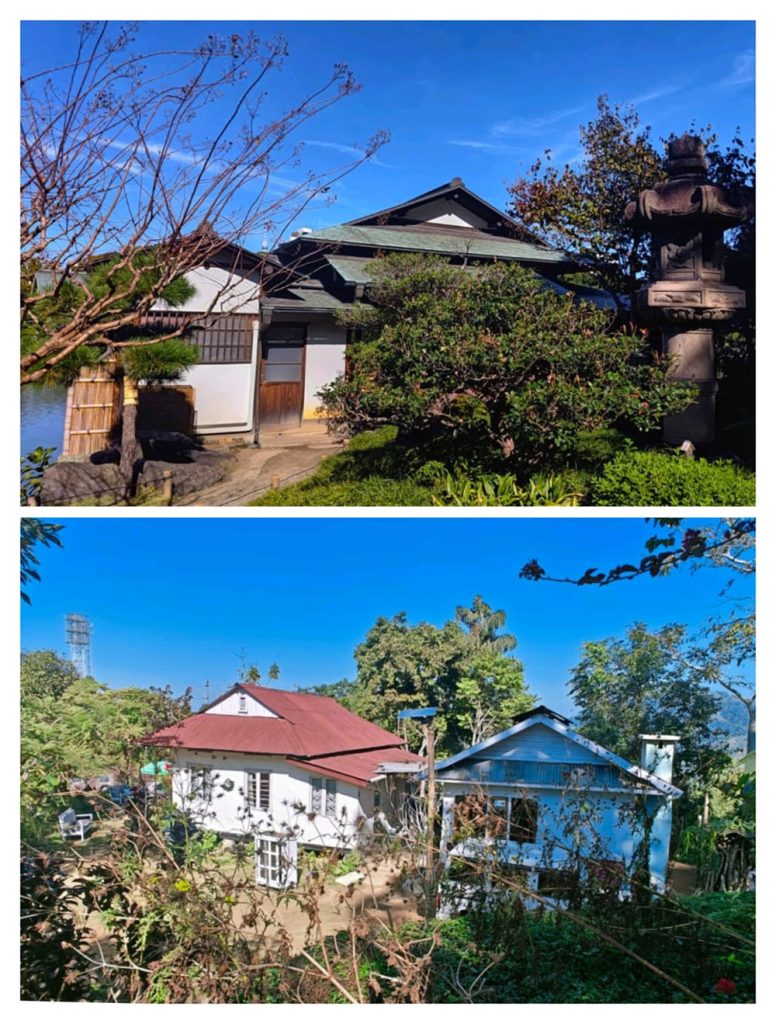
Then he added, “Japan tona Naga toji elum esuta kana” – in our Lotha dialect, meaning, the Japanese and us Nagas are so similar. (The Nagas, for context, are a group of indigenous communities from Nagaland, of which Lotha is one.) But what he said next followed me through the rest of my journey, and later becoming an icebreaker every time I met someone new. He reminded me that even the languages carry echoes. In Lotha, “Oki-na-woa” means “go from home.” And in Japan, there exists the beautiful island chain of Okinawa.
All of this is to say Japan felt like home almost immediately. Or perhaps home, I realised, isn’t always about where you’re from. Sometimes it’s about where your spirit feels at home.
Things To Do In Tokyo For A First-Time Traveller
Destination 1: Tokyo
My first stop was Tokyo, a city astonishingly modern in its architecture, skyscrapers, design, and technology, yet grounded at its core. Everything had structure. There was no honking. People waited patiently at crossings. Salarymen moved quietly through their routines. Order was simply understood. My room offered what felt like the most epic view in all of Japan.
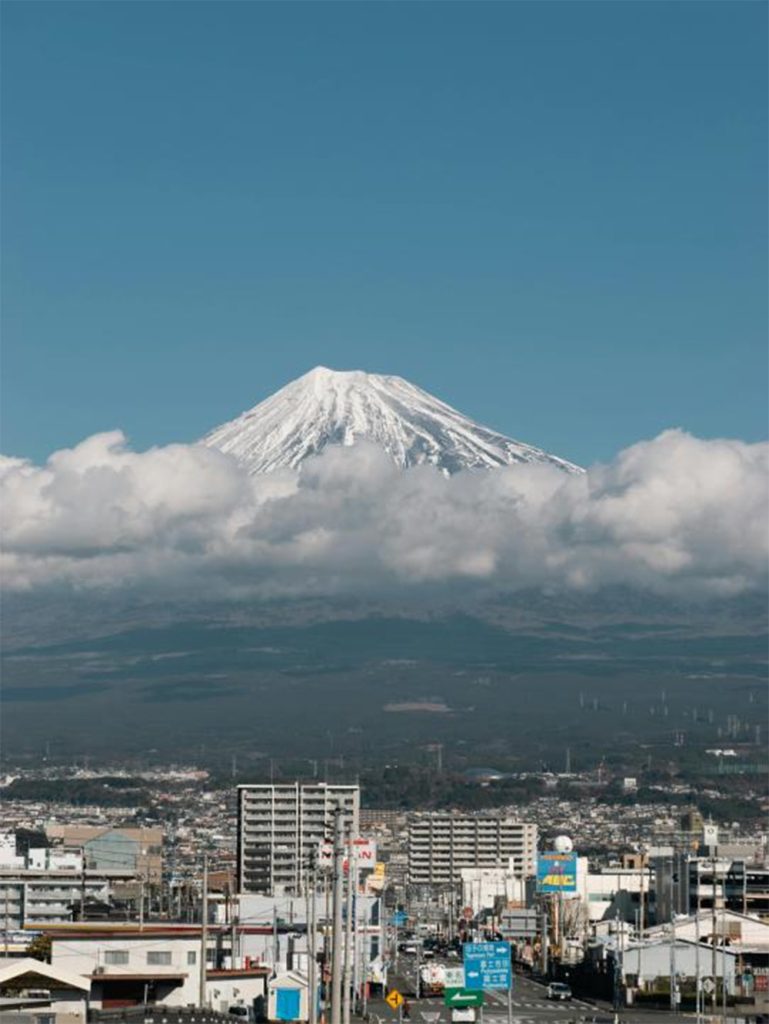
Early mornings meant waking to soft sunlight brushing my face, with Mount Fuji visible in the distance, gently beckoning me awake. I stayed at the Four Seasons Hotel Tokyo at Otemachi, which, like much of Tokyo, balances contemporary elegance with traditional Japanese aesthetics. Modern lines softened by traditional elements, impeccable hospitality, and some of the best views in the city. It was everything a first-time visitor to Japan could hope for.

Since I arrived in the late afternoon, I spent my first evening exploring Tokyo Ramen Street at Tokyo Station, a destination that had lived in my imagination long before, thanks to countless Instagram reels. Tucked into the station’s underground maze, it’s a stretch of famous noodle shops, each fiercely loyal to its craft.
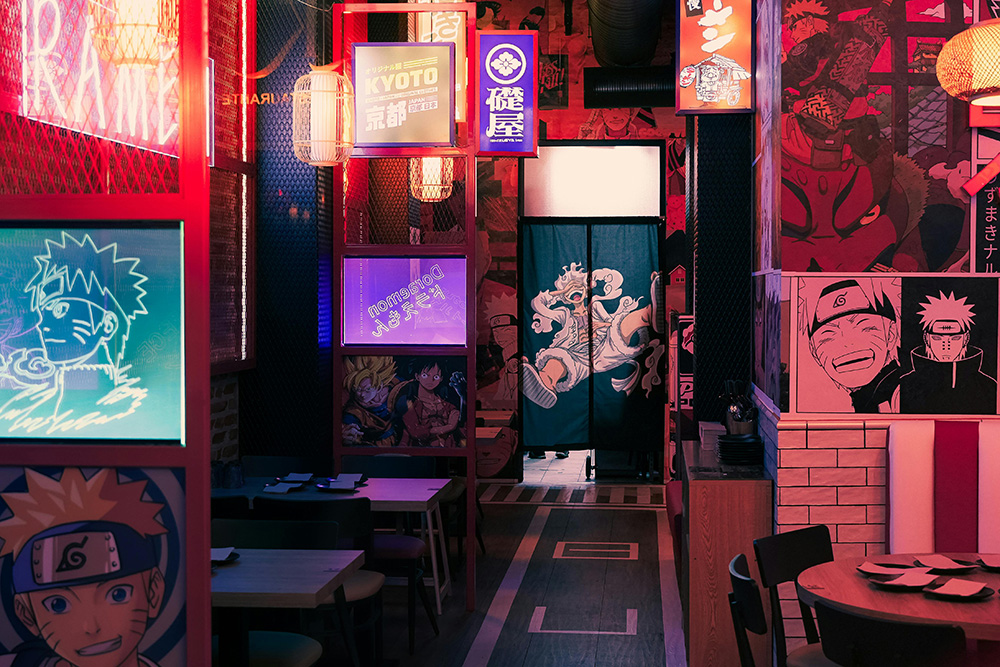
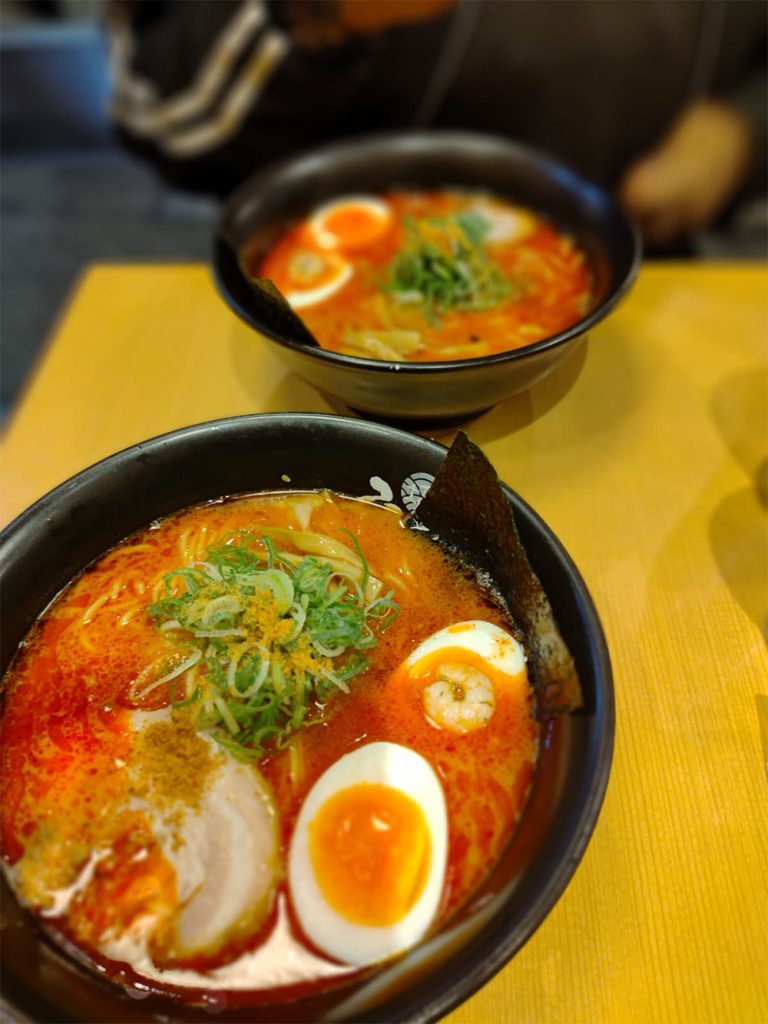
Finding it is a task in itself, then choosing where to eat once you do is another. True to form, I joined the longest queue – at one point, I was nearly 40th in line. But when I finally sat down to a bowl of spicy pork ramen unlike anything I’d ever tasted, I knew it was worth every minute. The broth was rich, creamy without being heavy, carrying a faint sweetness of scallop. Generous slabs of pork belly melted into the noodles, which remained firm, never soggy.
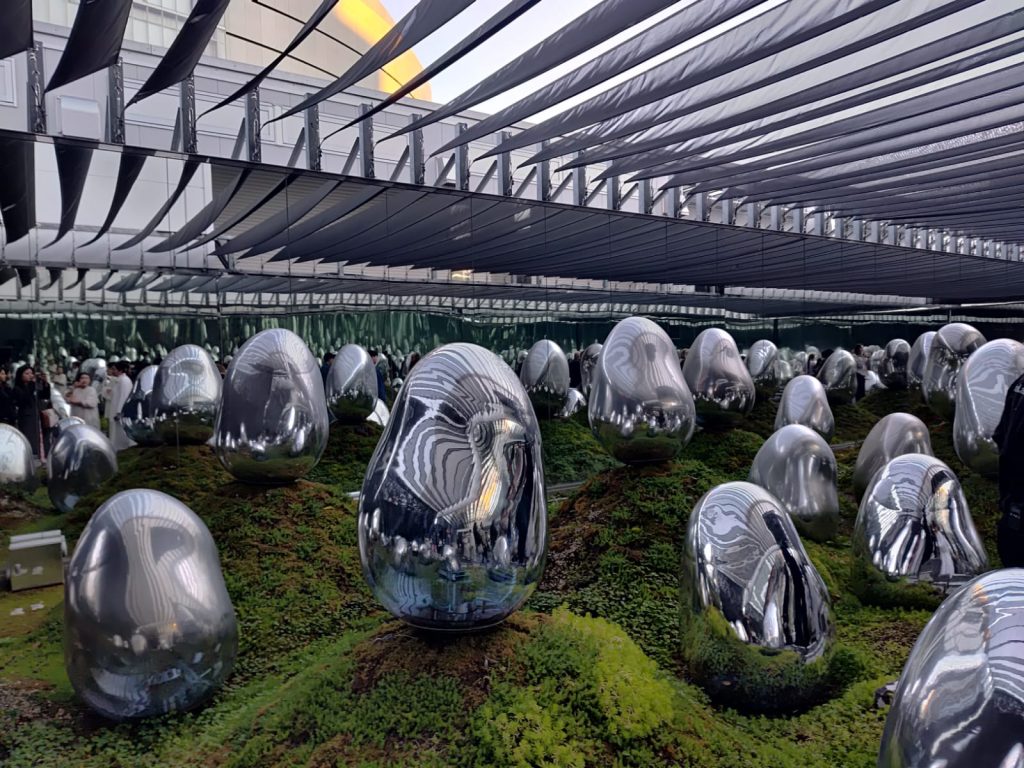
From there, I headed to teamLab Planets for a full-body immersive digital art experience. One moment I was walking barefoot through knee-high water. The next, standing beneath a floating orchid garden. Then I was chasing digitally rendered creatures through a digital forest, followed by jumping on rapidly rotating bouncing spheres in the Caterpillar House. Fear, wonder, and delight blended into one.
The evening was reserved for cocktails at Virtù, the award-winning bar at Four Seasons Hotel Tokyo at Otemachi. Perched on the 39th floor, it felt like a floating sanctuary – contemporary Tokyo meeting old-world Paris in the sky. Ranked among both The World’s 50 Best Bars and Asia’s 50 Best Bars, Virtù more than lived up to its reputation.
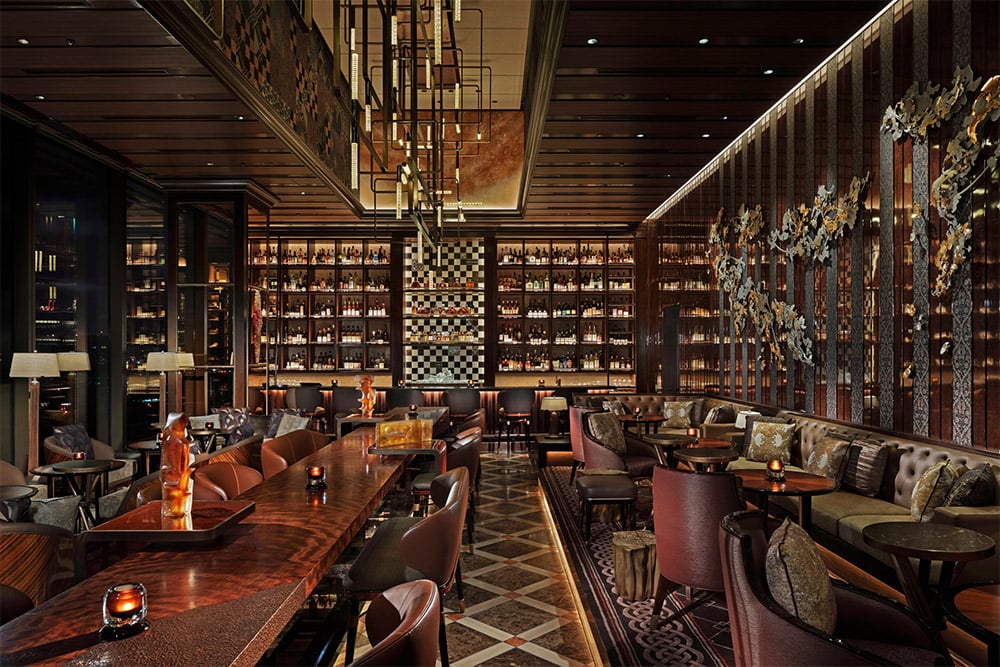
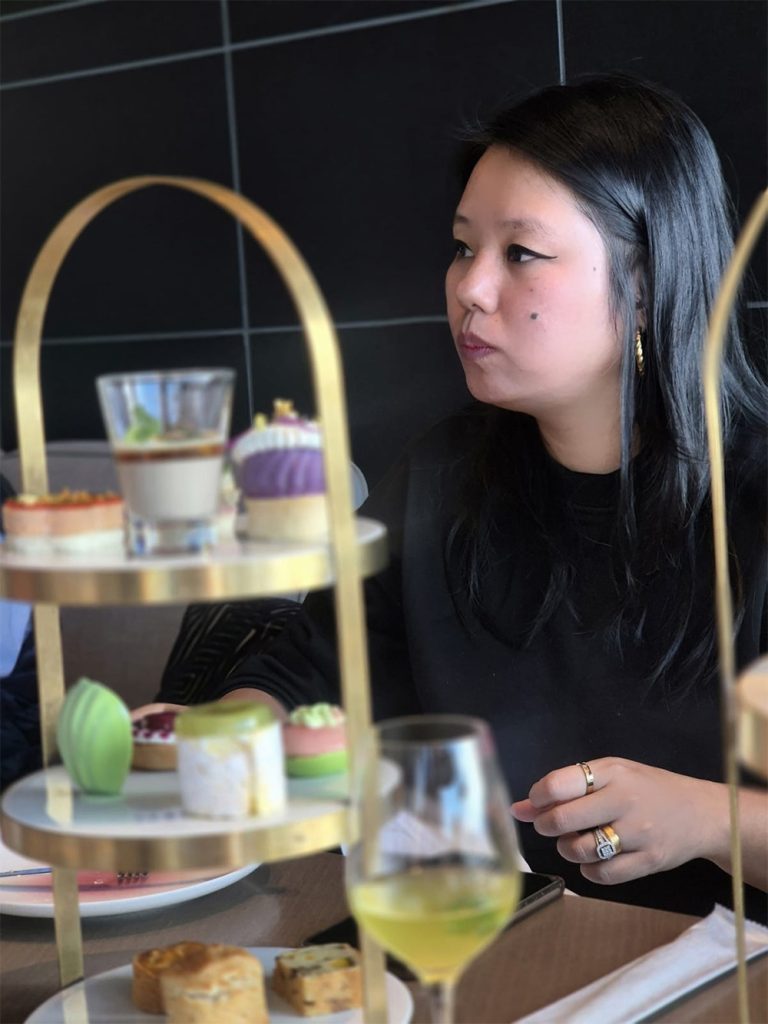
I loved the Yuzu Nagi, fragrant with the citrusy sweetness of Japanese yuzu, and the Mellow Amer Negroni, crafted with gin distilled from Okayama rice shochu and softened by white-peach liqueur. Another standout was the signature Highball – ripe plums, Japanese whisky, and a whisper of hinoki bitters. On my second day, I indulged in high tea at the lobby lounge, savouring delicate sweets and warm beverages while overlooking the Imperial Palace Gardens and the city skyline beyond.
Also Read: 8 Japanese Skincare Products I Bought (And Loved) In Japan: Local Favourites, Dermatologist-Approved
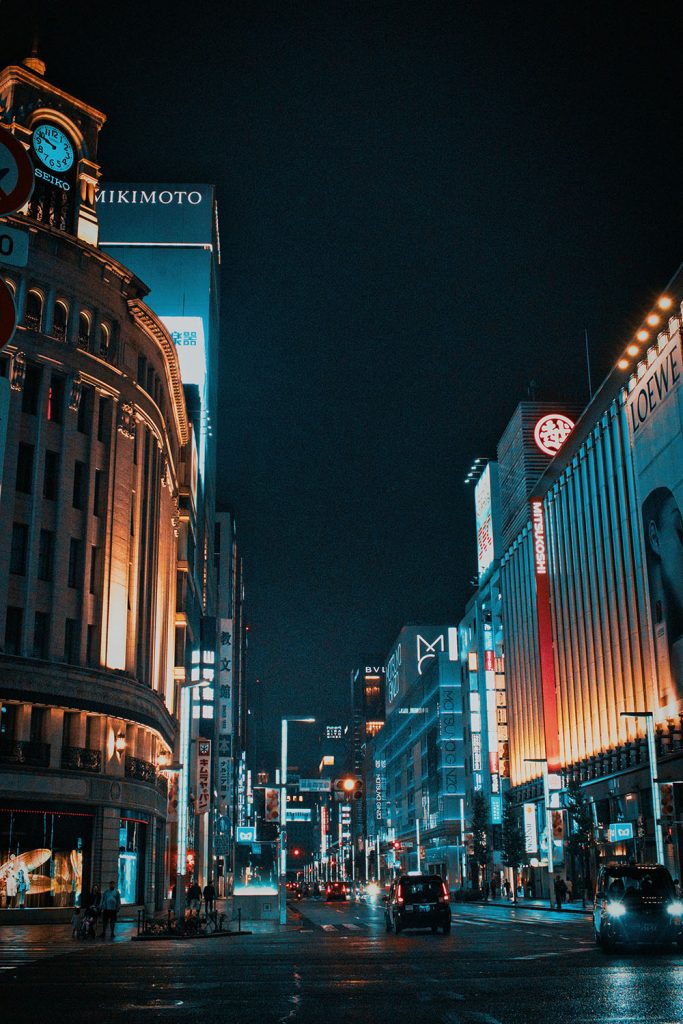
Shopping, of course, was a big part of my itinerary. Ginza offered a seamless mix of Japanese labels and international luxury brands, along with chic galleries and cafés for art lovers.
In Asakusa, after sampling mochi, onigiri, dorayaki, and taiyaki and stocking up on some of the most affordable souvenirs, I visited Senso-ji, one of Tokyo’s oldest temples.
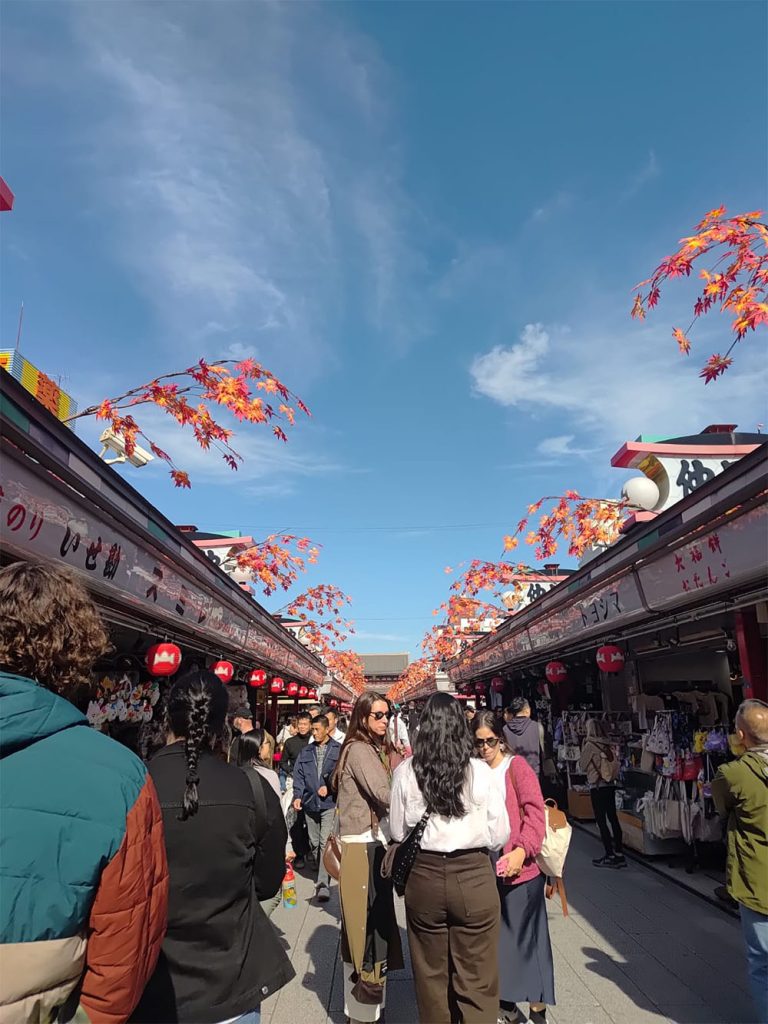
The crowds were immense.
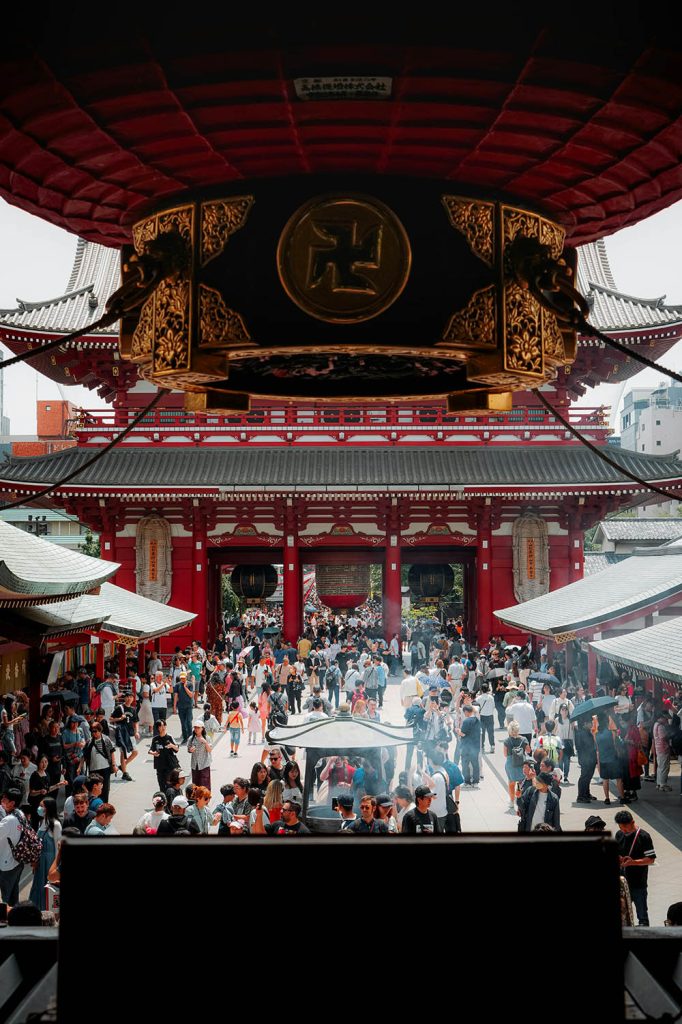
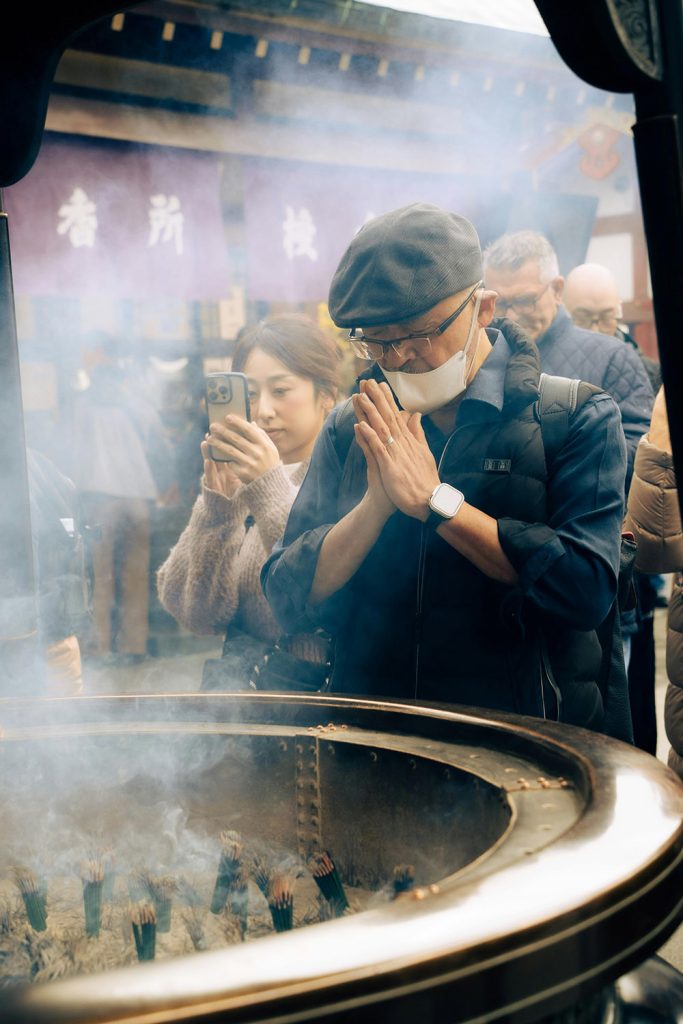
Some were praying, a few wandering with their cameras, and others, simply observing.
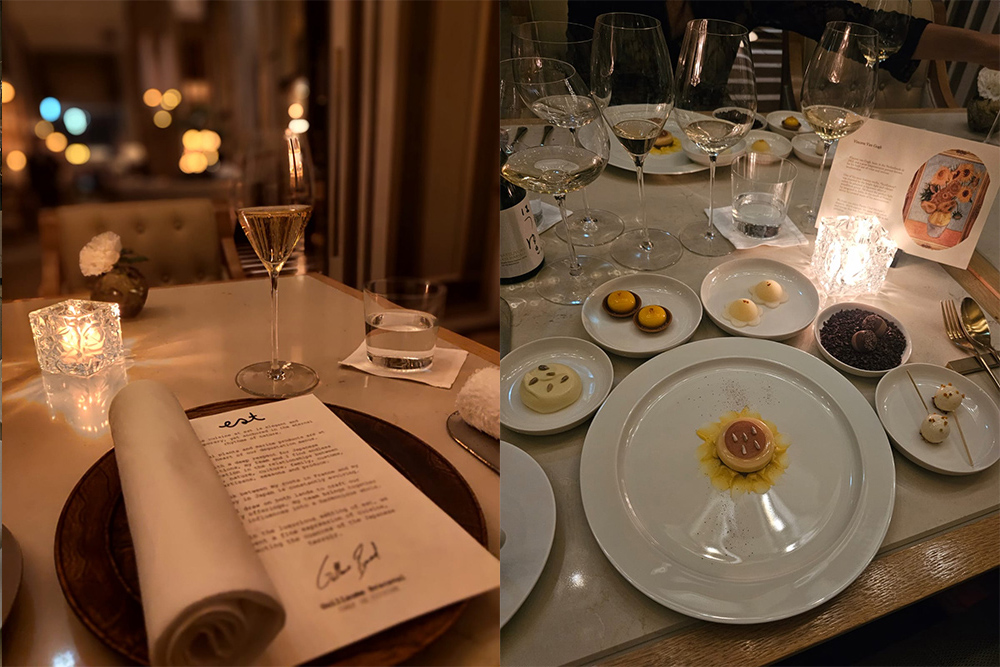
That evening, I went for dinner at Est, the Michelin-starred French restaurant at Four Seasons Hotel Tokyo at Otemachi. Chef Guillaume Bracaval’s cuisine paid deep respect to Japanese produce while employing French technique. There was a velvety soybean hummus made entirely from local ingredients, impossibly tender wagyu, and a dessert so beautiful it felt almost sacrilegious to eat – Chef Michele Abbatemarco’s Sunflower, inspired by Van Gogh. Sweet, sour, and unforgettable.
On the morning I left for Kyoto, I woke early to explore local department stores. I ate Fami-chiki, chorizo, gyoza, and stocked up on edible souvenirs to take back for my family.
Also Read: The Ultimate Japan Travel Food Guide: 20 7-Eleven And FamilyMart Treats Loved By An Indian Foodie
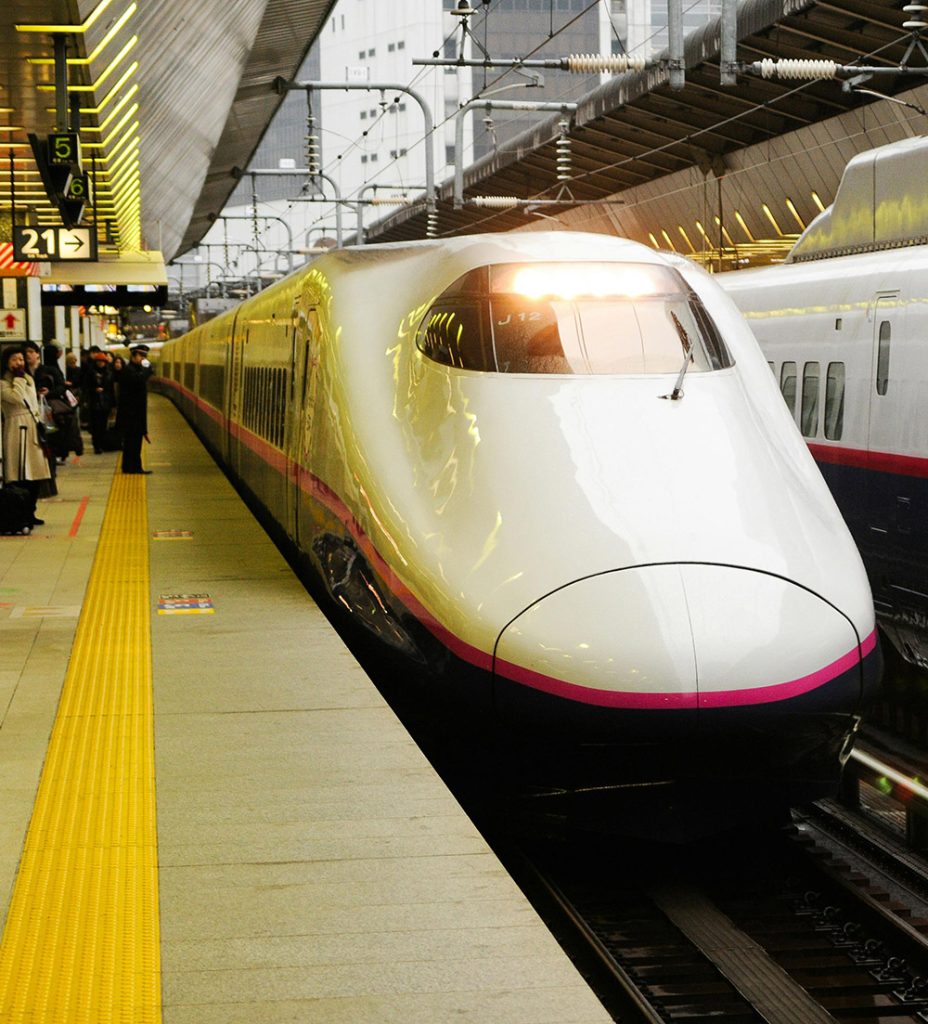
By noon, I was on the Shinkansen, heading toward the next chapter. As the train sped past homes in blacks and greys, traditional aesthetics interspersed with factories and modern buildings, I drifted into sleep for most of the two-hour journey, happy and excited.
Best Things To Do In Kyoto, Japan
Destination 2: Kyoto
If you ask me which place stole my heart, the answer is Kyoto. While it carries modern touches, its soul speaks in heritage, deeply rooted in their culture. With its centuries-old Buddhist temples, Shinto shrines, gardens, and imperial palaces, Kyoto soothes your soul.
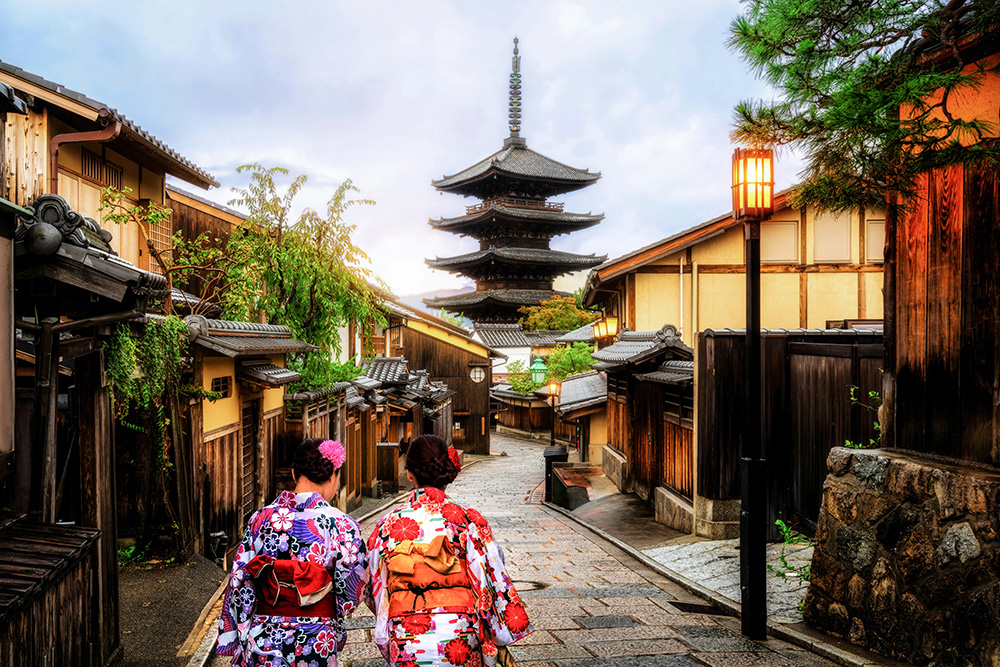
My first stop was Gion, the famed geisha district. It was an experience that felt almost otherworldly. Until then, my only reference point had been Memoirs of a Geisha.
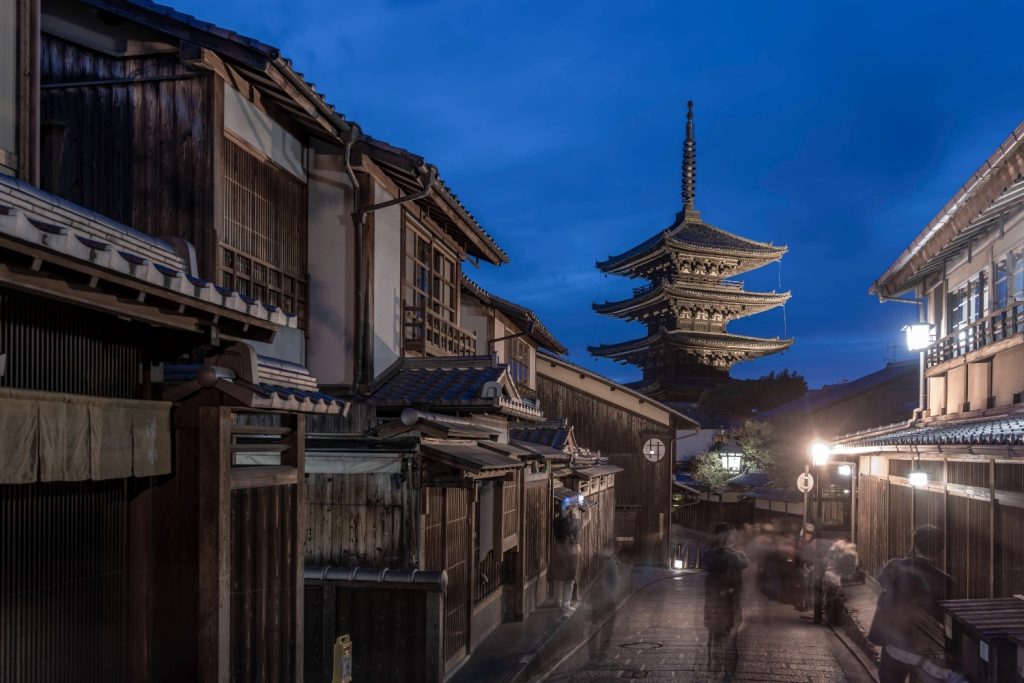
The rules here, let me tell you, are strict. Photography of geisha is prohibited, trespassing can result in fines of up to JP¥10,000, and the traditions are fiercely protected.
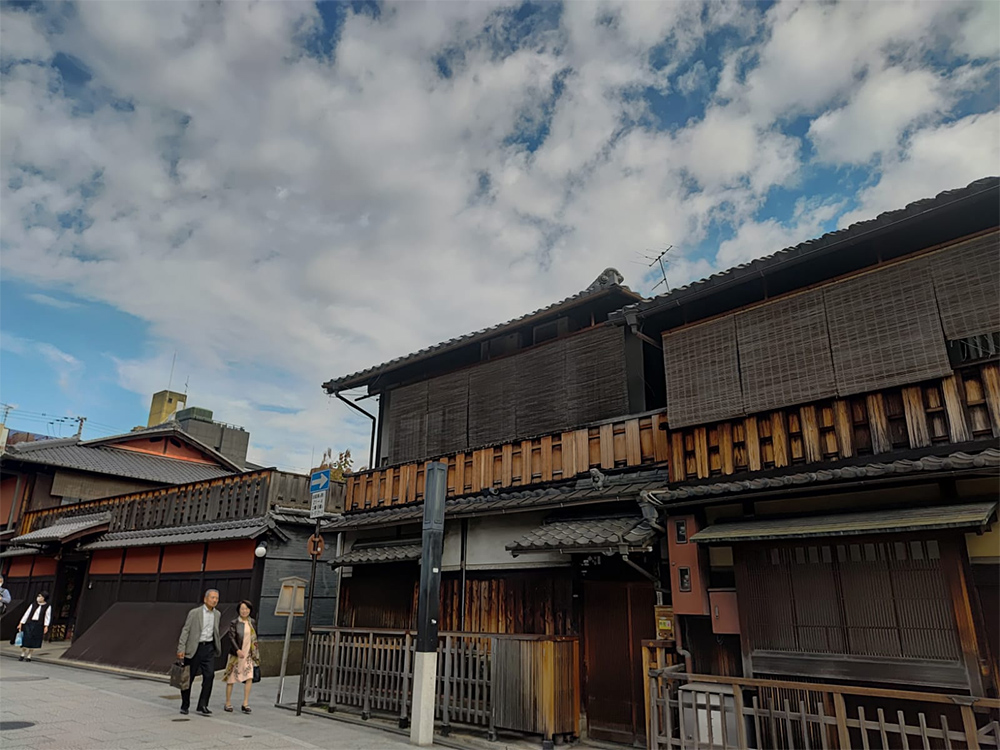
Geisha houses operate through a hierarchical system where knowledge is passed down to maiko, or geisha-in-training. One can attend curated performances, though tickets can cost upwards of JP¥7,040.
For this leg, I stayed at the Four Seasons Kyoto, built around the 800-year-old Shakusui-en pond garden. With a traditional teahouse, koi pond, and a stone bridge linking the modern hotel to its historical heart, the property felt like a dream sequence.
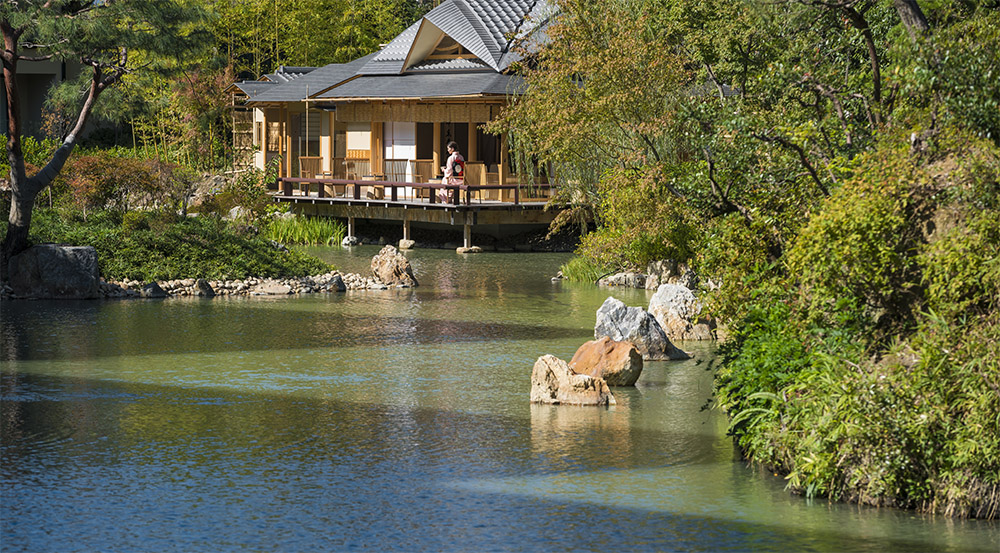
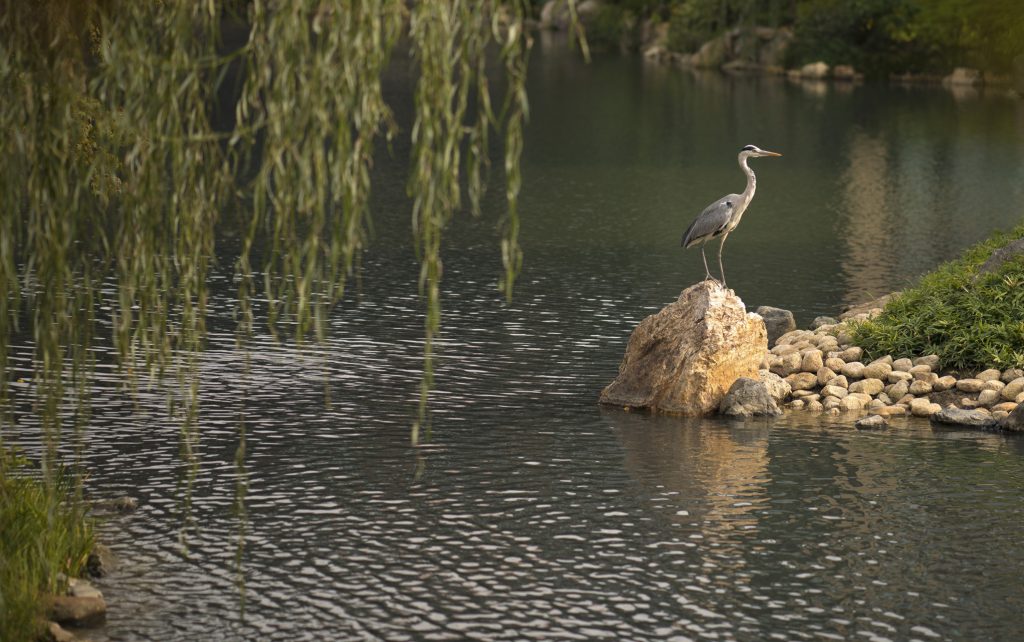
The garden is divided into Oike (the larger pond) and Koike (the smaller one), separated by a stone bridge, with remnants of an ancient waterfall still visible. In the mornings, graceful herons glide across the water.
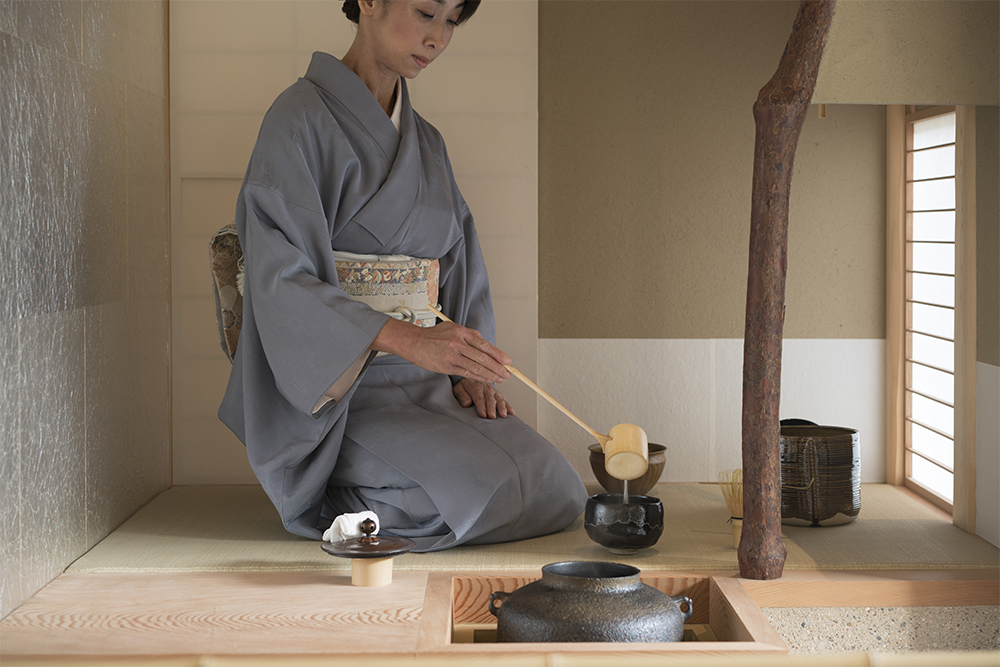
One of the most surreal experiences awaited me in the hotel’s tea ceremony room. A professional tea master who had been training since the age of 15 led us into a small wooden structure through a low entrance called a nijiriguchi. The door, she explained, forces everyone to bow and crawl inside, humbling all equally. Historically, it ensured that samurai could not bring swords into the room of peace. Dressed in a silk kimono that seemed to carry generations of stories, she transformed the act of making tea into performance. Before serving the matcha, she offered wagashi, delicate sweets meant to cleanse the palate and balance the bitterness.
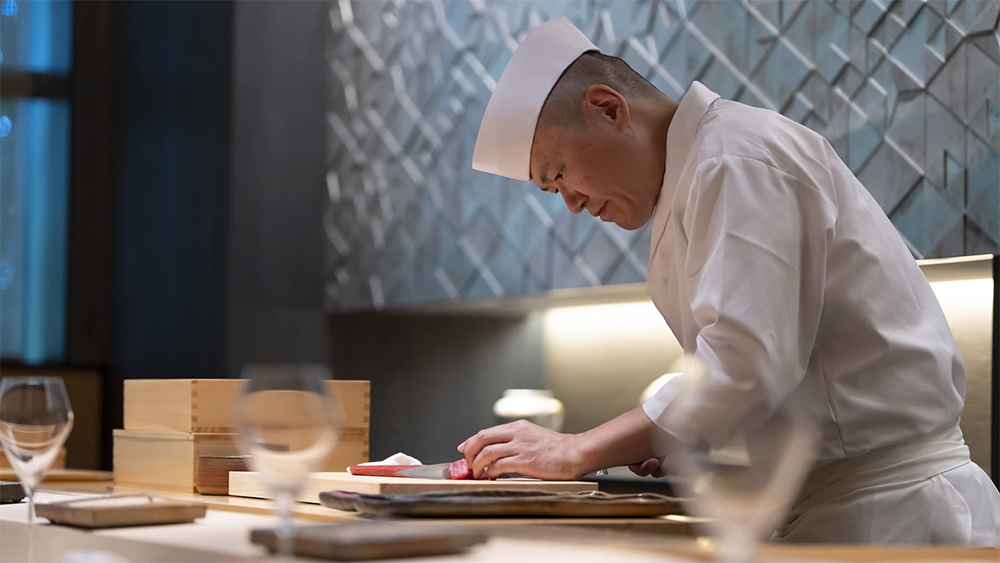
That evening, art took another form during the omakase experience at 13-time Michelin Star restaurant Sushi Ginza Onodera at the hotel. A sushi counter crafted from 400-year-old Japanese cypress set the stage as the chef sliced tuna and meat with the precision of a samurai. Once again, dining became theatre.
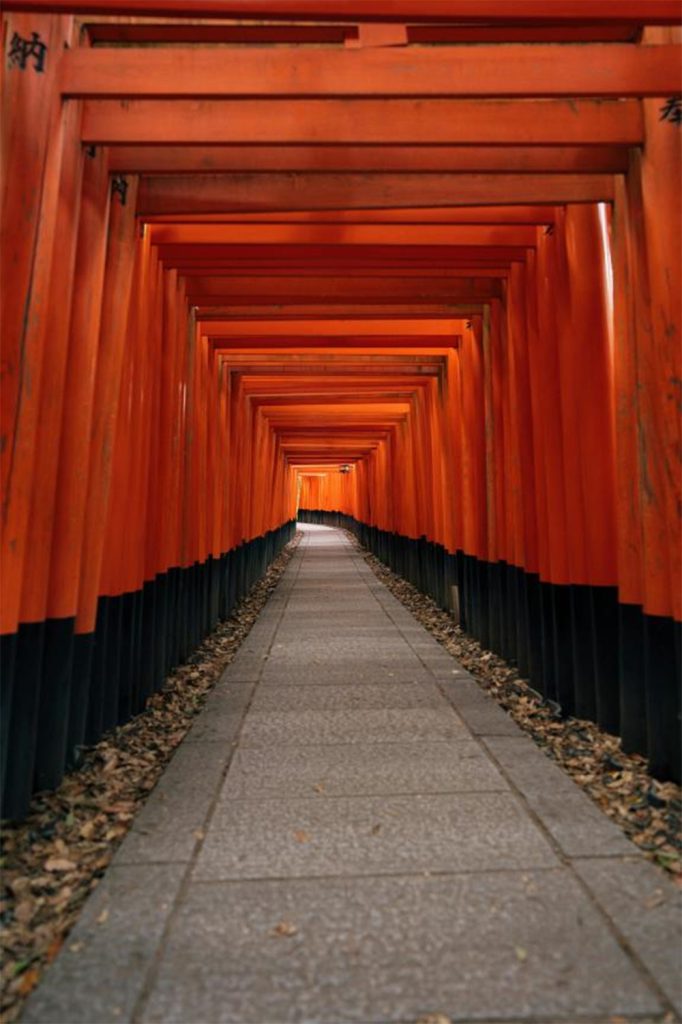
The following morning, I visited Fushimi Inari Taisha, famous for its thousands of vermilion torii gates. While the main path was crowded, my guide led me through a lesser-known forest trail past flower-filled neighbourhoods, bamboo paths, and flowing streams that made the walk itself deeply restorative. With nearly 10,000 gates lining Mount Inari, many dating back to the Edo period, it felt as though the gates were holding generations of prayers, hopes, dreams, and stories.
Later, I stopped at a tiny tempura restaurant that seated no more than nine people. Watching the chef prepare each dish right in front of us – mixing batter in ice, slicing fresh fish, working with precision was another very Japanese, very unforgettable experience for me. (Checked another one off the bucket list!)
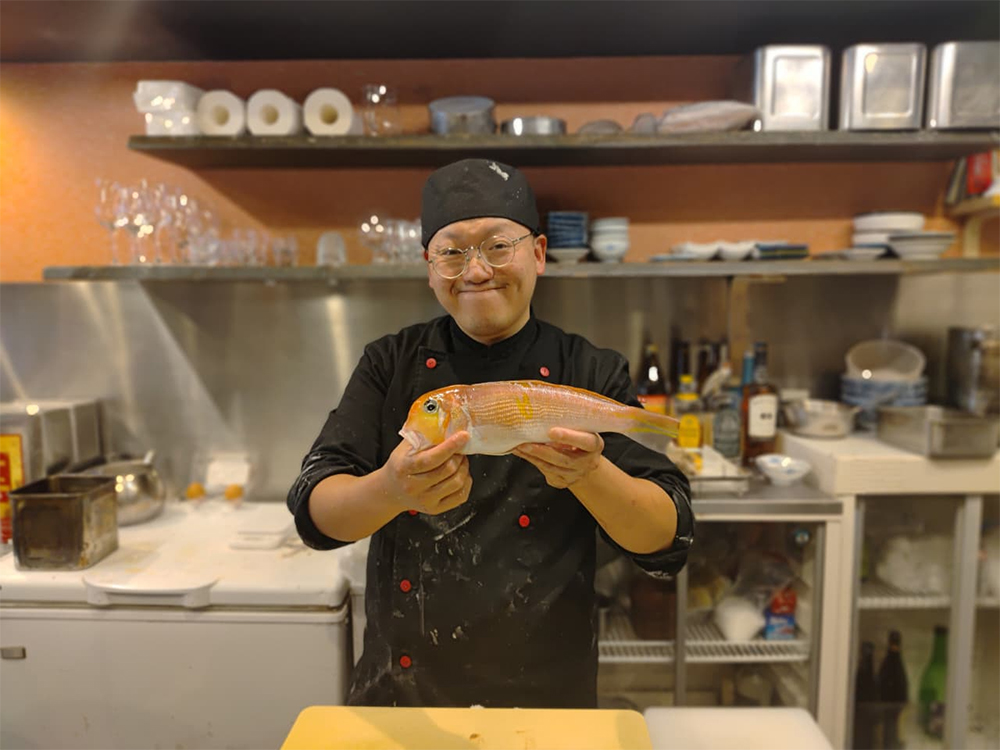
Within minutes, the first course arrived. Light, crisp, and impossibly delicate, it was the best tempura I’d ever had. (Yes, I realise I’ve said that about many things – but Japan has that kind of effect on you.)
First Time In Osaka? Here Is Your Ultimate Guide
Destination 3: Osaka
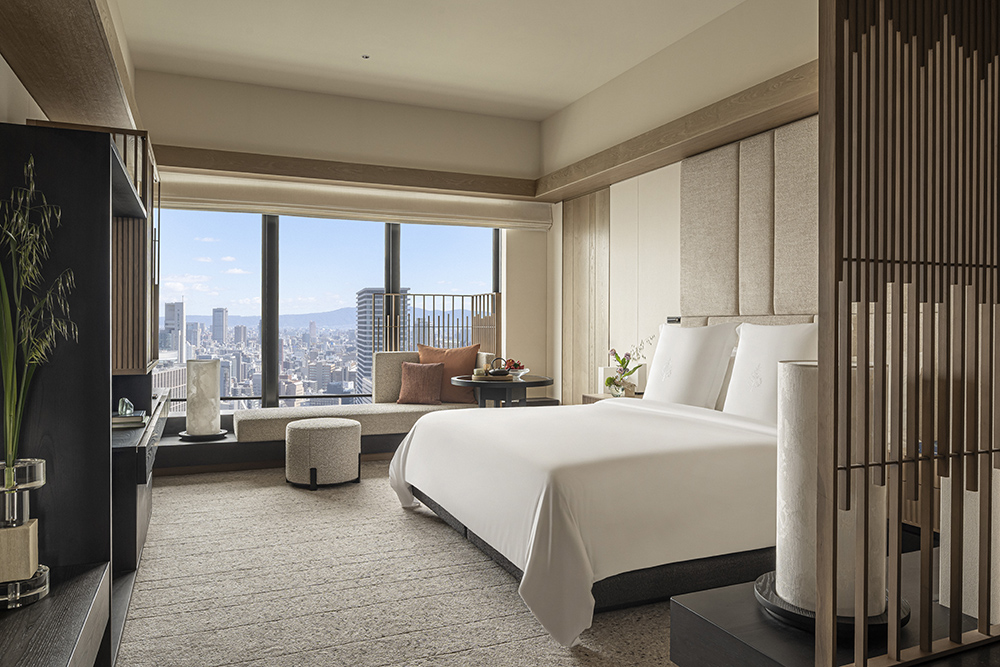
The next day took me to Osaka, another modern, energetic city. Here, I stayed at Four Seasons Osaka in a modern ryokan-style room. Shoes off at the entrance, tatami floors, minimalist design, futon beds, and a traditional washroom with wooden buckets. By the time I lay down on the futon that night, I felt completely unguarded and slept better than I had in a long time.
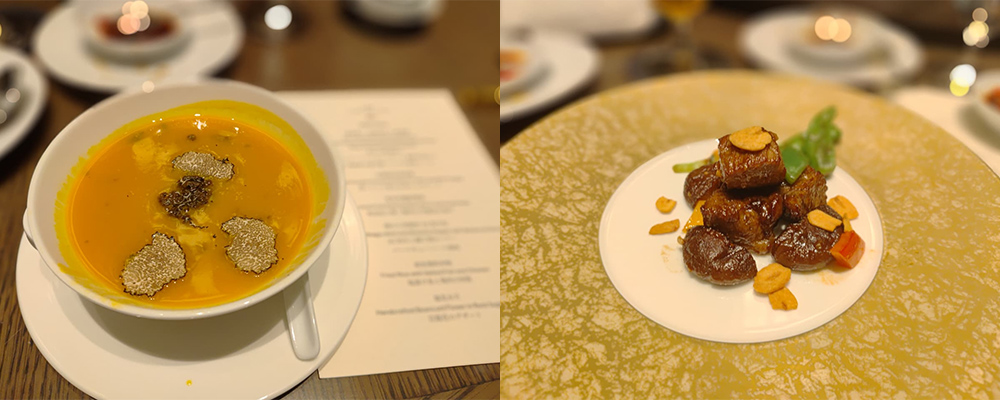
Dotonbori, the next day, was a wonderland. Street food, neon lights, bustling crowds, and canal-side charm. I ate my way through sausage skewers, takoyaki, gyoza, again, and shopped endlessly. Dinner that night was at Jiang Nan Chun, the hotel’s Chinese restaurant on the 37th floor. Pan-fried scallops with scallion oil, glazed eel with sesame, pumpkin soup with black truffle and crab, wok-fried wagyu with shishito peppers, fried rice with salted fish, and a handcrafted bean curd dessert – it was one of the most satisfying meals of the trip.
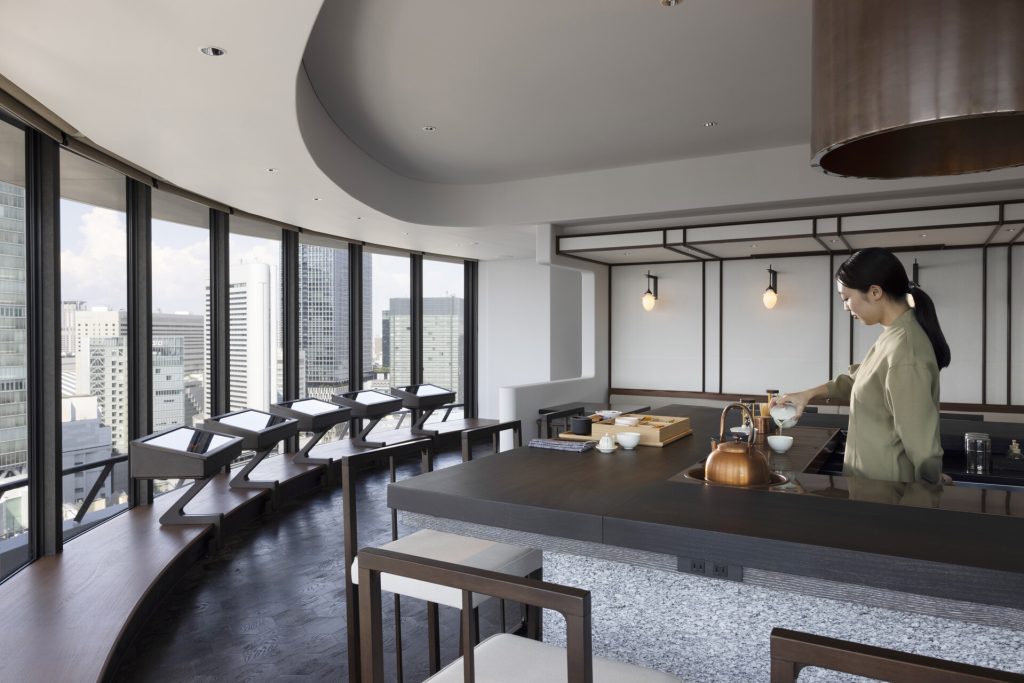
On my final day, before returning to India, I enjoyed breakfast at Sabo Lounge where I had a traditional Japanese bento meal filled with organic local offerings.
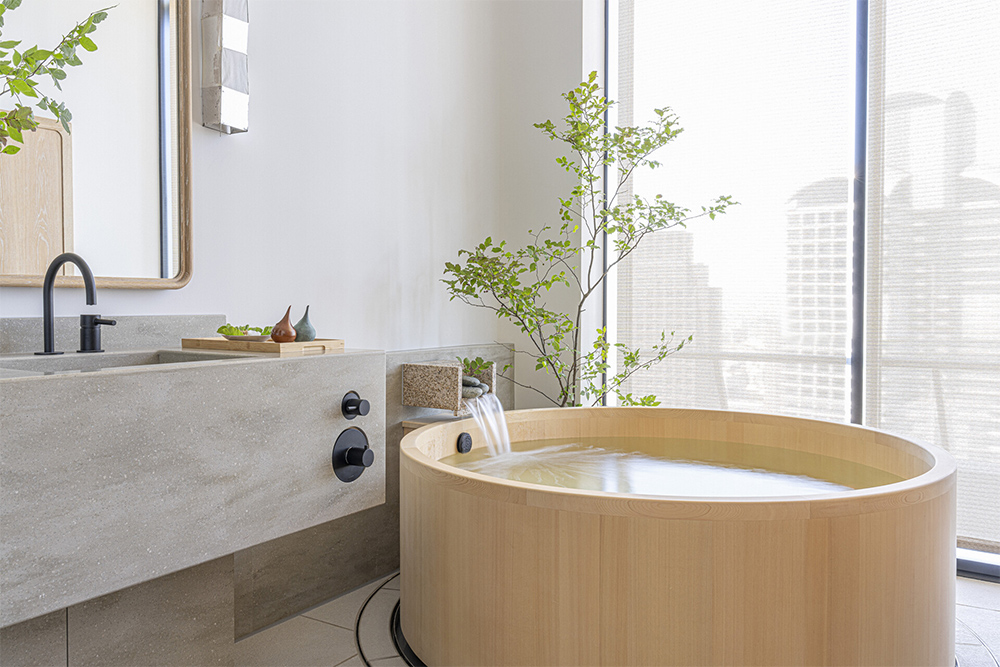
I ended the trip at the spa. As the pretty Japanese lady with magic hands worked through my muscles with a traditional massage, I drifted off. Later, immersed in the warm stillness of the ofuro, I let the journey replay in my mind.
When it was finally time to leave Japan, it struck me. Seven days was not enough. Japan had more stories to tell me. And I knew, without a doubt, I would return.
Dear Japan, until we meet again.
— a wandering heart, a grateful traveller.