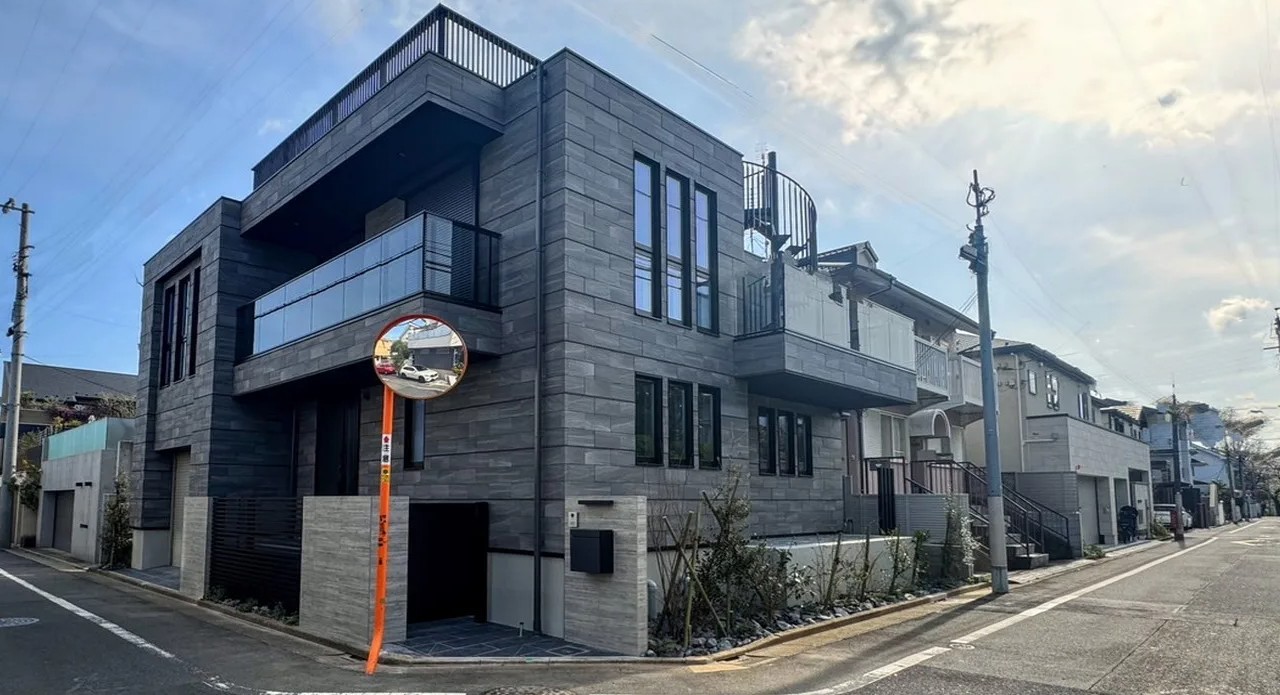


If you ever wanted a crash course in how buildings can feel like they’re breathing, meditating or quietly judging your cluttered lifestyle decisions, Akira Watanabe would be your ideal guide. His take on Japanese architecture isn’t the tourist-brochure version of paper walls and Zen gardens; it’s a deep dive into the discipline, restraint and emotional intelligence that shape Japan’s built world. With the enthusiasm of someone who sees poetry in joinery and drama in a shadowed corridor, Watanabe reveals an architectural culture where light behaves like a guest, materials age with dignity, and spaces are designed as thoughtfully as sentences in a haiku. Step into his perspective, and Japanese architecture stops being “minimalism” and becomes an entire philosophy of how to live, move and feel.
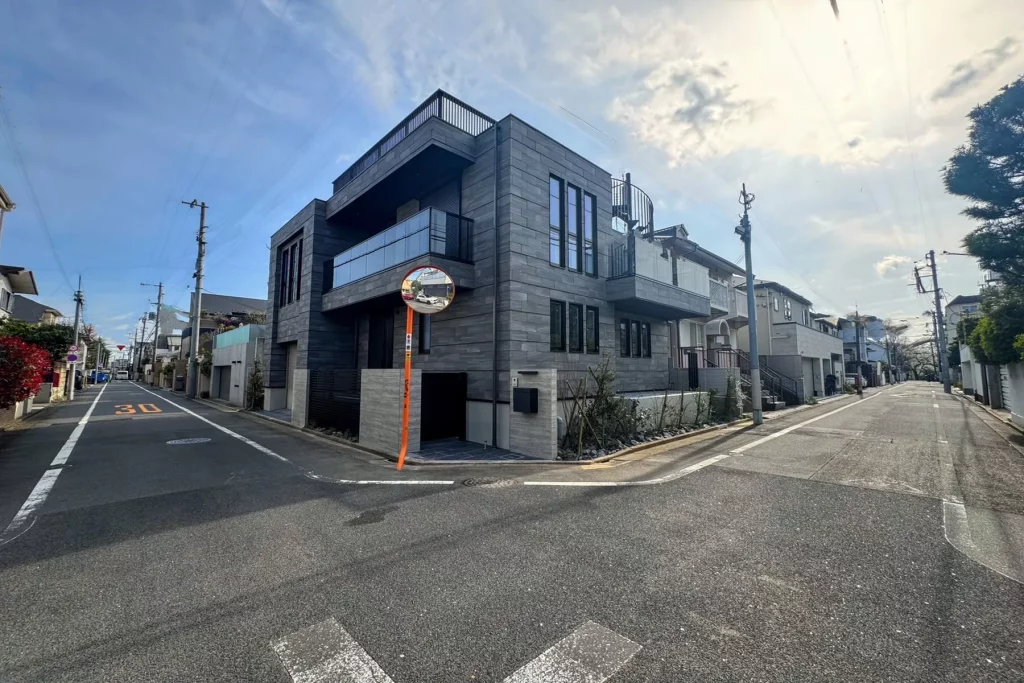
The Essence Of Japanese Architecture Through Watanabe’s Perspective
For Akira Watanabe, Japanese architecture is ultimately about choreographing human experience. He describes it not as a style but as a dialogue between nature, culture and time. Instead of imposing form, the architect shapes negative space — the ma — allowing rooms to breathe and moments to unfold. Whether in a machiya townhouse or a contemporary timber home, Watanabe sees a continuity in the way Japanese buildings frame landscapes, welcome shadows and treat materials with reverence rather than decoration. Through his eyes, architecture becomes a quiet companion rather than a loud proclamation.
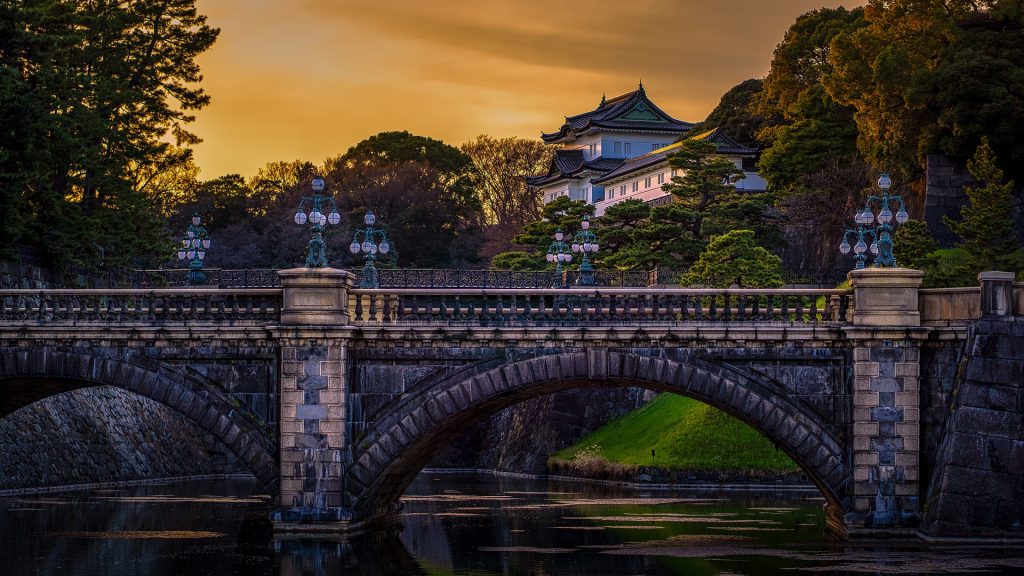
The Power Of Materials And Craftsmanship
Watanabe often highlights how Japanese architects treat materials with the same sensitivity a calligrapher grants ink and paper. Wood is chosen not for showmanship but for the way it ages; stone is admired for its imperfections; and glass is placed to guide the eyes, not flaunt transparency. He emphasises the irreplaceable presence of traditional craftsmanship — from joinery that locks without nails to tatami that defines proportions. For Watanabe, these elements aren’t nostalgic flourishes but the backbone of an architectural culture that values longevity, honesty and human touch.
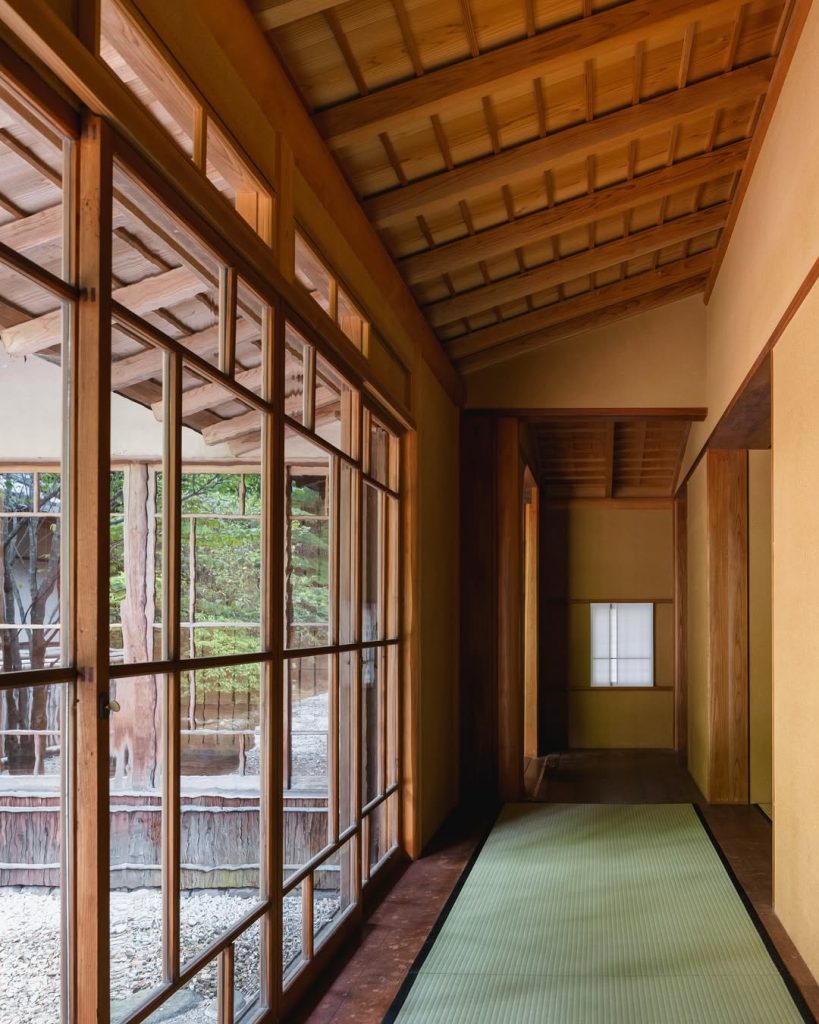
Light, Shadow And The Drama Of Subtlety
If Western architecture loves spotlighting its brilliance, Japanese architecture, according to Watanabe, loves dimmers. He often speaks about the emotional richness of shadows and the way soft, filtered light can transform even the smallest room into a sanctuary. Influenced by Jun’ichirō Tanizaki’s “In Praise of Shadows,” Watanabe views light as an active material — not a utility. He describes how architects guide it through slats, screens and narrow apertures, creating sequences of illumination that shift throughout the day. The result is architecture that feels alive, responsive and deeply humane.
Tradition Meets Innovation
From Watanabe’s viewpoint, the most fascinating thing about Japanese architecture today is how effortlessly it balances tradition with unapologetic modernity. Concrete is shaped like origami, steel is used with the delicacy of bamboo, and technology is integrated without disrupting the fundamental intuition of space. Whether looking at Tadao Ando’s monastic concrete or SANAA’s dreamy minimalism, Watanabe sees a shared ethos: restraint, clarity and an unwavering respect for the user. To him, even the most avant-garde building in Tokyo still carries the DNA of centuries-old philosophies.