

In an age where branding often masquerades as heritage and marketing borrows freely from history, few spirits command authenticity with the quiet authority of Chartreuse. It is not a style. It is not a flavour profile that can be imitated at whim. It is a name anchored in monastic vows, Alpine solitude and an almost theatrical devotion to secrecy. To ask when a spirit may be called Chartreuse is to step into cloisters of contemplation and into a narrative that begins not in a distillery laboratory but within the stone walls of a monastery.
The Monastic Origin
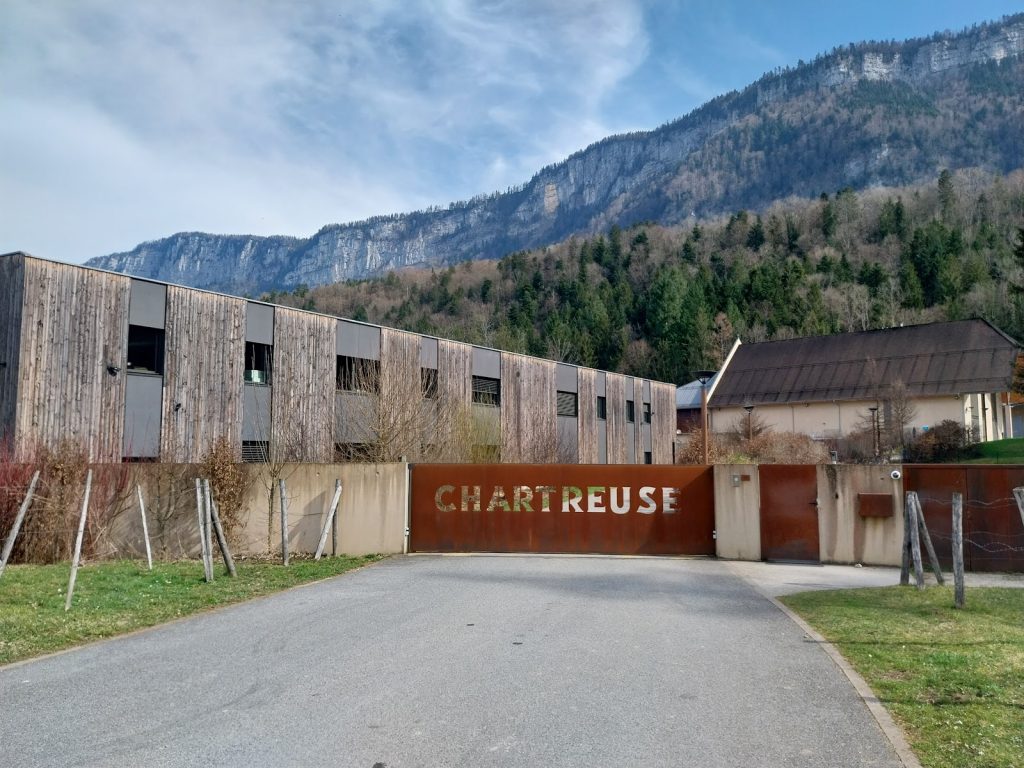
Chartreuse traces its origins to the Carthusian Order, a Roman Catholic monastic community founded by Saint Bruno in 1084 in the Chartreuse Mountains near Grenoble, France. The monks of the Grande Chartreuse monastery have lived lives of silence, prayer and scholarly discipline for centuries.
In 1605, the monks received a mysterious manuscript said to contain a complex recipe for an Elixir of Long Life. It was dense, esoteric and bewilderingly intricate. Over decades of study and refinement, the Carthusians transformed this manuscript into a practical herbal elixir. By 1764, what we now know as Green Chartreuse was commercially produced. Thus, Chartreuse was not born of commercial ambition but of monastic patience. Its creation is inseparable from its custodians.
The Legal and Authentic Definition
A spirit may only be called Chartreuse if it is produced by the Carthusian monks themselves. Today, production is overseen by the monks of the Grande Chartreuse monastery and the nearby distillery in Voiron, France. Only two monks at any given time know the complete recipe, which reportedly contains 130 herbs, plants and botanicals.
The name Chartreuse is legally protected. No other distiller, regardless of method or botanical composition, may use the designation. It is both a geographical and spiritual provenance. Unlike many spirits that derive identity from method alone, Chartreuse derives identity from maker. It is inseparable from the Carthusian Order.
The Secret of 130 Botanicals
The precise composition remains confidential, but what is known is that the botanicals are macerated and distilled into a grape spirit base. The resulting distillate is then aged in large oak casks. Unlike neutral liqueurs coloured artificially, Chartreuse derives its vivid hue from natural plant chlorophyll. Its flavour defies easy categorisation. It is herbal yet sweet, spicy yet cooling, medicinal yet seductive. Complexity is not incidental; it is intrinsic.
The Different Types of Chartreuse
Green Chartreuse
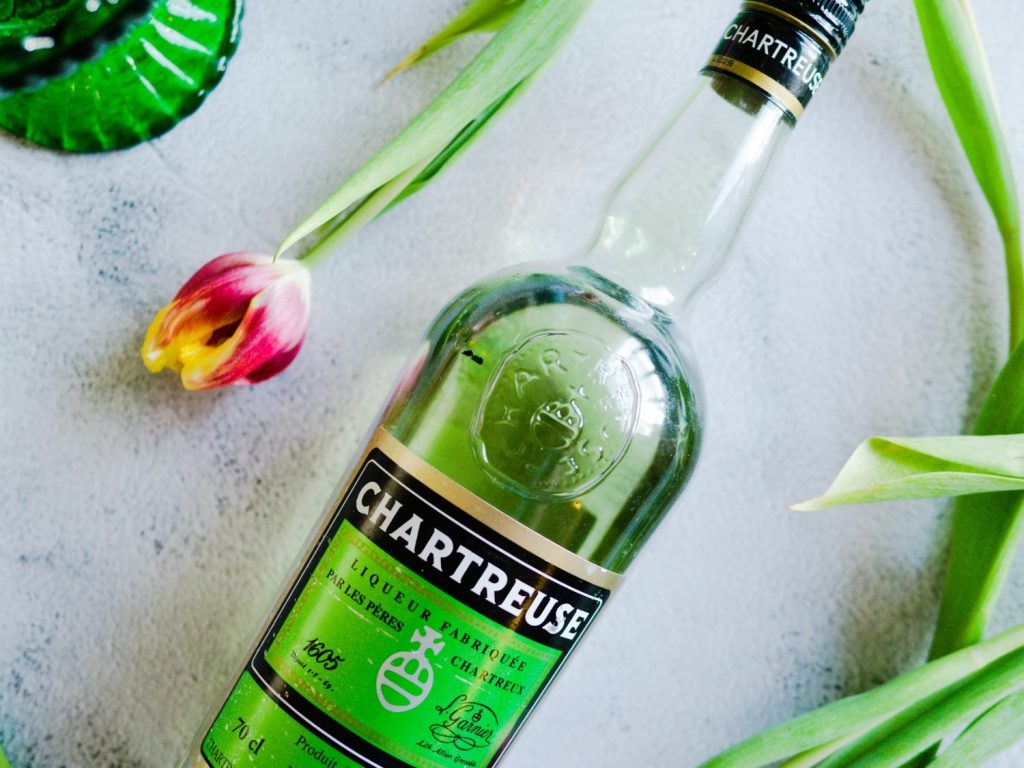
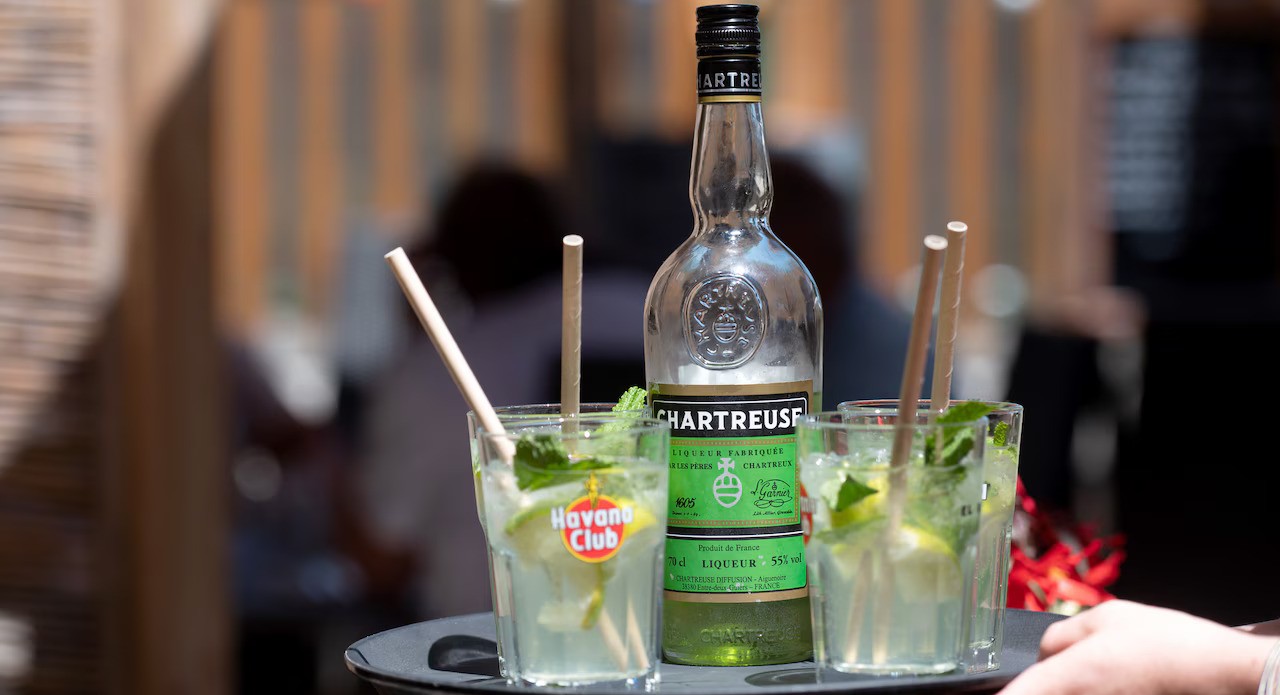
Green Chartreuse is the original and most potent expression, bottled at 55 percent alcohol by volume. It is intensely herbal, assertive and layered with notes of mint, pine, citrus peel and pepper. Its colour is naturally vibrant, almost luminescent. This is the monastic elixir in its boldest form.
Yellow Chartreuse
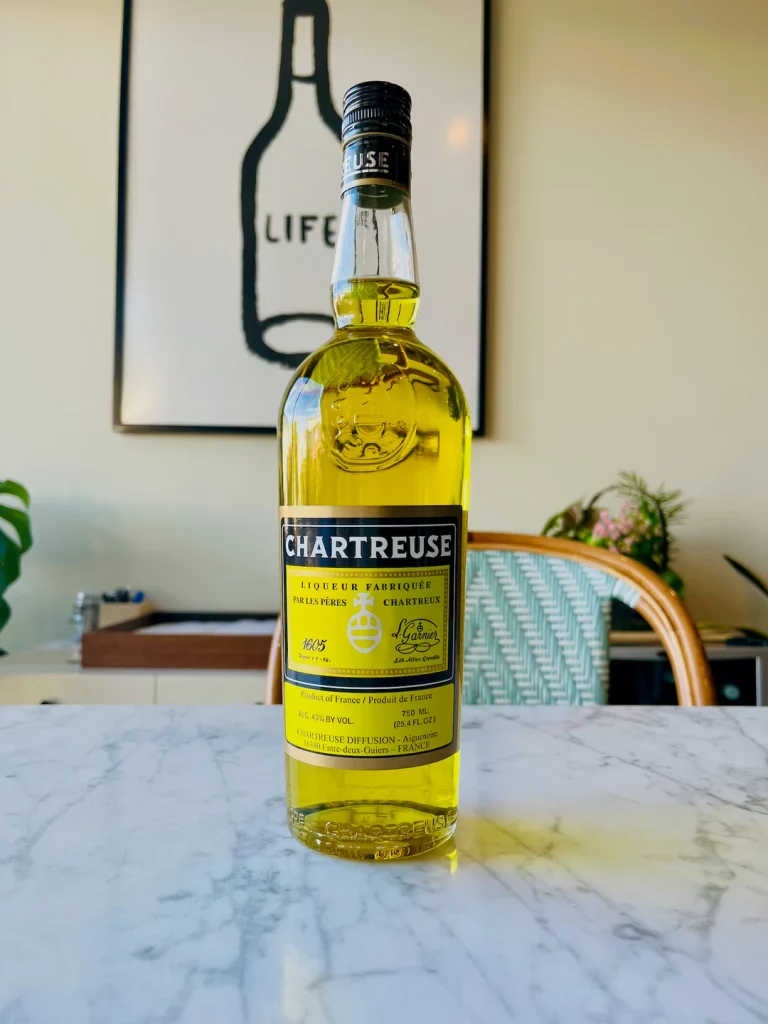
Introduced in 1838, Yellow Chartreuse is gentler, bottled at 40 percent alcohol by volume. It leans toward honeyed sweetness, saffron warmth and softer spice. The herbal intensity is tempered, making it more approachable while retaining unmistakable identity.
Chartreuse Elixir Vegetal
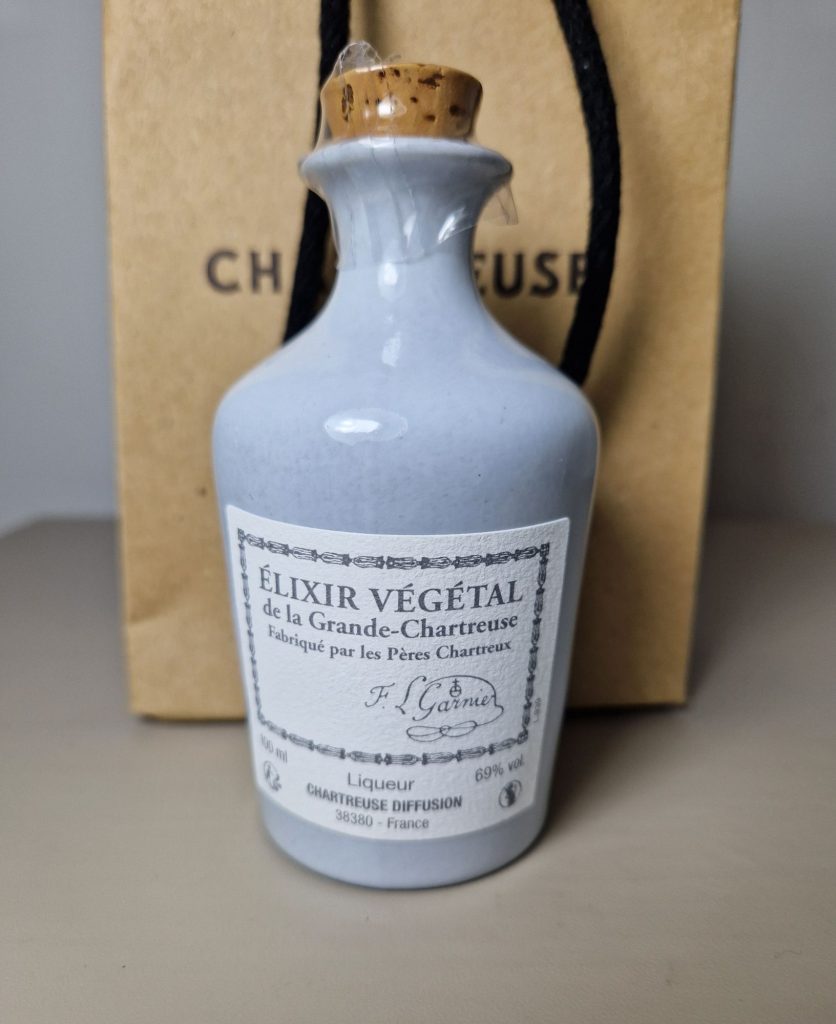
This is the closest descendant of the original Elixir of Long Life, bottled at a formidable 69 percent alcohol by volume. Traditionally consumed in drops or as a tonic, it remains fiercely concentrated and medicinal in character. Each variation reflects a calibrated balance between potency and palatability, yet all remain bound by the same secret formula and monastic oversight.
Also Read: Single Malt or Blended Scotch? A Complete Buying Guide
How to Drink Chartreuse
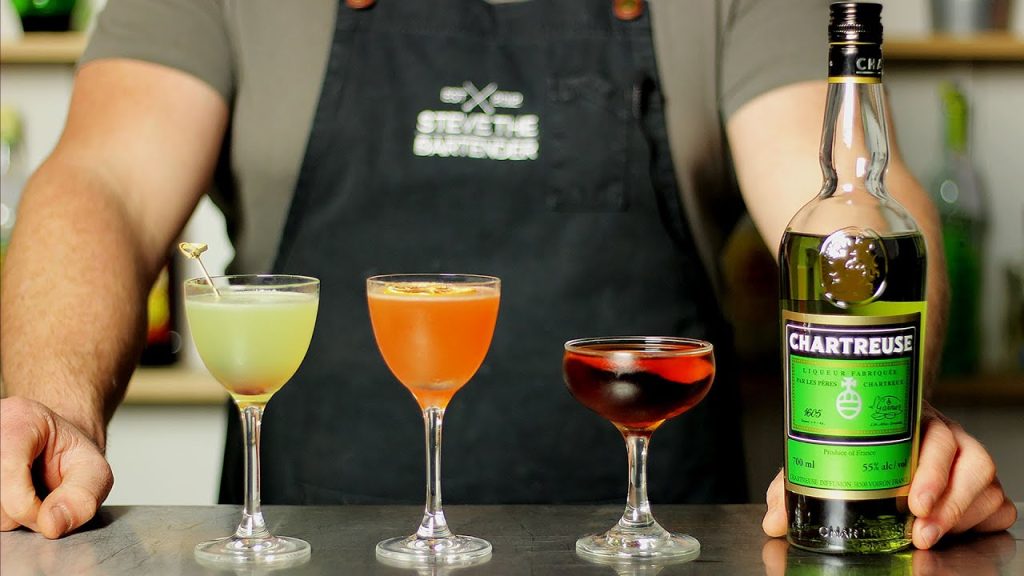
Chartreuse is a liqueur of formidable personality, and therefore demands both restraint and imagination in equal measure. Green Chartreuse, with its bracing herbal intensity, is best approached either neat in small measures, lightly chilled to temper its alcoholic vigour, or with a single cube of ice that allows its botanicals to unfurl gradually. Yellow Chartreuse, softer and more honeyed, lends itself beautifully to contemplative sipping after a meal, served cool but not cold, so its saffron warmth and gentle spice may bloom across the palate. A few drops of the Elixir Végétal may be taken traditionally on a sugar cube, diluted in hot water as a restorative, or deployed sparingly in cocktails where its complexity can elevate rather than overwhelm. Above all, Chartreuse rewards moderation; it is not a spirit for haste but for quiet appreciation, best savoured in measured pours that honour its monastic lineage
A Spirit of Silence and Stewardship
In recent years, the Carthusian monks have deliberately limited production, citing their commitment to contemplative life over commercial expansion. In a world obsessed with scale, this decision feels almost radical. Chartreuse remains scarce not by accident but by choice. To drink Chartreuse, therefore, is to partake in something that resists modern excess. It carries with it Alpine air, cloistered discipline and centuries of custodial devotion. A spirit earns the name Chartreuse not through imitation of flavour but through fidelity to origin. It must be born of Carthusian hands, distilled in French soil, and guarded by monastic secrecy. Anything less may be herbal liqueur. But Chartreuse it is not. And therein lies its enduring mystique.