From Waitlists To Wish Lists: The World’s Hardest Restaurant Reservations
Seven restaurants around the world where money alone won't get you a table, and patience, timing and a little luck matter far more than your credit limit
There is a peculiar kind of luxury that has nothing to do with price. Anyone with sufficient funds can buy the watch, charter the jet, or book the villa. But a table at the right restaurant, on the right night, has become something money can no longer simply purchase outright. It has to be earned, through timing, persistence, waitlists refreshed at odd hours, and sometimes sheer luck. This is the new currency of gastronomic status, and nowhere is it more visible than at the handful of restaurants that have turned reservations into events in themselves. Outlook Luxe takes a look at seven of the hardest tables to secure on the planet, and why each one has become as much a wish list entry as a place to eat.
Alchemist, Copenhagen
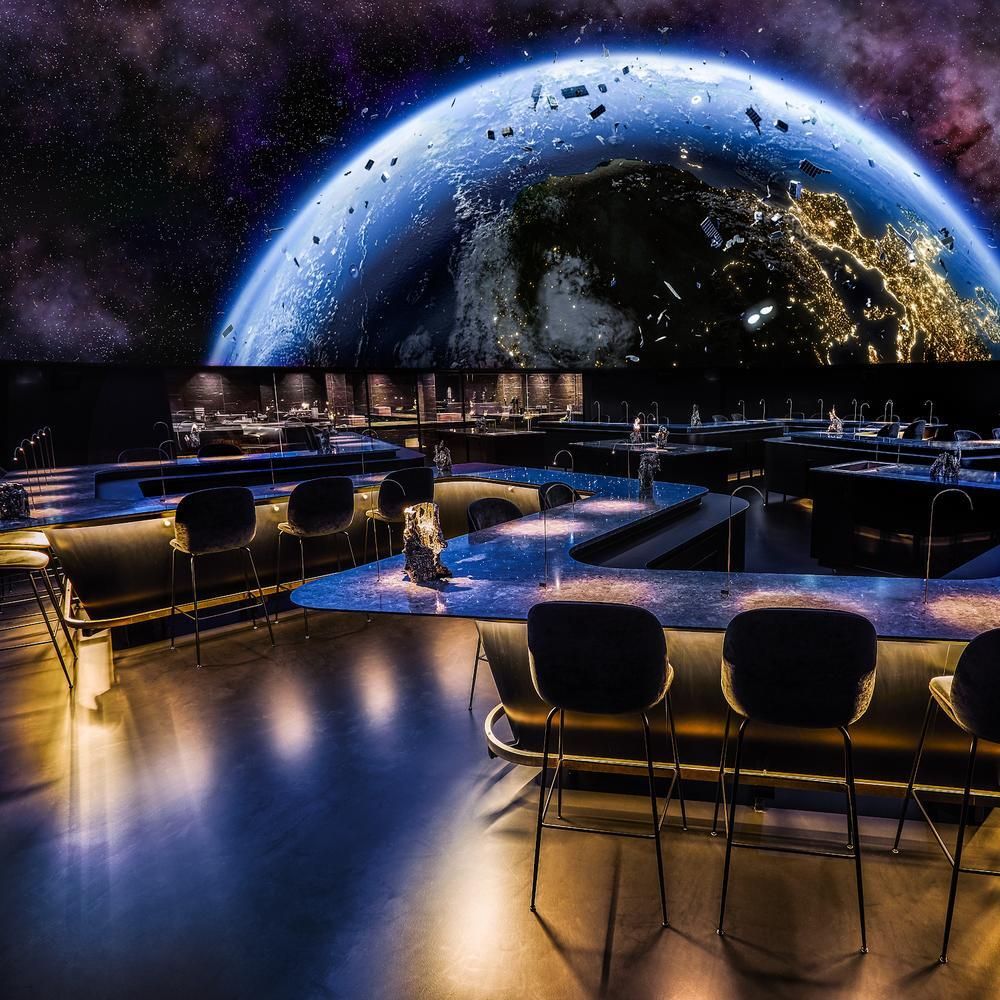
Chef Rasmus Munk’s two-Michelin-starred Alchemist doesn’t serve a meal so much as stage one. The experience runs well over six hours, divided into theatrical “Acts” and staged across multiple spaces, including a planetarium-style dome, with courses designed as social commentary as much as cuisine. Bookings are released in batches through the restaurant’s own system, disappear within minutes, and the waitlist is used constantly, with cancelled slots redistributed from the top down. Securing a table here is less a reservation and more a small campaign, requiring alerts, patience and a willingness to drop everything the moment the restaurant calls.
Also Read: How Jura Mountains Shaped The Swiss Watchmaking Industry
Sushi Sugita, Tokyo
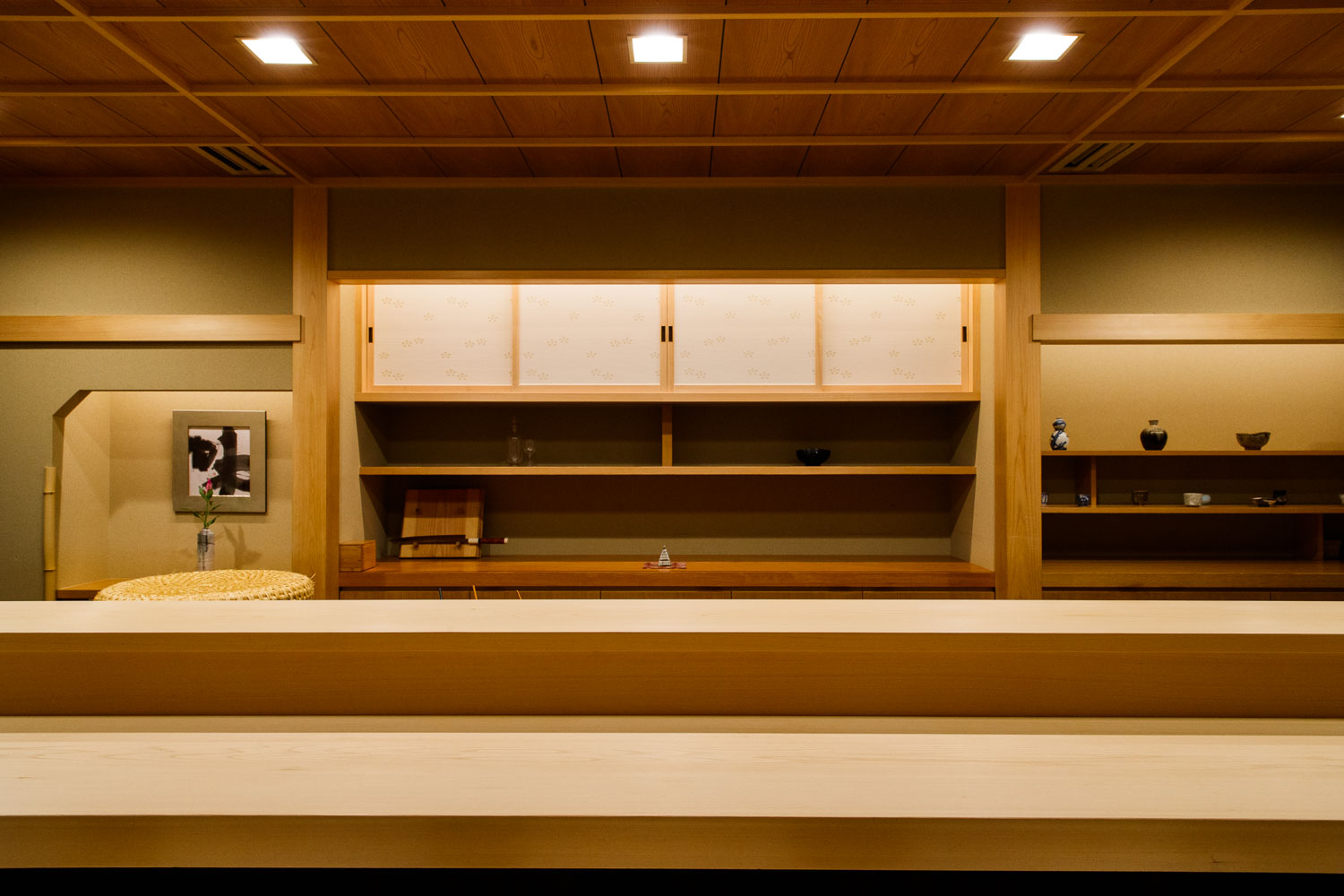
In a city defined by exceptional sushi counters, Sugita stands out precisely because it refuses to scale. With only a handful of seats, chef Yoshikazu Sugita serves an intensely personal, ingredient-led omakase where the pace and rhythm of the meal are dictated entirely by what arrived at the market that morning. Reservations typically run through personal introductions or a hotel concierge with the right relationships, making this one of the purest examples of a table earned through connection rather than convenience.
Asador Etxebarri, Spain
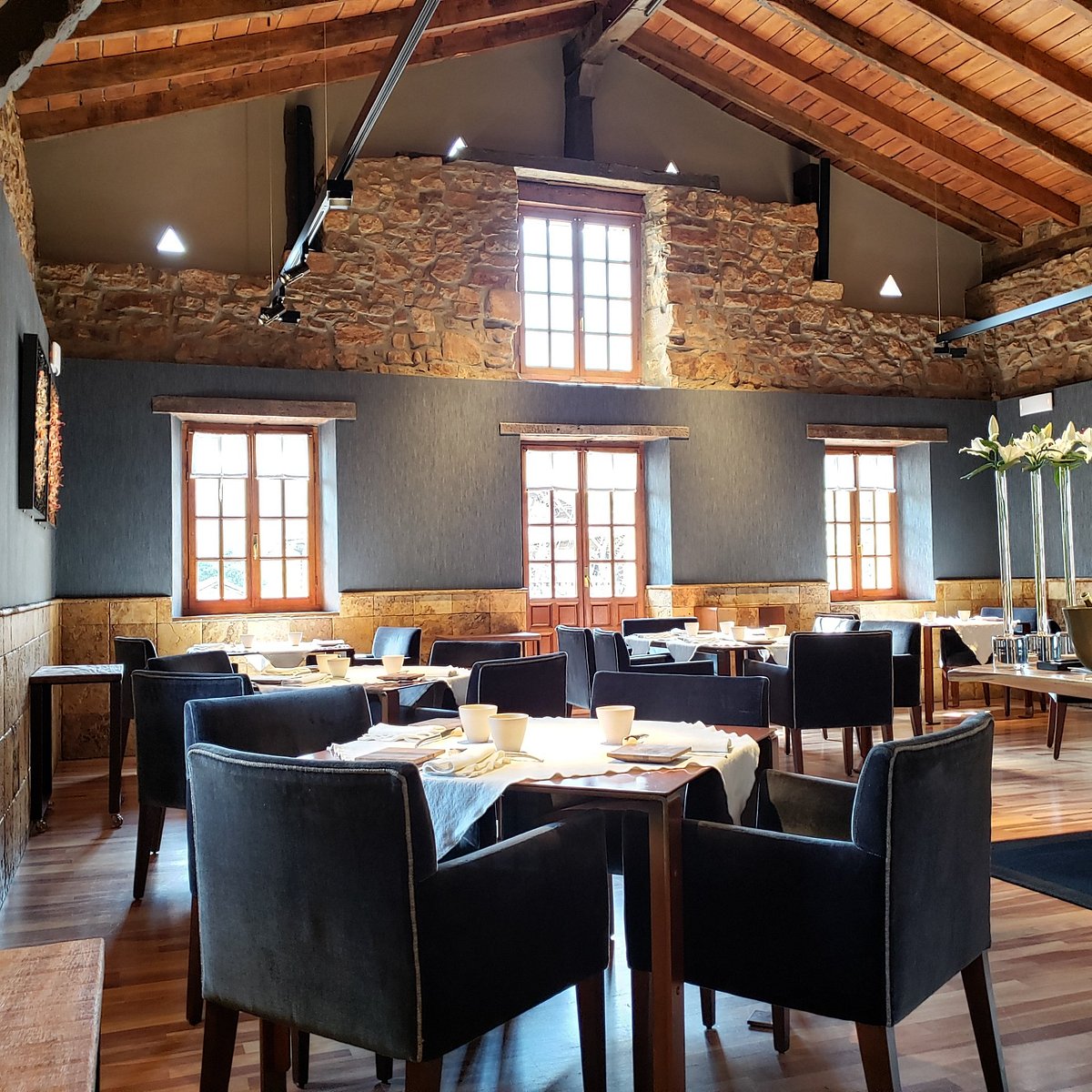
Tucked into the small village of Axpe in the Basque Country, Etxebarri has built its reputation entirely on live-fire cooking, with chef Victor Arguinzoniz custom-building his own grills to cook everything from seafood to dairy over embers. Its remote location does nothing to dampen demand; if anything, the pilgrimage required to reach it has become part of the appeal, and tables are typically booked out months in advance by diners willing to build an entire trip around a single meal.
Also Read: A New Luxury Escape Arrives This December: Arcora Boutique Hotel And Villas
Carbone, New York
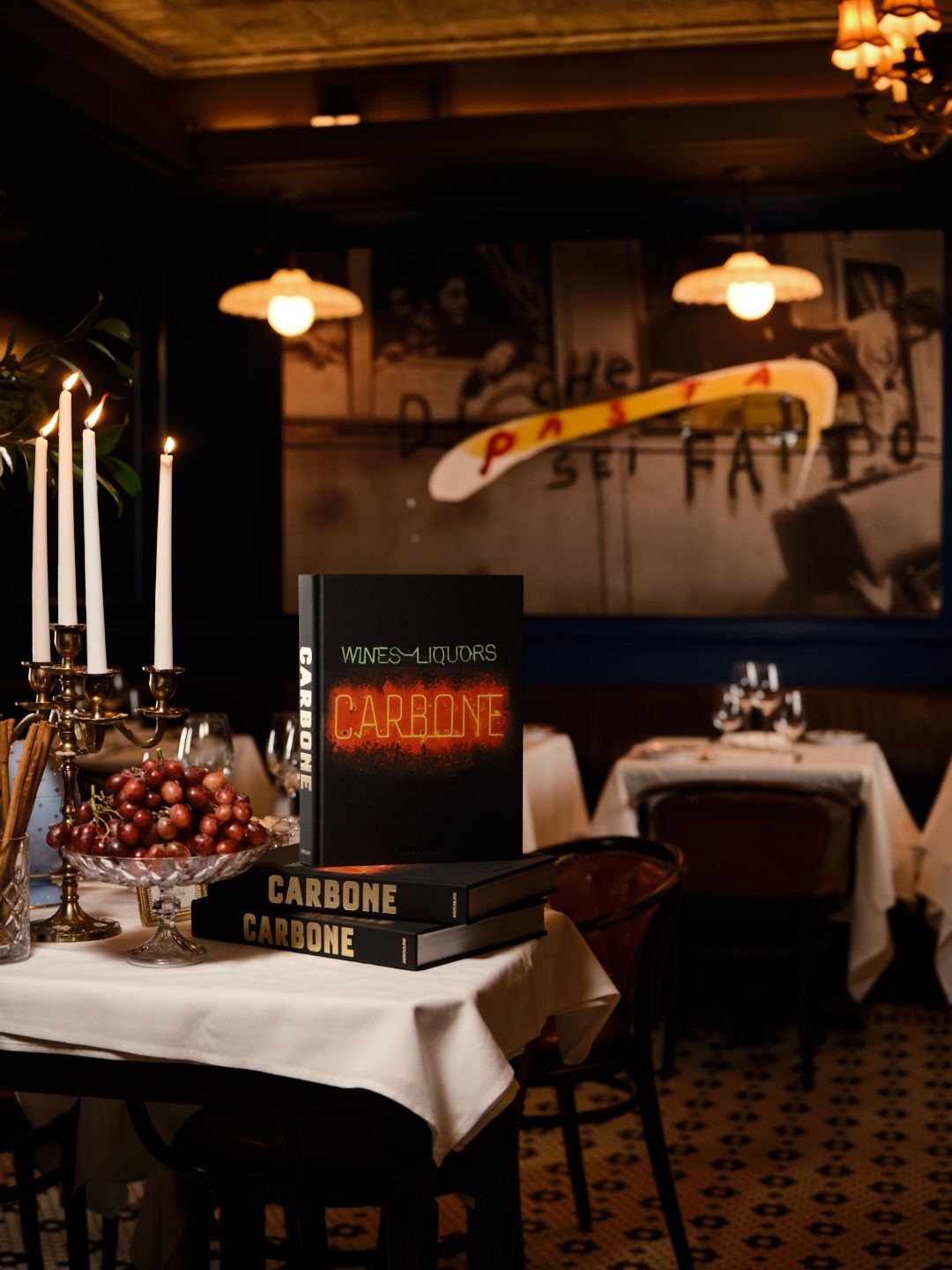
Carbone has turned Italian-American red-sauce cooking into one of the most talked-about dining experiences in Manhattan, and its reservation system has become something of a running joke among New Yorkers, who compare notes on securing a slot the way others compare notes on ticket resales. Its enduring appeal lies in the theatre of the room itself: tableside preparations, old-school service and a menu that leans into nostalgia rather than novelty, proving that not every impossible table needs an avant-garde tasting menu to justify the wait.
The French Laundry, California
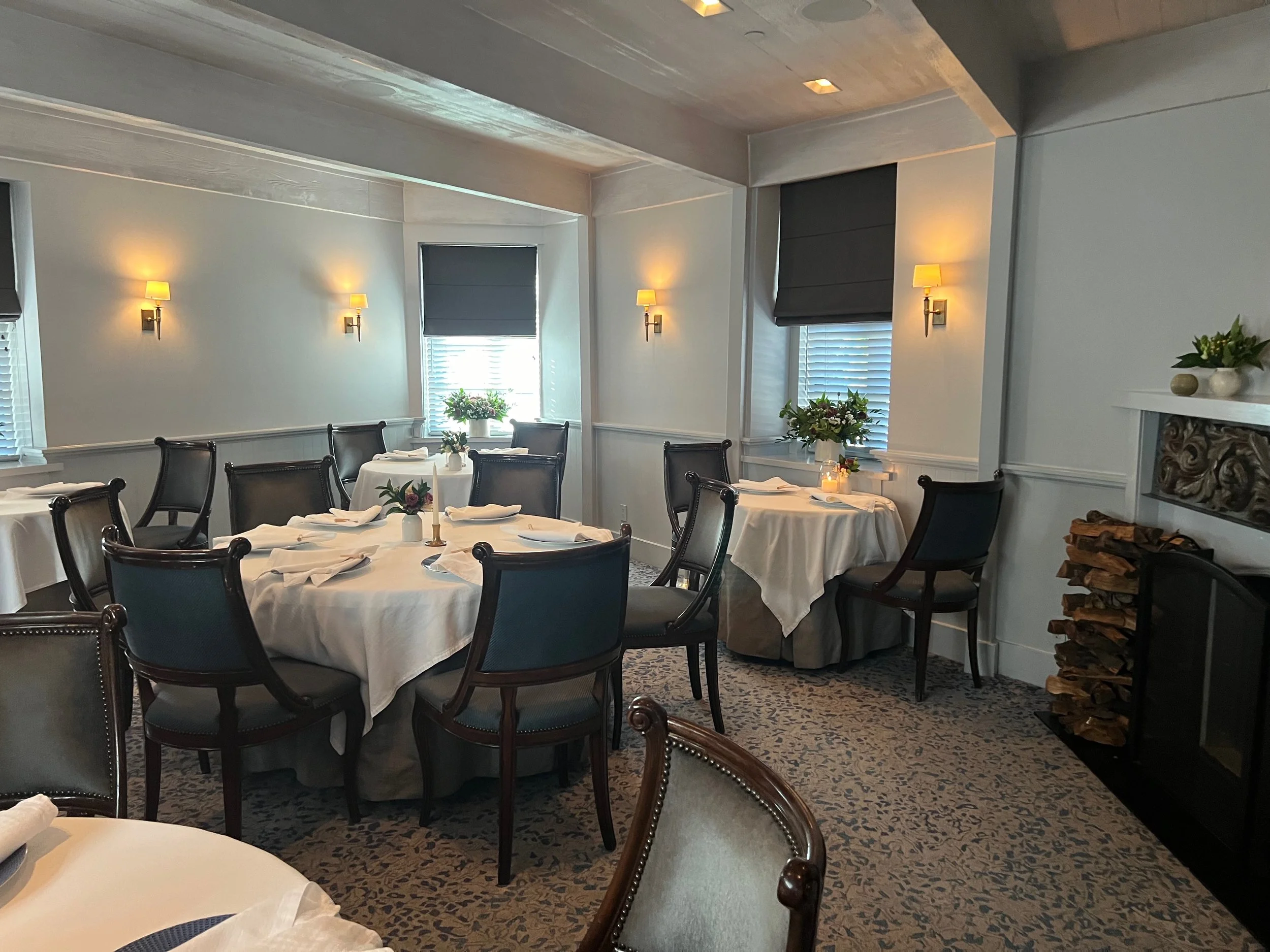
Long before waitlists became a cultural phenomenon, Thomas Keller’s French Laundry in Yountville set the template. Its Wine Country setting, French-inspired tasting menus and meticulous service have made it a fixture on best-restaurant lists for decades, and its exclusivity has never really faded. It remains the benchmark against which many of America’s hardest reservations are still measured.
Sorn, Bangkok
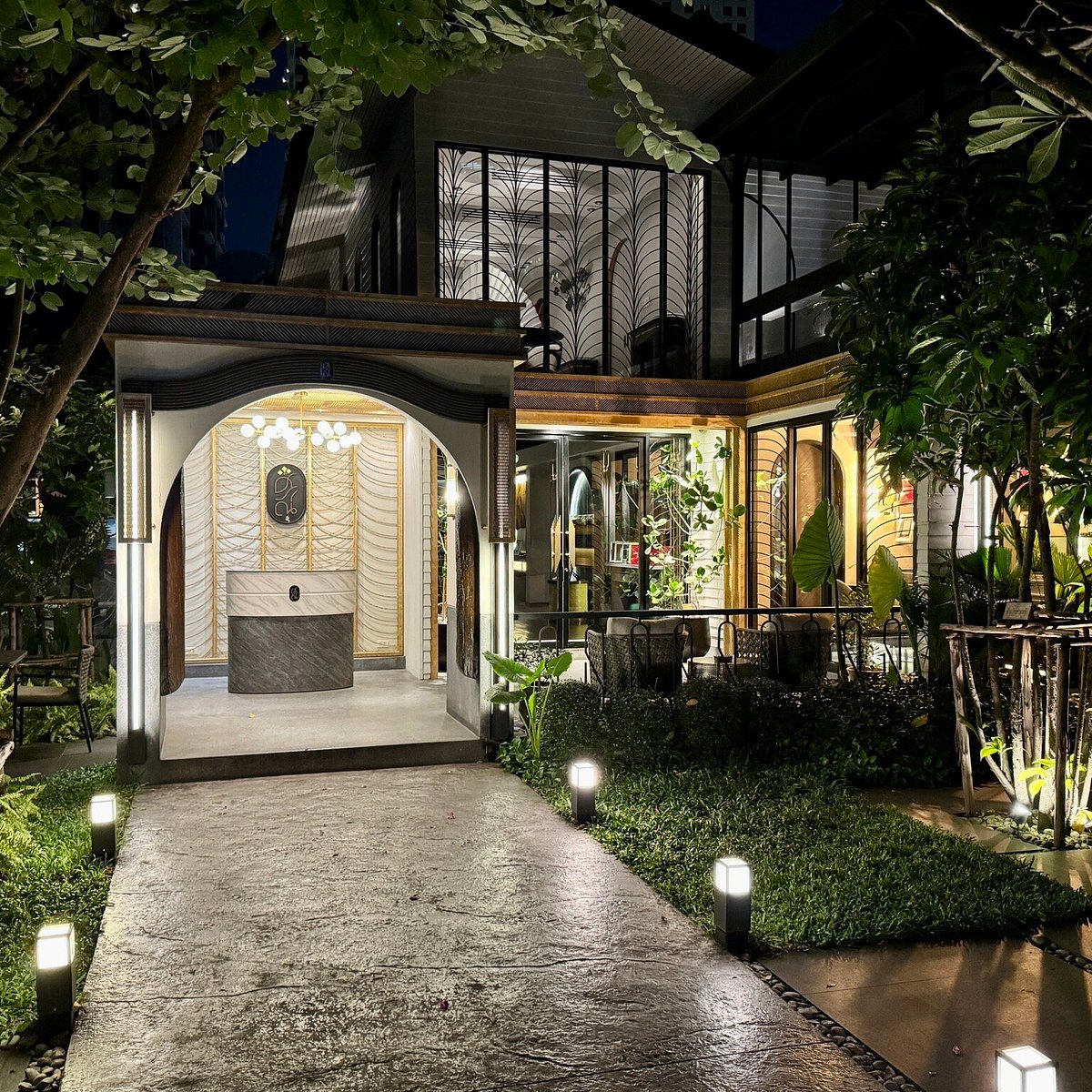
Sorn has become one of Southeast Asia’s most celebrated tables by taking Southern Thai cuisine, often overlooked in favour of its Bangkok-centric cousins, and presenting it with the precision and sourcing rigour of a fine-dining kitchen. Its intensely regional, ingredient-driven menu has earned it a spot among Asia’s most-lauded restaurants, and demand from international diners routing their travel specifically around a booking here shows no sign of slowing.
Central, Lima, Peru
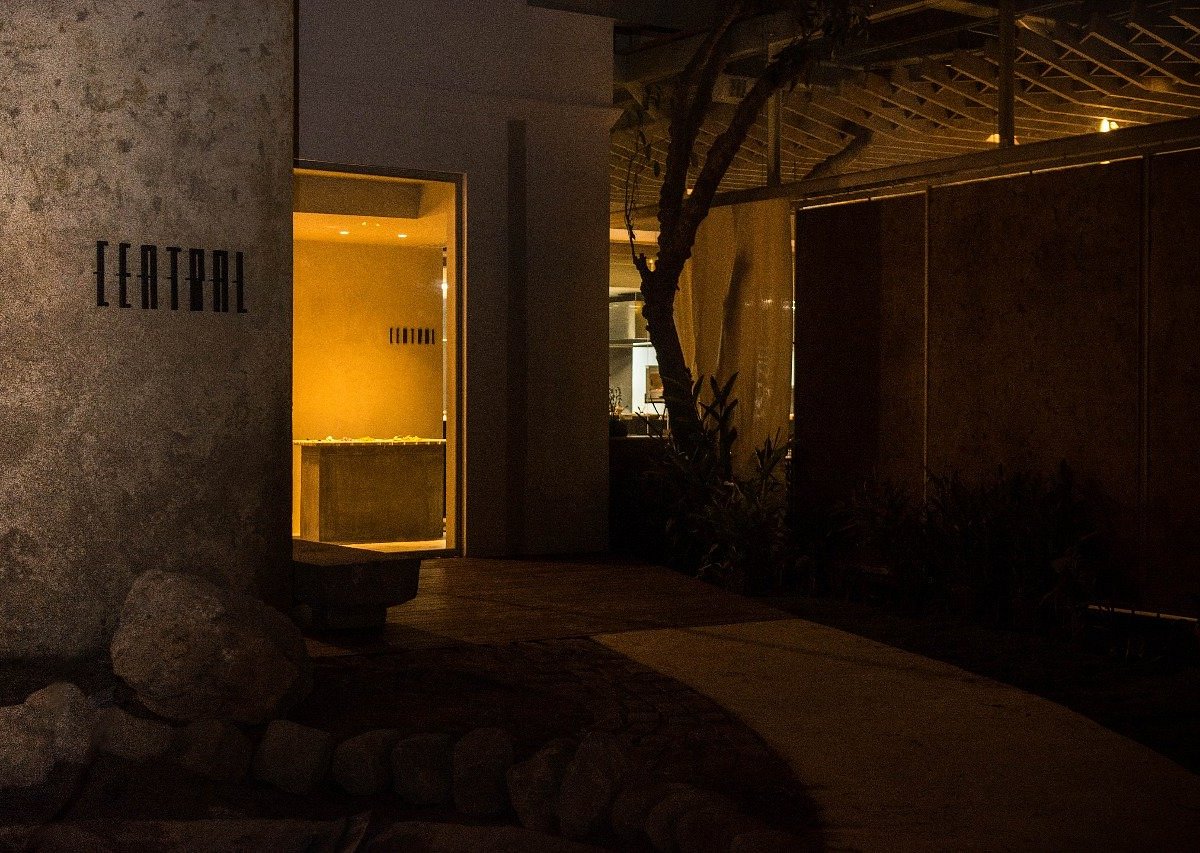
Chef Virgilio Martínez’s Central presents its tasting menu as a journey through Peru’s ecosystems, organised not by course but by altitude, moving from ocean depths to high-Andes ingredients rarely seen outside their region. It has become a genuine pilgrimage site for food travellers, cementing Lima’s place on the global fine-dining map and making Central one of the most sought-after reservations in South America.
What unites these seven very different rooms is not cuisine, price, or geography, but the simple fact that scarcity, real, engineered or simply a byproduct of ambition, has become the ultimate luxury signifier. In an era when almost anything can be bought outright, the restaurants that make you wait, plan and occasionally get lucky are precisely the ones everyone wants to talk about afterwards.