World Mental Health Day 2026: Why Mental Well-Being Matters for Healthy Ageing
Healthy ageing is about more than physical fitness and longevity. This World Mental Health Day 2026, explore how emotional well-being, meaningful relationships, mindful living and access to mental health support can help people navigate later life with greater resilience, connection and purpose
Ageing well is often associated with physical fitness, nourishing food, restorative holidays and a well-considered wellness routine. Yet emotional well-being deserves the same attention. The ability to manage change, maintain meaningful relationships and feel connected to life can shape how people experience their later years. As conversations around longevity gain momentum, mental health is an essential part of the discussion on living longer and living well.
Observed on October 10, World Mental Health Day 2026 carries the theme ‘Lived experiences heard: real voices, real change’’, highlighting the importance of listening to people who have experienced mental health conditions and involving them in decisions about their care. The message also invites a wider conversation about how people are supported through different stages of life, including older age. Conscious ageing begins with recognising that psychological well-being is as important as physical health.
The Emotional Side of Ageing
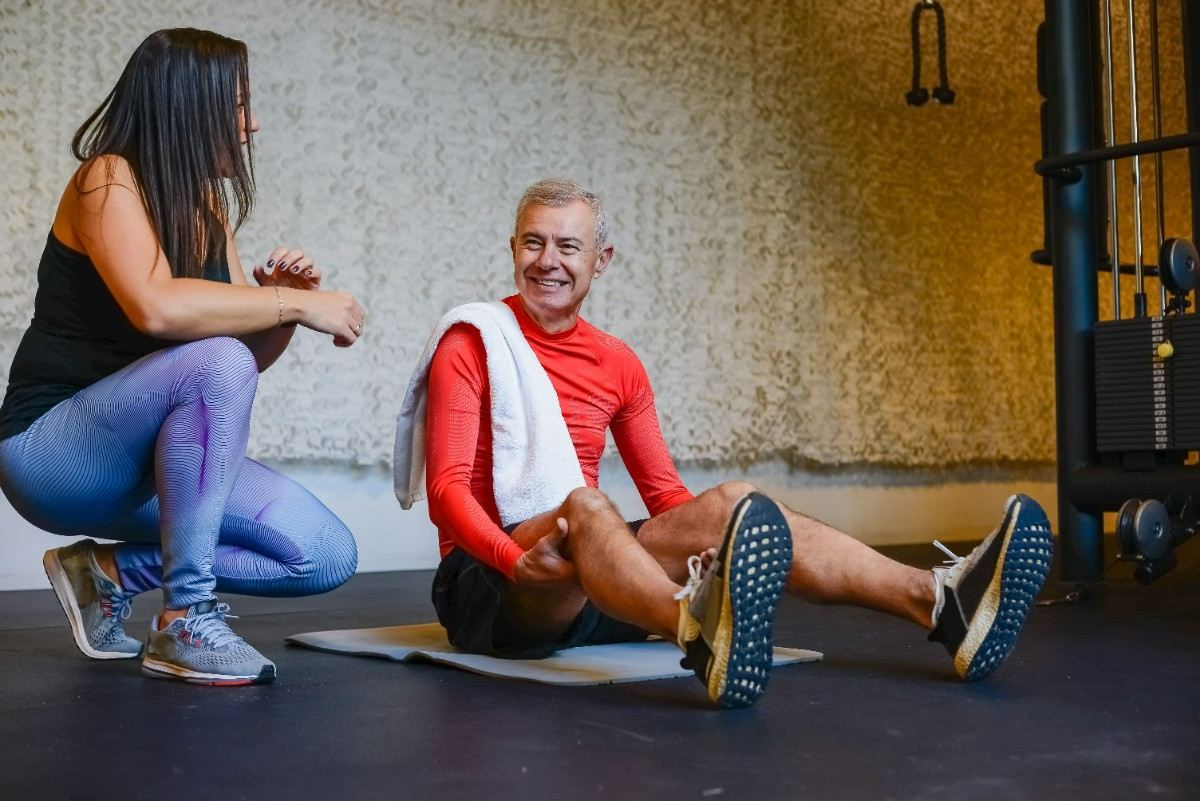
Growing older can bring changes that are not always visible. Retirement may alter a person’s sense of identity, children may move away, and the loss of loved ones can reshape familiar routines. Physical limitations or long-term health conditions can also affect independence and confidence. These experiences do not automatically lead to poor mental health, but they can make emotional support particularly important.
The World Health Organization identifies loneliness and social isolation as significant risk factors for mental health conditions among older adults. Its research indicates that around 11.8% of older people experience loneliness, while social isolation affects approximately one in four. Meaningful relationships, community participation and opportunities to remain engaged can help support emotional well-being and quality of life.
Also Read: Ageing Like Fine Wine: The New Science Of Regenerative Skincare
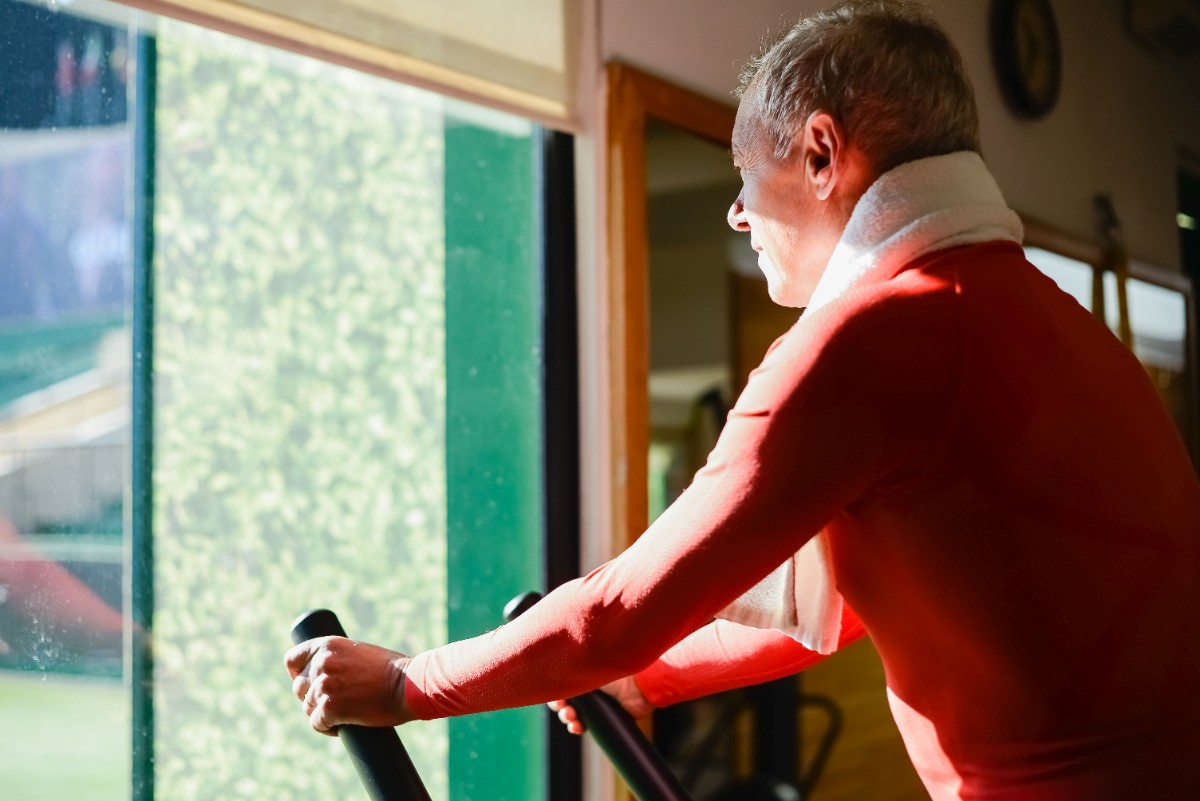
Mindful living can offer a practical starting point. Regular physical activity suited to one’s abilities, creative pursuits, time outdoors and opportunities to learn something new can bring structure and enjoyment to everyday life. Equally important is making room for conversations that go beyond routine updates. Checking in on an older family member, listening without rushing to offer advice and respecting their independence can help preserve a sense of belonging.
Making Wellness More Meaningful
The growing interest in luxury wellness lifestyle experiences offers another way to think about self-care. Meditation retreats, guided nature walks, restorative spa programmes and structured mindfulness sessions can provide opportunities to pause and reconnect with oneself. Their value, however, lies in the quality of the experience rather than its price tag. Premium wellness experiences are most meaningful when they encourage sustainable habits that continue long after a retreat ends.
For healthy ageing, this might mean building a regular meditation practice, protecting time for friendships, pursuing an artistic interest or seeking professional support when emotional difficulties persist. Access to mental health care matters at every age, and ongoing sadness, anxiety, withdrawal or a loss of interest in everyday activities should not simply be dismissed as a natural consequence of growing older.
Also Read: Five Anti-Ageing Beauty Trends Transforming Skincare This Season
Family members and caregivers also have a role to play. Asking older adults what support they need, involving them in decisions and creating opportunities for social participation can make care more respectful and responsive. Mental health professionals can help when distress becomes difficult to manage, while community groups and peer networks can offer additional connection.
Ultimately, wellness for healthy ageing is not about maintaining a particular appearance or achieving an idealised version of longevity. It is about preserving the freedom to participate in life, nurture relationships and find purpose through changing circumstances. This World Mental Health Day, mindful living begins with a simple recognition: emotional well-being is not an optional extra in the pursuit of a longer life. It is an important part of making that life fulfilling.