How Equestrian Shashank Singh Kataria Is Riding Towards His LA 2028 Dream
Shashank Singh Kataria’s journey in equestrian sport began with a doctor’s advice but soon became a serious pursuit. After national titles in dressage and show jumping, he moved to eventing, where partnership with his horses has become central to his approach as he works towards his LA 2028 dream
Long before podiums and continental medals, there was a 14-year-old on a doctor’s orders, sent onto a horse for nothing more than fitness. Shashank Singh Kataria had already tried his hand at cricket, basketball, swimming, even drumming, chasing whichever sport might hold his restless energy.
Riding was meant to be incidental, a couple of casual sessions a week. Instead, it became the thing he could not walk away from. He began staying back long after lessons ended, turning over questions in his head about why a horse moved one way in Europe and another way at home. His parents noticed the change before he did, and one day sat him down and asked if this was something he wanted to chase properly. He said yes, without yet knowing what “properly” would come to mean.
What followed was seven years of quiet accumulation rather than any single leap: a junior national medal at 14, national titles in dressage and show jumping, and eventually a pivot to eventing, the discipline he now describes as the only one that ever felt whole. His journey reflects the gradual evolution of an Indian equestrian athlete finding his place in India’s equestrian sport landscape. Other sports, he reflects, taught him something in isolation: patience from cricket, repetition from swimming, timing from the drums. Eventing asked for all of it at once, and added a variable no other sport could.
Two Minds, One Goal
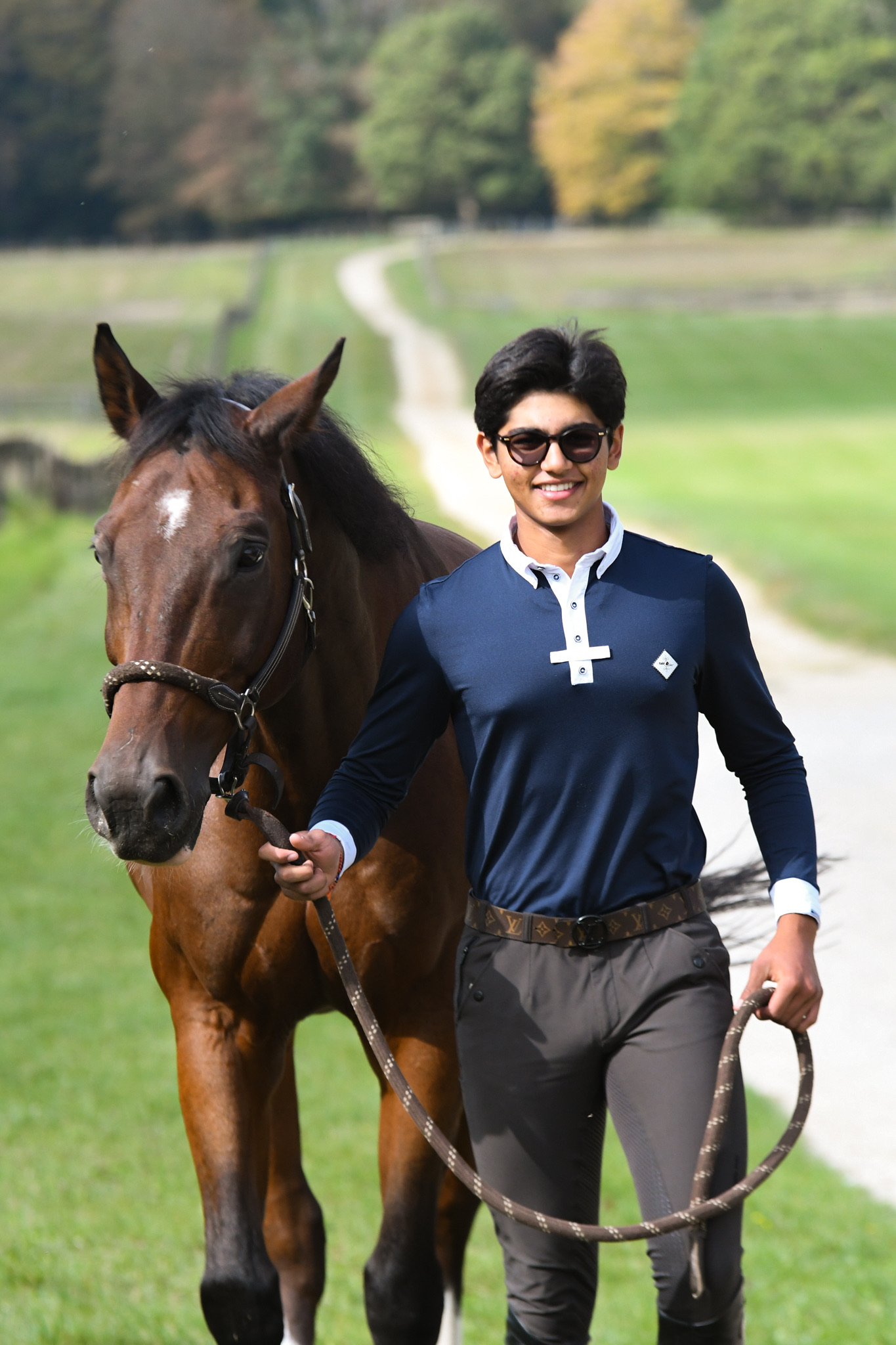
While as spectators, we always focus on the horse rider as the individual participating in such competition, Kataria shared an interesting perspective about the horse, Zara in this case, being another individual. The coordination, understanding and consideration then becomes a two-way process as two individuals strive to achieve one goal. A javelin thrower has to master a single motion and a single piece of equipment; the equipment does not think for itself. A horse does. “It has its own confidence, its own decision-making, its own emotions,” he said. “I know the direction of the course, but the horse doesn’t. It’s not about controlling everything, it’s about listening and adapting,” he added.
Also Read: Alexander Zverev’s Watch Collection: A Look at the 2026 US Open Champion’s Timepieces
That philosophy has been tested in ways no press release can fully capture. In March 2026, a fall left him with a broken collarbone after a 600-kilogram impact, mere months into what was still a new partnership with HB Zara. The recovery, he says, was less about bone and more about rebuilding a shaken confidence, ridden back gradually through lower-level starts until trust returned. It was worth it as the pair would go on to their landmark Concours Complet International Long (CCI3*-L) win at Quirindi, adding another significant chapter to Shashank Singh Kataria’s achievements as an emerging name among Indian equestrian riders.
A Line Not Crossed
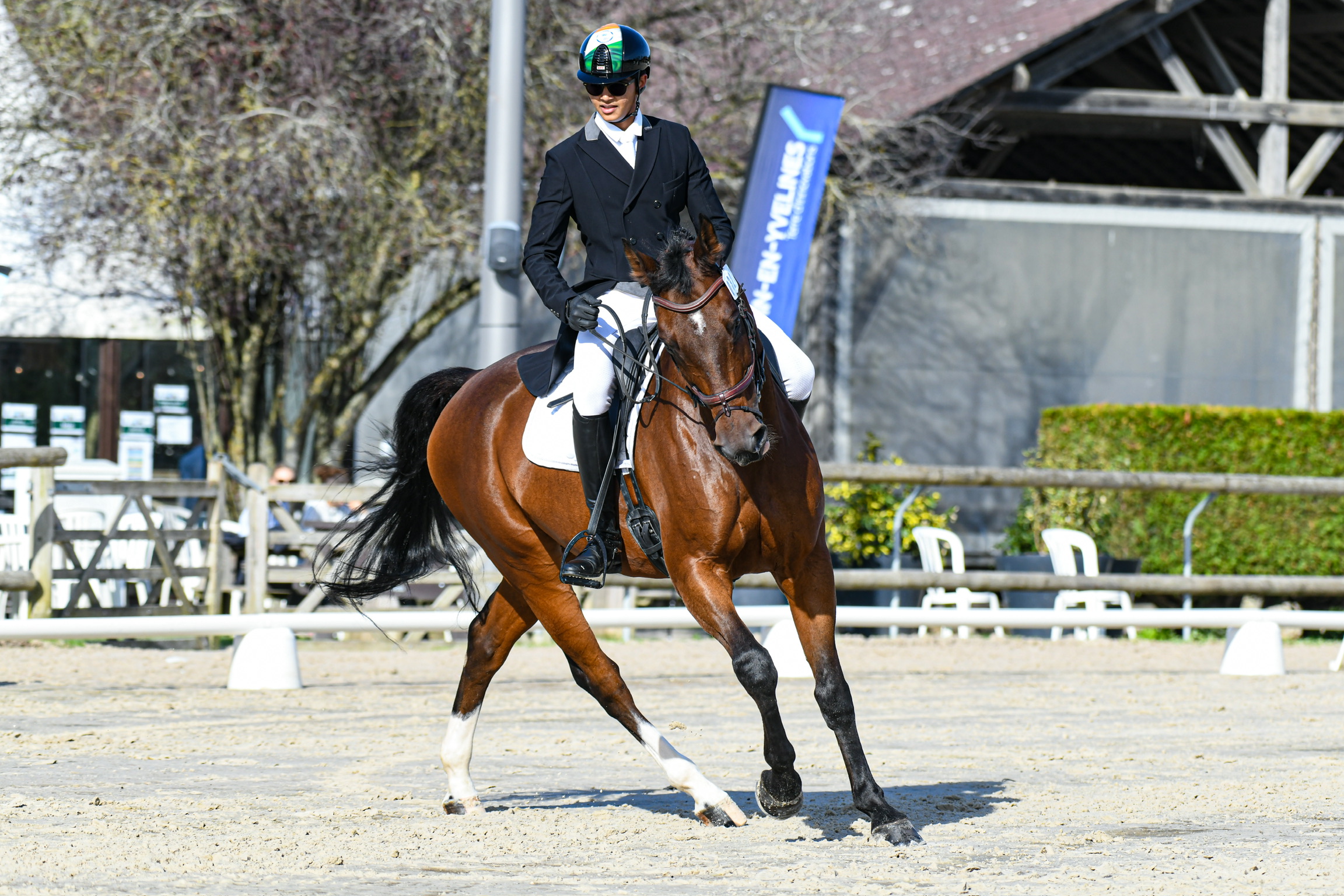
That same instinct for restraint surfaced again during the Asian Games qualification campaign, when Icaro LB showed only the faintest dip in form after cross-country. Shashank withdrew immediately, forfeiting a result he badly wanted. “Horse welfare is the line I never cross,” he shared.
That philosophy is also central to how Shashank Singh Kataria approaches horse riding, where performance depends as much on trust as technical ability. It is a distinction that matters in equestrian eventing, a sport in which horse and rider must navigate dressage, cross-country and show jumping as a partnership rather than as separate competitors.
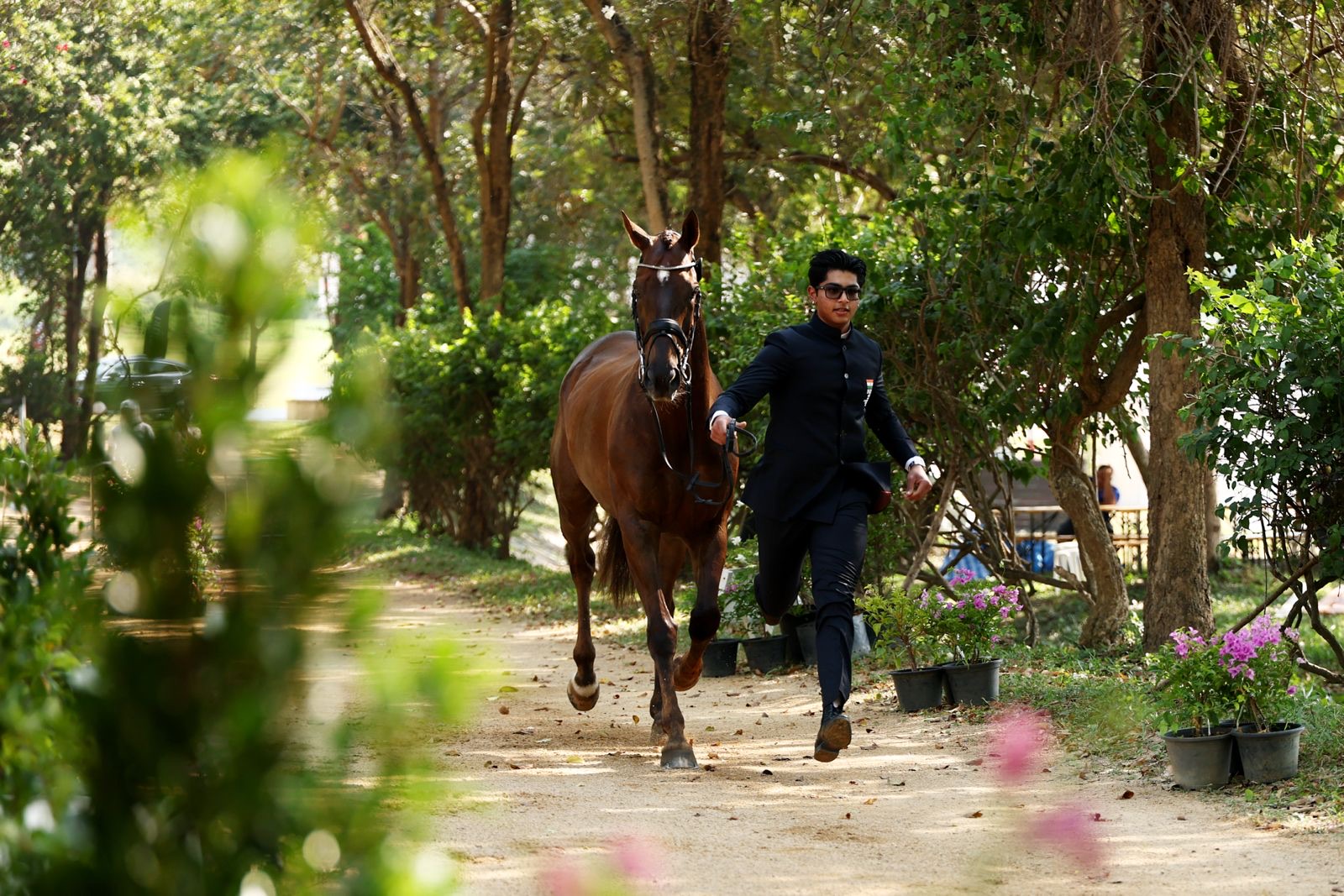
It is a philosophy shaped as much by his other life as a student. Studying urban planning at the University of Melbourne, he has come to see his sport and his degree as strange mirrors of each other: neither a city nor a competition run succeeds because of one spectacular feature, but because of the small, invisible systems working underneath, “fixing everything one percent at a time,” he said.
Also Read: Shafali Verma’s Asia Cup Glory Comes With Rs 12 Cr Fortune
According to Shashank, LA 2028 is not a single destination but the next visible mark of that slower, quieter accumulation. His Shashank Singh Kataria LA 2028 journey is therefore less about chasing a headline and more about building towards the possibility of representing India at the LA 2028 Olympics.