Interview | Nachiket Barve on Fashion, Film And The Many Influences Behind His Creative World
Nachiket Barve's creative journey spans fashion, cinema and Indian craftsmanship. Trained at NID and ENSAD, the designer discusses his work on 'Tanhaji', his fascination with traditional textiles, sustainable fashion and the importance of preserving the skills and stories of India's artisans
On a wind-lashed cliff in Iceland, the designer once stood still for fifteen minutes, his hands frozen around his camera, waiting for a fledgling to reach its parent. The photograph, he said, captured “such a moment of perfection.” It is a fitting reflection of Nachiket Barve’s design philosophy. In an industry that sprints from season to season, he prefers to wait for the right frame.
Born into a Bombay family of doctors, he turned to design around 1999, when fashion was barely considered a viable career. His parents supported his decision on one condition. He recalled their advice: “Learn it well, get a system in place and do it correctly.” After completing a commerce degree and spending two years in New Zealand, where he worked at Burger King and filled sketchbook after sketchbook, he secured admission to both NID and NIFT. He chose NID, calling it “a life-changing step”.
A scholarship to ENSAD and an internship at Céline took him to Paris. There, Barve found himself navigating the space between two cultural perspectives, describing himself as being “in the middle of the past and the future, tradition and modernity”. One of his defining lessons came during a design meeting at Céline, when his colleagues reminisced about their grandparents wearing Madras checks to the beach. “I remember thinking, my grandmother only ever wore a saree,” he said.
Also Read: Paris Fashion Week SS27: Seven Biggest Fashion Trends to Know
He launched his label in 2007. Launched in 2007, it became the first Indian label to retail on ‘Rent the Runway’ and showcase collections in London and Buenos Aires.
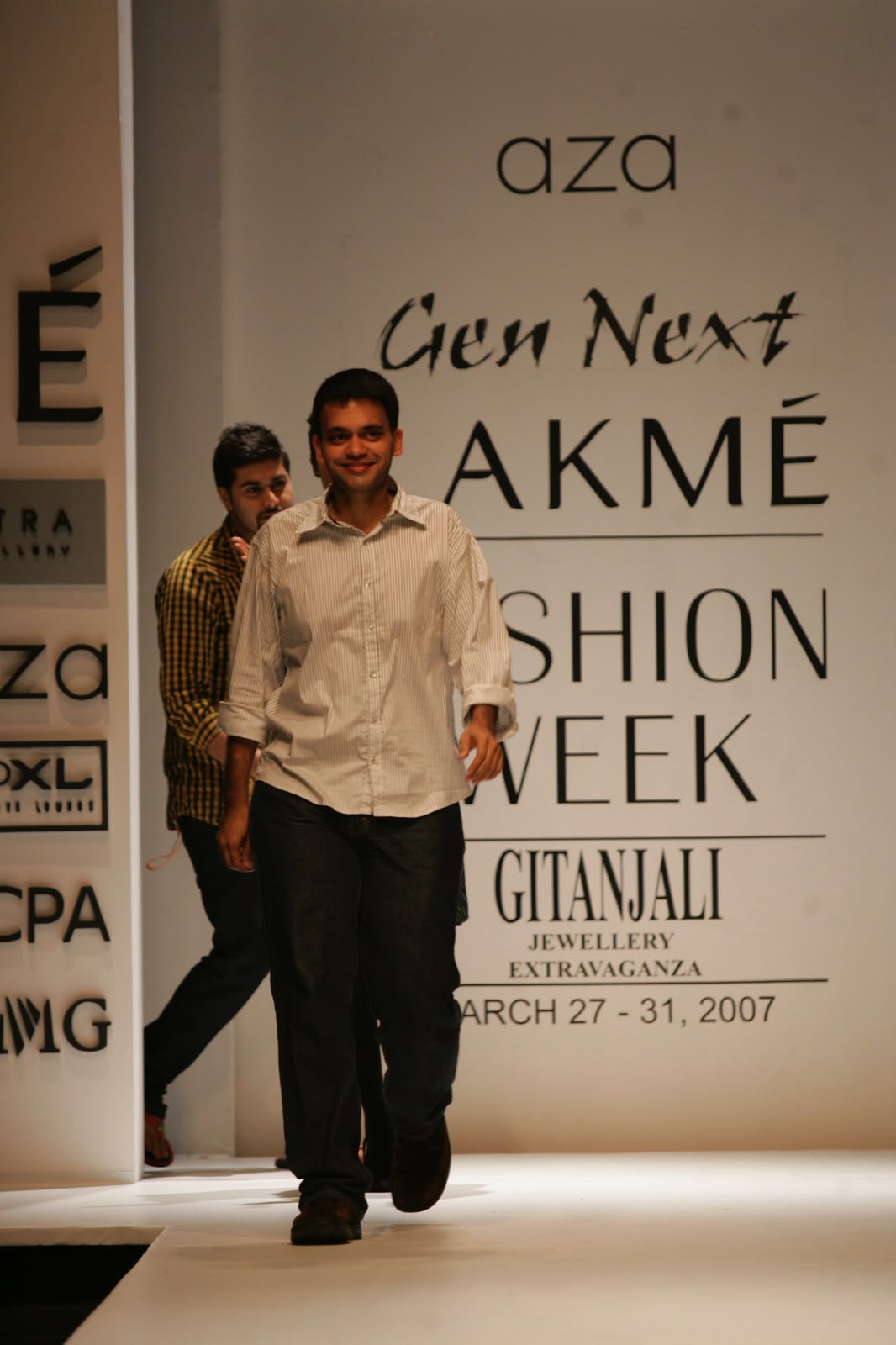
Writing History in Thread
Cinema brought a different rigour, demanding historical accuracy, extensive research and an understanding of how costumes would function on screen. Barve spent almost two years researching in museums, from London’s Victoria and Albert Museum to Pune’s Raja Dinkar Kelkar Museum for ‘Tanhaji: The Unsung Warrior’, and recreated jewellery in pure gold using 400-year-old moulds. Unwilling to dress the Maratha characters in the inauthentic zardozi often associated with period films, he dressed Kajol’s Savitribai only in woven textiles, without a stitch of embroidery. “It was about celebrating restraint while celebrating opulence at the same time,” he said.
Kumkum replaced stick-on bindis, while period shoes were built over functional footwear so the actors could perform stunts. The work of nearly 1,800 people earned him the 68th National Film Award for Best Costume Design, shared with Mahesh Sherla, which he received from the President with his parents in the audience. Perhaps more meaningful was the impact beyond the screen. The film’s weavers began receiving orders from brides. “It was a way of giving back to craft rather than just taking from it,” he shared.
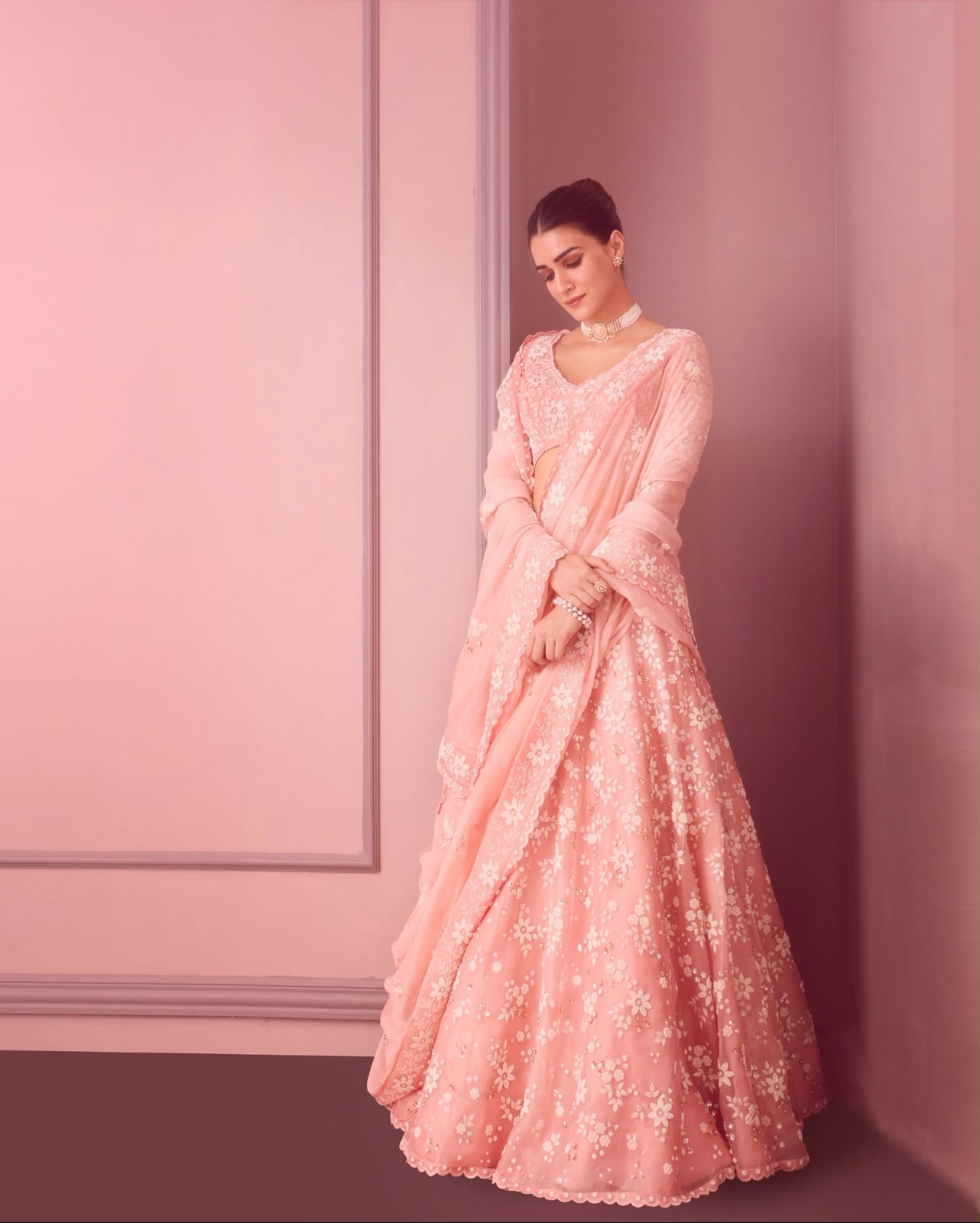
Barve draws a clear distinction between fashion and costume design. In cinema, costumes must make even a familiar actor believable in a different time and place, allowing audiences to forget that the person on screen “lives in Juhu or Bandra”. Fashion, on the other hand, is a more solitary pursuit, in which the designer must “pull ideas out of ether”.
A Wardrobe for Life
His approach to sustainability is rooted in the middle-class Indian home, where nothing goes to waste. He rejects the wear-it-once culture of social media, which turns clothes into disposables, something he has never contributed to as a designer. Instead, he designs investment pieces that gather memories over time. “There cannot be a world where a shirt costs as much as a sandwich or a coffee,” he said. Recalling a client who recently wore a kurta purchased from him ten years ago, Barve said it still fit beautifully, adding that this was precisely the style philosophy he stood for. Personal style over passing trends, he believes, is the shift fashion needs most.
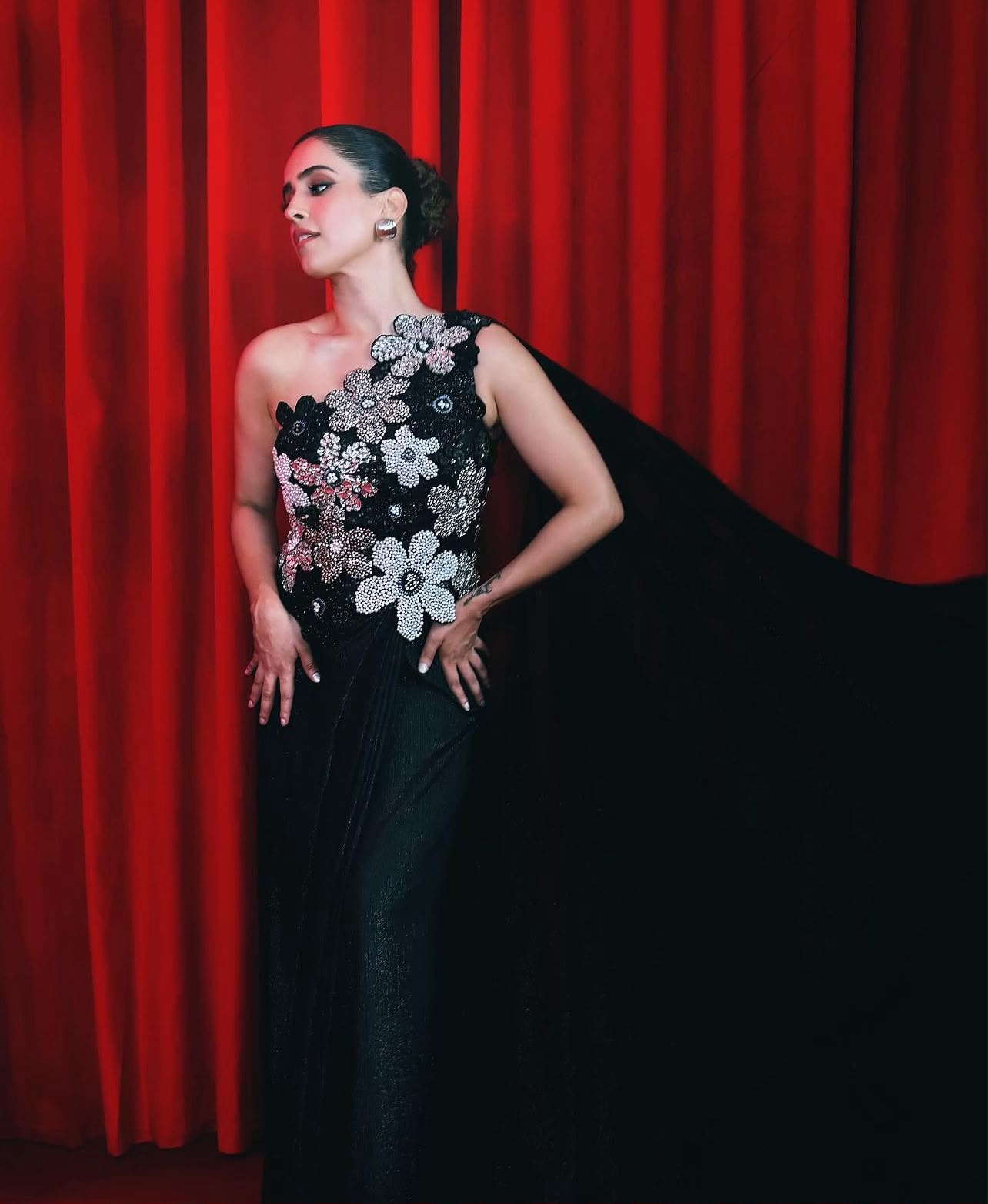
“There cannot be a world where a shirt costs as much as a sandwich or a coffee,” he said. Recalling a client who recently wore a kurta purchased from him ten years ago, Barve said it still fit beautifully, adding that this was precisely the style philosophy he stood for. Personal style over passing trends, he believes, is the shift fashion needs most.
Also Read: Exclusive: Atul Kasbekar On HONEST, AI, The Kingfisher Calendar And Future Of Photography
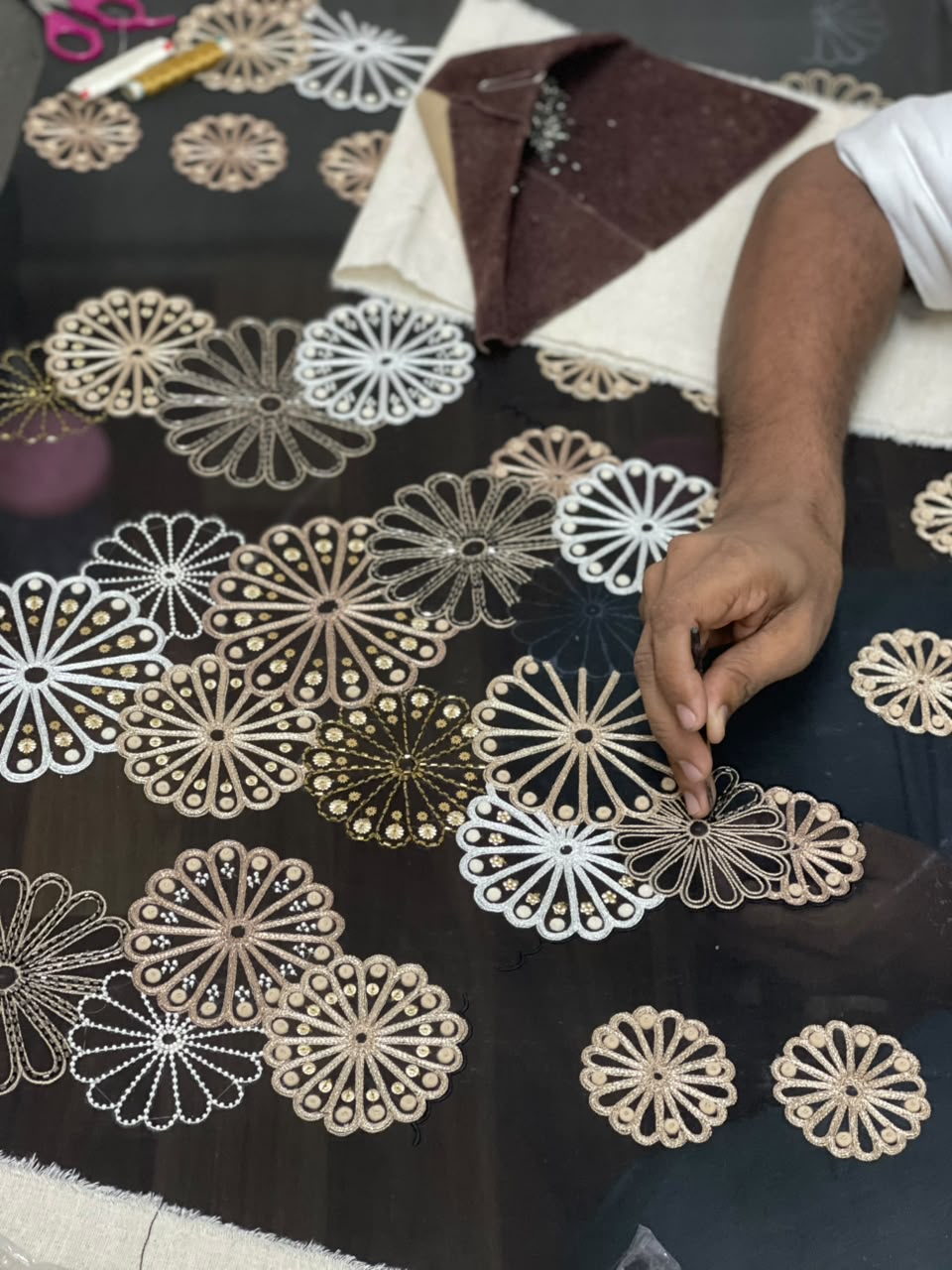
Barve’s inspirations span several worlds, from wildlife photography and cooking to Indian antiques prized for the months of human labour within them. In his store hangs a wall of embroidery frames signed in thread by his karigars, “an acknowledgement of who they are beyond just their hands”. A teacher at NID once told him that the best work feels like meditation. On an Icelandic cliff or at the cutting table, Barve is still chasing that quiet joy.