Kiara, Sidharth And More Are Making ’80s Fashion Cool Again
AI-generated '80s portraits have taken over social media, with Kiara Advani, Sidharth Malhotra, Parineeti Chopra and politicians joining the viral trend. Here’s how to bring the decade’s bold colour, power dressing and retro denim into your wardrobe without looking like a costume
This week it wasn’t fashion editors driving the 80s conversation, it was Bollywood and Parliament. Actors Kiara Advani and Sidharth Malhotra were among the names posting AI-generated 1980s versions of themselves.
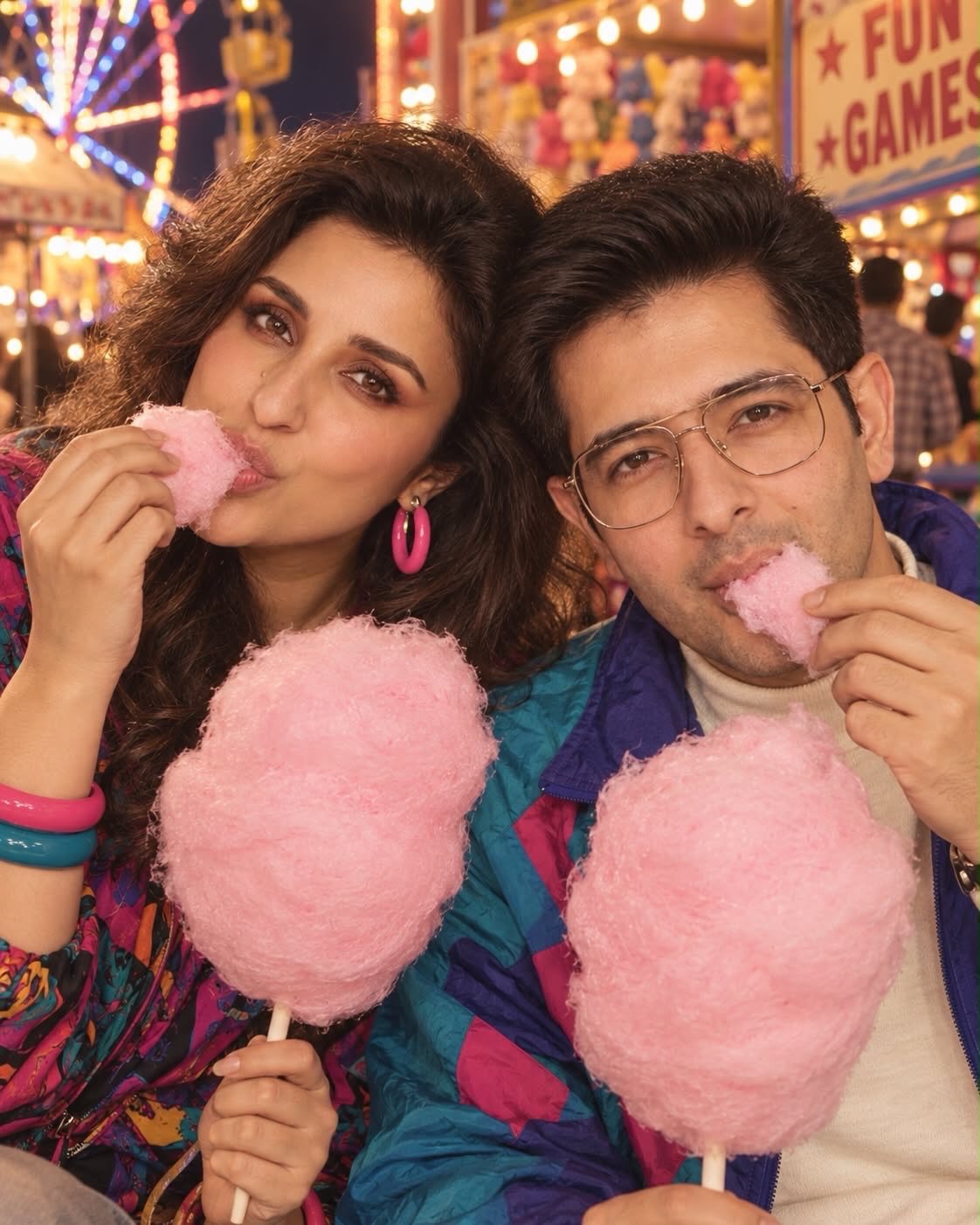
They were joined by Actor Parineeti Chopra and Member of Parliament Raghav Chaddha.
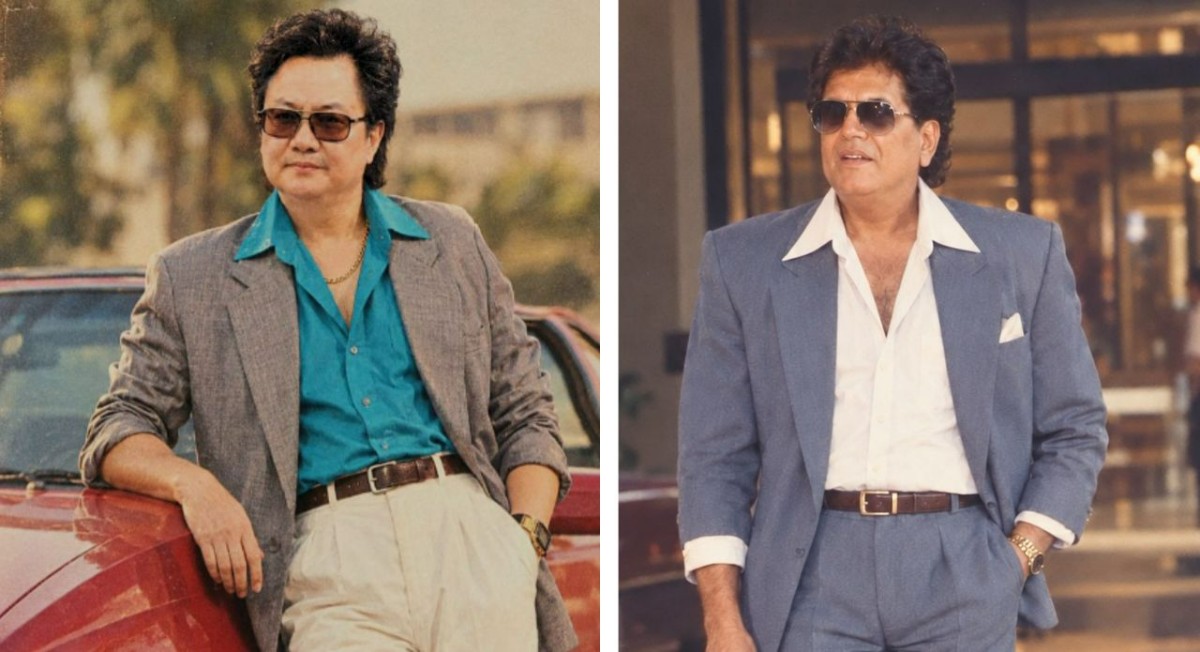
Politicians got in on it too. Union minister Piyush Goyal shared a sepia-toned portrait captioned “Vibing to the 80s trend”. While Kiren Rijiju posted an AI version alongside a real one from the decade, noting “No AI & No ChatGPT.” Congress MP Shashi Tharoor skipped the app entirely and shared authentic old photographs instead, joking he’d join “the old-fashioned way.” Between the timelines and the punchlines, one thing became clear: interest in actual 1980s fashion trends has just been handed a very public, very viral boost.
AI Filter to Fashion Reality
The AI versions are, technically, onto something real. The tools are copying a decade whose visual language was unusually specific: strong shoulders, a cinched waist, colour used as a statement rather than an accent. That’s the throughline connecting the era’s power suits to what’s now called contemporary power dressing.
Also Read: Why Vintage Couture Is Becoming Luxury’s New Status Symbol in India
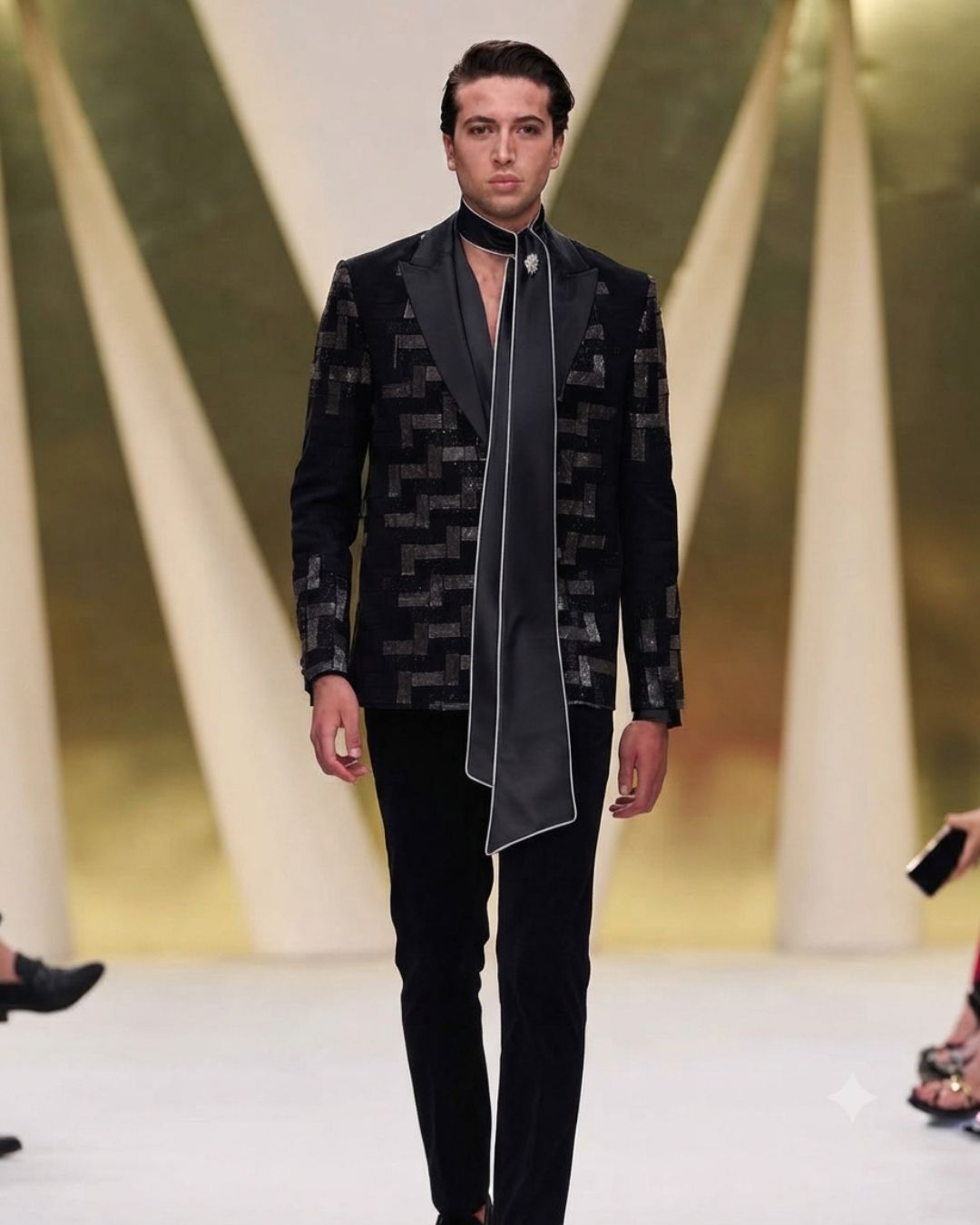
Manish Malhotra’s Black Textured Blazer Set, a full jacket, shirt and trouser set priced at Rs 4.25 lakh (approx.), builds the same sharp-shoulder, nipped-waist silhouette for the boardroom.
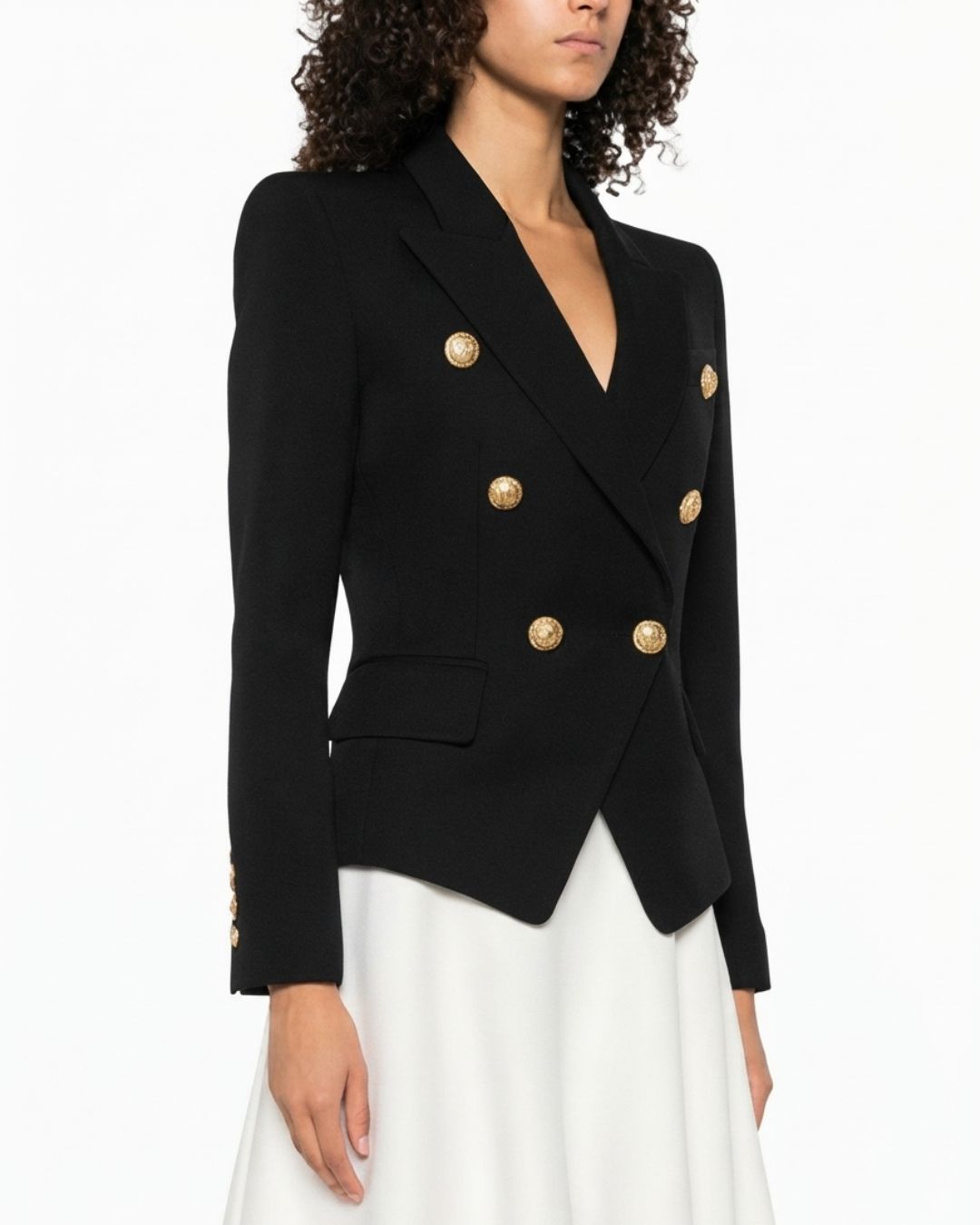
Balmain goes further and names the decade outright: the house’s Double-Breasted Blazer, at Rs 1.58 lakh (approx.), is built on the exaggerated military shoulder the brand has leaned on for years precisely because it reads as 80s power dressing, not a costume version of it. The 80s fashion revival has been building for a couple of seasons already; this AI moment, and the famous faces attached to it, has simply pushed it into the mainstream conversation, luxury shelves included.
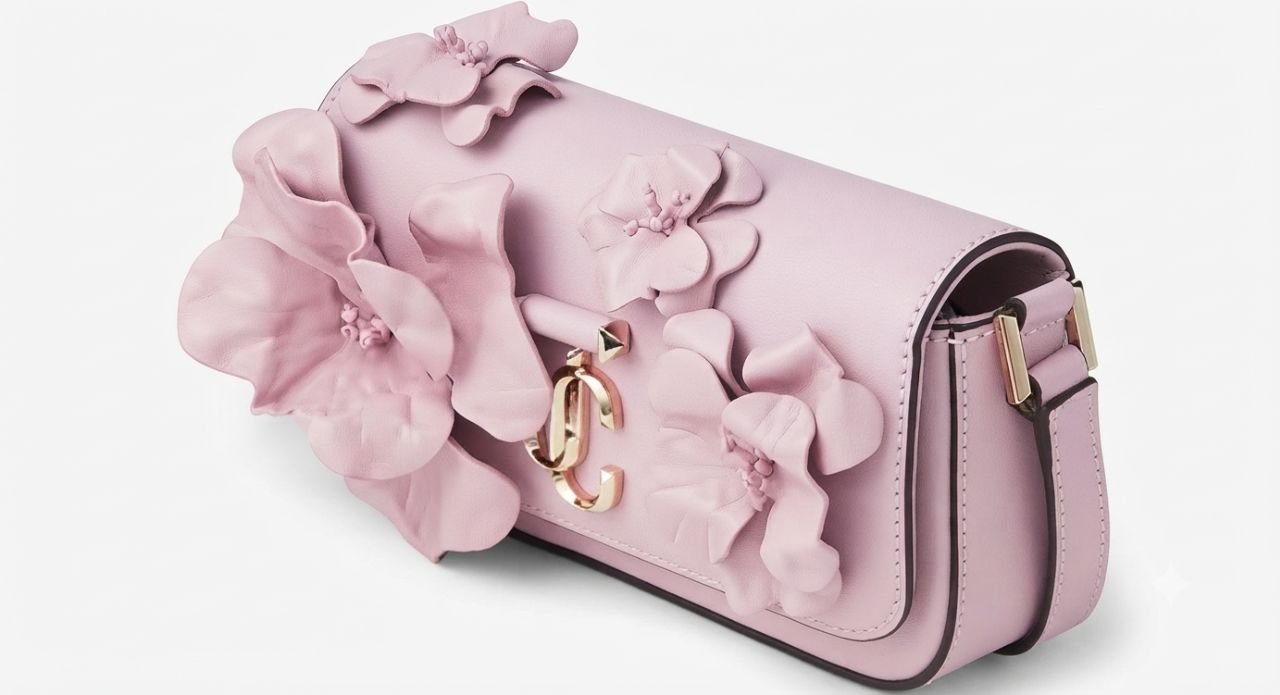
The gap between a filtered face and a wearable outfit comes down to editing. One bold 80s fashion element, worn against pieces that clearly belong to now, reads as intentional. All of it at once reads as a costume. Colour-blocking is the easiest way in, and at the higher end it can be as simple as one strong accessory: Jimmy Choo’s Avenue Mini Shoulder Bag, done up in pink and priced at Rs 1.7 lakh (approx.), doing the work of an entire look, no head-to-toe recreation required. It’s also where 80s style trends translate most cleanly into 2026 dressing, since one bright, well-made piece doesn’t ask the rest of the wardrobe to change.
Styling It For Real
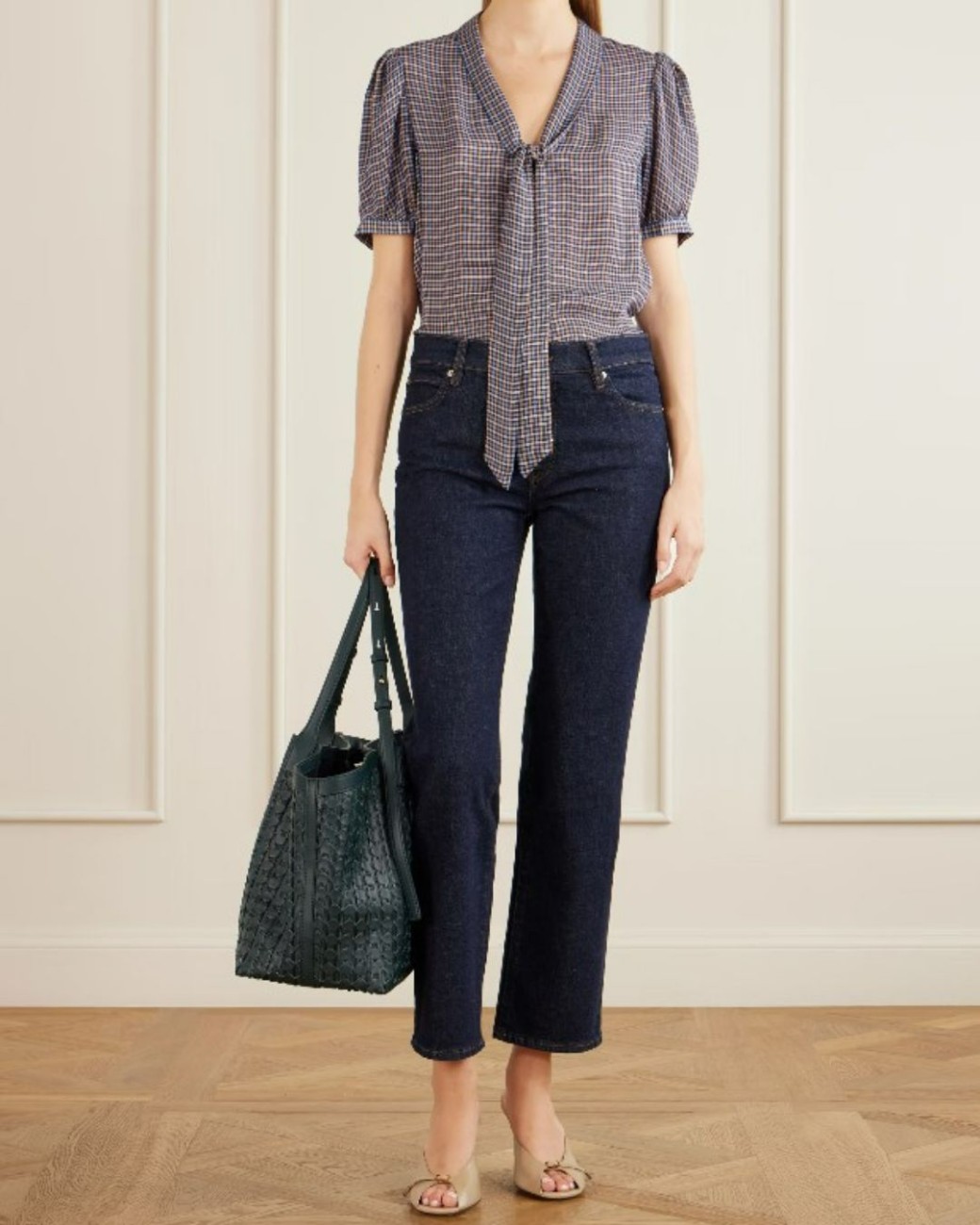
Denim is the other constant showing up across this retro fashion trend. Cigarette jeans, slim through the leg and cropped at the ankle, never fully left in the first place, which is likely why they’re the most wearable 80s-inspired fashion piece on shelves right now.
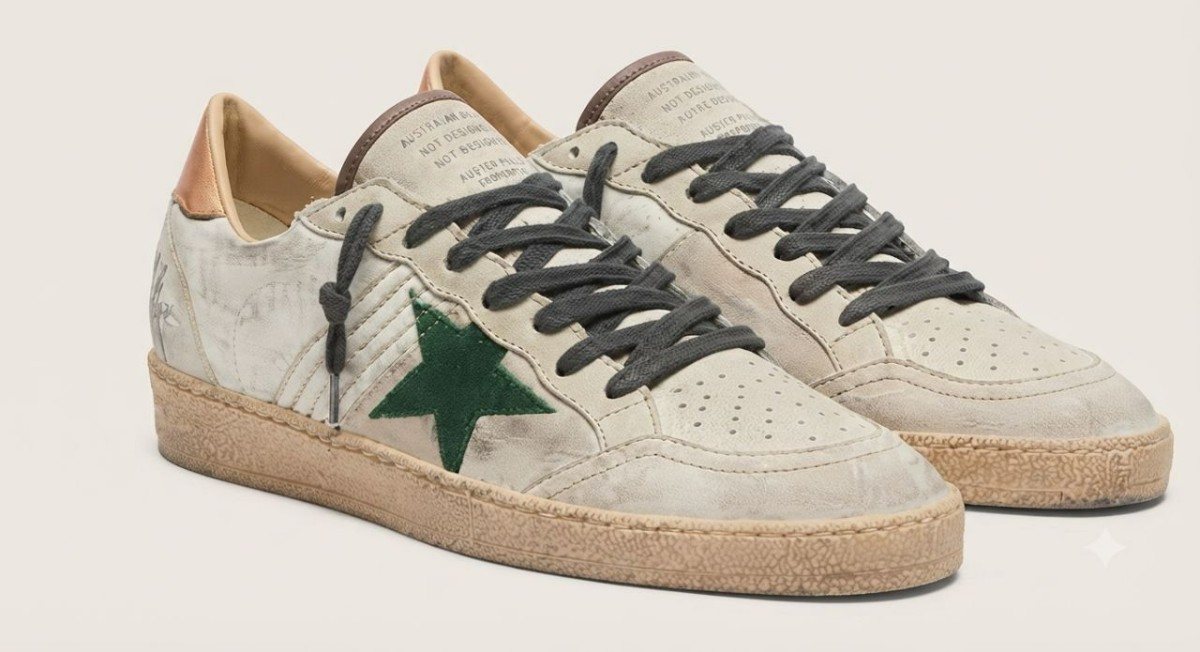
Dress them up with Golden Goose’s Ball Star, sold on the brand’s own India site under the label “Iconic Retro Sneakers” and starting at Rs 55,400 (approx.), and the look moves from desk to dinner without a change of clothes, let alone an app. For those not ready to commit at that price point, the same distressed, retro-sport silhouette shows up across accessible sportswear labels for a fraction of the cost, proof the trend scales in both directions.
Also Read: The House Of Gucci Presents The New Tennis Collection – A Nod To Retro Sporting Glamour
What the trend hasn’t produced, at least not yet, is a filter that can replicate confidence, and that’s the detail retailers and stylists keep returning to. Modern retro fashion works when it’s restrained: one era-defining piece worn with intention rather than repeated head to toe. The AI version might be a fun scroll-stopper for the mood board. Building the actual look still takes doing it yourself.