4×4 vs All-Wheel Drive: Key Differences, Benefits And Which One You Should Choose
Understand the key differences between 4x4 and all-wheel drive systems, their benefits, real-world performance, and which drivetrain is best suited for your driving needs
At first glance, 4×4 and all-wheel drive sound like the same thing — four wheels spinning, mud flying, problem solved. Except they aren’t. One is a blunt, mechanical tool designed to conquer terrain that actively hates you, while the other is a clever, electronically managed system built to keep you moving without drama. Confuse the two and you’ll either buy a mountain goat when you needed ballet shoes, or ballet shoes when you needed a mountain goat. Understanding the difference between 4×4 and AWD isn’t just about specs — it’s about choosing the right weapon for the battles you actually fight on the road.
4×4 vs All-Wheel Drive

At their core, both 4×4 and all-wheel drive send power to all four wheels, but the way they do it — and why — couldn’t be more different. A traditional 4×4 system is designed primarily for off-road use. Found in rugged SUVs and pickup trucks, it typically features a transfer case that allows the driver to manually engage four-wheel drive, often with high and low-range gearing. This low-range capability is crucial for crawling over rocks, pulling through deep mud, or descending steep slopes with control.
All-wheel drive, on the other hand, is designed for everyday usability. AWD systems continuously or automatically distribute power between the front and rear wheels using sensors and electronic controls. There’s no lever to pull and no decision-making required from the driver — the system simply reacts to changes in traction. This makes AWD ideal for wet roads, snow, gravel, and unpredictable urban driving conditions.
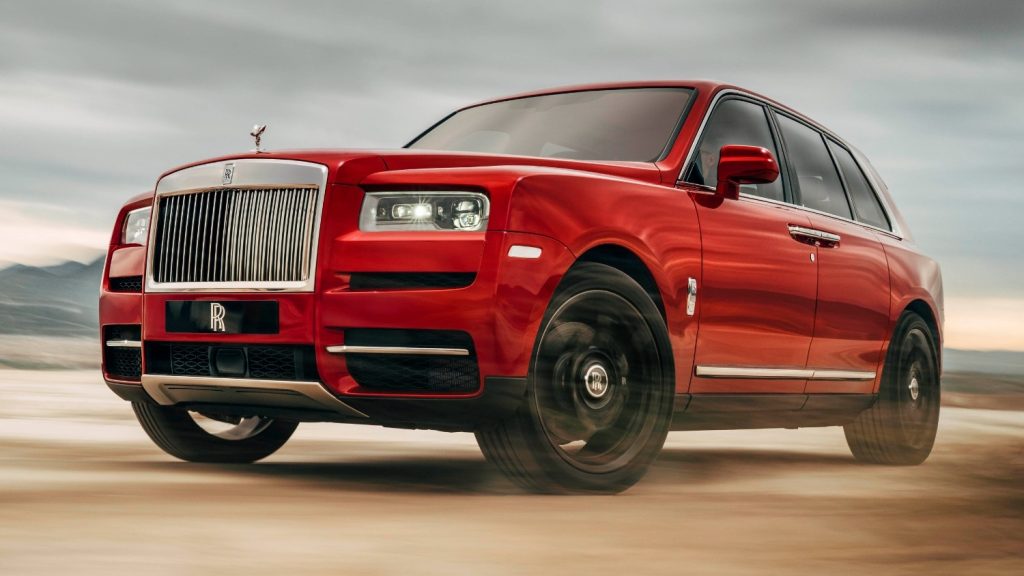
The benefits of 4×4 lie in its strength and durability. It’s built to handle extreme conditions and heavy loads. Locking differentials, robust axles, and low-range gearing allow a 4×4 vehicle to go places an AWD car simply cannot. However, this capability comes at a cost: increased weight, reduced fuel efficiency, and less refined on-road behaviour.
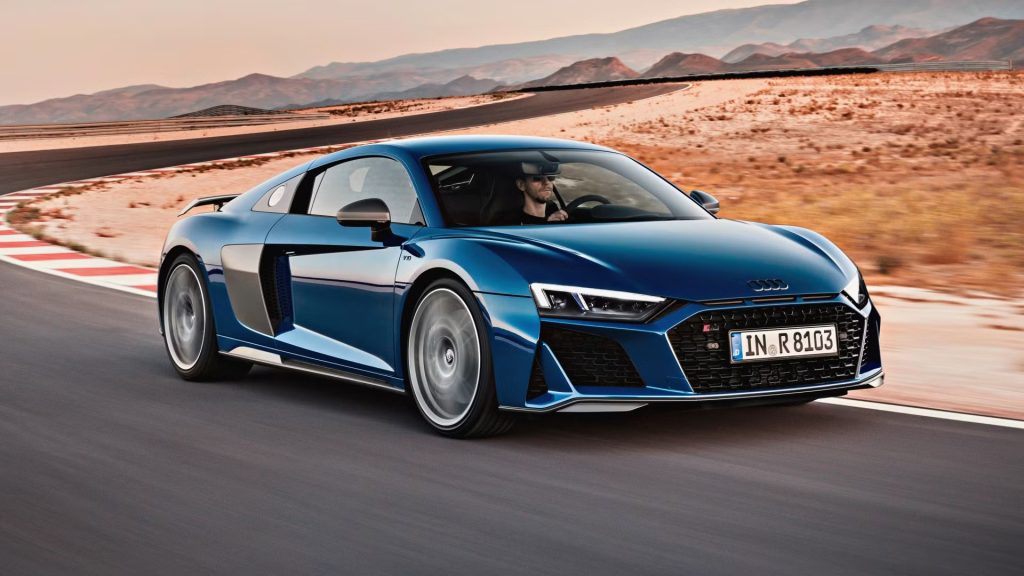
AWD’s greatest strength is versatility. It improves stability and grip without demanding driver input, making it perfect for people who face variable weather but spend most of their time on paved roads. AWD systems are lighter, quieter, and more efficient, but they lack the mechanical toughness needed for serious off-roading.
Choosing between 4×4 and AWD ultimately depends on how you drive. If your adventures involve trails, towing, or terrain where getting stuck is a real possibility, 4×4 is the right tool. If your driving is mostly urban, highway-based, or weather-dependent, AWD offers safer, more seamless performance. In short, 4×4 is about domination. AWD is about confidence. Knowing the difference ensures you don’t end up with the wrong machine for the job.