Cornering Mastery: How Cars Achieve Superior Handling On Turns
From weight distribution to steering feel, the true measure of a performance car is revealed not on the straights, but in the art of mastering corners
Straight lines, frankly, are for people in a hurry and not much else. Yes, they are useful for testing outright speed and for making bold claims at dinner parties, but the real measure of a car, the proper, meaningful test, happens when the road begins to twist and turn like it has had one too many cups of coffee. That is where the magic either happens or falls apart completely. The first thing that matters, and it matters enormously, is balance. A good car in the corners feels poised, as though it has been set up with a clear understanding of physics rather than hope. Weight distribution plays a crucial role here. If a car carries too much weight at one end, it behaves like an uncooperative shopping trolley, either ploughing straight on when you ask it to turn or swinging its rear about with alarming enthusiasm. Get the balance right, however, and the car feels neutral, composed, and eager to change direction.
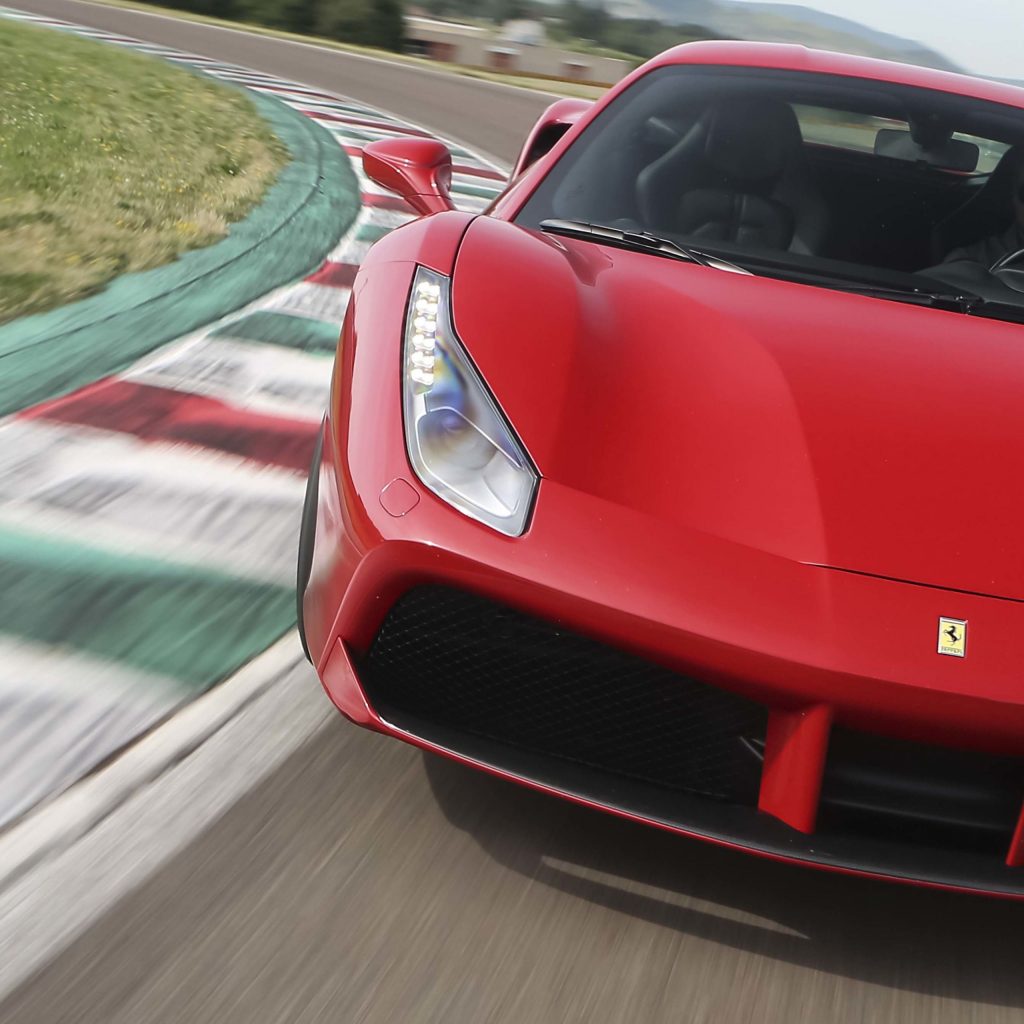
Then there is grip, which is not just about how sticky the tyres are, although that certainly helps. It is about how effectively the car can use that grip. Suspension geometry, tyre contact patches, and the way weight shifts under load all come into play. As you turn into a corner, the outside tyres take on more load, digging into the tarmac and providing the traction needed to hold the line. A well sorted car manages this transfer smoothly, maintaining stability while allowing you to carry speed with confidence.
Steering, meanwhile, is the conversation between you and the car, and like any good conversation, it needs to be clear and honest. In older, more analogue machines, you could feel everything, the texture of the road, the level of grip, even the slightest hint of slip. Modern systems, with their electric assistance, sometimes filter too much of this out, but when done properly, they can still deliver precision without losing feel. The best cars communicate, telling you exactly what is happening beneath the tyres and giving you the confidence to push a little harder.

Of course, none of this would matter if the chassis itself was not up to the task. Rigidity is key. A stiff chassis ensures that the suspension can do its job without interference. If the structure flexes, the carefully tuned geometry goes out the window, and the car begins to feel vague and unpredictable. A solid platform, on the other hand, keeps everything in alignment, allowing the car to respond accurately to your inputs. Power also plays a role, but perhaps not in the way you might expect. It is not about having vast amounts of it, but about how it is delivered. Too much power, applied too suddenly, can overwhelm the tyres and upset the balance of the car. Smooth, controllable power, however, allows you to accelerate out of corners cleanly, maintaining traction and building speed progressively. It is about finesse, not brute force.

Braking, often overlooked in casual conversation, is equally important. A good car remains stable under heavy braking, allowing you to carry speed deeper into a corner before slowing down. This stability gives you more control over your entry speed and sets you up perfectly for the turn. If the car becomes unsettled or twitchy under braking, confidence disappears rather quickly, and with it, any hope of a smooth, fast corner. And then there is something less tangible, but no less important. Feel. That elusive quality that separates a merely competent car from one that makes you grin like an idiot. It is the way everything comes together, the balance, the grip, the steering, the chassis, all working in harmony to create an experience that feels intuitive and engaging. It is the difference between driving a car and being part of it.

Because when a car is truly good in the corners, something extraordinary happens. You stop thinking about the individual components and start focusing on the flow of the road. Each bend leads seamlessly into the next, and the car responds with a fluidity that feels almost effortless. It is not about fighting the machine or overcoming its shortcomings. It is about working with it, guiding it, and occasionally, trusting it just a little more than you probably should. And that, ultimately, is what makes a car great in the corners. Not just the numbers on a specification sheet or the latest technological wizardry, but the way it makes you feel when the road begins to twist. Confident, connected, and utterly, gloriously alive.